Tire Pressure
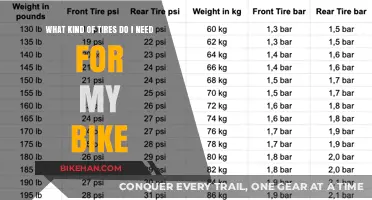
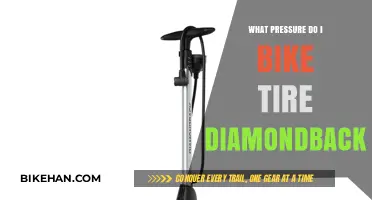
Maintain correct tire pressure as specified by the vehicle manufacturer. Check pressure regularly and adjust as needed to ensure optimal performance and fuel efficiency.
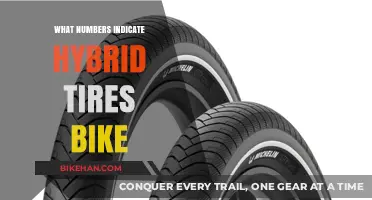
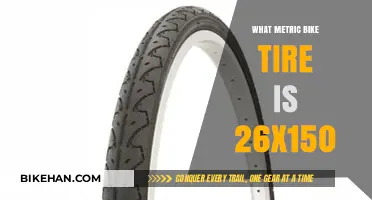
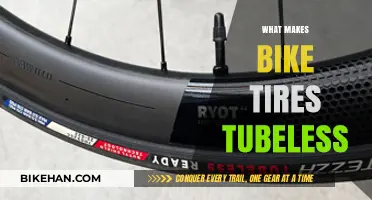
Tires are a vital component of any vehicle, providing traction, stability, and a smooth ride. With a wide range of tire types and sizes available, there's a specific tire designed for every make and model of car, motorcycle, and truck.
Popular tire categories include summer, winter, all-season, performance, and off-road tires. Each type is designed for specific driving conditions and offers unique performance characteristics.

Proper tire care is essential for optimal performance, safety, and longevity. Key aspects include tire pressure, tread wear, and wheel alignment.
Maintain correct tire pressure as specified by the vehicle manufacturer. Check pressure regularly and adjust as needed to ensure optimal performance and fuel efficiency.

Inspect tire tread depth regularly. Replace tires when the tread wears down to the wear bars, typically at 2/32" of tread depth remaining.

Proper wheel alignment ensures tires wear evenly and helps with handling. Get your alignment checked periodically, especially after hitting potholes or curbs.
Proper tire maintenance is crucial for safety, performance, and longevity. Follow these tips to keep your tires in top condition.
Rotate your tires regularly to ensure even wear. Also, have your tires balanced when mounting new tires or if you notice vibrations.
Inspect your tires regularly for wear, cracks, bulges, or foreign objects. Address any issues promptly to prevent further damage or safety hazards.
Know how to change a tire safely. Keep a spare tire, jack, and necessary tools in your vehicle for emergencies.
If storing tires, keep them in a cool, dry place away from direct sunlight. Use tire bags or covers to protect them from dirt and moisture.
Tire pressure changes with temperature variations. Check and adjust pressure as temperatures fluctuate, especially during seasonal changes.
Abnormal tire noise can indicate alignment issues, unbalanced tires, or worn suspension components. Have your vehicle inspected if you notice unusual noises.
Consider upgrading to high-performance tires for improved handling and traction, especially if you enjoy spirited driving.
When selecting new tires, choose a reputable brand with a good warranty. Look for tires that offer a balance of performance, comfort, and longevity.
If you frequently drive in wet conditions, consider tires with superior wet grip ratings for enhanced safety and peace of mind.




Choosing the right tires for your vehicle involves considering several factors. Here are some key elements to keep in mind when selecting new tires.
| Factor | Description |
|---|---|
| Size | Ensure the tire size matches your vehicle's specifications. Refer to the owner's manual or consult a tire professional for the correct size. |
| Type | Select the appropriate tire type for your driving needs, such as summer, winter, all-season, performance, or off-road tires. |
| Speed & Load Ratings | Choose tires with speed and load ratings that meet or exceed your vehicle's requirements. These ratings ensure the tires can handle your vehicle's speed and weight. |
| Warranty | Look for tires with a good warranty that covers defects and ensures peace of mind. |
| Price & Value | Consider your budget and the value offered by different tire brands. Higher-quality tires may cost more upfront but can provide better performance and longer tread life. |
| Reviews | Research reviews and ratings from other drivers to get insights into the performance, durability, and overall satisfaction with different tire models. |
Selecting the right tires for your vehicle will enhance performance, safety, and overall driving experience. Consult a tire specialist if you need further advice or assistance.