Samantha Lee
Bike tires can go flat surprisingly easily due to a variety of factors. One common cause is punctures from sharp objects like nails, glass, or debris on the road. These small, sharp items can pierce the tire's thin rubber, causing air to escape rapidly. Another frequent issue is the wear and tear of the tire's rubber over time, which can lead to small cracks and holes that allow air to leak out. Additionally, improper inflation can put uneven stress on the tire, making it more susceptible to damage and flats. Environmental factors, such as extreme temperatures, can also affect tire integrity, causing the rubber to become brittle and more prone to punctures. Regular maintenance, including checking tire pressure and inspecting for damage, is crucial to prevent flats and ensure safe riding.
| Characteristics | Values |
|---|---|
| Punctures | Sharp objects like nails, glass, or debris on the road can puncture the tire's rubber, causing it to deflate. |
| Valve stem damage | The valve stem, which holds the air in the tire, can be damaged by impacts or corrosion, leading to air leaks. |
| Sidewall damage | Impacts with potholes or curbs can damage the tire's sidewall, causing it to bulge or blow out, leading to a flat tire. |
| Overloading | Exceeding the tire's recommended weight limit can cause excessive stress on the tire, leading to a blowout or flat tire. |
| Underinflation | Insufficient air pressure in the tire can cause the tire to become pinched or damaged by the rim, leading to a flat tire. |
| Age | Old tires can become brittle and more prone to punctures or blowouts, even if they have sufficient air pressure. |
| Manufacturing defects | Rarely, a tire may have a defect from the manufacturing process that can cause it to fail and become flat. |
| Environmental factors | Extreme temperatures, exposure to chemicals, or UV radiation can degrade the tire's rubber, making it more susceptible to flats. |
| Riding on rough terrain | Off-road or rough terrain can cause impacts and abrasions that damage the tire and lead to a flat. |
| Poor maintenance | Neglecting to regularly inspect and maintain the tire can lead to unnoticed damage that eventually causes a flat tire. |
| Tire pressure fluctuations | Changes in temperature or altitude can cause tire pressure to fluctuate, potentially leading to underinflation and a flat tire. |
| Rim damage | Damage to the rim can cause the tire to become misaligned or pinched, leading to a flat tire. |
| Tire wear | Excessive tire wear can thin the tire's tread and sidewalls, making it more vulnerable to punctures and blowouts. |
| Installation errors | Improperly installing the tire, such as failing to seat the bead correctly, can cause air leaks and lead to a flat tire. |
| Repair errors | Incorrectly repairing a punctured tire, such as failing to remove all debris or properly seal the puncture, can cause the tire to deflate again. |
Explore related products



What You'll Learn
- Punctures from Sharp Objects: Nails, glass, and other debris on the road can easily puncture bike tires
- Tire Wear and Tear: Over time, tires degrade, making them more susceptible to flats from minor impacts
- Improper Tire Pressure: Underinflated or overinflated tires are more prone to damage and flats
- Environmental Factors: Extreme temperatures, UV exposure, and ozone can weaken tire rubber, leading to flats
- Manufacturing Defects: Flaws in the tire's construction, such as weak spots or poor quality materials, can cause premature flats

Punctures from Sharp Objects: Nails, glass, and other debris on the road can easily puncture bike tires
Nails, glass, and other sharp debris on the road are common culprits behind bike tire punctures. These objects can easily pierce the tire's rubber, causing air to escape and leaving the cyclist stranded. Punctures from sharp objects are particularly frustrating because they can occur suddenly and without warning, often in the middle of a ride.
One of the reasons why sharp objects are so effective at puncturing bike tires is due to the tire's construction. Bike tires are typically made of a thin layer of rubber, which is necessary for flexibility and grip. However, this thin layer is also vulnerable to punctures from sharp objects. Additionally, the high pressure inside the tire can cause the rubber to stretch and become even thinner, making it more susceptible to punctures.
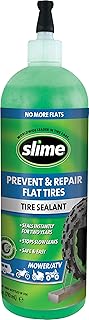
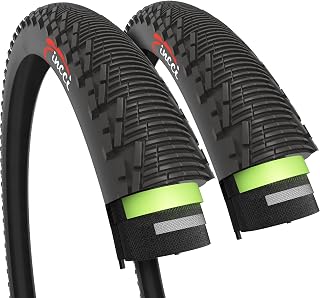
To avoid punctures from sharp objects, cyclists can take several precautions. One approach is to use puncture-resistant tires, which are made with a thicker layer of rubber or have a protective layer inside the tire. Another option is to use tire liners, which are thin strips of material that can be inserted between the tire and the tube to provide an extra layer of protection. Cyclists can also try to avoid riding over areas with a lot of debris, such as construction sites or roads with broken glass.
If a puncture does occur, it's important to know how to fix it quickly and safely. Cyclists should always carry a spare tube, a pump, and a tire lever with them when riding. To fix a puncture, the cyclist should first remove the wheel from the bike, then use the tire lever to pry the tire off the rim. Next, they should remove the punctured tube and replace it with a new one, making sure to inflate it to the correct pressure. Finally, they should reattach the tire to the rim and inflate it to the correct pressure.
In conclusion, punctures from sharp objects are a common problem for cyclists, but there are steps that can be taken to prevent them. By using puncture-resistant tires, tire liners, and avoiding areas with a lot of debris, cyclists can reduce their risk of getting a flat tire. And if a puncture does occur, knowing how to fix it quickly and safely can help cyclists get back on the road and continue their ride.
Choosing the Right 700c x 35c Bike Tire for Your Ride
You may want to see also
Explore related products

$15.99


Tire Wear and Tear: Over time, tires degrade, making them more susceptible to flats from minor impacts
Tire wear and tear is a significant factor that contributes to the susceptibility of bike tires to flats from minor impacts. Over time, the rubber in tires degrades due to various factors such as exposure to sunlight, temperature fluctuations, and the friction generated during riding. This degradation weakens the tire's structure, making it more prone to punctures and leaks.
One of the primary reasons for tire wear is the constant contact between the tire and the road surface. As the tire rolls, the tread pattern wears down, reducing the amount of rubber available to absorb shocks and impacts. This increased vulnerability means that even small objects like nails, glass, or debris can cause a flat tire.
Another factor that accelerates tire wear is improper inflation. When a tire is underinflated, it flexes more as it rolls, causing the sidewalls to stretch and the tread to wear unevenly. Overinflated tires, on the other hand, have a smaller contact patch with the road, which can lead to excessive wear on the center of the tread. Maintaining the correct tire pressure is crucial to prolonging the life of the tire and reducing the risk of flats.
Environmental factors also play a role in tire wear. Exposure to harsh chemicals, such as road salt or oil, can break down the rubber and make it more brittle. Similarly, storing tires in direct sunlight or in extreme temperatures can accelerate the aging process. To minimize the effects of environmental factors, it's essential to clean and inspect tires regularly and store them in a cool, dry place when not in use.
Regular maintenance, such as rotating tires and checking for signs of wear, can help identify potential issues before they lead to a flat tire. By addressing these problems early on, cyclists can extend the life of their tires and reduce the likelihood of unexpected punctures. Additionally, investing in high-quality tires with durable materials and tread patterns can provide better resistance to wear and tear, ultimately leading to fewer flats and a safer riding experience.
Exploring the Standard Valve Types for Bicycle Tires
You may want to see also
Explore related products




Improper Tire Pressure: Underinflated or overinflated tires are more prone to damage and flats
Underinflated or overinflated tires are more susceptible to damage and flats due to several key factors. When tires are underinflated, they have less air pressure to support the weight of the bike and rider, leading to increased stress on the tire's sidewalls and tread. This can cause the tire to deform, making it more vulnerable to punctures and tears from road debris or sharp objects. Additionally, underinflated tires generate more heat due to increased friction with the road, which can further weaken the tire's structure and lead to blowouts.
On the other hand, overinflated tires are also at risk because they have less cushioning ability to absorb shocks from bumps and potholes. This can cause the tire to become pinched between the rim and the road surface, leading to cuts or punctures in the sidewall. Overinflated tires also have a smaller contact patch with the road, which can reduce traction and increase the likelihood of skidding or losing control, especially in wet or slippery conditions.
To prevent tire damage and flats caused by improper tire pressure, it's essential to regularly check and maintain the correct tire pressure for your bike. This can be done using a tire pressure gauge and following the manufacturer's recommendations, which are usually printed on the tire's sidewall. It's also a good idea to inspect your tires regularly for signs of wear, such as cracks, cuts, or bald spots, and replace them as needed to ensure optimal performance and safety.
In addition to maintaining proper tire pressure, there are other steps you can take to reduce the risk of tire damage and flats. These include avoiding riding over sharp objects or debris, using tire liners or sealant to protect against punctures, and keeping your bike's weight within the recommended limits to avoid putting excessive stress on the tires. By taking these precautions and staying vigilant about tire maintenance, you can help ensure that your bike tires remain in good condition and provide a safe and reliable ride.
Unveiling the Ultimate: What Makes the Lightest Road Bike Tire?
You may want to see also
Explore related products




Environmental Factors: Extreme temperatures, UV exposure, and ozone can weaken tire rubber, leading to flats
Extreme temperatures, whether scorching hot or freezing cold, can significantly impact the integrity of bike tire rubber. High temperatures cause the rubber to expand and become more susceptible to punctures, while low temperatures make the rubber brittle and prone to cracking. This vulnerability is exacerbated by the fact that bike tires are often exposed to direct sunlight, which can degrade the rubber over time. UV rays break down the chemical bonds in the rubber, leading to a loss of elasticity and strength.
Ozone, a common pollutant found in urban environments, also poses a threat to bike tire rubber. Ozone molecules can react with the rubber, causing it to become dry and crumbly. This reaction is particularly problematic for bike tires that are frequently used in city settings, where ozone levels are typically higher.
To mitigate the effects of these environmental factors, bike owners can take several precautions. Storing bikes in a cool, shaded area can help protect the tires from extreme temperatures and UV exposure. Using a tire protectant that contains UV inhibitors can also help shield the rubber from sun damage. Additionally, regularly inspecting tires for signs of wear and replacing them when necessary can help prevent flats caused by environmental factors.
It's also important to note that the type of rubber used in bike tires can affect their susceptibility to environmental damage. Some rubber compounds are more resistant to UV rays and ozone than others. Bike owners who frequently ride in harsh environmental conditions may want to consider investing in tires made from more durable rubber compounds.
In conclusion, environmental factors such as extreme temperatures, UV exposure, and ozone can significantly weaken bike tire rubber, leading to an increased risk of flats. By taking proactive measures to protect their tires, bike owners can help extend the life of their tires and reduce the likelihood of experiencing a flat.
Exploring the Market for the Slimmest Gator Bike Tire Options
You may want to see also
Explore related products
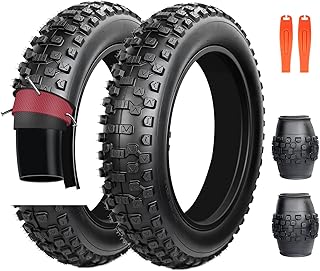


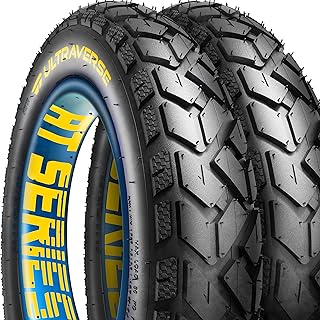

Manufacturing Defects: Flaws in the tire's construction, such as weak spots or poor quality materials, can cause premature flats
Manufacturing defects are a significant contributor to premature tire flats. These defects can manifest as weak spots in the tire's structure, often due to inconsistencies in the rubber compounding or the tire's internal framework. For instance, if the steel belts or fabric layers within the tire are not properly aligned or are damaged during the manufacturing process, this can create areas of vulnerability that are more susceptible to punctures or blowouts.
Poor quality materials can also lead to tire failures. Inferior rubber compounds may not have the necessary elasticity and strength to withstand the stresses of riding, leading to cracks and splits that allow air to escape. Additionally, the use of low-grade valves or valve stems can result in leaks, as these components may not seal properly or may be more prone to damage.
To mitigate the risk of manufacturing defects causing tire flats, cyclists should inspect their tires regularly for any signs of damage or wear. This includes checking for cuts, abrasions, or bulges in the tire's sidewall, as well as ensuring that the valve stem is securely fastened and free of corrosion. It's also advisable to choose tires from reputable manufacturers that have a proven track record of quality and reliability.
In some cases, manufacturing defects may not be immediately apparent, and tires may appear to be in good condition until they fail under normal riding conditions. For this reason, it's essential for cyclists to be aware of their tire's performance and to report any issues, such as repeated punctures or unexplained losses of air pressure, to the manufacturer or a professional bike mechanic. By doing so, they can help to identify and address potential manufacturing defects before they lead to more serious problems.
Ultimately, while manufacturing defects are a common cause of tire flats, they can be minimized through careful selection, regular inspection, and prompt reporting of any issues. By taking these steps, cyclists can help to ensure that their tires remain safe and reliable, reducing the risk of premature flats and the associated inconveniences and dangers.
Understanding Bike Tire Sizes: A Comprehensive Guide for Cyclists
You may want to see also
Frequently asked questions
The most common causes of bike tire punctures include sharp objects like nails, glass, or thorns on the road, improper tire inflation, tire wear and tear, and damage to the tire's sidewall.
To prevent bike tires from going flat, regularly check and maintain proper tire inflation, inspect your tires for signs of wear or damage, avoid riding over sharp objects, and consider using puncture-resistant tires or tire liners.
If you get a flat tire while riding, safely pull over to the side of the road, remove the wheel, and replace the inner tube or patch the puncture if you have the necessary tools and skills. If not, call for assistance or walk your bike to the nearest repair shop.
Yes, you can use a car tire pump to inflate your bike tires, but be sure to use the correct valve adapter and avoid overinflating the tires, as this can cause damage.
Yes, tubeless bike tires offer several benefits, including reduced risk of punctures, improved traction, and lower rolling resistance. They also allow for easier tire changes and can be more durable than traditional inner tube tires.