Megan Blake
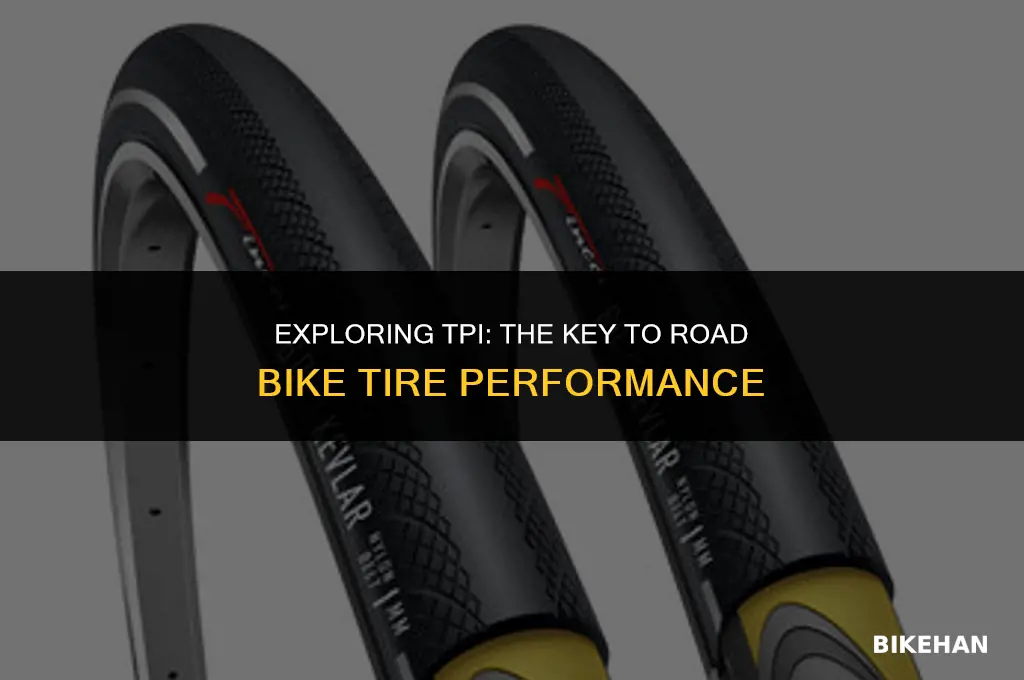
TPI, or Threads Per Inch, is a crucial specification for road bike tires, indicating the density of the tire's casing. A higher TPI generally means a smoother ride and better handling, as the tire can better conform to the road surface. However, higher TPI tires may also be more susceptible to punctures and wear out faster. Understanding TPI is essential for cyclists looking to optimize their ride quality and tire durability.
Explore related products


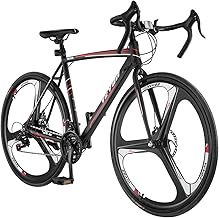
What You'll Learn
- TPI Definition: Explains what TPI stands for and its significance in road bike tires
- TPI Range: Discusses the typical range of TPI found in road bike tires and its implications
- TPI vs. Tire Durability: Examines the relationship between TPI and the durability of road bike tires
- TPI vs. Tire Weight: Analyzes how TPI affects the weight of road bike tires
- Choosing the Right TPI: Provides guidance on selecting the appropriate TPI for different road biking needs

TPI Definition: Explains what TPI stands for and its significance in road bike tires
TPI stands for "Threads Per Inch," a critical measurement in the construction of road bike tires. This metric indicates the number of threads woven into one inch of the tire's fabric, which significantly impacts the tire's performance, durability, and ride quality.
In the context of road bike tires, a higher TPI generally means a smoother and more supple ride. This is because tires with a higher thread count can better conform to the road surface, providing improved traction and a more comfortable experience for the cyclist. For instance, a tire with 120 TPI will typically offer a smoother ride compared to one with 60 TPI, as the higher thread density allows for greater flexibility and shock absorption.
However, there's a trade-off between TPI and durability. Tires with a higher TPI tend to be more prone to punctures and wear out faster than those with a lower TPI. This is because the thinner threads are more susceptible to damage from sharp objects and the stresses of regular use. As a result, cyclists must balance their desire for a smooth ride with the need for a durable tire that can withstand the rigors of their riding style and the conditions they encounter.
Manufacturers often use TPI as a way to differentiate their products and cater to different segments of the cycling market. For example, high-end racing tires may boast TPI counts of 120 or even 150, designed for cyclists who prioritize performance and are willing to sacrifice some durability. On the other hand, more utilitarian tires aimed at casual riders or those who prioritize longevity may have TPI counts of 60 or 80.
In conclusion, understanding TPI is essential for cyclists looking to choose the right tires for their needs. By considering factors such as riding style, road conditions, and personal preferences, cyclists can select tires with an appropriate TPI that will provide the desired balance of performance and durability.
Exploring the Unique Purpose and Benefits of Tiny Bike Tires
You may want to see also
Explore related products


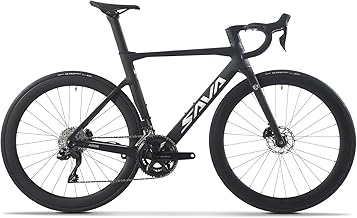
TPI Range: Discusses the typical range of TPI found in road bike tires and its implications
The typical range of TPI (Threads Per Inch) found in road bike tires varies significantly, usually falling between 120 and 240 TPI. This range is crucial as it directly impacts the tire's performance characteristics, such as rolling resistance, grip, and durability. Higher TPI counts generally result in a smoother ride and better handling due to the increased contact patch with the road, but they can also make the tire more susceptible to punctures and wear out faster. Conversely, lower TPI counts offer greater durability and puncture resistance but may compromise on grip and rolling efficiency.
When selecting a tire within this TPI range, cyclists must consider their specific needs and riding conditions. For instance, competitive road cyclists who prioritize speed and handling may opt for tires on the higher end of the TPI spectrum, while long-distance touring cyclists might prefer lower TPI options for their enhanced durability. Additionally, the type of terrain and weather conditions can influence the ideal TPI choice. Rough or debris-laden roads may warrant a lower TPI for added puncture protection, whereas smooth, paved surfaces can accommodate higher TPI tires for improved performance.
Manufacturers often provide TPI information on tire packaging or in product specifications, allowing cyclists to make informed decisions based on their requirements. It's also worth noting that some high-end road bike tires may feature variable TPI designs, where different sections of the tire have different thread counts to optimize performance, durability, and weight. Understanding the TPI range and its implications is essential for cyclists looking to maximize their riding experience and ensure their tires are well-suited to their specific needs and conditions.
Exploring TPI Bike Tires: Your Guide to Puncture-Proof Cycling
You may want to see also
Explore related products


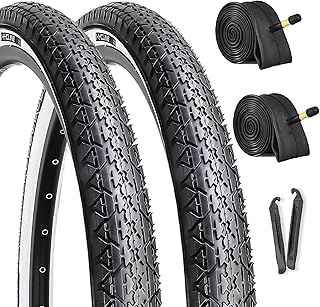
TPI vs. Tire Durability: Examines the relationship between TPI and the durability of road bike tires
The relationship between TPI (Threads Per Inch) and tire durability is a critical consideration for road cyclists. Higher TPI generally indicates a thinner, more supple tire that can offer better handling and reduced rolling resistance. However, this comes at the cost of reduced durability. Thinner tires are more susceptible to punctures and sidewall cuts, especially when ridden on rough surfaces or debris-laden roads.
Conversely, tires with a lower TPI are thicker and more robust, providing increased durability and puncture resistance. These tires are better suited for long-distance touring or riding in conditions where road quality is poor. However, they may not offer the same level of performance in terms of handling and speed as their higher TPI counterparts.
When choosing the right TPI for your road bike tires, it's essential to consider your riding style, the conditions you'll be riding in, and your priorities in terms of performance and durability. For example, if you're a competitive cyclist who values speed and handling above all else, you may opt for a higher TPI tire. On the other hand, if you're a long-distance touring cyclist who needs reliable, durable tires that can withstand rough conditions, a lower TPI tire may be more appropriate.
It's also worth noting that tire durability can be influenced by other factors, such as the type of rubber used, the tire's construction, and the rider's weight and riding habits. Proper tire maintenance, including regular inspections and inflation to the recommended pressure, can also help extend the life of your tires.
In conclusion, while TPI is an important factor to consider when choosing road bike tires, it's not the only factor that affects durability. By understanding the relationship between TPI and tire durability, and by considering other factors that influence tire performance, cyclists can make informed decisions about the best tires for their needs.
Exploring the Largest Fat Bike Tires: A Comprehensive Guide
You may want to see also
Explore related products

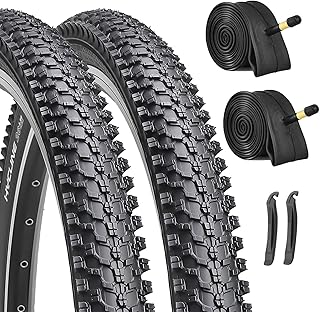


TPI vs. Tire Weight: Analyzes how TPI affects the weight of road bike tires
The relationship between TPI (Threads Per Inch) and tire weight is a critical consideration for road cyclists looking to optimize their bike's performance. Higher TPI tires generally have a lower weight due to the thinner threads used in their construction. This reduction in weight can lead to improved acceleration and climbing efficiency, as less energy is required to propel the bike forward. However, it's essential to note that while weight is a significant factor, it's not the only consideration when choosing road bike tires. Other factors such as puncture resistance, grip, and durability also play crucial roles in determining the overall performance and suitability of a tire for specific riding conditions.
When analyzing the impact of TPI on tire weight, it's important to understand that tire manufacturers often use different materials and construction techniques to achieve varying levels of performance. For instance, some high-TPI tires may incorporate lightweight materials like Kevlar or carbon fiber to further reduce weight without compromising strength. Conversely, lower TPI tires might be designed with more robust materials to enhance durability and puncture resistance, albeit at the cost of increased weight. Therefore, cyclists must carefully balance their need for a lightweight tire with other performance characteristics that align with their riding style and preferences.
In addition to the direct impact on weight, TPI can also influence the rolling resistance of a tire. Higher TPI tires typically have a smoother tread pattern, which can lead to lower rolling resistance and improved efficiency on paved surfaces. This advantage is particularly pronounced during long rides or races where minimizing energy expenditure is crucial. On the other hand, lower TPI tires with more aggressive tread patterns may offer better grip and traction in wet or slippery conditions, but at the expense of increased rolling resistance and weight.
To illustrate the practical implications of TPI on tire weight, consider the following scenario: A cyclist is preparing for a hilly road race and is looking to optimize their bike's performance. They currently use 120 TPI tires, which weigh approximately 200 grams each. By switching to 150 TPI tires, they could potentially reduce the weight of each tire by around 20-30 grams, leading to a total weight savings of 40-60 grams for the pair. While this may seem like a marginal improvement, the cumulative effect over the course of a race can be significant, especially when combined with other weight-saving measures.
In conclusion, the relationship between TPI and tire weight is a complex one that involves careful consideration of various performance factors. While higher TPI tires generally offer lower weight and improved efficiency, they may also compromise on durability and puncture resistance. Cyclists must therefore weigh the pros and cons of different TPI options to find the optimal balance for their specific needs and riding conditions. By understanding the nuances of TPI and its impact on tire weight, cyclists can make informed decisions that enhance their overall riding experience and performance.
Understanding Bike Tire Sizes: A Guide to 700c x 40 Width
You may want to see also
Explore related products


Choosing the Right TPI: Provides guidance on selecting the appropriate TPI for different road biking needs
Selecting the appropriate TPI (Threads Per Inch) for road bike tires is crucial for optimizing performance, comfort, and safety. The TPI value indicates the density of the tire's casing, which affects various aspects of the tire's behavior on the road. For instance, a higher TPI usually results in a smoother ride and better puncture resistance, while a lower TPI can offer increased flexibility and grip. When choosing the right TPI, consider the type of road biking you'll be doing most frequently.
For long-distance touring or commuting, where comfort and durability are paramount, a higher TPI (around 120-180) is recommended. These tires will provide a smoother ride over rough surfaces and are less likely to puncture. On the other hand, for competitive road racing or time trials, where speed and aerodynamics are critical, a lower TPI (around 60-100) might be preferable. These tires offer better grip and handling at high speeds, although they may be more susceptible to punctures.
Another factor to consider is the road conditions you'll be riding on. If you frequently ride on rough, debris-laden roads, a higher TPI will provide better protection against punctures. Conversely, if you ride mainly on smooth, well-maintained roads, a lower TPI can offer improved grip and handling. Additionally, the weight of the rider and the bike should be taken into account, as heavier loads may require a higher TPI for adequate support and durability.
It's also important to note that the TPI value is not the only factor affecting tire performance. Other aspects, such as tire width, compound, and tread pattern, also play significant roles. Therefore, when choosing the right TPI, it's essential to consider the overall tire design and how it aligns with your specific road biking needs. By carefully selecting the appropriate TPI, you can enhance your riding experience, improve safety, and optimize performance on the road.
Exploring the Purpose and Appeal of Fat-Tired Bikes: A Comprehensive Guide
You may want to see also
Frequently asked questions
TPI stands for "Threads Per Inch," which is a measure of the density of the tire's casing.
A higher TPI usually results in a smoother ride and better puncture resistance, while a lower TPI can offer more flexibility and a softer feel.
Road bike tires typically range from 60 TPI to 120 TPI, with some high-performance tires reaching up to 220 TPI or more.
High TPI tires can be stiffer, which may result in a harsher ride on rough surfaces. They can also be more expensive and heavier than lower TPI tires.
The TPI of your road bike tires is usually printed on the tire's sidewall. If it's not visible, you can check the manufacturer's specifications or contact them directly for the information.