Lauren Kennedy
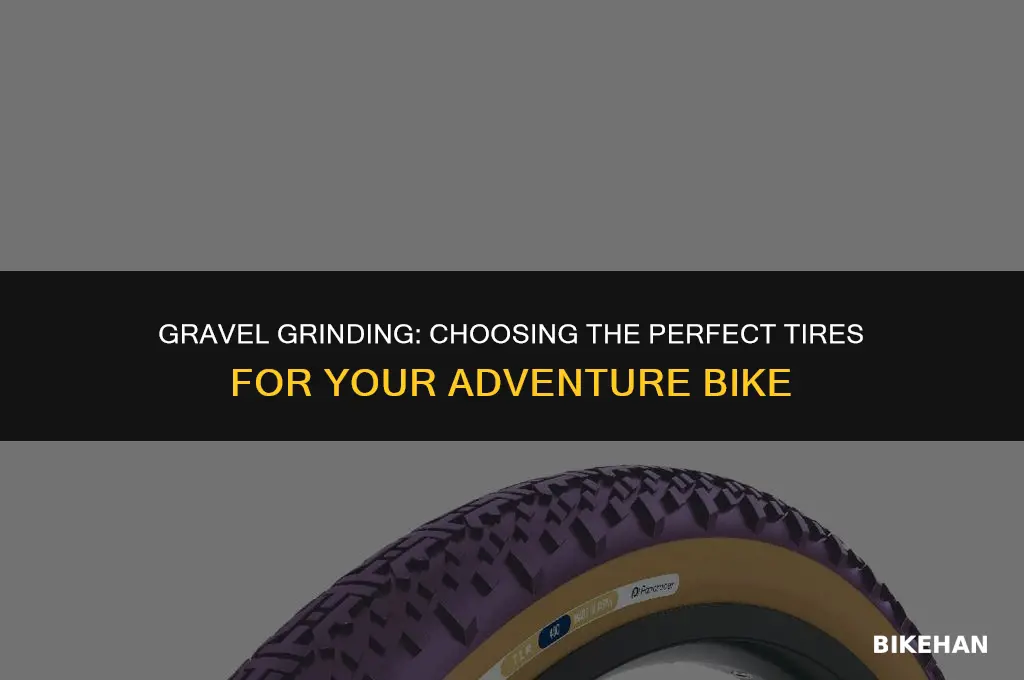
When venturing into the world of gravel biking, one of the most crucial considerations is the type of tires you need. Gravel bikes are designed to handle a variety of terrains, from smooth roads to rugged off-road trails. The right tires can significantly impact your ride's comfort, speed, and safety. For gravel biking, you'll want tires that offer a balance of traction, durability, and rolling resistance. Typically, these tires will have a wider profile than road bike tires, with a tread pattern that provides grip on loose surfaces like gravel and dirt. Look for tires specifically labeled as gravel or all-terrain to ensure they're suitable for your bike and riding conditions.
Explore related products


What You'll Learn
- Tire Width and Tread Pattern: Optimal width and tread design for gravel surfaces
- Tubeless vs. Tubed Tires: Advantages and disadvantages of each type for gravel biking
- Tire Compound: Best rubber compounds for durability and grip on loose surfaces
- Pressure Recommendations: Ideal tire pressure for comfort and performance on gravel
- Popular Brands and Models: Top-rated tires for gravel bikes, including brand suggestions

Tire Width and Tread Pattern: Optimal width and tread design for gravel surfaces
For gravel biking, tire width and tread pattern are crucial factors that affect performance and safety. Wider tires provide better stability and traction on loose surfaces, but they can also increase rolling resistance and weight. A good starting point for gravel tire width is between 35-45mm, which offers a balance between speed and control. However, for more challenging terrain or when carrying heavy loads, wider tires up to 50mm may be necessary.
Tread pattern is equally important, as it determines how well the tire grips the surface and sheds debris. Look for tires with a knobby tread pattern, which provides better traction on loose gravel and dirt. The knobs should be spaced widely enough to prevent clogging with small stones and mud. Some tires also feature a "file tread" pattern, which has small, closely spaced knobs that provide a smoother ride on paved surfaces but may not be as effective on loose gravel.
When choosing a tire for gravel biking, it's essential to consider the type of terrain you'll be riding on. For example, if you'll be riding on a mix of gravel and pavement, a tire with a more rounded tread pattern may be a better choice. However, if you'll be riding on loose, rocky terrain, a tire with a more aggressive tread pattern will provide better traction and control.
Another factor to consider is tire pressure. Lower tire pressure can improve traction on loose surfaces, but it can also increase the risk of punctures and make the bike more difficult to pedal. A good starting point for gravel tire pressure is between 30-40psi, but you may need to adjust this based on your weight, the terrain, and your personal riding style.
In conclusion, choosing the right tire width and tread pattern for gravel biking requires careful consideration of the terrain, your riding style, and your bike's capabilities. By selecting the optimal tire for your needs, you can improve your performance, safety, and overall enjoyment of the ride.
Exploring the Limits: The Quest for the Thinnest CC Bike Tire
You may want to see also
Explore related products


Tubeless vs. Tubed Tires: Advantages and disadvantages of each type for gravel biking
Tubeless tires have gained popularity among gravel bikers due to their ability to run at lower pressures, which provides better traction and a smoother ride over rough terrain. One of the main advantages of tubeless tires is their reduced risk of punctures, as there is no inner tube to be damaged by sharp objects. Additionally, tubeless tires can be more aerodynamic and lightweight compared to their tubed counterparts, which can improve overall bike performance.
However, tubeless tires also come with some disadvantages. They can be more difficult and time-consuming to install and remove, especially for those who are not familiar with the process. Furthermore, tubeless tires may not be compatible with all rims, requiring riders to upgrade their wheelset if they want to make the switch. In the event of a puncture, tubeless tires can be more challenging to repair on the go, as the sealant used to prevent leaks may not be effective against larger punctures.
On the other hand, tubed tires are a more traditional option that many gravel bikers still prefer. They are generally easier to install and remove, and they can be repaired more quickly in the event of a puncture. Tubed tires are also more widely compatible with different rims, making them a more accessible option for riders who do not want to invest in new wheels.
Despite these advantages, tubed tires do have some drawbacks. They are more prone to punctures than tubeless tires, and they may not provide the same level of traction and comfort at lower pressures. Additionally, tubed tires can be heavier and less aerodynamic than tubeless tires, which can negatively impact bike performance.
Ultimately, the choice between tubeless and tubed tires for gravel biking comes down to personal preference and riding conditions. Riders who prioritize traction, comfort, and puncture resistance may prefer tubeless tires, while those who value ease of use and compatibility may opt for tubed tires. It is important for gravel bikers to consider their specific needs and riding style when choosing the right type of tire for their bike.
Inflating Knowledge: Understanding the Pressure Within Your Bike Tires
You may want to see also
Explore related products


Tire Compound: Best rubber compounds for durability and grip on loose surfaces
The optimal tire compound for gravel biking on loose surfaces is one that balances durability with grip. A harder compound will generally be more durable, resisting cuts and abrasions from sharp rocks and debris, but it may sacrifice some grip on loose or slippery surfaces. Conversely, a softer compound will offer better grip but may wear out more quickly.
One of the best compounds for this type of riding is a dual-compound tire, which features a harder rubber on the sides and a softer rubber in the center. This design provides the best of both worlds: the harder sidewalls protect against punctures and side cuts, while the softer center offers improved traction on loose surfaces.
Another option to consider is a tire with a high-density, tightly woven casing. This type of construction can help prevent punctures and improve overall durability, even with a softer compound. Additionally, some tires feature a "puncture protection" layer, which can further enhance durability without significantly affecting grip.
When choosing a tire compound, it's also important to consider the specific conditions you'll be riding in. For example, if you frequently ride in wet or muddy conditions, a tire with a more aggressive tread pattern and a softer compound may be necessary to maintain adequate grip.
Ultimately, the best tire compound for durability and grip on loose surfaces will depend on your individual riding style and preferences. Experimenting with different compounds and tread patterns can help you find the perfect balance for your gravel biking needs.
Inflate Your Ride: The Ultimate Guide to Road Bike Tire Tips
You may want to see also
Explore related products


Pressure Recommendations: Ideal tire pressure for comfort and performance on gravel
Determining the ideal tire pressure for gravel biking is crucial for both comfort and performance. Too high a pressure can make the ride harsh and unforgiving, while too low can lead to sluggish handling and increased risk of punctures. The sweet spot varies depending on several factors, including rider weight, bike load, and the specific characteristics of the gravel terrain.
A good starting point is to refer to the manufacturer’s recommendations, which are usually printed on the tire sidewall. These guidelines provide a baseline pressure range that balances comfort and efficiency for the average rider. However, for more precise tuning, it’s beneficial to experiment with different pressures. Start by inflating the tires to the upper end of the recommended range and then gradually decrease the pressure, noting how the bike’s handling and your comfort level change.
For lighter riders or those carrying minimal gear, lower pressures can enhance traction and provide a smoother ride over rough gravel. Conversely, heavier riders or those with loaded bikes may need higher pressures to prevent the tires from bottoming out and to maintain efficient rolling resistance. It’s also important to consider the type of gravel you’ll be riding on. Larger, looser gravel may require lower pressures for better grip, while smaller, more compacted gravel can handle higher pressures without sacrificing comfort.
In addition to these factors, the ambient temperature can affect tire pressure. As temperatures rise, tire pressure increases, and vice versa. Therefore, it’s essential to check and adjust tire pressure regularly, especially if you’re riding in varying weather conditions. Using a reliable tire pressure gauge and keeping a small pump or CO2 inflator on hand can make this process more convenient.
Ultimately, the ideal tire pressure for gravel biking is a personal preference that requires some trial and error. By considering your specific needs and the conditions you’ll be riding in, you can fine-tune your tire pressure to achieve the perfect balance of comfort and performance on gravel roads.
Choosing the Right Bike Tire Tube: A Comprehensive Guide
You may want to see also
Explore related products
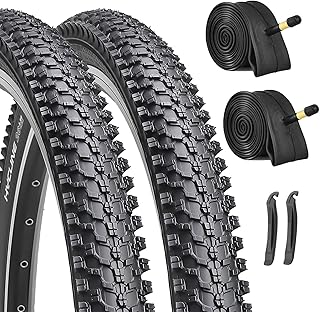


Popular Brands and Models: Top-rated tires for gravel bikes, including brand suggestions
When selecting tires for a gravel bike, it's crucial to consider the specific demands of off-road cycling. The ideal tire should offer a balance of traction, durability, and rolling resistance to handle the varied terrain encountered on gravel rides. One popular brand that excels in this category is Schwalbe. Their G-One Allround tire is a top choice among gravel cyclists, featuring a versatile tread pattern that provides excellent grip on loose surfaces while still maintaining a smooth ride on paved sections.
Another highly regarded option is the Vittoria Terreno Dry tire. This model is designed with a focus on dry conditions, offering a fast-rolling tread pattern that doesn't compromise on traction. The Terreno Dry is known for its durability and ability to withstand the rigors of long-distance gravel rides.
For those seeking a more aggressive tread pattern, the WTB Sendero tire is a standout choice. This tire is specifically designed for loose and rocky terrain, providing the necessary grip and stability for challenging off-road conditions. The Sendero's large, widely spaced knobs help to shed mud and debris, ensuring consistent performance throughout the ride.
When considering tire models, it's also important to think about the specific needs of the rider. For example, if a cyclist frequently encounters wet and muddy conditions, a tire with a more pronounced tread pattern, such as the Schwalbe G-One Mud, may be a better option. This tire is designed to excel in wet conditions, offering superior traction and mud-shedding capabilities.
Ultimately, the best tire for a gravel bike will depend on the individual rider's preferences and the specific terrain they plan to tackle. By considering factors such as tread pattern, durability, and rolling resistance, cyclists can choose a tire that will enhance their off-road riding experience and provide the necessary performance for a variety of conditions.
Revolutionizing Rides: The Iconic Kids' Bike with the Big Rear Tire
You may want to see also
Frequently asked questions
The ideal tire width for a gravel bike typically ranges from 35mm to 45mm. Wider tires offer better traction and comfort on rough surfaces, while narrower tires are faster and more efficient on smoother terrain.
Tubeless tires are generally preferred for gravel biking as they offer better puncture resistance and can run at lower pressures, providing improved traction and comfort. However, they can be more challenging to install and may require a tubeless-ready rim.
A tread pattern with a mix of larger knobs on the sides and smaller knobs in the center is ideal for gravel biking. This combination provides good grip on loose surfaces while still allowing for efficient rolling on harder terrain.