Megan Blake
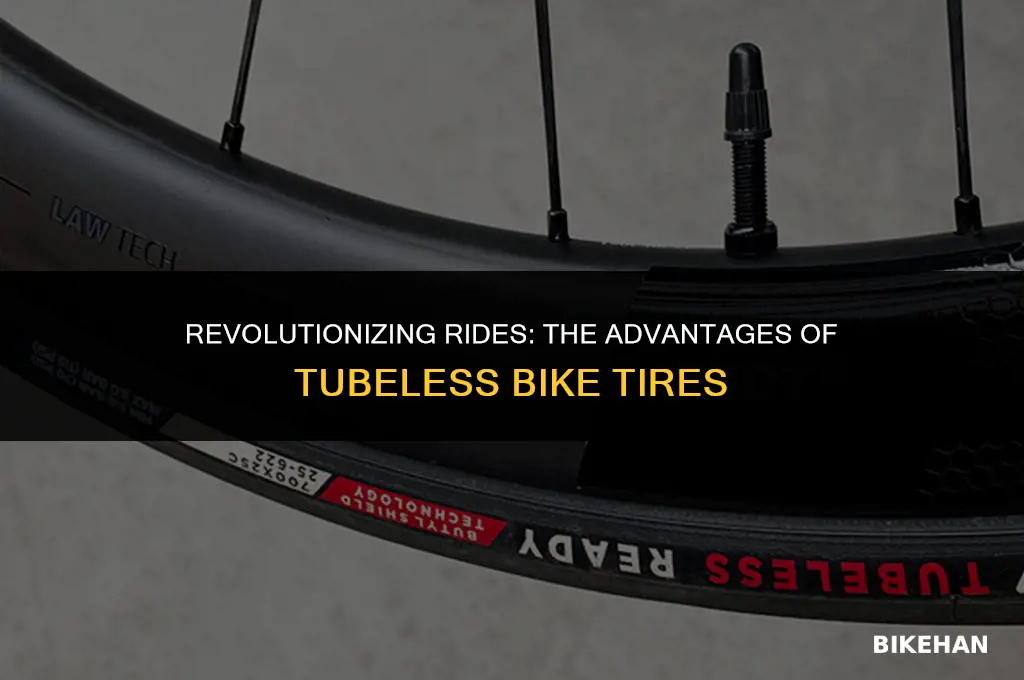
Tubeless bike tires have revolutionized the cycling industry with their innovative design and performance benefits. Unlike traditional inner tube tires, tubeless tires do not require an inner tube; instead, they rely on a tight seal between the tire and the rim. This seal is achieved through a combination of airtight rim tape, valve stems with integrated seals, and tires designed with a liquid sealant that fills any small punctures. The absence of an inner tube reduces the risk of pinch flats and allows for lower tire pressures, which can improve traction and comfort. Additionally, tubeless tires often provide a smoother ride due to the reduced rolling resistance and the ability to run lower pressures without the fear of punctures.
Explore related products


What You'll Learn
- Air Retention: Tubeless tires hold air better due to a tighter seal with the rim
- Puncture Resistance: They often have stronger sidewalls and additional layers to prevent punctures
- Rim Compatibility: Require specific rims with a smooth, flat surface for proper sealing
- Installation Process: More challenging to install compared to tubed tires, needing a good seal
- Performance Benefits: Offer improved rolling resistance and a smoother ride due to less friction

Air Retention: Tubeless tires hold air better due to a tighter seal with the rim
Tubeless tires have revolutionized the cycling world with their numerous advantages over traditional tubed tires. One of the key benefits that make tubeless tires stand out is their superior air retention capability. This is primarily due to the tighter seal they form with the rim, which minimizes air leakage and ensures that the tires remain inflated for longer periods.
The tighter seal is achieved through a combination of factors. Firstly, tubeless tires use a bead that is designed to fit snugly into the rim's groove, creating a secure and airtight connection. This bead is typically made of a more rigid material than the sidewalls of the tire, which helps to maintain the tire's shape and prevent it from collapsing under pressure. Secondly, the rim itself plays a crucial role in the sealing process. Tubeless-ready rims have a smooth, even surface that allows the tire bead to seat properly and form a tight seal. Additionally, these rims often feature a slight inward curve at the bead seat, which helps to trap the bead in place and prevent it from slipping or moving, further enhancing the seal.
Another factor that contributes to the improved air retention of tubeless tires is the use of a sealant. This sealant is applied to the inside of the tire and coats the bead and sidewalls, filling any small gaps or imperfections that could potentially allow air to escape. The sealant is typically made of a latex-based compound that is compatible with the materials used in tubeless tires. It is designed to be flexible and durable, allowing it to withstand the stresses of riding while maintaining its sealing properties.
In practice, the improved air retention of tubeless tires means that cyclists can go for longer rides without worrying about their tires losing air. This is particularly beneficial for long-distance touring or mountain biking, where access to air pumps or repair facilities may be limited. Additionally, the reduced need for frequent inflation can help to extend the life of the tire, as over-inflation can cause the sidewalls to become brittle and more prone to damage.
Overall, the superior air retention of tubeless tires is a significant advantage that makes them an attractive option for many cyclists. By combining a tighter seal with the rim, the use of a sealant, and a more robust tire design, tubeless tires offer a reliable and low-maintenance solution for riders who demand the best performance from their equipment.
Optimal Tire Pressure for Street Bikes: A Comprehensive Guide
You may want to see also
Explore related products


Puncture Resistance: They often have stronger sidewalls and additional layers to prevent punctures
Tubeless bike tires are engineered with a focus on puncture resistance, a critical feature for cyclists who demand durability and reliability from their equipment. This is achieved through several design elements that collectively enhance the tire's ability to withstand punctures. Firstly, the sidewalls of tubeless tires are typically reinforced with stronger materials and additional layers. These layers act as a protective barrier, distributing the force of impacts and reducing the likelihood of a puncture. The added strength does not compromise the tire's flexibility, ensuring that it can still conform to the road surface for optimal grip and handling.
In addition to reinforced sidewalls, tubeless tires often incorporate a puncture-resistant layer within the tire's structure. This layer, usually made from a tough, flexible material such as Kevlar or nylon, provides an extra line of defense against sharp objects and rough terrain. The layer is strategically placed to cover the most vulnerable areas of the tire, such as the tread and sidewalls, without adding significant weight or affecting the tire's overall performance.
Another key aspect of puncture resistance in tubeless tires is the use of advanced sealing technologies. These technologies involve the application of a sealant within the tire's inner chamber, which quickly and effectively seals small punctures as they occur. The sealant is designed to be compatible with the tire's materials and can be easily replenished or replaced as needed. This ensures that even if a puncture does occur, it is unlikely to result in a flat tire, allowing the cyclist to continue riding with minimal disruption.
The combination of these design features results in a tire that is significantly more resistant to punctures than traditional tubed tires. This not only improves the overall reliability of the bike but also reduces the need for frequent tire changes and repairs, saving time and money for the cyclist. Furthermore, the enhanced puncture resistance of tubeless tires contributes to a smoother and more comfortable ride, as the risk of sudden punctures and the associated jolts and vibrations is greatly reduced.
In conclusion, the puncture resistance of tubeless bike tires is a multifaceted feature that involves the use of stronger sidewalls, additional protective layers, and advanced sealing technologies. These elements work together to create a tire that is highly durable and reliable, providing cyclists with the confidence and peace of mind to tackle a variety of terrains and conditions without the fear of frequent punctures.
Decoding Bike Tire Measurements: Understanding the Second Number
You may want to see also
Explore related products




Rim Compatibility: Require specific rims with a smooth, flat surface for proper sealing
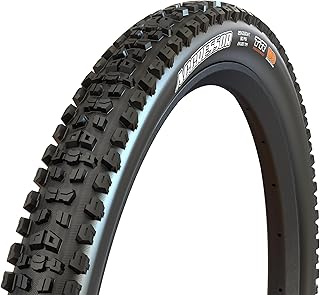
For bike tires to function as tubeless, the rims must meet specific compatibility requirements. This is because tubeless tires rely on a tight seal with the rim to maintain air pressure, and not all rims are designed to provide this seal. Rims intended for tubeless tires have a smooth, flat surface that allows the tire's bead to seat securely and create an airtight seal. This design is crucial for the tubeless system to work effectively, as any imperfections or irregularities in the rim surface can lead to air leaks.
When selecting rims for tubeless tires, it's important to ensure that they are specifically labeled as tubeless-compatible. This label indicates that the rims have been designed and manufactured to meet the necessary standards for tubeless tire installation. Using rims that are not tubeless-compatible can result in poor sealing, frequent air leaks, and potentially dangerous riding conditions.
In addition to the rim surface, the rim width also plays a role in tubeless tire compatibility. Wider rims provide a larger contact area for the tire's bead, which can improve the seal and reduce the risk of air leaks. However, it's essential to match the rim width to the tire's recommended width range to ensure proper fit and performance.
Installing tubeless tires on compatible rims requires a specific process to ensure a secure seal. The tire's bead must be carefully seated onto the rim's bead seat, and the tire must be inflated to the recommended pressure before the bead is fully seated. This process helps to create a tight seal between the tire and rim, preventing air from escaping.
Overall, rim compatibility is a critical factor in the performance and reliability of tubeless bike tires. By selecting the right rims and following proper installation procedures, cyclists can enjoy the benefits of tubeless technology, including reduced risk of punctures, improved rolling resistance, and a smoother ride.
Choosing the Perfect Bike Tire: A Comprehensive Guide
You may want to see also
Explore related products


Installation Process: More challenging to install compared to tubed tires, needing a good seal
Installing tubeless bike tires can be a bit more challenging than traditional tubed tires, primarily because achieving a proper seal is crucial. The process begins with ensuring that the rim is compatible with tubeless tires, as not all rims are designed to accommodate them. Once compatibility is confirmed, the next step involves cleaning the rim thoroughly to remove any debris or old tire residue that could interfere with the seal.
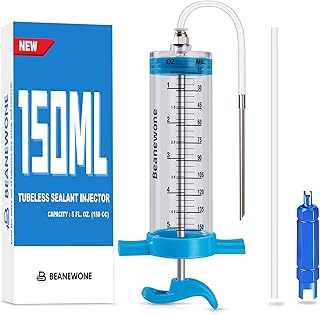
After cleaning, a layer of tubeless rim tape is applied to the rim's inner surface. This tape serves as a barrier to prevent air from escaping through the rim's holes. It's essential to apply the tape smoothly and without any wrinkles to ensure a tight seal. Following the tape application, a small amount of tubeless sealant is injected into the tire through the valve stem. This sealant coats the inside of the tire and helps to seal any small punctures or leaks that may occur during riding.
Next, the tire itself is mounted onto the rim. This can be a bit tricky, as tubeless tires tend to be more rigid and less forgiving than tubed tires. It's often necessary to use tire levers to pry the tire onto the rim, taking care not to pinch the inner tube or damage the rim. Once the tire is in place, the valve stem is inserted through the rim and secured with a nut.
Finally, the tire is inflated to the recommended pressure, and the sealant is allowed to circulate within the tire for a few minutes to ensure an even coating. It's important to check for any leaks or issues with the seal before taking the bike out for a ride. While the installation process for tubeless tires may require a bit more time and effort than traditional tubed tires, the benefits of improved puncture resistance and lower rolling resistance make it a worthwhile endeavor for many cyclists.
Understanding Bike Tire Widths: A Guide to 28mm Tires
You may want to see also
Explore related products


Performance Benefits: Offer improved rolling resistance and a smoother ride due to less friction
Tubeless bike tires offer several performance benefits that can enhance your cycling experience. One of the key advantages is improved rolling resistance. Unlike traditional tubed tires, tubeless tires have a more flexible sidewall that allows them to better conform to the road surface. This results in less friction between the tire and the road, which in turn reduces the energy required to propel the bike forward. This can lead to increased speed and efficiency, especially over longer distances.
Another benefit of tubeless tires is a smoother ride. The absence of a tube inside the tire allows for a more consistent and even distribution of pressure across the tire's contact patch. This helps to absorb road imperfections and vibrations more effectively, resulting in a more comfortable and controlled ride. Additionally, tubeless tires are less prone to punctures and flats, as there is no tube to be damaged by sharp objects or debris on the road.
Tubeless tires also offer better traction and cornering performance. The increased flexibility of the sidewall allows the tire to better grip the road surface, especially in wet or slippery conditions. This can lead to improved handling and stability, which is particularly important for cyclists who ride in challenging weather conditions or on winding roads.
Overall, the performance benefits of tubeless bike tires make them an attractive option for cyclists looking to improve their speed, comfort, and overall riding experience. By reducing rolling resistance and providing a smoother ride, tubeless tires can help you go faster and farther with less effort.
Optimizing Performance: Understanding Road Bike Tire PSI
You may want to see also
Frequently asked questions
A tubeless bike tire consists of a tire carcass, a bead, a sidewall, and a tread. The carcass is the main body of the tire, made from layers of fabric or steel cords. The bead is a wire or Kevlar loop that holds the tire onto the rim. The sidewall is the part of the tire that covers the bead and provides protection against punctures. The tread is the part of the tire that makes contact with the ground and provides traction.
A tubeless bike tire does not have an inner tube, which is a separate rubber bladder that holds air in a tubed tire. Instead, the tubeless tire is sealed to the rim using a special bead and sidewall construction. This eliminates the risk of punctures from sharp objects, as there is no inner tube to be punctured. Tubeless tires also tend to be lighter and more aerodynamic than tubed tires.
Tubeless bike tires offer several advantages over tubed tires. They are less prone to punctures, as there is no inner tube to be punctured. They are also lighter and more aerodynamic, which can improve performance. Additionally, tubeless tires can be run at lower pressures, which can provide better traction and comfort on rough terrain. Finally, tubeless tires are easier to install and remove, as there is no need to deal with an inner tube.