Eric Johnson
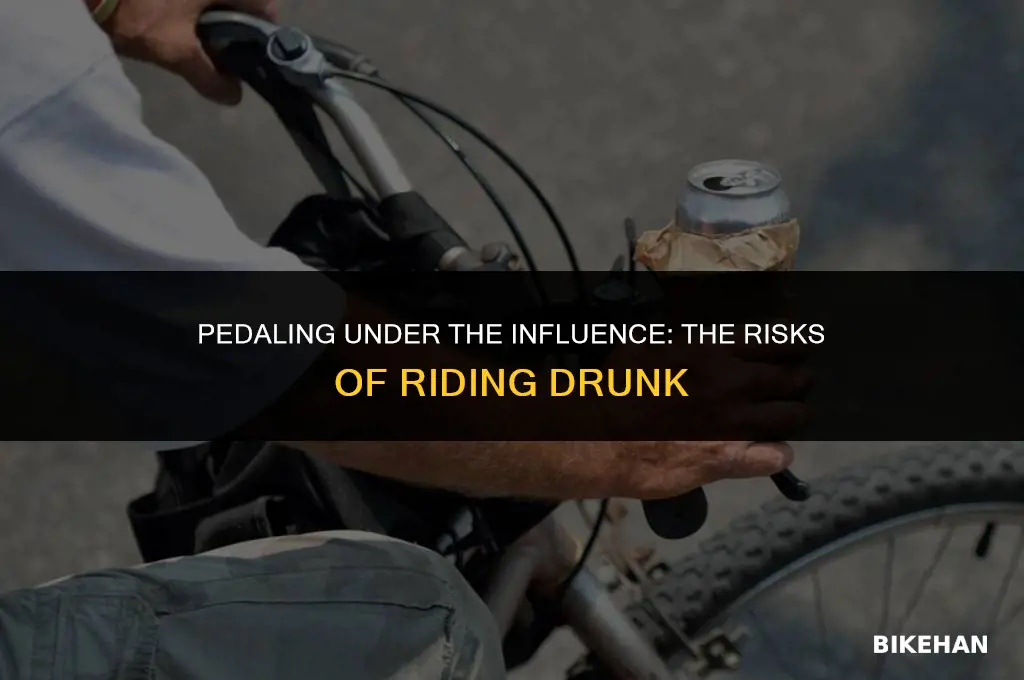
Riding a bike while intoxicated is a topic that raises significant safety concerns. Alcohol consumption can impair one's balance, coordination, and reaction time, all of which are crucial for safely operating a bicycle. In many jurisdictions, cycling under the influence of alcohol is illegal and can result in fines, penalties, or even arrest. Beyond the legal implications, the risk of accidents and injuries increases substantially when alcohol is involved. It's essential to prioritize safety and consider alternative transportation methods if you plan to consume alcohol.
Explore related products



What You'll Learn
- Legal Consequences: Riding a bike drunk may result in fines, penalties, or even license suspension
- Safety Risks: Intoxication impairs balance, coordination, and reaction time, increasing the likelihood of accidents
- Health Impact: Alcohol consumption can lead to dehydration, dizziness, and impaired judgment, affecting overall well-being
- Social Perception: Riding a bike drunk may be viewed as irresponsible and could damage one's reputation
- Alternatives: Consider using public transportation, ride-sharing services, or designating a sober friend to ensure safe travel

Legal Consequences: Riding a bike drunk may result in fines, penalties, or even license suspension
Riding a bike under the influence of alcohol can have serious legal repercussions. While many people may not consider biking drunk to be as severe as driving drunk, the law often views it similarly. In many jurisdictions, biking under the influence is a criminal offense that can result in fines, penalties, and even the suspension of one's driver's license.
The legal consequences vary depending on the location and the severity of the offense. For instance, in some states, a first-time offense might result in a fine of up to $500 and a mandatory alcohol education program. Repeat offenses can lead to higher fines, community service, and even jail time. Additionally, if a drunk biker causes an accident resulting in injury or property damage, they could face more severe charges, including assault or reckless endangerment.
One of the reasons for these strict penalties is the potential danger posed by drunk biking. Alcohol impairs judgment, coordination, and reaction time, making it significantly more likely for a biker to be involved in an accident. Furthermore, biking drunk can set a dangerous precedent, encouraging others to engage in similar risky behavior.
To avoid these legal consequences, it's crucial for individuals to plan ahead if they know they'll be consuming alcohol. This might include arranging for a designated driver, using public transportation, or staying overnight at the location of the event. Biking sober is always the safest and most responsible choice, not only to avoid legal trouble but also to ensure the safety of oneself and others on the road.
In conclusion, the legal consequences of riding a bike drunk are significant and should not be taken lightly. It's essential to be aware of the laws in your area and to make responsible choices when it comes to consuming alcohol and operating a bicycle.
Exploring Peloton Bike Usage Beyond Membership Constraints
You may want to see also
Explore related products


Safety Risks: Intoxication impairs balance, coordination, and reaction time, increasing the likelihood of accidents
Intoxication significantly compromises an individual's ability to operate a bicycle safely. The primary safety risks associated with riding a bike while drunk include impaired balance, reduced coordination, and slower reaction times. These factors collectively increase the likelihood of accidents, posing a danger not only to the intoxicated rider but also to other road users.
Balance is crucial for maintaining control of a bicycle, especially when navigating uneven surfaces or making turns. Intoxication affects the vestibular system, which is responsible for balance, leading to a higher risk of falls and collisions. Coordination is equally important, as it allows riders to steer, pedal, and brake in a synchronized manner. Alcohol impairs coordination by disrupting communication between the brain and muscles, making it difficult to perform these actions smoothly and effectively.
Reaction time is another critical factor in safe cycling. Intoxicated individuals have slower reaction times, which means they are less able to respond quickly to unexpected obstacles, changes in traffic, or other hazards. This delay in response can result in serious accidents, as the rider may not be able to avoid a collision in time.
To mitigate these risks, it is essential to avoid riding a bike while under the influence of alcohol. If cycling after consuming alcohol is unavoidable, it is crucial to take precautions such as wearing a helmet, using lights and reflectors for visibility, and riding at a slower pace to compensate for reduced reaction times. Additionally, riders should be aware of their surroundings and avoid distractions to minimize the risk of accidents.
In conclusion, the safety risks associated with riding a bike while drunk are significant and should not be underestimated. Impaired balance, coordination, and reaction time can lead to serious accidents, endangering both the rider and others on the road. It is always best to prioritize safety and avoid cycling under the influence of alcohol whenever possible.
Exploring Mission Ridge: A Mountain Biker's Guide to the Trails
You may want to see also
Explore related products


Health Impact: Alcohol consumption can lead to dehydration, dizziness, and impaired judgment, affecting overall well-being
Alcohol consumption has a profound impact on the body's hydration levels. When you drink alcohol, it acts as a diuretic, which means it increases the rate of urine production. This leads to a loss of fluids and electrolytes, causing dehydration. Dehydration can result in dizziness, fatigue, and headaches, all of which can significantly impair your ability to ride a bike safely.
Moreover, alcohol affects the inner ear, which is crucial for balance and spatial orientation. This can lead to vertigo and difficulty in maintaining balance while cycling. The cerebellum, responsible for coordinating voluntary movements, is also affected by alcohol, further impairing your ability to control your bike.
Impaired judgment is another critical factor to consider. Alcohol can reduce your reaction time and decision-making abilities, making it difficult to respond quickly to obstacles or changes in traffic. This can lead to accidents and injuries, not only to yourself but also to others on the road.
In addition to these immediate effects, chronic alcohol consumption can lead to long-term health problems, such as liver damage, heart disease, and neurological disorders. These conditions can further exacerbate the risks associated with cycling under the influence of alcohol.
It's essential to recognize the signs of intoxication and avoid cycling if you've consumed alcohol. Even small amounts can have a significant impact on your ability to ride safely. If you plan to drink, it's best to arrange alternative transportation methods, such as public transit, a taxi, or a designated driver.
In conclusion, the health impacts of alcohol consumption on cycling are severe and multifaceted. From dehydration and dizziness to impaired judgment and long-term health risks, it's crucial to prioritize safety and avoid cycling while under the influence of alcohol.
Moped in Bike Lane: Legalities and Safety Considerations
You may want to see also
Explore related products


Social Perception: Riding a bike drunk may be viewed as irresponsible and could damage one's reputation
Riding a bike under the influence of alcohol is not only a safety hazard but also carries significant social repercussions. The perception of such behavior can lead to a tarnished reputation and strained relationships within the community.
From a social standpoint, being seen or reported for riding a bike drunk can signal irresponsibility and a disregard for public safety. This can result in judgment from peers, family, and even employers, potentially affecting one's personal and professional life. The consequences may include social ostracization, loss of trust, and a damaged character assessment.
Moreover, the legal implications of riding a bike drunk can further exacerbate the social fallout. Depending on the jurisdiction, it may result in fines, community service, or even license suspension, all of which can be publicly recorded and accessed. Such legal actions can reinforce the negative perception and make it challenging to regain a positive standing in the community.
It's also important to consider the impact on others. Witnesses to the incident, especially children or impressionable individuals, may be influenced by the behavior, potentially leading to a ripple effect of negative social outcomes. The normalization of such behavior can contribute to a broader cultural acceptance of risky actions, undermining community safety and well-being.
In conclusion, the social perception of riding a bike drunk is one of irresponsibility and potential harm to one's reputation. The consequences extend beyond the individual, affecting the broader community and reinforcing the importance of responsible behavior in public spaces.
Exploring the Limits: Where Can You Ride Your Bike?
You may want to see also
Explore related products


Alternatives: Consider using public transportation, ride-sharing services, or designating a sober friend to ensure safe travel
If you find yourself in a situation where you've had too much to drink and need to get home safely, it's crucial to consider alternatives to riding your bike. Public transportation can be a lifesaving option in such scenarios. Most cities offer late-night bus or train services that can help you reach your destination without the risk of accidents or legal repercussions. Additionally, many public transit systems have apps that allow you to track your route and schedule, making it easier to plan your journey home.
Another viable alternative is using ride-sharing services like Uber or Lyft. These platforms provide a convenient and relatively affordable way to get home safely. When booking a ride, be sure to specify that you need a sober driver and consider sharing your location with a friend or family member for added safety. Keep in mind that while ride-sharing services can be a good option, they may not always be available in your area or may have surge pricing during peak hours.
Designating a sober friend to drive you home is perhaps the safest option of all. If you're planning to go out drinking, it's a good idea to arrange this in advance. Make sure your friend is aware of their responsibilities and is comfortable with the plan. You could also consider using a service that provides sober drivers, such as a designated driver company or a taxi service that specializes in sober transportation.
In all of these alternatives, it's important to plan ahead and be prepared. Save the relevant phone numbers or apps on your phone, and make sure you have a way to pay for your transportation. Remember, the goal is to get home safely and avoid putting yourself and others at risk. By considering these alternatives, you can make responsible choices and ensure a safe journey home.
Road Cycling with Track Bikes: A Comprehensive Guide
You may want to see also
Frequently asked questions
The legality of riding a bike while drunk varies by jurisdiction. In many places, it is illegal and can result in fines or other penalties.
No, it is not safe to ride a bike while drunk. Alcohol impairs your balance, coordination, and reaction time, increasing the risk of accidents.
Potential consequences include legal penalties, increased risk of accidents, injuries to yourself or others, and damage to your bike.
Alcohol affects your ability to ride a bike by impairing your balance, coordination, reaction time, and judgment, making it more difficult to control your bike and respond to obstacles.
If you've been drinking, consider alternatives such as taking a taxi, using a ride-sharing service, calling a friend or family member for a ride, or using public transportation to ensure your safety and the safety of others.