Matthew Brooks
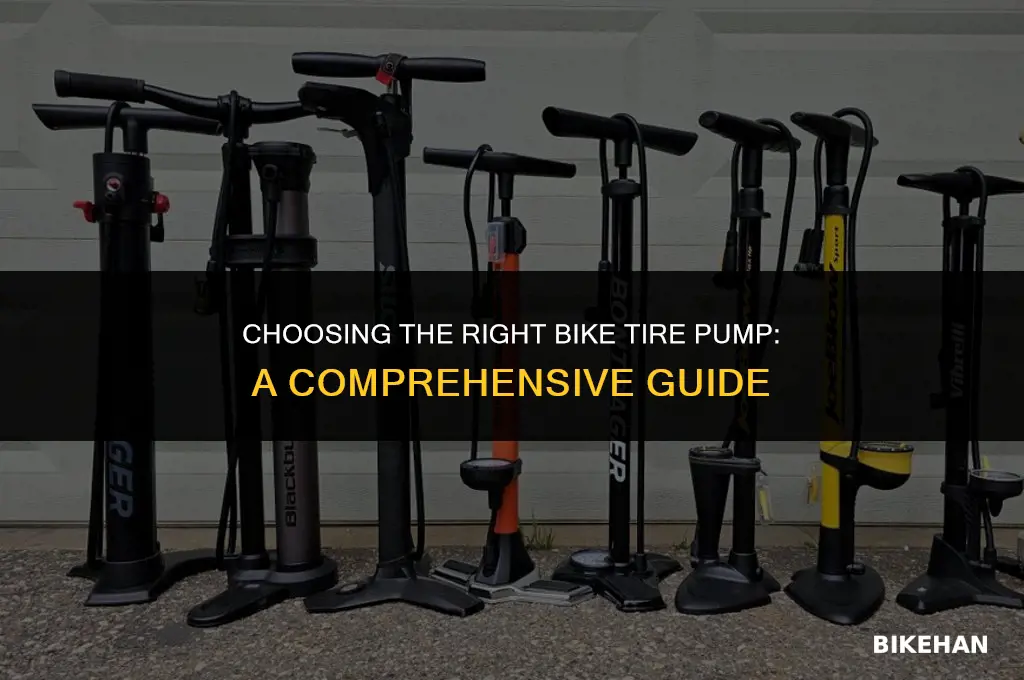
When it comes to maintaining your bicycle, having the right tire pump is essential. But with so many options available, it can be overwhelming to choose the perfect one. In this guide, we'll walk you through the different types of bike tire pumps, their features, and how to select the best one for your needs. Whether you're a casual rider or a professional cyclist, we've got you covered. So, let's dive in and explore the world of bike tire pumps together!
Explore related products



What You'll Learn
- Type of Pump: Floor pumps, hand pumps, CO2 inflators, and electric pumps are common types
- Compatibility: Ensure the pump's valve type (Presta, Schrader, or both) matches your bike tires
- Pressure Gauge: A built-in gauge helps to accurately measure and adjust tire pressure
- Portability: Consider a lightweight, compact pump for easy transport on rides
- Durability: Look for pumps made from sturdy materials like steel or aluminum for long-lasting use

Type of Pump: Floor pumps, hand pumps, CO2 inflators, and electric pumps are common types
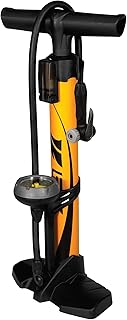
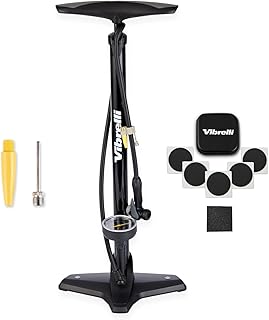
Floor pumps, hand pumps, CO2 inflators, and electric pumps are the most common types of bike tire pumps, each with its own unique advantages and disadvantages. Floor pumps, also known as track pumps, are the most traditional type of bike pump. They are characterized by their long, flexible hose and large, stable base. Floor pumps are ideal for inflating tires to high pressures, as they can deliver a large volume of air with each stroke. They are also relatively easy to use, making them a popular choice among cyclists of all skill levels.
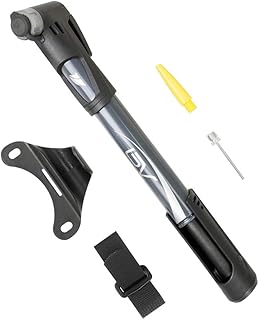
Hand pumps, on the other hand, are smaller and more portable than floor pumps. They are designed to be used while on the go, and can be easily attached to a bike frame or carried in a backpack. Hand pumps are typically less powerful than floor pumps, but they are still capable of inflating tires to a sufficient pressure for most cycling needs. CO2 inflators are a more modern type of bike pump that uses compressed carbon dioxide to inflate tires. They are extremely lightweight and compact, making them a popular choice among competitive cyclists who need to save every gram of weight. CO2 inflators are also very easy to use, as they typically require only a single push of a button to inflate a tire.
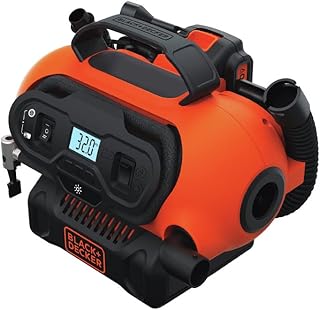
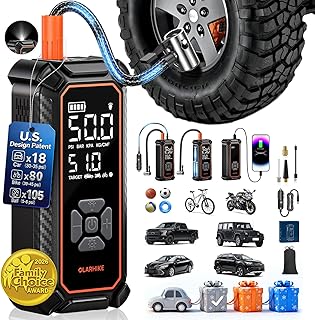
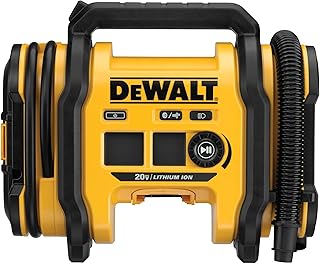
Electric pumps are the most powerful type of bike pump, and they are ideal for inflating tires to very high pressures. They are also relatively easy to use, as they typically feature an automatic shut-off function that prevents over-inflation. However, electric pumps are also the most expensive type of bike pump, and they require a power source to operate. When choosing a bike tire pump, it is important to consider factors such as the type of cycling you will be doing, the pressure requirements of your tires, and your budget. By understanding the different types of pumps available, you can make an informed decision that will meet your specific needs.
Rolling into Speed: The Fastest Fat Bike Tires for Your Adventures
You may want to see also
Explore related products




Compatibility: Ensure the pump's valve type (Presta, Schrader, or both) matches your bike tires
Ensuring compatibility between your bike tire pump and valve type is crucial for efficient and safe inflation. There are two primary valve types: Presta and Schrader. Presta valves are typically found on road bikes and are characterized by their slim profile and locking nut mechanism. Schrader valves, on the other hand, are more common on mountain bikes and feature a wider body with a spring-loaded pin.
To determine the correct pump, inspect your bike's tires for the valve type. If your bike has Presta valves, you'll need a pump with a Presta valve adapter. These pumps often have a more compact and lightweight design, suitable for the thinner tires of road bikes. For Schrader valves, a Schrader-compatible pump is necessary. These pumps tend to be more robust and can handle the higher pressures required for mountain bike tires.
Some pumps offer dual compatibility, featuring both Presta and Schrader valve adapters. This versatility is beneficial for cyclists who own multiple bikes with different valve types or for those who frequently switch between road and mountain biking. When selecting a dual-compatible pump, ensure that it can handle the pressure requirements of both your road and mountain bike tires.
In addition to valve type, consider the pump's pressure range and volume. Road bike tires typically require higher pressures (around 80-120 PSI) and lower volume, while mountain bike tires need lower pressures (around 30-50 PSI) and higher volume. Choose a pump that can deliver the necessary pressure and volume for your specific tire needs.
Finally, pay attention to the pump's construction and durability. A well-built pump with a sturdy frame and reliable mechanism will provide better performance and longevity. Look for pumps made from high-quality materials, such as aluminum or steel, and read reviews from other cyclists to gauge the pump's reliability and ease of use.
Exploring the Core: Inside the Bike Tire Card Mystery
You may want to see also
Explore related products


Pressure Gauge: A built-in gauge helps to accurately measure and adjust tire pressure
A pressure gauge is an essential component of a bike tire pump, providing accurate measurements of tire pressure. This built-in feature allows cyclists to precisely adjust the air pressure in their tires, ensuring optimal performance and safety. Without a reliable pressure gauge, it would be challenging to determine the correct inflation level, which can vary depending on the type of bike, riding conditions, and personal preferences.
When selecting a bike tire pump, it's crucial to consider the pressure gauge's accuracy and ease of use. A high-quality gauge should provide clear, easy-to-read measurements and be resistant to damage from impacts or environmental factors. Additionally, some pumps feature digital gauges that offer even greater precision and may include advanced features such as pressure presets or Bluetooth connectivity for tracking and analysis.
Proper tire pressure is vital for a smooth and efficient ride. Underinflated tires can lead to increased rolling resistance, reduced traction, and a higher risk of punctures. Conversely, overinflated tires can result in a harsh ride, decreased grip, and potential damage to the tire or rim. By using a pump with an accurate pressure gauge, cyclists can fine-tune their tire pressure to achieve the perfect balance of comfort, performance, and safety.
In conclusion, a pressure gauge is a critical feature of a bike tire pump that enables cyclists to maintain optimal tire pressure. When choosing a pump, it's essential to prioritize the gauge's accuracy, durability, and user-friendliness to ensure a safe and enjoyable riding experience.
Exploring the Market for the Slimmest Gator Bike Tire Options
You may want to see also
Explore related products



Portability: Consider a lightweight, compact pump for easy transport on rides
For cyclists who prioritize portability, a lightweight and compact bike tire pump is essential for easy transport on rides. This type of pump is designed to be easily carried in a jersey pocket or attached to the bike frame, ensuring that it's always within reach when needed. When selecting a portable pump, consider the following factors:
First, look for a pump with a slim profile and a weight that won't add significant bulk to your ride. Many portable pumps are made from lightweight materials such as aluminum or carbon fiber, which can reduce the overall weight without sacrificing durability. Additionally, consider the pump's length when extended, as this will impact how easily it can be stored and transported.
Second, evaluate the pump's compatibility with your bike's valve type. Most portable pumps are designed to work with both Presta and Schrader valves, but it's important to confirm this before making a purchase. If you have a bike with a less common valve type, such as a tubeless valve, ensure that the pump you choose is compatible.
Third, consider the pump's inflation capacity. Portable pumps typically have a lower maximum pressure than larger, more powerful pumps, but they should still be able to inflate your tires to the recommended pressure for your bike. Check the pump's specifications to ensure that it can meet your inflation needs.
Finally, think about the pump's ease of use. A portable pump should be simple to operate, even when you're on the go. Look for features such as a comfortable grip, a clear pressure gauge, and a secure valve connection to make the inflation process as smooth as possible.
By considering these factors, you can find a portable bike tire pump that meets your needs and ensures that you're always prepared for any tire-related issues that may arise during your rides.
Exploring the Standard Valve Types for Bicycle Tires
You may want to see also
Explore related products



Durability: Look for pumps made from sturdy materials like steel or aluminum for long-lasting use
When selecting a bike tire pump, durability is a critical factor to consider. Pumps made from sturdy materials like steel or aluminum are known for their long-lasting use and ability to withstand the rigors of regular cycling. Steel pumps, in particular, are highly durable and can handle high pressures, making them ideal for road bikes with narrow, high-pressure tires. Aluminum pumps, on the other hand, offer a good balance between durability and weight, making them a popular choice for mountain bikers who need to carry their pump on long rides.
In addition to the material, the construction of the pump is also important. Look for pumps with a robust frame and a secure valve attachment to ensure that they can handle the stress of inflating tires without breaking or leaking. Some pumps also feature a reinforced hose or a metal valve cap for added durability. When choosing a pump, consider the type of cycling you do and the conditions you ride in. If you frequently ride on rough terrain or in wet conditions, a more durable pump with a sturdy construction will be a better investment in the long run.
Another aspect to consider is the pump's ability to resist corrosion. Pumps made from steel or aluminum are generally more resistant to corrosion than those made from plastic or other materials. However, it's still important to clean and maintain your pump regularly to prevent rust and corrosion, especially if you ride in wet or salty conditions. Some pumps also come with a protective coating or finish to further enhance their corrosion resistance.
Ultimately, investing in a durable bike tire pump made from sturdy materials like steel or aluminum will save you money and hassle in the long run. A high-quality pump will not only last longer but will also perform better, making it easier to inflate your tires quickly and efficiently. When choosing a pump, prioritize durability and construction, and consider the specific needs of your cycling style and environment.
Exploring the Purpose and Appeal of Fat-Tired Bikes: A Comprehensive Guide
You may want to see also
Frequently asked questions
For a road bike, you'll typically need a floor pump with a narrow, high-pressure gauge. These pumps are designed to inflate tires to the high pressures required for road bikes, usually between 80-120 PSI. Look for a pump with a presta valve head, as this is the most common valve type for road bikes.
When selecting a bike tire pump for a mountain bike, consider the volume of the tire. Mountain bike tires are wider and have a larger volume than road bike tires, so you'll need a pump that can handle this. A larger floor pump or a high-volume hand pump are good options. Also, ensure the pump is compatible with the valve type on your mountain bike tires, which are often Schrader valves.
Presta and Schrader valves are two common types of bike tire valves. Presta valves are narrow and have a locking nut mechanism, while Schrader valves are wider and have a spring-loaded pin. To determine which type you have, look at the valve on your bike tire. If it's narrow with a locking nut, it's a presta valve. If it's wider with a pin, it's a Schrader valve. This information will help you choose the right bike tire pump, as some pumps are designed specifically for one type of valve or the other.