Eric Johnson
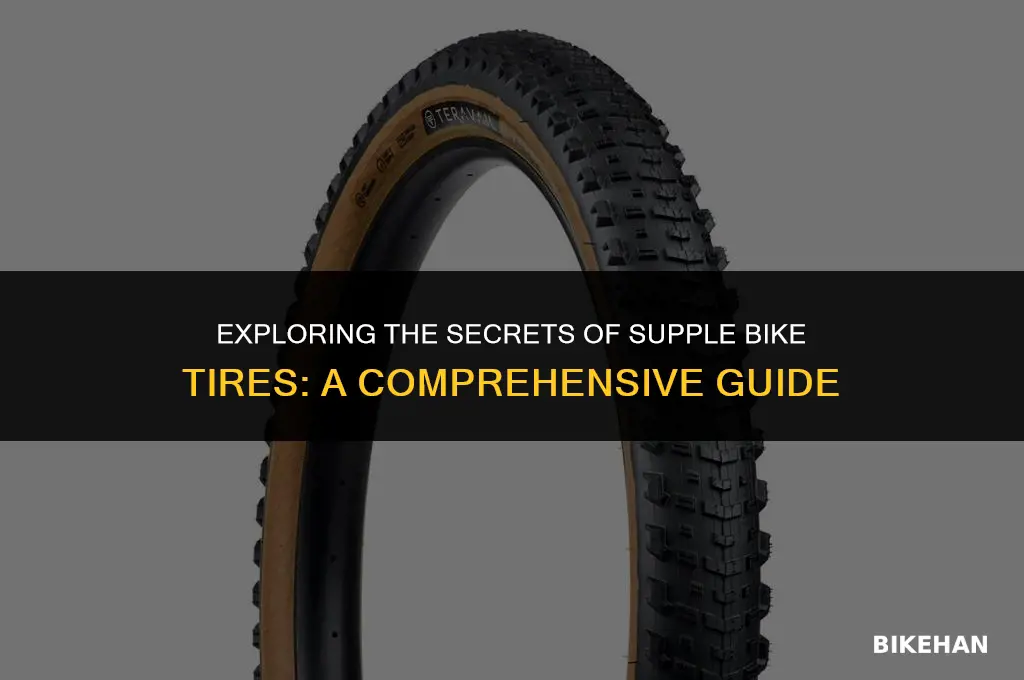
Bike tire suppleness is a critical factor in cycling performance and comfort. A supple tire can better conform to the road surface, providing improved traction and a smoother ride. This quality is particularly important for road cyclists who need to maintain high speeds and navigate various terrains. The suppleness of a tire is influenced by several factors, including the materials used in its construction, the tire's thickness, and its internal pressure. High-quality tires often use advanced rubber compounds and casing materials that enhance their flexibility without compromising durability. Additionally, the tire's thickness plays a role, as thinner tires tend to be more supple but may offer less protection against punctures. Proper tire inflation is also crucial, as underinflated tires can become overly supple, leading to a loss of efficiency and increased risk of damage. Conversely, overinflated tires can become too rigid, resulting in a harsher ride and reduced grip. Understanding these factors can help cyclists choose the right tires for their needs and optimize their riding experience.
Explore related products


What You'll Learn
- Material Composition: The type of rubber and additives used in the tire's construction affect its suppleness
- Tread Pattern: The design of the tire's tread can influence its flexibility and grip on various surfaces
- Sidewall Thickness: Thinner sidewalls often contribute to a more supple ride by allowing the tire to flex more easily
- Internal Pressure: The air pressure within the tire impacts its stiffness; lower pressures can make the tire more supple
- Casing Construction: The way the tire's casing is built, including the number and arrangement of plies, affects its overall suppleness

Material Composition: The type of rubber and additives used in the tire's construction affect its suppleness
The suppleness of a bike tire is significantly influenced by the type of rubber and additives used in its construction. Natural rubber, derived from the sap of rubber trees, is the primary material used in most bike tires due to its excellent elasticity and durability. However, the addition of synthetic rubbers, such as styrene-butadiene rubber (SBR) and polybutadiene rubber (PBR), can enhance certain properties like puncture resistance and wear life.
Additives play a crucial role in modifying the rubber's properties to achieve the desired suppleness. Plasticizers, for instance, are chemicals added to the rubber compound to increase its flexibility and reduce its stiffness. This results in a tire that can better absorb shocks and vibrations, providing a smoother ride. Other additives like antioxidants and UV stabilizers protect the rubber from degradation due to exposure to sunlight and environmental factors, thereby maintaining the tire's suppleness over time.
The manufacturing process also affects the tire's suppleness. During the vulcanization process, the rubber is heated and pressurized to form cross-links between the rubber molecules. The degree of cross-linking determines the tire's hardness and flexibility. A lower degree of cross-linking results in a softer, more supple tire, while a higher degree produces a harder, more durable tire.
In addition to the rubber compound and manufacturing process, the tire's construction also impacts its suppleness. The carcass, which is the main body of the tire, is typically made of multiple layers of fabric or steel cords embedded in rubber. The number of layers and the type of material used can affect the tire's flexibility. For example, a tire with a higher number of fabric layers may be more supple than one with fewer layers or steel cords.
To summarize, the suppleness of a bike tire is a complex interplay of factors including the type of rubber, additives, manufacturing process, and construction. By understanding these elements, cyclists can make informed decisions when selecting tires that best suit their riding needs and preferences.
Choosing the Right Bike Tire Tube: A Comprehensive Guide
You may want to see also
Explore related products


Tread Pattern: The design of the tire's tread can influence its flexibility and grip on various surfaces
The tread pattern on a bike tire plays a crucial role in determining its suppleness and grip on different surfaces. A tire with a well-designed tread pattern can provide better traction, control, and comfort during rides. The tread pattern affects the tire's ability to flex and conform to the road, which in turn impacts its overall performance.
One important aspect of tread pattern design is the arrangement of the tread blocks. Tires with larger, more widely spaced tread blocks tend to be more flexible and provide better grip on loose or uneven surfaces, such as gravel or dirt. This is because the larger blocks can move more independently, allowing the tire to better adapt to the terrain. On the other hand, tires with smaller, more closely spaced tread blocks are typically stiffer and provide better grip on smooth, paved surfaces. These tires are less likely to flex excessively, which can improve handling and stability at high speeds.
Another factor to consider is the shape of the tread blocks. Rectangular or square blocks are common in mountain bike tires, as they provide a good balance of grip and rolling resistance. However, some tires may feature more specialized block shapes, such as V-shaped or L-shaped blocks, which can offer improved traction in specific conditions. For example, V-shaped blocks can help to channel water away from the tire, reducing the risk of slipping on wet surfaces.
The depth of the tread grooves is also an important consideration. Deeper grooves allow for better water evacuation and can improve grip in wet or muddy conditions. However, deeper grooves can also increase rolling resistance, which can make the tire feel slower and less efficient on smooth surfaces. As a result, tire manufacturers often strike a balance between groove depth and rolling resistance to create a tire that performs well in a variety of conditions.
In conclusion, the tread pattern on a bike tire is a critical factor in determining its suppleness and grip on different surfaces. By understanding the various elements of tread pattern design, such as block arrangement, shape, and groove depth, cyclists can choose a tire that best suits their riding needs and preferences.
Unpoppable: The Quest for the Ultimate Puncture-Resistant Bike Tire
You may want to see also
Explore related products


Sidewall Thickness: Thinner sidewalls often contribute to a more supple ride by allowing the tire to flex more easily
Thinner sidewalls in bike tires are a key factor in enhancing the suppleness of the ride. This is because they allow the tire to flex more easily, absorbing road vibrations and providing a smoother experience for the cyclist. The reduced thickness of the sidewall means that it can bend and deform more readily in response to the uneven surfaces encountered during a ride.
One of the primary benefits of thinner sidewalls is their ability to improve traction. When a tire with thinner sidewalls encounters an obstacle or a change in road surface, it can adapt more quickly and maintain better contact with the ground. This results in increased grip and stability, which is particularly important when cornering or navigating slippery conditions.
However, it's important to note that thinner sidewalls also come with some trade-offs. They may be more susceptible to punctures and damage from sharp objects, as there is less material to protect the inner tube. Additionally, thinner sidewalls can sometimes lead to a harsher ride on very rough terrain, as they may not provide as much cushioning as thicker sidewalls.
In terms of specific applications, thinner sidewalls are often preferred by road cyclists who prioritize speed and efficiency. They are particularly well-suited for smooth, paved surfaces where the benefits of increased flexibility and traction are most pronounced. On the other hand, mountain bikers or those who frequently ride on rough, unpaved trails may opt for thicker sidewalls to provide additional protection and cushioning.
When choosing bike tires, it's essential to consider the specific riding conditions and preferences. For those seeking a supple ride on smooth surfaces, thinner sidewalls can be an excellent choice. However, it's crucial to weigh the potential benefits against the trade-offs and select the appropriate tire thickness based on individual needs and riding style.
Optimal Tire Pressure for Kids' Bikes: A Safety Guide
You may want to see also
Explore related products

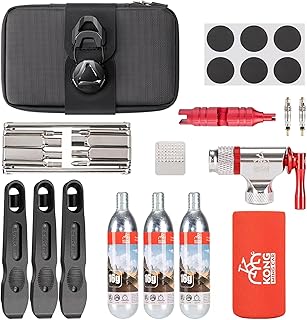


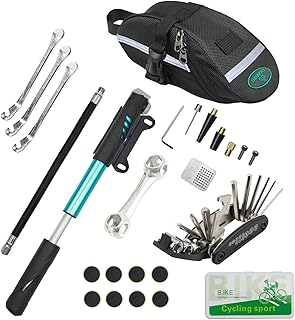

Internal Pressure: The air pressure within the tire impacts its stiffness; lower pressures can make the tire more supple
The internal pressure of a bike tire plays a crucial role in determining its suppleness. Lower air pressures can significantly enhance the tire's ability to absorb shocks and conform to the road surface, providing a smoother and more comfortable ride. This is particularly beneficial for off-road cycling or riding on rough terrain, where the ability to absorb impacts is essential.
One of the key reasons why lower pressures can make a tire more supple is due to the increased contact patch with the ground. When a tire is inflated to a lower pressure, it spreads out more, increasing the surface area in contact with the road. This larger contact patch allows the tire to better distribute the rider's weight and absorb irregularities in the surface, resulting in a more compliant and comfortable ride.
However, it's important to note that there are trade-offs associated with running lower tire pressures. While the ride may be smoother, lower pressures can also increase the risk of punctures and make the tire more susceptible to damage from debris or sharp objects. Additionally, lower pressures can negatively impact the tire's rolling resistance, potentially making it more difficult to pedal and reducing overall efficiency.
To strike a balance between suppleness and performance, cyclists should experiment with different pressure settings based on their specific riding conditions and preferences. For example, a rider who frequently encounters rough roads or trails may benefit from running their tires at a slightly lower pressure, while a rider who primarily cycles on smooth pavement may prefer higher pressures for improved efficiency.
In conclusion, the internal pressure of a bike tire has a significant impact on its suppleness, with lower pressures generally resulting in a more compliant and comfortable ride. However, cyclists should carefully consider the trade-offs associated with lower pressures and adjust their tire inflation accordingly to achieve the optimal balance between comfort, performance, and durability.
Gravel Grinding: Choosing the Perfect Tires for Your Adventure Bike
You may want to see also
Explore related products



Casing Construction: The way the tire's casing is built, including the number and arrangement of plies, affects its overall suppleness
The construction of a bicycle tire's casing is a critical factor in determining its suppleness. The casing is composed of multiple layers, known as plies, which are made from fabrics such as nylon, polyester, or Kevlar. These plies are arranged in a specific pattern and are bonded together with rubber to form the tire's structure. The number of plies and their arrangement directly influence the tire's flexibility and responsiveness.
A higher number of plies generally results in a stiffer tire, as each additional layer adds to the overall thickness and rigidity of the casing. However, this is not always the case, as the type of fabric used and the way the plies are arranged can also affect the tire's suppleness. For example, some high-performance tires may have a higher number of plies but use thinner, more flexible fabrics to maintain a supple feel.
The arrangement of the plies is also crucial. Some tires feature a radial construction, where the plies are arranged in a circular pattern around the tire's center. This design tends to provide a more compliant ride, as the tire can flex more easily to absorb bumps and vibrations. Other tires may use a bias construction, where the plies are arranged at an angle to the tire's center. This design can offer better durability and puncture resistance but may result in a stiffer ride.
In addition to the number and arrangement of plies, the type of rubber used to bond the plies together can also impact the tire's suppleness. Softer rubbers tend to provide a more flexible and responsive ride, while harder rubbers can improve durability and wear resistance. Tire manufacturers often use a combination of different rubbers and ply arrangements to achieve the desired balance of suppleness, durability, and performance.
Ultimately, the construction of a bicycle tire's casing is a complex process that involves careful consideration of multiple factors. By understanding how the number and arrangement of plies, as well as the type of rubber used, affect the tire's suppleness, cyclists can make informed decisions when choosing tires for their specific riding needs and preferences.
Choosing the Perfect Bike Tire: A Comprehensive Guide
You may want to see also
Frequently asked questions
Bike tires are typically made from a combination of rubber and other materials like steel, Kevlar, or nylon. The rubber provides flexibility and grip, while the other materials offer strength and durability.
The construction of a bike tire, including the type of rubber used, the thickness of the tire, and the presence of additional layers or materials, can all impact its suppleness. Tires with thinner rubber and additional layers tend to be more supple, as they can better absorb shocks and vibrations.
A supple bike tire can provide a smoother ride, better traction, and improved handling. This is because a supple tire can better absorb shocks and vibrations, which can help to reduce fatigue and improve control.
One way to tell if a bike tire is supple is to press on it with your fingers. A supple tire will feel soft and flexible, while a stiffer tire will feel more rigid. You can also look for tires that are specifically labeled as "supple" or "flexible" by the manufacturer.