Megan Blake
When a bike tire starts to bulge, it's a sign that the tire is experiencing some form of stress or damage. This bulging can be caused by a variety of factors, including overinflation, underinflation, or a puncture. Overinflation can cause the tire to become too rigid, leading to a bulge as the tire tries to accommodate the excess air pressure. Underinflation, on the other hand, can cause the tire to become too soft, leading to a bulge as the tire is unable to maintain its shape. A puncture can also cause a bulge, as the escaping air creates a weak spot in the tire. It's important to address a bulging tire immediately, as it can lead to a blowout or other serious safety issues.
Explore related products


What You'll Learn
- Causes of Bulging: Overinflation, impact damage, or manufacturing defects can cause a bike tire to bulge
- Safety Concerns: A bulging tire poses a risk of sudden blowout, which can lead to accidents and injuries
- Prevention Tips: Regularly inspect tires for signs of wear, maintain proper inflation, and avoid riding on rough surfaces
- Repair Options: Depending on the severity, a bulging tire may need to be patched, replaced, or taken to a professional
- Replacement Guide: When replacing a bulging tire, ensure you choose the correct size and type for your bike and riding style

Causes of Bulging: Overinflation, impact damage, or manufacturing defects can cause a bike tire to bulge
Bike tire bulging can be attributed to several factors, each with its own set of implications and solutions. Overinflation is a common cause, where excessive air pressure causes the tire to expand beyond its recommended size. This can lead to a loss of traction, increased risk of punctures, and a harsher ride. To prevent overinflation, it's crucial to regularly check and maintain the tire pressure according to the manufacturer's specifications, which are usually printed on the tire's sidewall.
Impact damage is another significant cause of tire bulging. Hitting potholes, curbs, or other hard objects can cause the tire's internal structure to weaken, leading to a bulge. This type of damage can be more challenging to diagnose and repair. In some cases, the tire may need to be replaced entirely to ensure safety. Riders should be cautious when navigating rough terrain and avoid hitting obstacles whenever possible.
Manufacturing defects can also lead to tire bulging. These defects can include imperfections in the tire's rubber or internal structure, which can cause the tire to weaken and bulge over time. While these defects are relatively rare, they can be dangerous if not caught early. Regular inspections of the tire's surface and sidewalls can help identify potential issues before they become serious problems.
In addition to these causes, environmental factors such as extreme temperatures and exposure to chemicals can also contribute to tire bulging. High temperatures can cause the tire's rubber to degrade, while low temperatures can make the tire more susceptible to punctures. Exposure to chemicals, such as those found in some cleaning products or automotive fluids, can also weaken the tire's structure. To mitigate these risks, riders should store their bikes in a cool, dry place and avoid exposing the tires to harsh chemicals.
Preventative maintenance is key to avoiding tire bulging. Regularly inspecting the tires for signs of wear, damage, or defects can help catch potential issues early. Additionally, ensuring that the tires are properly inflated and avoiding overloading the bike can help prevent unnecessary stress on the tires. By taking these precautions, riders can help extend the life of their tires and ensure a safer, more enjoyable riding experience.
Exploring the Standard Valve Types for Bicycle Tires
You may want to see also
Explore related products


Safety Concerns: A bulging tire poses a risk of sudden blowout, which can lead to accidents and injuries
A bulging tire is a serious safety concern for cyclists, as it significantly increases the risk of a sudden blowout. This can lead to accidents and injuries, especially if the cyclist is traveling at high speeds or on busy roads. The bulge itself is a sign that the tire's structural integrity has been compromised, and it may no longer be able to hold the necessary air pressure. In some cases, the bulge may be caused by a puncture or a cut in the tire, which can lead to a rapid loss of air and a subsequent blowout.
One of the most dangerous aspects of a bulging tire is that it can be difficult to detect, especially if the cyclist is not regularly inspecting their tires. A bulge may start small and gradually increase in size over time, making it easy to overlook. However, even a small bulge can be a sign of a serious problem, and it is important for cyclists to take immediate action if they notice any changes in their tire's shape or size.
If a cyclist does notice a bulging tire, they should stop riding immediately and inspect the tire more closely. They should look for any signs of damage, such as cuts, punctures, or abrasions, and check the tire's air pressure. If the tire is severely bulging or has lost a significant amount of air, it is best to replace it entirely. Continuing to ride on a damaged tire can lead to a catastrophic failure, which can result in serious injuries or even death.
In addition to regular tire inspections, cyclists can take other precautions to reduce the risk of a bulging tire. They should always ride with the recommended tire pressure, avoid overloading their bike, and be careful when riding on rough or debris-filled roads. By taking these steps, cyclists can help ensure that their tires remain in good condition and reduce the risk of a sudden blowout.
Ultimately, the key to preventing accidents and injuries caused by bulging tires is awareness and vigilance. Cyclists should be regularly inspecting their tires, paying attention to any changes in their shape or size, and taking immediate action if they notice any problems. By doing so, they can help ensure their own safety and the safety of others on the road.
Exploring the Weight Capacity of Fat Tire Bikes: A Comprehensive Guide
You may want to see also
Explore related products





Prevention Tips: Regularly inspect tires for signs of wear, maintain proper inflation, and avoid riding on rough surfaces
Regularly inspecting your bike tires for signs of wear is crucial in preventing them from bulging. Look for any cuts, abrasions, or punctures on the tire's surface, as well as any cracks or splits in the sidewalls. Additionally, check for any embedded objects, such as nails or glass, that could cause a puncture. By catching these issues early, you can address them before they lead to a bulging tire.
Maintaining proper tire inflation is also essential in preventing bulging. Underinflated tires are more susceptible to damage and wear, which can cause them to bulge. Check your tire pressure regularly and inflate them to the recommended level, which can usually be found on the tire's sidewall or in your bike's manual. Overinflating your tires can also cause problems, such as a harsher ride and increased risk of punctures, so be sure to find the right balance.
Avoiding rough surfaces can help prevent your bike tires from bulging. Riding on potholes, gravel, or other uneven surfaces can cause damage to your tires, leading to bulges. When possible, stick to smooth, paved roads and avoid obstacles that could harm your tires. If you do encounter rough surfaces, try to navigate them carefully and at a slower speed to minimize the risk of damage.
In addition to these prevention tips, it's important to address any bulging tires promptly. If you notice a bulge, stop riding immediately and inspect the tire for damage. If the bulge is severe or you're unsure of the cause, take your bike to a professional mechanic for assistance. Ignoring a bulging tire can lead to further damage, a potential blowout, and even injury.
By following these prevention tips and addressing any issues promptly, you can help ensure the safety and longevity of your bike tires. Regular maintenance and care can go a long way in preventing bulging and other tire-related problems, allowing you to enjoy a smooth and safe ride.
Exploring TPI Bike Tires: Your Guide to Puncture-Proof Cycling
You may want to see also
Explore related products


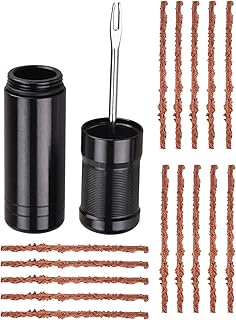
Repair Options: Depending on the severity, a bulging tire may need to be patched, replaced, or taken to a professional
A bulging tire is a serious safety concern that requires immediate attention. Depending on the severity of the bulge, there are several repair options available. For minor bulges, a simple patch may suffice. This involves removing the tire from the rim, locating the puncture, and applying a patch to the inner tube. However, it's crucial to note that patching a tire with a bulge is only a temporary fix and may not address the underlying issue.
For more severe bulges, replacing the entire tire is often the best course of action. This involves removing the old tire and tube, fitting a new tube, and installing a new tire onto the rim. When replacing a tire, it's essential to choose one that matches the specifications of your bike and riding style. Additionally, it's a good idea to inspect the rim for any damage or wear that may have contributed to the bulge.
In some cases, a bulging tire may require professional attention. If the bulge is particularly large or if you're unsure about the cause, it's best to take your bike to a local bike shop. A professional mechanic can inspect the tire, rim, and bike frame to identify any issues and recommend the best course of action. They may also be able to provide guidance on how to prevent bulging tires in the future.
When dealing with a bulging tire, it's important to act quickly and prioritize safety. Ignoring the problem can lead to a blowout, which can be dangerous and potentially cause injury. By addressing the issue promptly and choosing the appropriate repair option, you can ensure that your bike is safe to ride and avoid any potential accidents.
Understanding Inflation: A Guide to Hybrid Bike Tire Pressure
You may want to see also
Explore related products


Replacement Guide: When replacing a bulging tire, ensure you choose the correct size and type for your bike and riding style
When a bike tire starts to bulge, it's a clear sign that it's time for a replacement. But choosing the right tire isn't as simple as picking the first one you see. You need to consider several factors to ensure you select a tire that's suitable for your bike and riding style.
First, check the tire size. This information is usually printed on the sidewall of the tire. Make sure to match the new tire's size exactly to the old one. Using a tire that's too large or too small can affect your bike's handling and safety.
Next, consider the tire type. There are different types of tires designed for various riding conditions. For example, road tires are smooth and narrow, providing less rolling resistance on paved surfaces. Mountain bike tires, on the other hand, have a more aggressive tread pattern for better grip on rough terrain. Make sure to choose a tire that's appropriate for the type of riding you do.
Another important factor is the tire's construction. Tires can be made with different materials and technologies, which can affect their performance, durability, and price. For instance, some tires have a steel belt for added strength, while others use a lighter, more flexible material like Kevlar. Consider your riding needs and budget when selecting a tire construction.
Finally, don't forget to check the tire pressure. Proper tire pressure is crucial for a safe and comfortable ride. Underinflated tires can lead to a blowout, while overinflated tires can make your ride harsh and uncomfortable. Consult your bike's manual for the recommended tire pressure and make sure to check it regularly.
Replacing a bulging tire is an essential part of bike maintenance. By choosing the correct size, type, and construction, and maintaining proper tire pressure, you can ensure a safe and enjoyable ride.
Exploring the Advantages of Skinny Bike Tires: A Comprehensive Guide
You may want to see also
Frequently asked questions
When a bike tire starts to bulge, it typically indicates that the tire is overinflated or has sustained damage, such as a puncture or sidewall tear. Overinflation can cause the tire to lose its grip on the road and may lead to a blowout. Damage to the tire can also cause it to bulge and may compromise the tire's structural integrity, leading to a potential blowout or loss of control while riding.
No, it is not safe to ride a bike with a bulging tire. A bulging tire can lead to a blowout or loss of control while riding, which can result in serious injury or damage to the bike. It is important to address the issue immediately by either repairing or replacing the damaged tire before riding the bike again.
To prevent your bike tires from bulging, it is important to regularly inspect them for signs of damage, such as punctures, cuts, or sidewall tears. Additionally, make sure to properly inflate your tires according to the manufacturer's recommendations and avoid overinflating them. Riding on rough or uneven surfaces can also increase the risk of tire damage, so it is important to be cautious when riding in these conditions. Regularly rotating your tires can also help to ensure even wear and prevent bulging.