Matthew Brooks
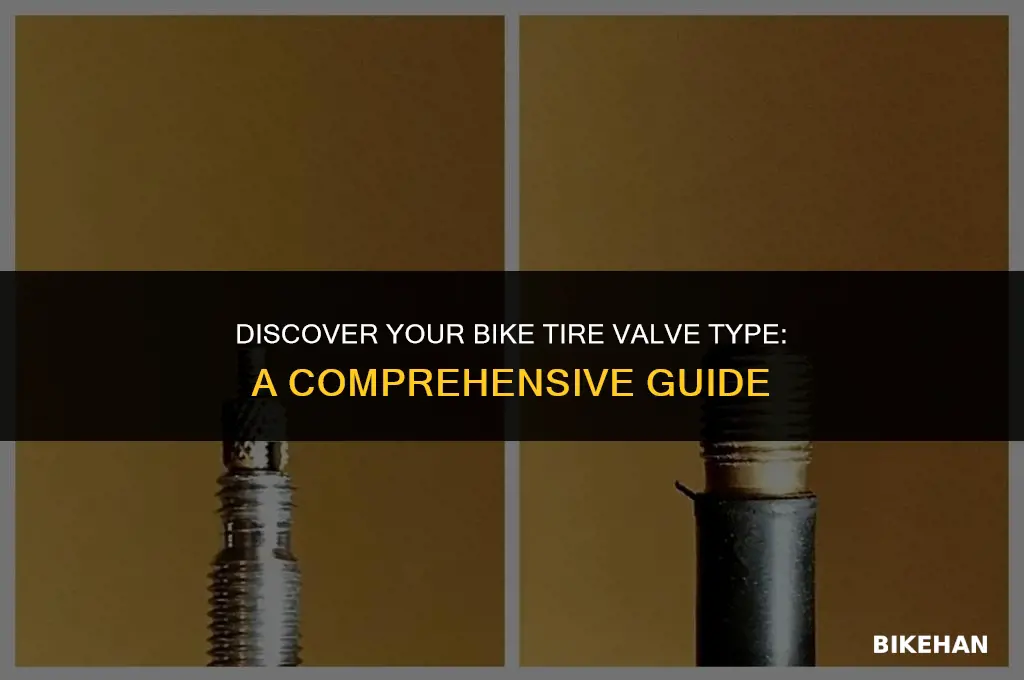
To determine the type of bike tire valve you have, it's essential to understand the different valve types commonly used in bicycles. The most prevalent types are the Presta, Schrader, and Dunlop valves. Presta valves are typically found on road bikes and are characterized by their slim profile and locking nut mechanism. Schrader valves, often seen on mountain bikes and cruisers, resemble car tire valves with their wider base and spring-loaded pin. Dunlop valves, less common but still in use, have a unique design with a central pin and a knurled knob. By examining the valve on your bike tire, you can identify its type based on these distinct features.
Explore related products


What You'll Learn
- Schrader Valve: Common type with a spring-loaded pin, used in most mountain and road bikes
- Presta Valve: Slim, high-pressure valve with a locking nut, often found on road bikes
- Dunlop Valve: Older style with a winged nut, less common but still used in some bikes
- Identifying Valve Type: Check the valve stem and locking mechanism to determine your bike tire valve type
- Valve Compatibility: Ensure your pump and spare tubes match your bike's valve type for easy maintenance

Schrader Valve: Common type with a spring-loaded pin, used in most mountain and road bikes
The Schrader valve, identifiable by its spring-loaded pin mechanism, is a ubiquitous feature on most mountain and road bikes. This type of valve is designed for easy inflation and deflation, making it a practical choice for cyclists who need to adjust tire pressure frequently. The Schrader valve's compatibility with a wide range of pumps and its ability to retain air pressure effectively contribute to its widespread adoption in the cycling community.
One of the key advantages of the Schrader valve is its simplicity. The spring-loaded pin mechanism ensures that the valve remains closed when not in use, preventing air from escaping. To inflate the tire, the pin is depressed, allowing air to flow into the tube. Once the desired pressure is reached, the pin is released, and the valve automatically closes, sealing the air inside. This straightforward design minimizes the risk of user error and makes the inflation process quick and hassle-free.
Despite its prevalence, the Schrader valve is not without its drawbacks. One common issue is the potential for the valve to become clogged with debris, which can impede the flow of air during inflation. Regular cleaning and maintenance can help mitigate this problem, but it is a consideration for cyclists who use their bikes in dirty or dusty environments. Additionally, the Schrader valve is not as secure as some other valve types, such as the Presta valve, which can be a concern for cyclists who prioritize security.
In terms of compatibility, the Schrader valve is widely supported by various types of pumps, including floor pumps, hand pumps, and even some air compressors. This broad compatibility makes it easy for cyclists to find a pump that works with their Schrader-equipped bikes, regardless of their location or the specific pump model they own. Furthermore, the Schrader valve is often found on bikes that are designed for casual or recreational use, making it a familiar and user-friendly option for many cyclists.
Overall, the Schrader valve's combination of simplicity, practicality, and widespread compatibility has solidified its position as a standard feature on most mountain and road bikes. While it may have some limitations, its ease of use and reliability make it a popular choice among cyclists of all skill levels.
Exploring the Optimal PSI for Bontrager Bike Tires: A Comprehensive Guide
You may want to see also
Explore related products


Presta Valve: Slim, high-pressure valve with a locking nut, often found on road bikes
The Presta valve, characterized by its slim profile and high-pressure capabilities, is a common sight on road bikes. This valve type is designed to withstand the elevated pressures required for road cycling, typically ranging from 80 to 120 PSI. One of its distinctive features is the locking nut mechanism, which ensures a secure connection between the valve and the pump, preventing accidental disconnections during inflation.
To use a Presta valve, you'll need a compatible pump with a Presta valve adapter. Begin by unscrewing the locking nut to open the valve. Then, attach the pump's Presta adapter to the valve and inflate the tire to the recommended pressure. Once the desired pressure is reached, disconnect the pump and screw the locking nut back onto the valve to close it. It's crucial to ensure the locking nut is tightened sufficiently to prevent air leaks.
A common misconception about Presta valves is that they are more difficult to use than other types, such as Schrader valves. However, with a bit of practice, the process becomes straightforward. The key is to remember to always open the locking nut before inflating and to close it securely afterward.
In terms of maintenance, Presta valves require occasional lubrication to ensure smooth operation. A small amount of lubricant applied to the valve's threads and locking nut can help prevent corrosion and keep the valve functioning properly. Regularly checking the valve for signs of wear or damage is also advisable, as a faulty valve can lead to tire blowouts or other safety issues.
Overall, the Presta valve is a reliable and efficient choice for road cyclists, offering a balance of high-pressure performance and ease of use. By understanding its unique features and proper usage techniques, cyclists can ensure their tires are always inflated to the optimal pressure for a safe and enjoyable ride.
Choosing the Right Bike Tire Pump: A Comprehensive Guide
You may want to see also
Explore related products


Dunlop Valve: Older style with a winged nut, less common but still used in some bikes
The Dunlop valve, characterized by its older style with a winged nut, is a less common but still functional type of bike tire valve. This valve design features a threaded stem that screws into the rim of the wheel, with a nut on the outside that can be tightened or loosened to secure or release the valve. The winged nut provides a convenient grip for hand-tightening, making it easier to inflate or deflate the tire without the need for tools.
One of the key advantages of the Dunlop valve is its simplicity and reliability. The threaded connection ensures a secure fit, reducing the risk of air leaks. Additionally, the winged nut design allows for quick and easy adjustments, even when wearing gloves or in cold weather conditions. However, it's important to note that the Dunlop valve is not as widely used as other types, such as the Presta or Schrader valves, which may make it more challenging to find compatible pumps or accessories.
To properly use a Dunlop valve, it's essential to follow a few key steps. First, ensure that the valve is clean and free of debris. Next, attach the pump hose to the valve stem, making sure it is securely connected. Then, inflate the tire to the recommended pressure, checking periodically to avoid overinflation. Once the desired pressure is reached, remove the pump hose and tighten the winged nut to secure the valve.
In terms of maintenance, the Dunlop valve requires minimal care. Regularly checking for signs of wear or damage, such as cracks or leaks, is important to ensure proper function. If the valve does become damaged, it's best to replace it with a new one to prevent air leaks and maintain optimal tire performance.
Overall, while the Dunlop valve may not be as prevalent as other types, it offers a reliable and user-friendly option for bike tire inflation. Its unique design and ease of use make it a viable choice for cyclists who prefer a more traditional approach to tire maintenance.
Optimal Tire Pressure for Kids' Bikes: A Safety Guide
You may want to see also
Explore related products


Identifying Valve Type: Check the valve stem and locking mechanism to determine your bike tire valve type
To identify the type of bike tire valve you have, a close examination of the valve stem and locking mechanism is essential. Start by locating the valve stem on your bike tire; it's typically found on the rim's edge. Observe the shape and size of the stem, as well as any distinctive features such as grooves or notches. These characteristics can help differentiate between common valve types like Presta, Schrader, and Dunlop.
Next, focus on the locking mechanism. Some valves have a simple nut or bolt that secures the valve cap, while others may feature a more complex locking system. For instance, Presta valves often have a small screw-on cap that locks into place, whereas Schrader valves might have a push-to-inflate mechanism. By carefully inspecting these components, you can narrow down the valve type.
Consider the following steps for a more systematic approach:
- Remove the Valve Cap: Gently unscrew or unclip the valve cap to get a better view of the valve stem and locking mechanism. Be cautious not to damage the valve or lose the cap.
- Examine the Valve Stem: Look for any markings, text, or symbols on the stem that might indicate the valve type. Measure the stem's diameter if necessary, as this can be a distinguishing factor.
- Inspect the Locking Mechanism: Determine how the valve cap attaches to the stem. Does it screw on, snap into place, or use a different method? This can provide crucial clues about the valve type.
- Compare with Known Valve Types: Based on your observations, compare the valve stem and locking mechanism to known standards for Presta, Schrader, and Dunlop valves. Online resources or bike maintenance guides can be helpful for this step.
By following these steps and paying close attention to the details of your bike tire valve, you can confidently identify its type. This knowledge is crucial for tasks such as inflating your tires, repairing punctures, or replacing the valve if necessary. Remember to always handle your bike components with care to avoid damage or injury.
Exploring the Limits: The Quest for the Slimmest Bike Tire
You may want to see also
Explore related products
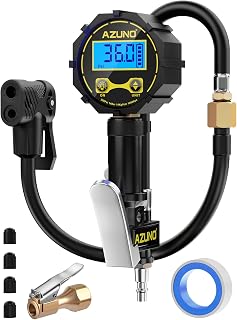
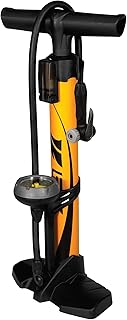


Valve Compatibility: Ensure your pump and spare tubes match your bike's valve type for easy maintenance
Ensuring valve compatibility between your bike's tires, pump, and spare tubes is crucial for seamless maintenance and efficient repairs. This compatibility hinges on understanding the specific valve type your bike uses, as different valves have distinct characteristics and requirements.
There are three primary types of bike tire valves: Presta, Schrader, and Dunlop. Presta valves, commonly found on road and racing bikes, are slim and require a specific Presta-compatible pump and tubes. Schrader valves, which are more robust and widely used on mountain bikes and cruisers, necessitate Schrader-specific equipment. Dunlop valves, although less common, are still found on some bikes and require their own unique pump and tubes.
To determine your bike's valve type, inspect the valve stem on your tire. Presta valves are typically narrower and have a locking nut mechanism, Schrader valves are wider with a threaded stem, and Dunlop valves have a distinctive shape with a central hole. Once you've identified your valve type, ensure that your pump and spare tubes are compatible to avoid any difficulties during maintenance.
Using the correct valve type for your bike not only simplifies the process of inflating your tires but also prevents potential damage to the valve stem and ensures a secure, leak-free seal. This compatibility is especially important when dealing with high-pressure tires, as an ill-fitting valve can lead to air leaks or even tire blowouts.
In summary, valve compatibility is a critical aspect of bike maintenance that should not be overlooked. By understanding and matching your bike's valve type with the appropriate pump and spare tubes, you can ensure efficient, hassle-free repairs and prolong the life of your bike's tires.
Revolutionize Your Ride: The Top-Selling E-Bike Tire You Need Now
You may want to see also
Frequently asked questions
To identify the type of valve on your bike tire, look at the shape and size of the valve stem. Common types include Presta, Schrader, and Dunlop valves. Presta valves are narrow and have a locking nut, Schrader valves are similar to car tire valves, and Dunlop valves have a wider base.
Presta valves are typically used on road and racing bikes. They are narrower and have a locking nut mechanism to keep the valve closed. Schrader valves, on the other hand, are more common on mountain bikes and are similar to the valves found on car tires. They do not have a locking nut and are generally more robust.
No, you cannot use a Presta valve on a Schrader rim. The valve holes on Schrader rims are larger and designed specifically for Schrader valves. Attempting to use a Presta valve on a Schrader rim could result in a poor seal and potential air leaks.
To inflate a bike tire with a Presta valve, you will need a pump with a Presta valve adapter. Attach the adapter to the pump hose, then connect it to the Presta valve on your tire. Open the locking nut on the Presta valve, and begin pumping air into the tire. Once the desired pressure is reached, close the locking nut and disconnect the pump.