Lauren Kennedy

Bike tires are typically made from a combination of natural and synthetic rubber, which provides the necessary grip, durability, and flexibility. The rubber is mixed with various additives to enhance its properties, such as carbon black for strength and silica for improved traction. Additionally, bike tires often contain layers of fabric, such as nylon or polyester, which serve as the carcass and provide structural support. The tire's sidewalls may also include a layer of rubber for added protection against punctures and abrasions. Overall, the materials used in bike tires are carefully selected to balance performance, durability, and safety for cyclists.
Explore related products


What You'll Learn
- Rubber Compounds: Different types of rubber used in tire construction for varying performance characteristics
- Casing and Beads: The inner structure and beads that provide shape and support to the tire
- Tread Patterns: Various designs of tire treads for different terrains and weather conditions
- Sidewall Markings: Information encoded on tire sidewalls, including size, load rating, and speed rating
- Innovative Materials: Emerging materials like graphene and nanomaterials being used to enhance tire durability and performance

Rubber Compounds: Different types of rubber used in tire construction for varying performance characteristics
Rubber compounds are the backbone of tire construction, each offering unique performance characteristics that cater to different cycling needs. The most common types of rubber used in bike tire construction include natural rubber, synthetic rubber, and a blend of both. Natural rubber, derived from the sap of the Hevea brasiliensis tree, is prized for its excellent grip, flexibility, and resistance to abrasion. It's commonly used in high-performance road and mountain bike tires where traction and durability are paramount.
Synthetic rubber, on the other hand, is manufactured from petroleum-based materials and offers a range of properties that can be tailored to specific applications. Types of synthetic rubber used in bike tires include styrene-butadiene rubber (SBR), polybutadiene rubber (PBR), and nitrile rubber. SBR is known for its good balance of grip and rolling resistance, making it suitable for all-around use. PBR provides excellent durability and resistance to cuts and punctures, ideal for rugged off-road conditions. Nitrile rubber offers superior resistance to chemicals and oils, making it a good choice for urban commuters who may encounter various road contaminants.
Blends of natural and synthetic rubber are also common, as they can combine the best properties of both materials. These blends are often used in tires designed for specific conditions, such as wet weather or high-speed racing, where a balance of grip, durability, and rolling resistance is crucial.
The choice of rubber compound can significantly impact the performance and longevity of a bike tire. For instance, a tire made with a high proportion of natural rubber will offer better grip and flexibility but may wear out faster than one made with synthetic rubber. Conversely, a tire with a high synthetic rubber content will be more durable and resistant to punctures but may not provide the same level of traction as a natural rubber tire.
In conclusion, understanding the different types of rubber compounds used in bike tire construction can help cyclists choose the right tire for their specific needs and riding conditions. Whether it's for high-performance racing, rugged off-roading, or daily commuting, there's a rubber compound that can provide the desired balance of grip, durability, and rolling resistance.
Inflate Your Ride: The Ideal PSI for Bike Tires
You may want to see also
Explore related products


Casing and Beads: The inner structure and beads that provide shape and support to the tire
The casing and beads are critical components of a bicycle tire's inner structure, providing both shape and support. The casing, typically made from nylon or polyester, is a tightly woven fabric that forms the backbone of the tire. This material is chosen for its strength, durability, and ability to retain air. The beads, on the other hand, are usually made from steel or aluminum and are embedded within the casing at the tire's edges. These beads help maintain the tire's shape and ensure a secure fit onto the rim.
The manufacturing process of the casing involves weaving the synthetic fibers into a strong, yet flexible, fabric. This fabric is then coated with a rubber compound to enhance its air-holding capabilities and resistance to punctures. The beads are produced separately and are typically made by drawing steel or aluminum wires into thin strands, which are then wound into the characteristic bead shape.
When assembling the tire, the casing is first laid out flat, and the beads are positioned along the edges. The sides of the casing are then folded over the beads, and the entire assembly is vulcanized together under high heat and pressure. This process bonds the beads to the casing and creates a seamless, airtight seal.
The quality of the casing and beads can significantly impact the performance and longevity of a bicycle tire. A well-made casing will provide a smooth ride and good puncture resistance, while high-quality beads will ensure a secure fit and prevent the tire from coming off the rim during use.
In summary, the casing and beads are essential elements of a bicycle tire's construction, providing the necessary shape and support for safe and efficient cycling. Understanding the materials and manufacturing processes involved can help cyclists make informed decisions when choosing tires for their bikes.
Ultimate Guide to the Stickiest Street Bike Tires for Roll Racing
You may want to see also
Explore related products


Tread Patterns: Various designs of tire treads for different terrains and weather conditions
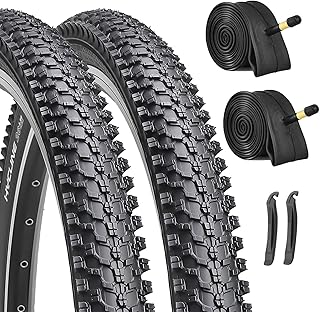
Bike tire tread patterns are crucial for ensuring optimal performance and safety across various terrains and weather conditions. The design of the tread affects traction, handling, and overall ride quality. For instance, tires with deep, aggressive treads are ideal for off-road cycling, providing better grip on loose surfaces like dirt and mud. On the other hand, smoother tread patterns with minimal grooves are more suitable for road cycling, reducing rolling resistance and enhancing speed on paved surfaces.
In wet conditions, tires with wide, circumferential grooves help channel water away from the contact patch, preventing hydroplaning and improving traction. Some tires even feature specific compounds that provide better grip in wet weather. For icy or snowy conditions, studded tires with metal spikes embedded in the tread can offer superior traction, although they are typically heavier and slower on dry surfaces.
When choosing a tire tread pattern, cyclists should consider their primary riding environment and the specific challenges they may encounter. For example, a mountain biker who frequently rides on rocky trails would benefit from a tire with a rugged, knobby tread design, while a road cyclist who commutes in rainy conditions would be better off with a tire featuring wide, water-channeling grooves.
In addition to the tread pattern, the materials used in bike tires also play a significant role in their performance. Modern bike tires are typically made from a combination of rubber compounds, reinforcing materials like steel or Kevlar, and sometimes even specialized fabrics or coatings to enhance durability and puncture resistance. The choice of materials can affect the tire's weight, flexibility, and overall performance characteristics.
Ultimately, understanding the different tread patterns and materials used in bike tires can help cyclists make informed decisions when selecting the right tire for their specific needs and riding conditions. By choosing the appropriate tire, cyclists can improve their safety, comfort, and overall enjoyment of the ride.
Optimal Tire Pressure for Kids' Bikes: A Safety Guide
You may want to see also
Explore related products




Sidewall Markings: Information encoded on tire sidewalls, including size, load rating, and speed rating
Tire sidewalls are a critical component of bike tires, providing essential information about the tire's specifications and capabilities. The sidewall markings include details such as the tire size, load rating, and speed rating, which are crucial for ensuring the correct tire is used for the intended application.
The tire size is typically indicated by a series of numbers and letters, such as "700x28c" or "26x2.1". The first number represents the diameter of the tire in millimeters, while the second number indicates the width of the tire. The letter following the width denotes the type of tire, with "c" representing a clincher tire, which is the most common type used on road bikes.
The load rating is another important piece of information found on the sidewall. This rating indicates the maximum weight that the tire can safely support, and is typically expressed in kilograms or pounds. It is essential to choose a tire with a load rating that is appropriate for the weight of the rider and any additional cargo that will be carried.
The speed rating is also displayed on the sidewall, and indicates the maximum speed at which the tire can be safely used. This rating is typically expressed in kilometers per hour or miles per hour, and is important for ensuring that the tire is suitable for the intended riding conditions.
In addition to these key pieces of information, tire sidewalls may also display other markings, such as the manufacturer's name, the model of the tire, and any relevant certifications or approvals. These markings can be useful for identifying the tire and verifying its authenticity.
When selecting bike tires, it is important to carefully consider the sidewall markings to ensure that the chosen tire is suitable for the intended application. By understanding the information encoded on the sidewall, riders can make informed decisions about the tires they use, and can ensure that they are riding safely and efficiently.
Choosing the Right Tire Size for Your Adult Bicycle
You may want to see also
Explore related products


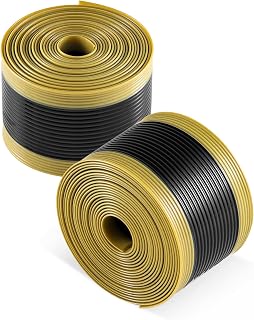


Innovative Materials: Emerging materials like graphene and nanomaterials being used to enhance tire durability and performance
Graphene and nanomaterials are revolutionizing the bicycle tire industry by significantly enhancing durability and performance. Graphene, a single layer of carbon atoms arranged in a hexagonal lattice, is being incorporated into tire compounds to improve puncture resistance and reduce rolling resistance. This results in tires that are not only more durable but also provide a smoother and more efficient ride.
Nanomaterials, on the other hand, are being used to create advanced composites that can withstand greater wear and tear. These materials are engineered at the nanoscale to exhibit unique properties, such as increased strength and flexibility. By integrating nanomaterials into tire compounds, manufacturers are able to produce tires that are more resistant to abrasion and can maintain their structural integrity over longer periods of use.
One of the key benefits of using these innovative materials is the reduction in tire weight. Lighter tires can improve a bicycle's overall performance by reducing the rotational mass, which in turn can lead to faster acceleration and higher speeds. Additionally, the enhanced durability of these materials means that cyclists can spend less time and money on tire replacements, making their riding experience more cost-effective and enjoyable.
The application of graphene and nanomaterials in bicycle tires is still in its early stages, but the potential for these materials is vast. As research and development continue, we can expect to see even more advanced tire compounds that offer superior performance and durability. These innovations will not only benefit competitive cyclists but also casual riders who are looking for a more reliable and efficient riding experience.
In conclusion, the use of graphene and nanomaterials in bicycle tires represents a significant advancement in the industry. These materials are paving the way for more durable, efficient, and high-performing tires that will enhance the overall cycling experience. As technology continues to evolve, we can look forward to seeing even more innovative applications of these materials in the world of bicycle tires.
Inflate Your Ride: The Ultimate Guide to Road Bike Tire Tips
You may want to see also
Frequently asked questions
The primary materials used in bike tire construction include rubber, steel, and nylon. Rubber forms the tread and sidewalls, providing grip and durability. Steel is often used in the tire's carcass for added strength and puncture resistance, while nylon contributes to the tire's overall structure and resilience.
The composition of bike tires significantly impacts their performance. Rubber compounds can vary to enhance grip, reduce rolling resistance, or increase durability. The inclusion of steel and nylon in the carcass can improve puncture resistance and overall tire strength. Different materials and their proportions are tailored to specific types of cycling, such as road, mountain, or hybrid biking, to optimize performance.
Yes, there are eco-friendly alternatives to traditional bike tire materials. Some manufacturers use recycled rubber or natural rubber sourced from sustainable plantations. Additionally, innovations in tire technology have led to the development of tires made from alternative materials like bamboo fibers or even recycled plastic. These eco-friendly options aim to reduce the environmental impact of tire production while maintaining performance standards.