Gear
Wear appropriate gear, including a helmet, protective clothing, gloves, and eye protection. It's essential for safety and comfort.
Motorcycles offer a thrilling and unique experience on the open road, with a variety of styles to suit different needs and preferences.
From cruisers to sport bikes, dual-sports to scooters, each type of motorcycle has its own distinct characteristics, riding position, and performance traits.
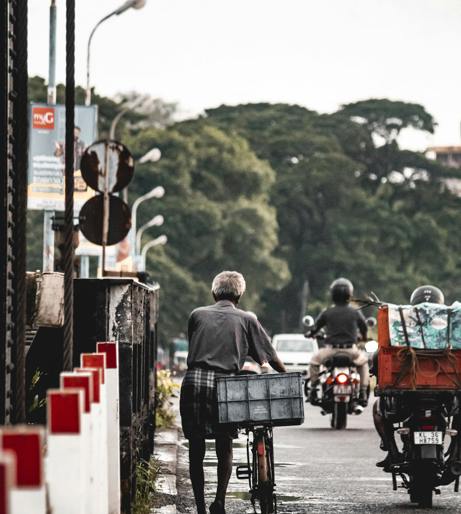
Riding a motorcycle requires the right gear and knowledge to ensure a safe and enjoyable experience.
Wear appropriate gear, including a helmet, protective clothing, gloves, and eye protection. It's essential for safety and comfort.
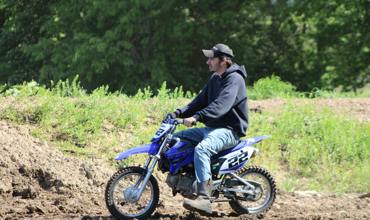
Understand and follow road rules specific to motorcycles. Lane positioning, turn signals, and road awareness are crucial for safe riding.
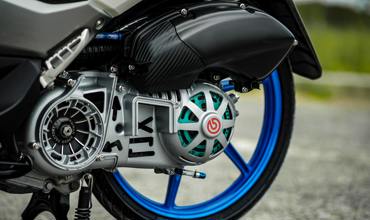
Perform regular maintenance checks and services to keep your motorcycle in optimal condition. This includes tire pressure, oil changes, and brake inspections.
There are several types of motorcycles, each designed for different riding styles and purposes. Choosing the right type depends on your needs and preferences.
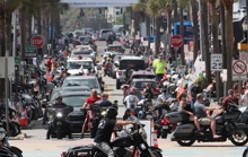
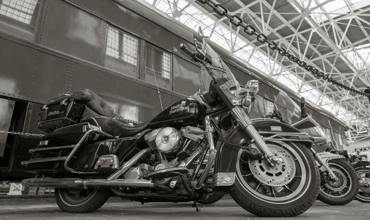
Cruisers are known for their low seat height, relaxed riding position, and classic styling. They're ideal for long-distance rides and offer a comfortable experience.
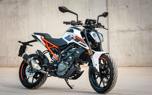
Sport bikes are designed for speed and performance. They have a more aggressive riding position, powerful engines, and advanced suspension systems.
Dual-sport motorcycles are versatile and can be ridden on both on-road and off-road terrain. They're perfect for adventurers who want to explore various riding environments.
Scooters are lightweight, easy to maneuver, and perfect for urban environments. They're often more affordable and fuel-efficient than larger motorcycles.
Touring motorcycles are built for long-distance travel and comfort. They offer ample storage, wind protection, and features for extended rides.
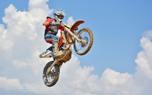
Dirt bikes are designed specifically for off-road riding and motocross. They have lightweight frames, long-travel suspension, and knobby tires for traction on uneven terrain.
Practice counter-steering to initiate turns effectively. Push forward on the handlebar to turn left and pull back to turn right.
Master the friction zone of your clutch to ensure smooth starts and gear shifts, especially in slow-moving traffic.
Use engine braking by downshifting to slow down. It helps control speed on downhill slopes and saves your brakes from overheating.

Understanding and implementing these key elements will help you become a safer and more confident motorcycle rider.
| Element | Description |
|---|---|
| Awareness | Maintain a high level of awareness of your surroundings, including other vehicles, road conditions, and potential hazards. |
| Defensive Riding | Adopt a defensive riding style. Anticipate potential dangers, leave enough space between vehicles, and be prepared to take evasive action if needed. |
| Road Positioning | Position yourself strategically on the road. Use lane positioning to be visible to other drivers and to give yourself escape routes in case of emergencies. |
| Speed Management | Always ride within your skill level and the speed limit. Maintain a speed that allows you to react and stop safely in case of unexpected events. |
| Maintenance | Keep your motorcycle well-maintained. Regularly check tire pressure, brakes, lights, and fluid levels to ensure your bike is in safe working condition. |
| Skill Development | Continuously improve your riding skills by practicing, taking advanced riding courses, and learning from experienced riders. |
Riding a motorcycle is a skill that requires constant learning and adaptation. By focusing on these key elements, you'll enhance your riding experience and safety on the road.