Matthew Brooks
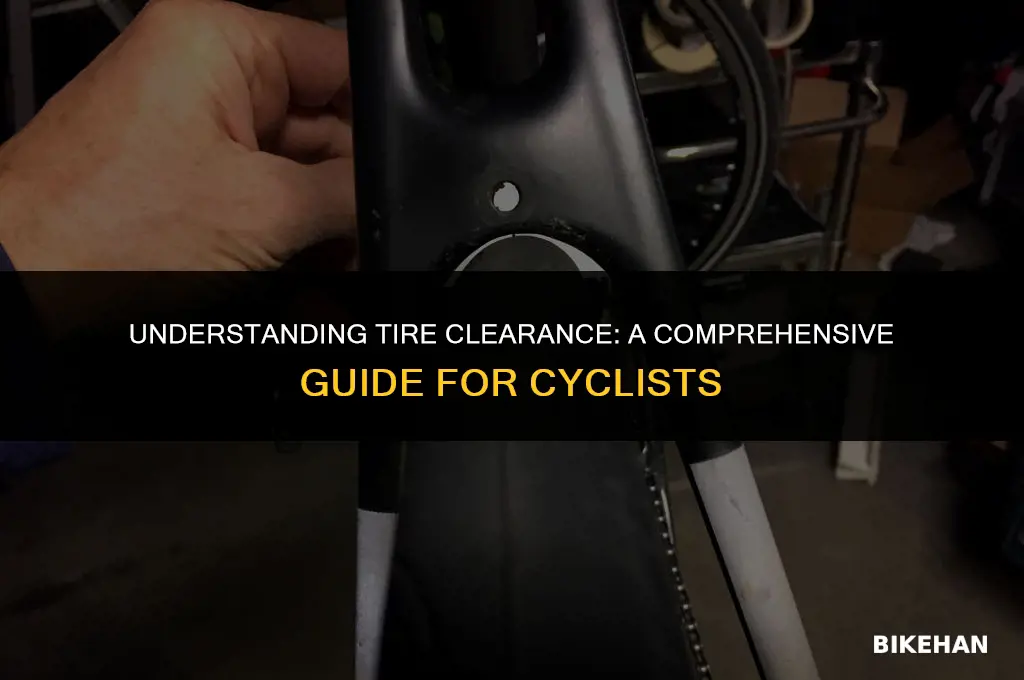
Tire clearance on a bike refers to the amount of space between the tire and the frame or fork of the bicycle. This measurement is crucial for several reasons. Firstly, it ensures that the tire can rotate freely without rubbing against the frame, which could cause damage to both the tire and the bike's structure. Secondly, adequate tire clearance allows for the installation of different tire sizes and types, providing cyclists with the flexibility to customize their bike for various riding conditions. For instance, a bike with generous tire clearance can accommodate wider tires for off-road adventures or narrower tires for smooth, paved surfaces. Additionally, tire clearance plays a role in the overall handling and performance of the bike, as it affects the wheelbase and the bike's responsiveness to steering inputs. Understanding tire clearance is essential for bike enthusiasts and professionals alike, as it impacts everything from bike design and maintenance to the rider's experience on the road or trail.
Explore related products


What You'll Learn
- Definition: Tire clearance is the space between the tire and the frame/fork of a bicycle
- Importance: Adequate clearance prevents tire rub, improves handling, and reduces the risk of punctures
- Measurement: Clearance is typically measured from the center of the tire to the nearest part of the frame
- Factors: Wheel size, tire width, and frame design all influence the amount of tire clearance on a bike
- Adjustment: Riders can adjust clearance by changing tire sizes, using different rims, or modifying the frame

Definition: Tire clearance is the space between the tire and the frame/fork of a bicycle
Tire clearance is a critical aspect of bicycle design and functionality. It refers to the space between the tire and the frame or fork of the bicycle. This clearance is essential for several reasons. Firstly, it prevents the tire from rubbing against the frame or fork, which can lead to wear and tear on both the tire and the bicycle's structure. Secondly, it allows for the expansion of the tire when it is inflated, ensuring that the tire can reach its optimal size and performance. Lastly, tire clearance can also affect the handling and stability of the bicycle, as it influences the way the tire interacts with the road surface.
In terms of measurement, tire clearance is typically expressed in millimeters. The amount of clearance required can vary depending on the type of bicycle, the intended use, and the size of the tires. For example, road bikes generally have less tire clearance than mountain bikes, as they are designed for smoother surfaces and narrower tires. Conversely, mountain bikes have more tire clearance to accommodate wider tires and rougher terrain.
When choosing a bicycle, it is important to consider the tire clearance in relation to the type of riding you will be doing. If you plan to ride on rough terrain or in conditions where the tires may need to expand significantly, a bicycle with more tire clearance would be beneficial. On the other hand, if you will be riding primarily on smooth surfaces and do not require wide tires, a bicycle with less tire clearance may be sufficient.
In addition to its practical implications, tire clearance can also have an impact on the aesthetics of a bicycle. A bicycle with more tire clearance may have a bulkier appearance, while a bicycle with less tire clearance may have a sleeker, more streamlined look. Ultimately, the choice of tire clearance will depend on a combination of factors, including the rider's preferences, the intended use of the bicycle, and the specific design features of the bike.
In conclusion, tire clearance is a crucial element of bicycle design that affects both the performance and the appearance of the bike. Understanding the importance of tire clearance and how it relates to different types of riding can help cyclists make informed decisions when choosing a bicycle that best suits their needs.
Optimizing Performance: Understanding Road Bike Tire PSI
You may want to see also
Explore related products


Importance: Adequate clearance prevents tire rub, improves handling, and reduces the risk of punctures
Adequate tire clearance on a bike is crucial for several reasons. First and foremost, it prevents tire rub, which can lead to premature wear and tear on both the tires and the frame. When tires rub against the frame or fenders, it creates friction that can quickly degrade the rubber, leading to a need for frequent replacements. Additionally, tire rub can cause damage to the bike's frame, potentially leading to costly repairs or even frame failure.
Improving handling is another significant benefit of adequate tire clearance. When there is enough space between the tires and the frame, the bike can maneuver more smoothly and respond more quickly to rider input. This is especially important in tight turns or when navigating obstacles, as it allows the rider to maintain control and stability. In contrast, insufficient clearance can make the bike feel sluggish and unresponsive, increasing the risk of accidents.
Reducing the risk of punctures is also a key advantage of proper tire clearance. When there is enough space, debris such as rocks, glass, or nails is less likely to come into contact with the tires, minimizing the chances of a puncture. Furthermore, adequate clearance allows for better inspection and maintenance of the tires, making it easier to spot and address potential issues before they lead to a flat tire.
In summary, ensuring adequate tire clearance on a bike is essential for preventing tire rub, improving handling, and reducing the risk of punctures. By maintaining proper clearance, cyclists can extend the life of their tires, enhance their riding experience, and minimize the likelihood of costly repairs or dangerous situations on the road.
Exploring the Unique Purpose and Benefits of Tiny Bike Tires
You may want to see also
Explore related products


Measurement: Clearance is typically measured from the center of the tire to the nearest part of the frame
To accurately measure tire clearance on a bike, you need to follow a specific procedure that ensures you get the correct value. Start by positioning the bike on a level surface and removing any objects that might obstruct your measurement. Then, locate the center of the tire, which is usually marked by a line or a dot on the sidewall. This center point is crucial because it's the reference point for your clearance measurement.
Next, identify the nearest part of the frame to the tire. This could be the down tube, seat tube, or chainstay, depending on which part of the bike you're measuring. Once you've located this point, use a ruler or a measuring tape to measure the distance between the center of the tire and the nearest part of the frame. Make sure to measure perpendicular to the tire, as this will give you the most accurate clearance value.
It's important to note that tire clearance can vary depending on the size and type of tire you're using. For example, a wider tire will require more clearance than a narrower tire. Additionally, the clearance needed can also depend on the type of riding you'll be doing. For instance, if you'll be riding on rough terrain or in wet conditions, you may need more clearance to prevent mud or debris from getting caught between the tire and the frame.
When measuring tire clearance, it's also essential to consider the potential for tire flex. When a tire is under load, it can flex and expand, which can reduce the clearance between the tire and the frame. To account for this, it's a good idea to measure the clearance with the tire inflated to the recommended pressure and with a load applied to the bike, such as a rider sitting on the saddle.
Finally, remember that tire clearance is not just about avoiding damage to your bike. It's also about ensuring a smooth and comfortable ride. If the clearance is too small, you may experience a harsher ride due to the tire rubbing against the frame. On the other hand, if the clearance is too large, you may lose some of the bike's handling precision. So, finding the right balance is crucial for both the longevity of your bike and your riding experience.
Understanding Bike Tire Widths: A Guide to 28mm Tires
You may want to see also
Explore related products



Factors: Wheel size, tire width, and frame design all influence the amount of tire clearance on a bike
Wheel size plays a crucial role in determining tire clearance on a bike. Larger wheels, such as those found on mountain bikes or road bikes, typically allow for greater clearance due to their increased diameter. This means that there is more space between the tire and the frame, which can accommodate wider tires and provide better shock absorption on rough terrain. Conversely, smaller wheels, like those on BMX bikes or folding bikes, have less clearance, which can limit the tire width and make the bike more susceptible to damage from obstacles.
Tire width is another significant factor affecting tire clearance. Wider tires require more space to fit properly within the frame, and if the clearance is insufficient, the tire may rub against the frame or fork, leading to wear and tear or even damage to the bike. Narrower tires, on the other hand, can fit more easily into tighter spaces, but they may not provide the same level of traction or comfort as wider tires.
Frame design also has a major impact on tire clearance. Some bike frames are designed with more clearance in mind, featuring a more open geometry that allows for larger tires and more room for mud or debris. Other frames, particularly those on road bikes or racing bikes, may have a more compact design that prioritizes aerodynamics and weight savings over tire clearance. This can make it more challenging to fit wider tires or to use the bike in off-road conditions.
In addition to these factors, other elements such as the suspension system, brake type, and drivetrain configuration can also influence tire clearance. For example, bikes with front suspension may have less clearance at the front wheel due to the space required for the suspension fork. Similarly, bikes with disc brakes may have less clearance at the wheels, as the brake rotors take up more space than traditional rim brakes.
When choosing a bike, it's important to consider the factors that affect tire clearance, as this can have a significant impact on the bike's performance and suitability for different types of riding. By understanding how wheel size, tire width, and frame design influence tire clearance, you can make an informed decision about which bike is right for you.
Exploring the Ideal Fat Tire Bike Tire Size for Optimal Performance
You may want to see also
Explore related products


Adjustment: Riders can adjust clearance by changing tire sizes, using different rims, or modifying the frame
Riders seeking to adjust tire clearance on their bikes have several options at their disposal. One of the most straightforward methods is to change tire sizes. By opting for larger or smaller tires, cyclists can effectively increase or decrease the clearance between the tire and the frame or fenders. This approach is particularly useful for adapting to different riding conditions, such as switching to wider tires for off-road adventures or narrower tires for smoother, paved surfaces.
Another avenue for adjusting tire clearance is through the use of different rims. Rims come in various widths and profiles, which can impact the overall clearance when combined with specific tire sizes. For instance, a wider rim can provide additional clearance when paired with a larger tire, while a narrower rim can help reduce clearance for a more streamlined setup. Cyclists should consider the compatibility of rims with their bike frame and the desired tire size when making this adjustment.
For more significant modifications, riders can explore altering the bike frame itself. This may involve custom frame builds or modifications to existing frames, such as adjusting the fork length or altering the frame's geometry. These changes can have a substantial impact on tire clearance, allowing for more extensive adjustments than simply changing tires or rims. However, modifying the frame is typically a more complex and costly endeavor, requiring careful consideration and potentially professional assistance.
When adjusting tire clearance, it's essential for riders to consider the implications of their changes on the bike's overall performance and handling. For example, increasing clearance may improve obstacle navigation but could also affect the bike's aerodynamics and stability. Conversely, reducing clearance can enhance aerodynamics but may increase the risk of tire damage or reduced traction. By carefully weighing these factors and selecting the appropriate adjustment method, cyclists can optimize their bike's setup for their specific needs and riding preferences.
Optimal Tire Pressure for Kids' Bikes: A Safety Guide
You may want to see also
Frequently asked questions
Tire clearance on a bike refers to the space between the tire and the frame or fork of the bicycle. It is important for accommodating different tire sizes and providing room for mud and debris.
Tire clearance is crucial because it allows for the use of wider tires, which can improve traction and comfort. It also prevents the frame and fork from rubbing against the tire, which could cause damage or reduce the lifespan of the tire.
The amount of tire clearance needed depends on the type of bike and the intended use. Road bikes typically have less clearance than mountain bikes, which need more space for wider tires and off-road conditions. A general rule of thumb is to have at least 4-6mm of clearance between the tire and the frame or fork.
In some cases, you can increase the tire clearance on your bike by using a different frame or fork that accommodates wider tires. You can also try using a different tire size or type that is compatible with your current frame and fork. However, it is important to consult with a professional mechanic to ensure that any changes made do not compromise the safety or performance of your bicycle.