Samantha Lee
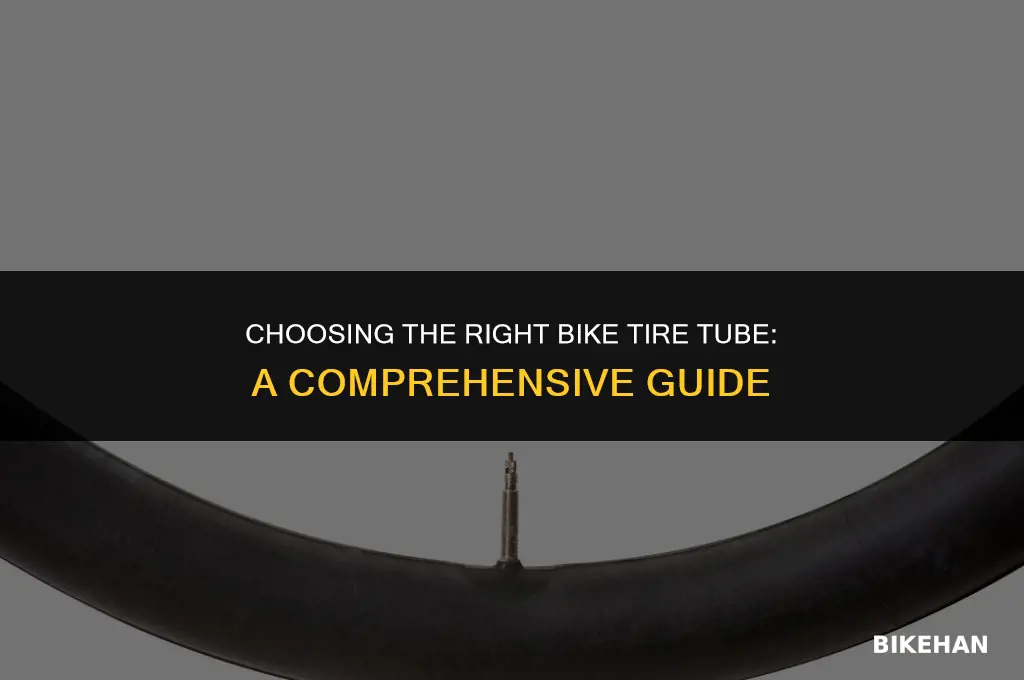
When it comes to bike maintenance, one crucial aspect is ensuring you have the right tire tube for your bicycle. The type of bike tire tube you need depends on several factors, including the size of your bike tires, the type of bike you own (road, mountain, or hybrid), and the kind of riding you typically do. For instance, if you're an avid mountain biker, you'll likely need a more durable tube designed to withstand rough terrain and potential punctures. On the other hand, if you mostly ride on smooth city streets, a standard road bike tube might suffice. It's also important to consider the valve type, as different bikes require different valve stems. By understanding these factors, you can choose the most suitable bike tire tube for your needs, ensuring a safe and comfortable ride.
Explore related products


What You'll Learn
- Understanding Tire Sizes: Learn to read and interpret the numbers and letters on your bike tire
- Tube Material Options: Choose between butyl, latex, or TPU tubes based on your riding needs
- Valve Types: Identify whether you need a Presta, Schrader, or Dunlop valve for your bike
- Tube Thickness: Decide on the appropriate tube thickness for your riding style and terrain
- Compatibility Check: Ensure the tube you select is compatible with your bike's tire and rim

Understanding Tire Sizes: Learn to read and interpret the numbers and letters on your bike tire
To understand the tire size of your bike, you need to learn how to read the numbers and letters printed on the sidewall of the tire. This information is crucial for ensuring that you purchase the correct replacement tire or tube. The sidewall of a bike tire typically displays the tire size in a standardized format, which includes the tire width, the rim diameter, and sometimes the tire type.
The first number you'll see is the tire width, which is usually measured in millimeters. This number indicates the width of the tire from sidewall to sidewall. The next number is the rim diameter, which is the diameter of the wheel that the tire is designed to fit. This measurement is also in millimeters. Sometimes, you'll see a third number, which represents the tire type. For example, a tire size of "700x28c" indicates a tire that is 700 millimeters in diameter, 28 millimeters wide, and of the "c" type, which is a common type of road bike tire.
In addition to these numbers, you may also see letters on the sidewall of the tire. These letters can indicate the tire's construction, such as "clincher" or "tubular," or they may indicate the tire's intended use, such as "road" or "mountain." It's important to note that not all tires will have these letters, and the specific letters and their meanings can vary between manufacturers.
When purchasing a new tire or tube, it's essential to ensure that you're buying the correct size for your bike. If you're unsure of your tire size, you can check the sidewall of your current tire or consult your bike's owner's manual. It's also a good idea to measure your tire width and rim diameter to double-check the size before making a purchase.
Remember, using the wrong tire size can lead to a poor fit, which can cause the tire to rub against the frame or fork, leading to damage or a decrease in performance. Additionally, using a tire that is too wide or too narrow for your rim can cause the tire to not seat properly, which can lead to a blowout or other safety issues. By understanding tire sizes and how to read the information on your bike tire, you can ensure that you're using the correct tire for your bike, which will improve your ride quality and safety.
Exploring the Most Prevalent Bicycle Tire Dimensions
You may want to see also
Explore related products




Tube Material Options: Choose between butyl, latex, or TPU tubes based on your riding needs
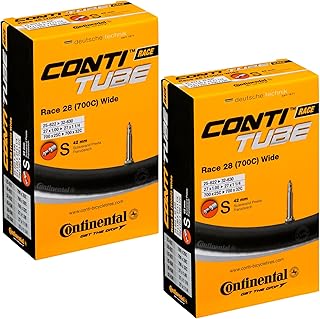
When selecting a bike tire tube, the material is a crucial factor to consider, as it directly impacts the tube's performance, durability, and suitability for different riding conditions. The three primary materials used for bike tire tubes are butyl, latex, and thermoplastic polyurethane (TPU), each offering unique characteristics that cater to specific riding needs.
Butyl tubes are the most common and widely used option due to their excellent air retention properties and durability. They are made from a synthetic rubber that provides a good balance between flexibility and strength, making them suitable for a wide range of riding conditions, from casual commuting to more demanding off-road adventures. Butyl tubes are also relatively inexpensive and easy to patch, making them a practical choice for riders on a budget.
Latex tubes, on the other hand, are known for their superior elasticity and ability to conform to the tire's shape, providing a more comfortable and responsive ride. They are also lighter than butyl tubes, which can be beneficial for performance-oriented riders looking to reduce weight. However, latex tubes are more prone to punctures and require more frequent inflation, making them less suitable for long-distance touring or rugged off-road use.
TPU tubes offer a unique combination of durability and lightweight properties, making them an attractive option for riders seeking a balance between performance and reliability. They are more resistant to punctures than latex tubes and hold air better than butyl tubes, making them suitable for a variety of riding conditions. Additionally, TPU tubes are often more environmentally friendly than butyl tubes, as they can be made from recycled materials.
When choosing a tube material, riders should consider factors such as their riding style, the terrain they will be riding on, and their budget. For casual riders who prioritize durability and ease of maintenance, butyl tubes are a good choice. Performance-oriented riders who value weight savings and a responsive ride may prefer latex tubes, while those seeking a balance between performance and reliability may opt for TPU tubes.
In conclusion, the choice of tube material is an important decision that can significantly impact a rider's experience. By understanding the unique characteristics of butyl, latex, and TPU tubes, riders can make an informed decision that best suits their riding needs and preferences.
Exploring the Limits: What is the Widest Bike Tire?
You may want to see also
Explore related products


Valve Types: Identify whether you need a Presta, Schrader, or Dunlop valve for your bike
Identifying the correct valve type for your bike tire tube is crucial for a proper fit and function. There are three main types of valves used in bicycle tires: Presta, Schrader, and Dunlop. Each valve type has its own unique characteristics and is designed for specific types of tires and inflation requirements.
Presta valves are commonly found on high-performance and racing bicycles. They are characterized by their slim profile and locking nut mechanism, which requires a specific Presta valve adapter for inflation. Presta valves are typically used for tires that require high inflation pressures, such as road bike tires.
Schrader valves, on the other hand, are more commonly found on mountain bikes and casual riding bicycles. They are wider than Presta valves and have a threaded exterior, which allows them to be screwed into the tire rim. Schrader valves are compatible with most standard air pumps and are used for tires that require lower inflation pressures.
Dunlop valves, also known as "flash valves," are less common but can still be found on some older bicycles and certain types of tires. They are characterized by their unique two-piece design, which includes a separate valve stem and a locking ring. Dunlop valves require a specific Dunlop valve adapter for inflation and are typically used for tires that require moderate inflation pressures.
To determine which valve type you need for your bike tire tube, you should first check the specifications on your tire's sidewall. The sidewall will usually indicate the recommended valve type and inflation pressure range. If you're unsure, you can also consult your bike's owner's manual or visit a local bike shop for assistance.
In summary, choosing the correct valve type for your bike tire tube is essential for proper fit and function. By understanding the differences between Presta, Schrader, and Dunlop valves, you can ensure that you select the right valve type for your specific tire and inflation requirements.
Exploring the Ideal Fat Tire Bike Tire Size for Optimal Performance
You may want to see also
Explore related products


Tube Thickness: Decide on the appropriate tube thickness for your riding style and terrain
The thickness of a bike tire tube is a critical factor that can significantly impact your riding experience. Thicker tubes tend to be more puncture-resistant, making them ideal for rough terrain or for riders who prioritize durability. However, they can also make the tire feel stiffer, which may affect the overall comfort and handling of the bike. On the other hand, thinner tubes are more flexible and can provide a smoother ride, but they are more susceptible to punctures and may require more frequent replacements.
When deciding on the appropriate tube thickness, consider the type of riding you typically do. For mountain biking or off-road cycling, where the risk of punctures is higher, a thicker tube may be more suitable. Conversely, for road cycling or commuting on paved surfaces, a thinner tube might be preferable for its improved comfort and handling.
Another factor to consider is the terrain you ride on. If you frequently encounter sharp rocks, glass, or other debris, a thicker tube can provide an extra layer of protection. However, if you mostly ride on smooth, well-maintained paths, a thinner tube may be sufficient.
It's also important to note that tube thickness can affect the overall weight of your bike. Thicker tubes are heavier, which can impact the bike's performance, especially when climbing hills or accelerating. If weight is a concern, you may want to opt for a thinner tube.
Ultimately, the decision on tube thickness comes down to personal preference and the specific demands of your riding style and terrain. Experimenting with different thicknesses can help you find the perfect balance between durability, comfort, and performance for your unique cycling needs.
Decoding Tire Sizes for Your Specialized XL Bike: A Comprehensive Guide
You may want to see also
Explore related products


Compatibility Check: Ensure the tube you select is compatible with your bike's tire and rim
Before selecting a tube for your bike tire, it's crucial to ensure compatibility with both the tire and the rim. This involves checking several key factors to avoid potential issues such as improper fit, reduced performance, or even safety hazards.
First, verify the tire size. This information is typically printed on the sidewall of the tire and includes the diameter and width. The tube must match these dimensions to fit correctly. For example, a tube designed for a 26-inch tire will not fit a 29-inch tire, regardless of the width.
Next, consider the rim type. Different rims require different tube valves. The most common types are Presta, Schrader, and Dunlop valves. Presta valves are typically found on road bikes and have a narrow, threaded body with a locking nut. Schrader valves, common on mountain bikes, are wider and have a spring-loaded plunger. Dunlop valves, less common but still in use, have a wider body than Presta valves and no locking nut.
Additionally, check the tube material. Tubes can be made from various materials, including butyl, latex, and TPU (thermoplastic polyurethane). Each material has its own advantages and disadvantages. Butyl tubes are the most common and offer good durability and puncture resistance. Latex tubes are lighter and more flexible but are more prone to punctures. TPU tubes are strong and resistant to punctures but can be more expensive.
Finally, ensure the tube pressure rating matches the recommended tire pressure. Using a tube with a lower pressure rating than the tire requires can lead to a blowout, while using a tube with a higher pressure rating may result in a harsher ride and increased risk of punctures.
By carefully considering these factors, you can ensure that the tube you select is compatible with your bike's tire and rim, providing a safe and efficient riding experience.
Unpoppable: The Quest for the Ultimate Puncture-Resistant Bike Tire
You may want to see also
Frequently asked questions
For a road bike, you typically need a presta valve tube, which is characterized by its narrow, threaded valve stem and locking nut mechanism. These tubes are designed to hold high pressures and are commonly used in road cycling due to their efficiency and reliability.
To determine the correct size of bike tire tube for your mountain bike, you need to check the tire's sidewall for size markings, which usually follow the format of "29 x 2.3" or "27.5 x 2.8". The first number indicates the diameter of the wheel in inches, while the second number represents the width of the tire in inches. Make sure to select a tube that matches these dimensions for a proper fit.
Presta valve tubes have a narrow, threaded valve stem with a locking nut mechanism, which allows them to hold high pressures and are commonly used in road cycling. Schrader valve tubes, on the other hand, have a wider valve stem with a pop-off cap and are typically used in mountain biking and casual riding due to their ease of use and compatibility with most pumps.
While it may be tempting to use a tube with a higher pressure rating to improve performance, it is generally not recommended. Using a tube with a higher pressure rating than your bike tire's recommended pressure can lead to an increased risk of tire blowouts and damage to your rim. Always follow the manufacturer's recommendations for tire pressure and tube compatibility.
Common causes of bike tire punctures include sharp objects like nails, glass, or thorns on the road, as well as wear and tear from regular use. Other factors that can contribute to punctures include improper tire inflation, damaged rims, or issues with the tube itself, such as pinch flats or valve stem failures. Regular maintenance and inspection of your tires and tubes can help prevent punctures and ensure a safe and enjoyable ride.