Lauren Kennedy
A good road bike tire is essential for a smooth and efficient ride. When choosing a tire, cyclists should consider several factors, including the tire's width, material, tread pattern, and puncture protection. Wider tires provide more stability and comfort, while narrower tires are lighter and faster. The material of the tire, such as rubber or synthetic compounds, affects its durability and grip. Tread patterns vary depending on the intended use, with some tires designed for wet conditions and others for dry roads. Puncture protection is also crucial, as road debris and sharp objects can easily puncture a tire. By considering these factors, cyclists can select a tire that meets their specific needs and enhances their overall riding experience.
Explore related products




What You'll Learn
- Tire Material: The type of rubber and casing material used affects durability, grip, and rolling resistance
- Tire Width: Wider tires offer more stability and comfort, while narrower tires are faster and more efficient
- Tire Tread Pattern: Different tread patterns provide varying levels of traction on different road surfaces
- Tire Pressure: Proper tire pressure is crucial for optimal performance, comfort, and safety
- Puncture Resistance: Some tires are designed with extra protection to prevent punctures from road debris

Tire Material: The type of rubber and casing material used affects durability, grip, and rolling resistance
The type of rubber and casing material used in a road bike tire significantly impacts its durability, grip, and rolling resistance. High-quality tires often use a combination of natural and synthetic rubber compounds to achieve the right balance of these properties. Natural rubber provides excellent grip and flexibility, while synthetic rubber enhances durability and resistance to wear and tear.
The casing material, which forms the structure of the tire, is typically made from nylon, polyester, or Kevlar. Nylon casings are the most common and offer a good balance of strength and flexibility. Polyester casings are lighter and more resistant to punctures, but they can be stiffer and less comfortable. Kevlar casings are the strongest and lightest, but they are also the most expensive and can be more difficult to repair.
The tread pattern and thickness also play a crucial role in determining the tire's performance. A thicker tread provides better cushioning and puncture protection, but it can also increase rolling resistance. A thinner tread is faster and more efficient, but it offers less protection and grip. The tread pattern should be designed to channel water away from the tire to prevent hydroplaning and improve wet weather performance.
When choosing a road bike tire, it's essential to consider the type of riding you'll be doing. For long-distance touring, a tire with a thicker tread and more durable casing material is recommended. For racing or time trials, a thinner tread and lighter casing material will provide better performance. It's also important to consider the weather conditions you'll be riding in, as some tires are better suited for wet or dry conditions.
In conclusion, the type of rubber and casing material used in a road bike tire has a significant impact on its performance and durability. By understanding the different materials and tread patterns available, cyclists can choose the right tire for their specific needs and riding conditions.
Exploring the Largest Fat Bike Tires: A Comprehensive Guide
You may want to see also
Explore related products


Tire Width: Wider tires offer more stability and comfort, while narrower tires are faster and more efficient
The width of a road bike tire plays a crucial role in determining the overall performance and riding experience. Wider tires, typically those measuring 28mm or more, provide several advantages. Firstly, they offer increased stability, which is particularly beneficial for riders who prioritize comfort and safety. The larger contact patch with the road surface distributes the rider's weight more evenly, reducing the likelihood of sudden punctures and providing a smoother ride over uneven terrain. Additionally, wider tires are more adept at absorbing road vibrations, which can lead to less fatigue during long rides.
On the other hand, narrower tires, usually those measuring 23mm or less, are favored by competitive cyclists and those seeking speed and efficiency. These tires reduce rolling resistance, allowing for faster acceleration and higher top speeds. The decreased weight of narrower tires also contributes to improved climbing performance and easier handling, especially in tight corners or during aggressive maneuvers. However, the trade-off is a harsher ride quality and increased susceptibility to punctures from road debris.
When selecting the optimal tire width, riders must consider their specific needs and riding conditions. For example, those who frequently ride on rough or cobbled roads may benefit from the added cushioning of wider tires. Conversely, riders who participate in time trials or criteriums may prefer the speed advantages of narrower tires. It's also important to note that tire width can affect the overall fit and aerodynamics of the bike, as wider tires may require different rim sizes or frame geometries to accommodate them properly.
In conclusion, the choice of tire width is a critical decision that can significantly impact the performance and comfort of a road bike. By understanding the benefits and drawbacks of wider and narrower tires, riders can make an informed choice that best suits their individual riding style and preferences.
Exploring TPI: The Key to Road Bike Tire Performance
You may want to see also
Explore related products


Tire Tread Pattern: Different tread patterns provide varying levels of traction on different road surfaces
The tread pattern on a road bike tire is crucial for ensuring optimal traction and performance on various road surfaces. Different tread patterns are designed to excel in specific conditions, such as wet roads, rough surfaces, or smooth pavement. For instance, a tire with a slick tread pattern, which has minimal or no tread blocks, is ideal for dry, smooth roads as it provides maximum contact with the surface, reducing rolling resistance and improving speed. However, this type of tire would perform poorly in wet conditions due to its lack of water displacement capabilities.
In contrast, a tire with a more aggressive tread pattern, featuring larger and more widely spaced tread blocks, is better suited for wet and rough roads. This design allows for better water evacuation, reducing the risk of hydroplaning, and provides additional grip on uneven surfaces. However, such a tire might not be as efficient on smooth, dry roads due to increased rolling resistance.
Another common tread pattern is the 'chevron' design, characterized by V-shaped tread blocks. This pattern offers a good balance between wet and dry traction, making it a versatile choice for riders who encounter varying road conditions. The chevron pattern helps to channel water away from the tire's contact patch while still maintaining a relatively low rolling resistance on dry roads.
When selecting a road bike tire, it's essential to consider the typical road conditions you'll be riding in. If you primarily ride on smooth, dry roads, a slick or lightly treaded tire might be the best option. However, if you frequently encounter wet or rough surfaces, a tire with a more aggressive tread pattern would be more suitable. Additionally, some tires feature a combination of tread patterns, with different designs on the center and sides of the tire, to provide a balance of traction and efficiency in various conditions.
Ultimately, the choice of tread pattern depends on your specific riding needs and preferences. By understanding the different tread patterns available and their intended uses, you can select a road bike tire that will provide the best possible performance and safety on the roads you ride.
Exploring the Inner Workings: What's Inside a Bike Tire?
You may want to see also
Explore related products


Tire Pressure: Proper tire pressure is crucial for optimal performance, comfort, and safety
Proper tire pressure is crucial for optimal performance, comfort, and safety when it comes to road bike tires. Maintaining the correct tire pressure ensures that your tires are able to provide the necessary grip and traction on the road, while also preventing punctures and other potential issues. In this section, we will explore the importance of tire pressure and provide guidance on how to properly inflate your road bike tires.
One of the key reasons why proper tire pressure is so important is that it directly affects the performance of your road bike. Underinflated tires can lead to increased rolling resistance, which means that you will have to work harder to maintain your speed. This can be particularly problematic during long rides or when climbing hills. On the other hand, overinflated tires can result in a harsher ride and reduced grip on the road, which can be dangerous in wet or slippery conditions.
In addition to performance, proper tire pressure also plays a critical role in ensuring your safety while riding. Underinflated tires are more susceptible to punctures and other damage, which can lead to accidents if not addressed promptly. Overinflated tires, on the other hand, can be more prone to blowouts, which can be extremely dangerous at high speeds. By maintaining the correct tire pressure, you can help to minimize these risks and ensure a safer riding experience.
So, how do you properly inflate your road bike tires? The first step is to check the recommended tire pressure for your specific bike and tire model. This information can usually be found in your bike's manual or on the tire manufacturer's website. Once you have the recommended pressure, use a tire pump to inflate your tires to the correct level. Be sure to check the pressure regularly, as it can fluctuate due to changes in temperature and other factors.
In conclusion, proper tire pressure is essential for optimal performance, comfort, and safety when it comes to road bike tires. By following the guidance provided in this section, you can ensure that your tires are properly inflated and ready for your next ride. Remember to always check the recommended tire pressure for your specific bike and tire model, and to regularly monitor the pressure to ensure that it remains at the correct level.
Understanding Bike Tire Gauges: The Essential Nut Component
You may want to see also
Explore related products

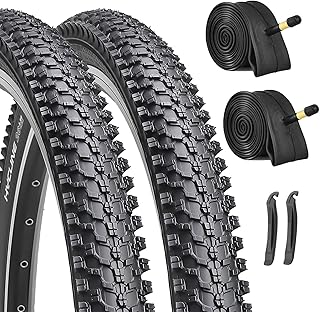


Puncture Resistance: Some tires are designed with extra protection to prevent punctures from road debris
Puncture resistance is a critical feature for road bike tires, especially for cyclists who frequently encounter rough or debris-laden surfaces. Some tires are specifically engineered with additional layers or materials to enhance their ability to withstand punctures from sharp objects like glass, nails, or thorns.
One common approach to improving puncture resistance is the use of a protective layer beneath the tread. This layer, often made from a tough, flexible material like Kevlar or nylon, acts as a barrier to prevent sharp objects from penetrating the tire's inner tube. Another method involves incorporating small, puncture-resistant particles into the tire's rubber compound, which can help to seal small punctures before they become problematic.
When selecting a puncture-resistant tire, it's important to consider the trade-offs between protection and performance. While these tires offer increased durability, they may also be heavier and less flexible than standard tires, potentially affecting the bike's handling and speed. Cyclists should weigh their specific needs and riding conditions when deciding whether puncture-resistant tires are the right choice for their road bike.
In addition to the materials and construction methods used, the design of the tire's tread can also play a role in puncture resistance. Tires with a more aggressive tread pattern may be better able to grip the road and eject debris, reducing the risk of punctures. Conversely, tires with a smoother tread pattern may be more susceptible to punctures from sharp objects.
Ultimately, puncture-resistant tires can provide valuable peace of mind for cyclists who want to minimize the risk of flats during their rides. By understanding the different technologies and design features available, riders can make informed decisions about the best tires for their specific needs and riding conditions.
Exploring the Weight Capacity of Fat Tire Bikes: A Comprehensive Guide
You may want to see also
Frequently asked questions
When selecting a road bike tire for speed and efficiency, consider the following factors: tire width, tread pattern, compound, and construction. Narrower tires (around 23-25mm) generally reduce rolling resistance for higher speeds. A slick or minimal tread pattern minimizes friction with the road. Softer compounds provide better grip but may wear out faster, while harder compounds offer longer durability but less traction. Additionally, tire construction, such as the number of plies and the type of sidewall (e.g., clincher, tubular, or tubeless), can impact the tire's weight, stiffness, and puncture resistance.
Tire pressure plays a crucial role in the performance and comfort of a road bike. Higher tire pressures (typically 80-120 psi) can increase speed and efficiency by reducing rolling resistance and improving the tire's contact patch with the road. However, overly high pressures can lead to a harsher ride, increased risk of punctures, and reduced traction on uneven surfaces. Lower tire pressures (around 60-80 psi) can enhance comfort by absorbing more road vibrations and providing better grip on rough terrain, but they may slightly decrease speed and increase the likelihood of tire deformation. It's essential to find the optimal tire pressure balance based on your riding style, road conditions, and personal preferences.
Tubeless road bike tires offer several advantages over clincher tires. They can run at lower pressures without the risk of pinch flats, providing improved comfort and traction. Tubeless tires also eliminate the need for inner tubes, reducing the overall weight and simplifying the tire setup. Additionally, they often have better puncture resistance and can be more aerodynamic due to their smoother sidewalls. However, tubeless tires also have some disadvantages. They can be more challenging to install and remove, especially for inexperienced riders. They may also require more frequent maintenance, as sealant needs to be replenished periodically to prevent air leaks. Furthermore, tubeless tires can be more expensive than clincher tires, both in terms of the tires themselves and the compatible rims and wheels.