Gear & Safety
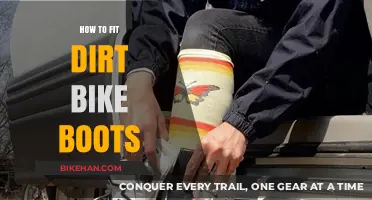
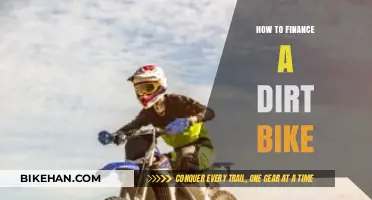
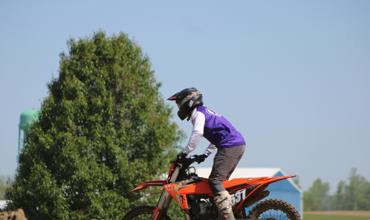
Prioritize safety with proper gear, including a helmet, goggles, boots, gloves, and protective padding. Ensure your gear is comfortable and suitable for the riding conditions.
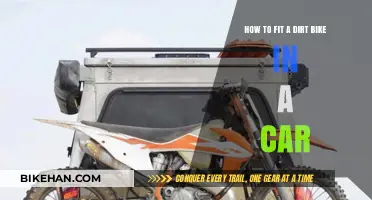
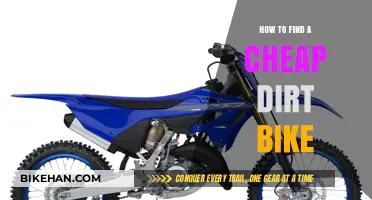
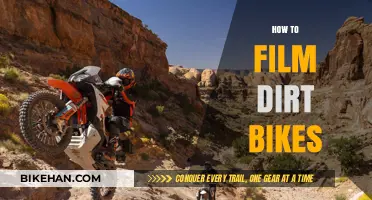
Dirt bikes are designed for off-road riding, offering thrilling experiences and a unique way to explore nature. With various types available, there's a dirt bike suited for every rider and terrain.
Popular types include trail bikes, motocross bikes, enduro bikes, and dual-sport bikes. Each variation is tailored for specific riding conditions and skill levels, ensuring an optimal experience for every enthusiast.
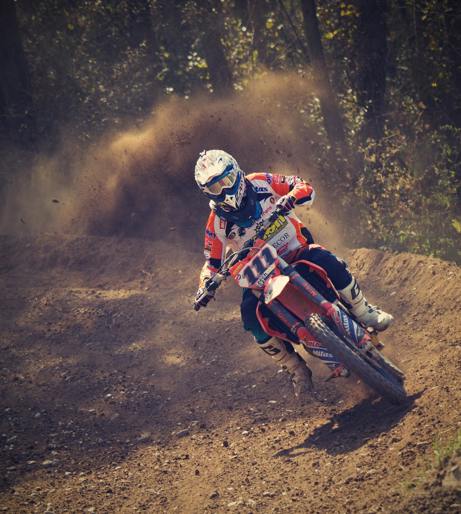
Mastering the art of dirt bike riding starts with understanding the fundamentals. From proper gear to riding techniques, these essentials will set you up for an enjoyable and safe experience.
Prioritize safety with proper gear, including a helmet, goggles, boots, gloves, and protective padding. Ensure your gear is comfortable and suitable for the riding conditions.
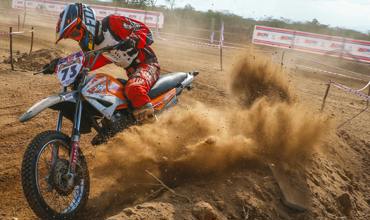
Develop essential skills like body positioning, throttle control, and braking. Practice these techniques to enhance your riding experience and navigate various terrain confidently.
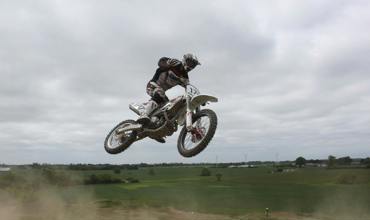
Regular maintenance is key to keeping your dirt bike in optimal condition. Learn basic tasks like cleaning, chain lubrication, and adjusting brakes and suspension.
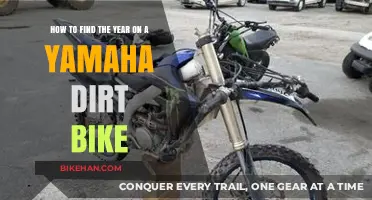
Dirt bikes are specialized machines designed for different riding styles and terrain. Understanding the various types will help you choose the perfect bike for your needs.
Trail bikes are versatile and suitable for a wide range of riders. They handle well on a variety of off-road conditions and are perfect for leisure riding and exploring nature.
Motocross bikes are designed for racing and high-performance riding. They are lightweight, powerful, and built to handle jumps, turns, and the demands of competitive racing.
Enduro bikes are built for endurance and long-distance off-road riding. They combine the agility of a dirt bike with features that enhance comfort and fuel efficiency.
Dual-sport bikes are versatile machines that can be ridden on both on-road and off-road terrain. They are street-legal and perfect for those who want the best of both worlds.
Start with a smaller engine size to build your skills and confidence before moving on to more powerful bikes.
Practice riding in different terrain to improve your technique and adaptability. Each surface, from sand to mud, offers unique challenges.
Learn how to stand while riding. This position improves balance, absorbs shocks, and provides better control over the bike.

Whether you're a beginner or an experienced rider, focusing on these key elements will enhance your dirt bike adventures and ensure a safe and enjoyable experience.
| Element | Description |
|---|---|
| Safety | Always prioritize safety. Wear the appropriate gear, ride within your limits, and be mindful of your surroundings to minimize the risk of accidents. |
| Technique | Develop solid riding techniques, including body positioning, throttle control, and braking. Practice makes perfect, so dedicate time to honing your skills. |
| Bike Maintenance | Regularly maintain your dirt bike to ensure optimal performance and longevity. Learn basic maintenance tasks and establish a routine to keep your bike in top shape. |
| Terrain Awareness | Understand the terrain you're riding on. Adapt your riding style to the conditions, whether it's loose dirt, mud, rocks, or sand. |
| Fitness | Dirt bike riding is a physical activity. Build your strength, endurance, and balance to enhance your riding experience and reduce the risk of injuries. |
| Respect for Nature | Respect the environment and leave no trace. Stay on designated trails, avoid disturbing wildlife, and follow local regulations and guidelines. |
Dirt bike riding is an exhilarating and rewarding hobby. By mastering these key elements, you'll be able to fully enjoy the thrill of the ride and create unforgettable off-road adventures.