Eric Johnson
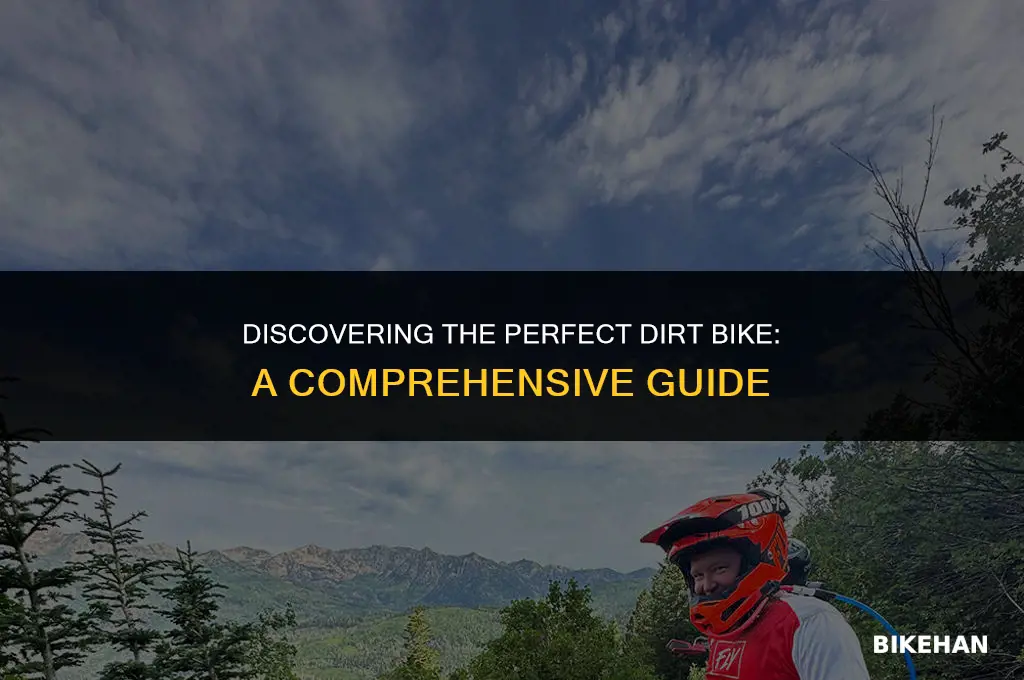
Finding dirt bikes involves understanding your needs, budget, and where to look. Start by determining the type of dirt bike that suits your experience level and intended use—whether it's for casual trail riding, competitive motocross, or enduro adventures. Research different models and brands to get an idea of their specifications, reliability, and price ranges. Once you have a shortlist, consider both new and used options. Visit local dealerships, browse online marketplaces, and check out enthusiast forums for potential leads. When evaluating a dirt bike, pay close attention to its condition, maintenance history, and any necessary repairs. Finally, don't forget to factor in additional costs such as insurance, gear, and maintenance to ensure you're making an informed decision.
Explore related products


What You'll Learn
- Research Online: Browse websites, forums, and social media for dirt bike sales and recommendations
- Visit Dealerships: Explore local motorcycle dealerships to view and test ride various dirt bike models
- Check Classifieds: Look through online and local newspaper classified ads for used dirt bikes
- Ask Enthusiasts: Connect with dirt bike enthusiasts and clubs to get advice and potential leads
- Consider Budget: Determine your budget and compare features and prices to find the best value dirt bike

Research Online: Browse websites, forums, and social media for dirt bike sales and recommendations
To effectively research dirt bikes online, start by visiting specialized websites that cater to off-road motorcycle enthusiasts. Sites like Dirt Bike Magazine, MX News, and Off-Road.com offer comprehensive reviews, news, and forums where you can gather valuable insights from experienced riders. These platforms often feature detailed comparisons of different models, helping you understand the strengths and weaknesses of each bike.
Next, delve into online forums dedicated to dirt biking. Websites such as ThumperTalk, Dirt Bike Forum, and MX Forum are treasure troves of information, where you can ask questions, read about other riders' experiences, and find recommendations tailored to your specific needs. Pay attention to threads discussing bike performance, maintenance tips, and user reviews, as these can provide firsthand knowledge that's invaluable in making an informed decision.
Social media platforms like Facebook, Instagram, and YouTube are also excellent resources for dirt bike research. Follow pages and channels run by dirt bike manufacturers, professional riders, and enthusiasts to stay updated on the latest models, trends, and riding techniques. Engage with the community by commenting on posts, asking questions, and sharing your own experiences. This interactive approach can help you build connections and gain insights that might not be available through traditional research methods.
When browsing these online sources, be sure to critically evaluate the information you come across. Look for corroboration from multiple sources and be wary of biased opinions or sponsored content. Additionally, consider joining local dirt bike clubs or groups, as these can provide opportunities to meet fellow riders, attend events, and gain access to exclusive information and deals.
In summary, researching dirt bikes online involves a strategic approach that includes visiting specialized websites, participating in forums, and leveraging social media platforms. By actively engaging with these resources and critically evaluating the information, you can gather the knowledge and recommendations needed to make a well-informed decision when purchasing a dirt bike.
Mastering the Art of Gear Shifting on a Dirt Bike
You may want to see also
Explore related products


Visit Dealerships: Explore local motorcycle dealerships to view and test ride various dirt bike models
Visiting local motorcycle dealerships is an essential step in the process of finding the perfect dirt bike. This hands-on approach allows you to experience different models firsthand, which is invaluable when making such a significant purchase. Here are some key points to consider when visiting dealerships:
Firstly, research the dealerships in your area to ensure they carry a variety of dirt bike models. Look for dealerships that specialize in off-road motorcycles, as they will likely have a wider selection and more knowledgeable staff. Once you've identified a few potential dealerships, plan your visits and allocate enough time to thoroughly explore each one.
When you arrive at a dealership, take the opportunity to browse the showroom and examine the different dirt bike models on display. Pay attention to the size, weight, and overall design of each bike, as these factors will significantly impact your riding experience. Don't hesitate to ask the sales staff for assistance or to provide more information about specific models.
One of the most crucial aspects of visiting a dealership is the opportunity to test ride the dirt bikes. This will give you a better understanding of how each bike handles and performs, allowing you to make a more informed decision. Be sure to wear appropriate safety gear, such as a helmet and gloves, during the test ride.
During your test ride, pay attention to the bike's acceleration, braking, and suspension. Consider how the bike feels on different terrains and whether it's comfortable to ride for extended periods. After the test ride, take some time to discuss your experience with the sales staff and ask any additional questions you may have.
Finally, be prepared to negotiate the price of the dirt bike. Dealerships often have some flexibility in their pricing, so don't be afraid to ask for a better deal. Consider factors such as the bike's condition, age, and any additional features or accessories when determining a fair price.
In conclusion, visiting local motorcycle dealerships is a vital part of the dirt bike buying process. By taking the time to explore different models, test ride the bikes, and negotiate the price, you can find the perfect dirt bike to suit your needs and preferences.
Dirt Bike Gear Guide: Save the World One Trail at a Time
You may want to see also
Explore related products


Check Classifieds: Look through online and local newspaper classified ads for used dirt bikes
Scouring classified ads can be a treasure hunt for dirt bike enthusiasts looking for a good deal. Online platforms like Craigslist, Facebook Marketplace, and specialized dirt bike forums are great places to start. These sites often have a wide range of listings from various locations, making it easier to compare prices and find the perfect bike.
When browsing online classifieds, it's essential to be cautious of scams. Always verify the seller's identity and be wary of deals that seem too good to be true. It's also a good idea to check the bike's history report and inspect it in person before making a purchase.
Local newspapers can also be a valuable resource for finding used dirt bikes. Many sellers still prefer to advertise in print, and you might find some hidden gems that aren't listed online. Check the classified section regularly and be prepared to act quickly if you find a bike that fits your criteria.
Another advantage of checking classifieds is that you can often negotiate the price. Don't be afraid to haggle, especially if you're paying in cash. However, remember to stay respectful and reasonable in your negotiations.
Lastly, consider expanding your search to nearby cities or towns. You might find a better deal or a more suitable bike if you're willing to travel a bit. Just be sure to factor in the cost of transportation when calculating the overall price.
Rev Up Your Ride: A Step-by-Step Guide to Filing for a New Dirt Bike Title
You may want to see also
Explore related products



Ask Enthusiasts: Connect with dirt bike enthusiasts and clubs to get advice and potential leads
Connecting with dirt bike enthusiasts and clubs can be a goldmine of information and leads when searching for dirt bikes. These communities are often tight-knit and passionate about their sport, making them invaluable resources for newcomers and seasoned riders alike. To tap into this network, consider attending local dirt bike events, races, or meetups where you can interact with riders and club members in person. These events provide an opportunity to ask questions, gather advice, and potentially find leads on bikes for sale.
Online forums and social media groups dedicated to dirt biking can also be treasure troves of information. Platforms like Facebook, Reddit, and specialized dirt bike forums allow you to connect with enthusiasts from around the world, share your experiences, and seek guidance. When participating in these online communities, be sure to follow the group's rules and etiquette, and don't hesitate to reach out to members directly for advice or leads.
Another avenue to explore is joining a local dirt bike club. Clubs often have a wealth of knowledge and resources at their disposal, including information on where to find bikes, how to maintain them, and the best trails to ride. Additionally, clubs may have connections with local dealerships or private sellers, which can give you an edge in finding the perfect bike. To find a club near you, search online for "dirt bike clubs in [your city or region]" or check with local sporting goods stores or motorcycle shops.
When reaching out to enthusiasts and clubs, it's essential to be respectful and genuine in your inquiries. Show a genuine interest in the sport and a willingness to learn, and you'll be more likely to receive helpful advice and leads. Remember that these communities are built on trust and camaraderie, so be patient and build relationships over time. By doing so, you'll not only find valuable information on where to find dirt bikes but also gain access to a supportive and knowledgeable community that can enhance your riding experience.
Mastering the Clutch: A Beginner's Guide to Dirt Bike Driving
You may want to see also
Explore related products


Consider Budget: Determine your budget and compare features and prices to find the best value dirt bike
When embarking on the journey to find a dirt bike, one of the most crucial steps is to consider your budget. This doesn't simply mean knowing how much you're willing to spend, but also understanding the value you're getting for your money. Dirt bikes can range significantly in price, and without a clear budget in mind, it's easy to get overwhelmed by the options available. Start by researching the average prices for dirt bikes in your desired category—whether that's for beginners, intermediate riders, or professionals. This will give you a baseline to work from and help you set a realistic budget.
Once you have a budget in place, it's time to compare features and prices. This is where the real value lies. Look for bikes that offer the best combination of features for your money. Consider factors such as engine size, weight, suspension, and build quality. A bike that is well-built and has good suspension may cost more upfront but could save you money in the long run by requiring less maintenance and repairs. Additionally, think about the cost of ownership, including insurance, registration, and maintenance.
It's also important to consider the brand reputation and customer reviews. A bike from a reputable brand may be more expensive, but it's likely to be more reliable and have better resale value. Read reviews from other riders to get a sense of the bike's performance and durability. This can help you make a more informed decision and avoid costly mistakes.
Another aspect to consider is the availability of parts and servicing. A bike that is easy to service and has readily available parts can save you time and money in the long run. Check with local mechanics or online forums to see what the consensus is on different models and brands.
Finally, don't be afraid to negotiate. If you've found a bike that you're interested in, but it's slightly out of your budget, try negotiating with the seller. They may be willing to come down in price, especially if you're paying in cash or are a serious buyer. Just remember to stay within your budget and don't compromise on the features and quality you're looking for.
By carefully considering your budget and comparing features and prices, you can find the best value dirt bike that meets your needs and preferences. This will ensure that you get the most out of your investment and have a bike that you'll enjoy riding for years to come.
Safely Emptying Gas from Your Dirt Bike: A Step-by-Step Guide
You may want to see also
Frequently asked questions
You can find dirt bikes for sale at local motorcycle dealerships, online marketplaces like Craigslist or eBay, and specialized dirt bike shops.
When buying a dirt bike, consider factors such as your skill level, the type of terrain you'll be riding on, the bike's engine size and power, its weight, and the overall condition of the bike.
To determine the right size dirt bike, consider your height and weight. Most dirt bikes come in sizes ranging from 125cc to 450cc. Beginners should start with a smaller engine size and gradually move up as their skills improve.
When riding a dirt bike, you should wear a helmet, goggles, gloves, a long-sleeved shirt, long pants, and sturdy boots. Additional protective gear like a chest protector, knee pads, and elbow pads can also be beneficial.