Ryan Cole
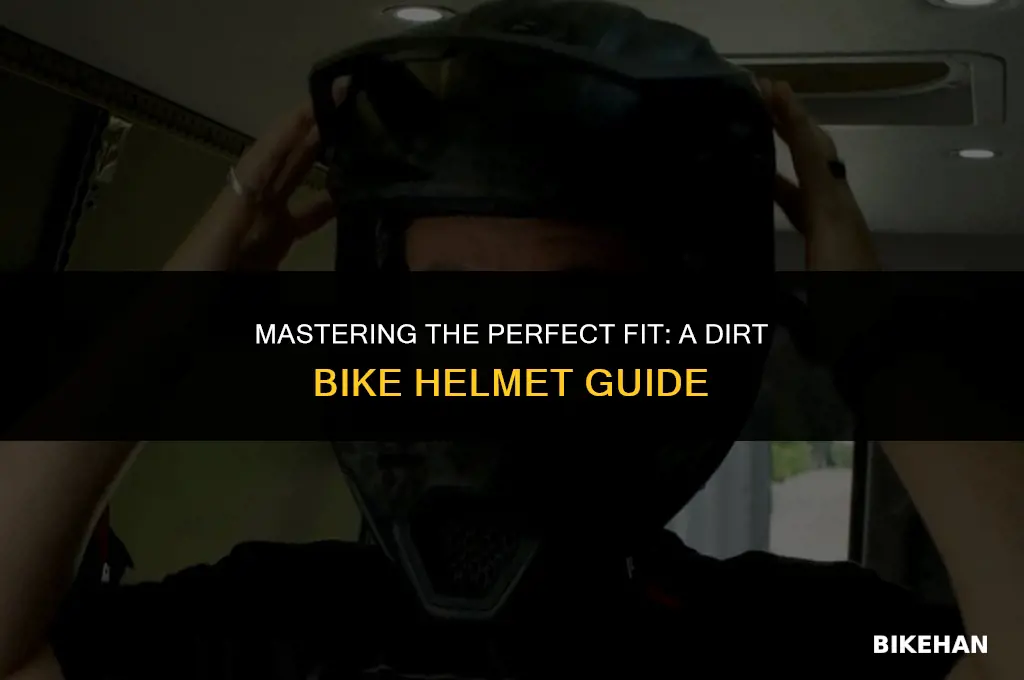
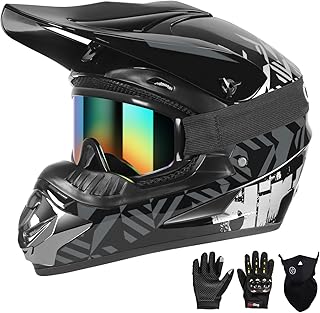
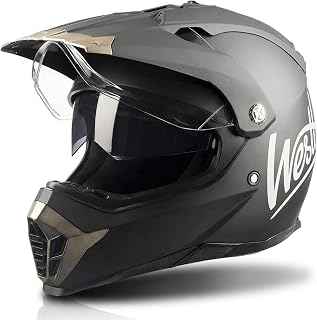
Fitting a dirt bike helmet correctly is crucial for both safety and comfort during off-road riding. A well-fitted helmet can significantly reduce the risk of head injuries in the event of a fall or collision. To ensure a proper fit, start by measuring your head circumference with a flexible tape measure, positioning it just above your eyebrows and ears. Compare this measurement to the manufacturer's sizing chart to select the appropriate helmet size. When trying on the helmet, make sure it sits snugly on your head without being too tight, and the chin strap should be adjusted so that it fits securely but comfortably under your chin. The helmet should not move excessively when you shake your head, and the visor should provide adequate visibility and protection from debris.
| Characteristics | Values |
|---|---|
| Helmet Type | Full-face, open-face, or modular |
| Size | XS, S, M, L, XL, XXL (varies by brand) |
| Weight | Approximately 2.5-3.5 lbs (1.1-1.6 kg) |
| Material | Polycarbonate, fiberglass, or carbon fiber |
| Liner Material | Moisture-wicking, breathable fabric |
| Ventilation | Adjustable vents for airflow |
| Visor | Clear, tinted, or mirrored options |
| Strap | Adjustable with quick-release buckle |
| Padding | Removable and washable |
| Certification | DOT, Snell, or ECE certified |
| Color Options | Various colors and designs available |
| Brand Examples | Arai, Shoei, Bell, Fox, or HJC |
| Price Range | $100-$500+ depending on features and brand |
| Fitment | Snug but comfortable, with no pressure points |
| Purpose | Protection for dirt bike riding and racing |
Explore related products


What You'll Learn
- Choosing the Right Size: Measure your head circumference and refer to the manufacturer's sizing chart for a proper fit
- Proper Helmet Positioning: The helmet should sit snugly on your head without any gaps, covering your forehead slightly
- Adjusting the Chin Strap: Secure the chin strap comfortably, ensuring it's tight enough to stay in place but not too tight to restrict breathing
- Checking for Comfort: The helmet should be comfortable to wear for extended periods, with adequate ventilation and padding
- Safety Certification: Ensure your helmet meets safety standards such as DOT, Snell, or ECE for optimal protection

Choosing the Right Size: Measure your head circumference and refer to the manufacturer's sizing chart for a proper fit
To ensure a proper fit for your dirt bike helmet, start by measuring your head circumference. This is a crucial step, as a helmet that is too loose or too tight can compromise safety and comfort. Use a flexible measuring tape and wrap it around the fullest part of your head, just above your eyebrows and ears. Make sure the tape is snug but not tight, and take note of the measurement in centimeters or inches.
Once you have your head circumference, refer to the manufacturer's sizing chart for the specific helmet model you are interested in. Sizing charts can usually be found on the manufacturer's website or in the product manual. Look for the chart that corresponds to your head circumference measurement, and identify the recommended helmet size. Keep in mind that different manufacturers may have slightly different sizing standards, so it's important to consult the chart for each specific helmet brand.
When trying on a helmet, make sure to wear it for at least a few minutes to get a good sense of the fit. The helmet should sit comfortably on your head without any pressure points or discomfort. Check that the helmet is level and not tilted forward or backward. You should be able to fit one finger between the helmet and your forehead, and the chin strap should be snug but not tight.
If you're between sizes, it's generally better to opt for the smaller size, as a slightly snugger fit is preferable to a loose one. However, if the smaller size is too tight, you may need to consider a different helmet model or brand that offers a better fit for your head shape.
Remember, a properly fitted helmet is essential for safety while riding a dirt bike. Take the time to measure your head and consult the sizing chart to ensure you get the right fit.
Yamaha Dirt Bike Gas Drainage: A Step-by-Step Guide
You may want to see also
Explore related products


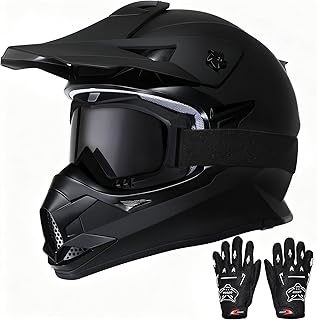

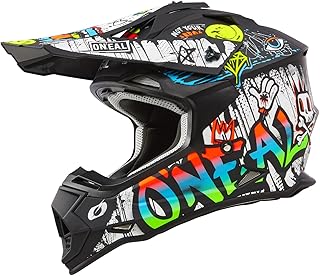
Proper Helmet Positioning: The helmet should sit snugly on your head without any gaps, covering your forehead slightly
To ensure optimal safety and comfort, the helmet must be positioned correctly on the head. This involves placing the helmet snugly on the head without any gaps, ensuring it covers the forehead slightly. This positioning is crucial as it allows the helmet to provide maximum protection in the event of an impact.
When fitting a dirt bike helmet, it's essential to avoid common mistakes such as wearing the helmet too far back on the head or too low on the forehead. These errors can compromise the helmet's ability to protect the rider's head and face. Instead, the helmet should sit comfortably above the eyebrows, providing a clear field of vision while also protecting the forehead.
To achieve the proper helmet positioning, follow these steps:
- Place the helmet on your head, ensuring it sits comfortably above your eyebrows.
- Adjust the helmet's position by moving it slightly forward or backward until it feels snug and secure.
- Check for any gaps between the helmet and your head. If gaps are present, adjust the helmet's position or consider using a different size or model.
- Ensure the helmet's chin strap is securely fastened and adjusted to fit snugly under your chin.
By following these steps and focusing on proper helmet positioning, riders can significantly reduce the risk of head injuries and ensure a safer, more enjoyable dirt biking experience.
Mastering the Art of Riding a 4-Stroke Dirt Bike
You may want to see also
Explore related products


Adjusting the Chin Strap: Secure the chin strap comfortably, ensuring it's tight enough to stay in place but not too tight to restrict breathing
Begin by locating the chin strap on your dirt bike helmet. It's typically found at the bottom of the helmet, near the jawline. The chin strap is an essential component for securing the helmet in place during rides.
To adjust the chin strap, first, ensure the helmet is properly positioned on your head. The helmet should sit snugly, with the top of the helmet just above your eyebrows. Once the helmet is in the correct position, fasten the chin strap.
Start by tightening the strap just enough to keep the helmet in place. You should be able to fit one finger between the strap and your chin comfortably. If the strap is too loose, it won't provide adequate protection in case of an accident.
However, be cautious not to overtighten the strap. If it's too tight, it can restrict breathing and cause discomfort during your ride. A good rule of thumb is to tighten the strap until you can no longer fit a finger between it and your chin, but not so tight that it causes any discomfort.
Remember to check the chin strap regularly to ensure it remains secure and comfortable. Over time, the strap may loosen due to wear and tear, so it's essential to adjust it as needed.
In summary, adjusting the chin strap on your dirt bike helmet is crucial for both safety and comfort. By following these steps, you can ensure that your helmet stays securely in place during your rides without causing any discomfort or restricting your breathing.
Unearthing the Perfect Dirt Bike: A Guide to Finding Your Top Dead Center Ride
You may want to see also
Explore related products


Checking for Comfort: The helmet should be comfortable to wear for extended periods, with adequate ventilation and padding
Ensuring comfort is a critical aspect of fitting a dirt bike helmet, as it directly impacts the rider's experience and safety. A helmet that is uncomfortable to wear may cause distractions or discomfort during a ride, potentially leading to accidents. Therefore, it is essential to check for comfort by wearing the helmet for extended periods before making a purchase.
Adequate ventilation is a key factor in helmet comfort, especially for dirt bike riders who often ride in warm and dusty environments. A helmet with good ventilation will help to keep the rider's head cool and reduce the buildup of sweat, which can cause discomfort and impair vision. To check for adequate ventilation, riders should look for helmets with multiple air vents and channels that allow for airflow.
Padding is another important aspect of helmet comfort. A helmet with sufficient padding will help to absorb shocks and reduce the impact on the rider's head in the event of a fall. Additionally, padding can help to prevent the helmet from moving around on the rider's head, which can cause discomfort and reduce the effectiveness of the helmet. When checking for padding, riders should look for helmets with thick, high-quality padding that is evenly distributed throughout the helmet.
To ensure a comfortable fit, riders should also pay attention to the helmet's weight and balance. A helmet that is too heavy or unbalanced can cause neck strain and discomfort during a ride. Riders should look for helmets that are lightweight and have a balanced design to minimize the risk of neck strain.
Finally, riders should consider the helmet's interior lining and how it feels against their skin. A helmet with a soft, breathable lining will help to keep the rider's head comfortable and reduce the risk of irritation or chafing. Riders should also check for any seams or edges that may cause discomfort when the helmet is worn for extended periods.
In conclusion, checking for comfort is a crucial step in fitting a dirt bike helmet. By considering factors such as ventilation, padding, weight, balance, and interior lining, riders can ensure that they select a helmet that is comfortable to wear for extended periods, ultimately enhancing their riding experience and safety.
Mastering the Art of Road Riding on a Dirt Bike
You may want to see also
Explore related products


Safety Certification: Ensure your helmet meets safety standards such as DOT, Snell, or ECE for optimal protection
When selecting a dirt bike helmet, one of the most critical factors to consider is safety certification. Helmets that meet recognized safety standards such as DOT (Department of Transportation), Snell, or ECE (Economic Commission for Europe) are designed to provide optimal protection in the event of an accident. These certifications ensure that the helmet has undergone rigorous testing and meets specific criteria for impact absorption, penetration resistance, and retention system effectiveness.
To ensure your helmet meets these standards, look for the certification label inside the helmet. This label will typically indicate which standards the helmet complies with. Additionally, you can check the manufacturer's website or contact them directly to confirm the safety certifications of their products. It's important to note that not all helmets are certified to the same standards, so it's crucial to verify this information before making a purchase.
Beyond just meeting safety standards, it's also essential to choose a helmet that fits properly. A well-fitted helmet will provide better protection and comfort. To determine the correct fit, measure the circumference of your head using a flexible tape measure. This measurement can then be used to select the appropriate helmet size according to the manufacturer's sizing chart. When trying on a helmet, make sure it sits snugly on your head without being too tight or too loose. The chin strap should be adjusted so that it fits comfortably under your chin, with enough room to accommodate one finger.
Regularly inspecting your helmet for any signs of damage or wear is also crucial for maintaining safety. Look for cracks, dents, or any other damage to the outer shell, as well as any fraying or stretching of the straps. If you notice any issues, it's best to replace the helmet immediately. Additionally, it's recommended to replace your helmet every five years, or sooner if you've been involved in an accident.
In conclusion, ensuring your dirt bike helmet meets safety standards and fits properly is essential for protecting yourself while riding. By following these guidelines, you can help minimize the risk of injury and enjoy a safer riding experience.
Mastering the Art of Gear Shifting on a Dirt Bike
You may want to see also
Frequently asked questions
To measure your head for a dirt bike helmet, use a flexible tape measure and wrap it around the fullest part of your head, just above your eyebrows and ears. Make sure the tape is snug but not too tight, and record the measurement to the nearest centimeter or inch.
When choosing a dirt bike helmet, look for safety features such as a full-face design, a sturdy chin guard, and a visor to protect your eyes from debris. Additionally, ensure the helmet meets safety standards like DOT, Snell, or ECE, and has a secure strap system to keep it in place during a crash.
A dirt bike helmet should fit snugly but comfortably, with no excessive movement when you shake your head. The padding should be firm but not too tight, and the helmet should sit level on your head without tilting forward or backward. Make sure the chin guard is close to your chin and the visor is positioned correctly for optimal visibility.