Megan Blake
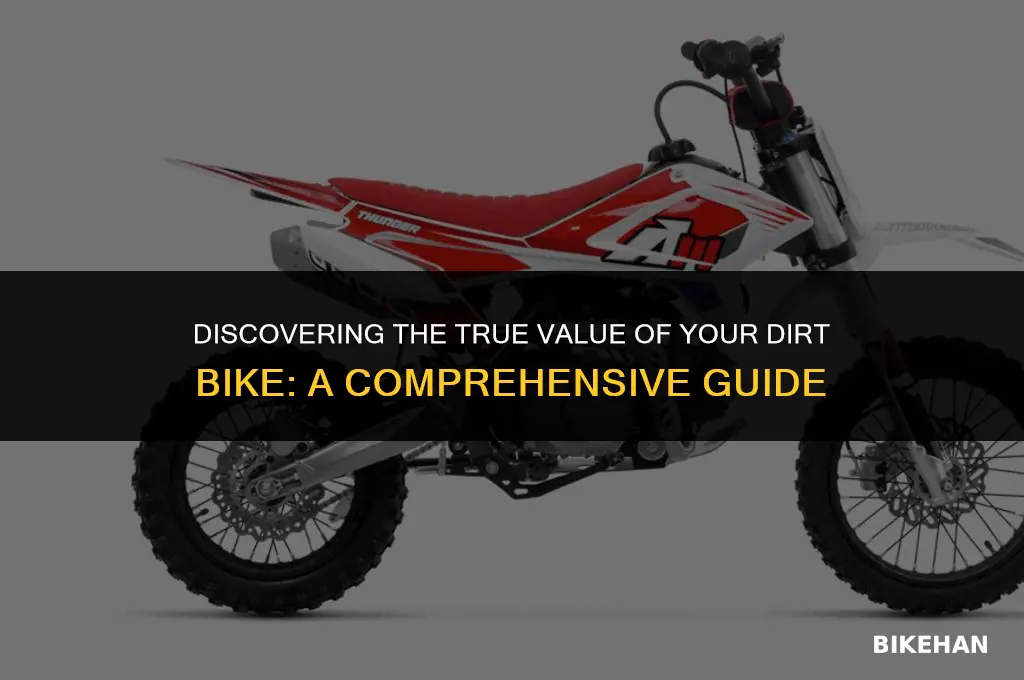
Finding the value of a dirt bike involves considering several key factors. The make, model, and year of the bike are crucial, as they determine its specifications and performance capabilities. Additionally, the condition of the bike plays a significant role; well-maintained bikes with minimal wear and tear will generally be worth more. Mileage is another important aspect, as lower mileage often correlates with higher value. Market demand and the availability of similar models can also influence the bike's worth. Researching current sales listings and consulting with experts or enthusiasts can provide valuable insights into the bike's market value.
Explore related products


What You'll Learn
- Research Current Market Value: Look up recent sales data and industry reports to understand the current market value
- Inspect the Bike's Condition: Check for any damages, wear and tear, and maintenance history to assess its condition
- Consider the Bike's Age: Older bikes may have lower values due to depreciation, while newer models can be more expensive
- Evaluate the Brand and Model: Some brands and models are more sought after than others, affecting the bike's value
- Factor in Additional Features: Customizations, upgrades, and accessories can increase the value of a dirt bike

Research Current Market Value: Look up recent sales data and industry reports to understand the current market value
To accurately determine the value of a dirt bike, it's essential to research the current market value. This involves looking up recent sales data and industry reports to understand the prevailing prices and trends. Start by identifying the make, model, and year of the dirt bike in question, as these factors significantly influence its value.
Next, consult online marketplaces and auction sites that specialize in selling dirt bikes. Websites like eBay Motors, Craigslist, and specialized dirt bike forums can provide a wealth of information on recent sales prices. Look for listings that match the specifications of the dirt bike you're evaluating, and take note of the final sale prices.
In addition to online marketplaces, industry reports from reputable sources such as Kelley Blue Book or NADA Guides can offer valuable insights into the current market value of dirt bikes. These reports often include data on depreciation, average retail prices, and market trends, which can help you make an informed assessment of the bike's value.
When researching market value, it's also important to consider the condition of the dirt bike. Factors such as mileage, wear and tear, and any modifications or upgrades can impact the bike's value. Be sure to adjust your valuation accordingly based on the bike's specific condition.
Finally, consider reaching out to local dirt bike dealerships or enthusiasts for their input on the current market value. They may have firsthand knowledge of recent sales in your area and can provide additional context to help you determine a fair price for the bike.
By following these steps and gathering data from multiple sources, you can develop a comprehensive understanding of the current market value for the dirt bike you're interested in. This research will enable you to make a more informed decision when buying or selling a dirt bike, ensuring you get the best possible price.
Mastering the Art of Balance on Your Dirt Bike: A Rider's Guide
You may want to see also
Explore related products


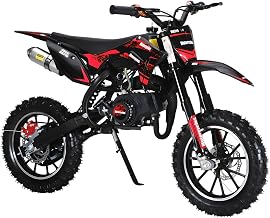
Inspect the Bike's Condition: Check for any damages, wear and tear, and maintenance history to assess its condition
Begin by thoroughly examining the bike's frame for any signs of damage or stress. Look for cracks, dents, or bends, particularly around the areas where the frame connects to the suspension and engine. These are common points of failure that can significantly impact the bike's value and performance. Additionally, inspect the swingarm and front forks for any signs of wear or damage, as these components are crucial for the bike's handling and stability.
Next, assess the condition of the bike's engine and transmission. Check for any leaks or signs of corrosion, and inspect the exhaust system for damage or excessive wear. A well-maintained engine and transmission can greatly enhance the bike's value, while any issues may require costly repairs. It's also important to check the bike's electrical system, including the battery, wiring, and lights, to ensure everything is functioning properly.
The bike's tires and wheels should also be inspected closely. Look for signs of excessive wear, such as bald spots or cracks in the rubber, and check the wheels for any damage or warping. The condition of the tires and wheels can have a significant impact on the bike's performance and safety, so it's essential to ensure they are in good condition.
Finally, review the bike's maintenance history to get a sense of how well it has been cared for. A bike with a comprehensive maintenance record, including regular oil changes, filter replacements, and other necessary upkeep, is likely to be in better condition and therefore more valuable. Conversely, a bike with a poor maintenance history may have underlying issues that could affect its performance and value.
By thoroughly inspecting the bike's condition and maintenance history, you can gain a better understanding of its value and potential for future use. This information can be used to negotiate a fair price when buying or selling a dirt bike, and to ensure that you are making a well-informed decision.
Mastering the Timbersled: A Beginner's Guide to Dirt Bike Driving
You may want to see also
Explore related products


Consider the Bike's Age: Older bikes may have lower values due to depreciation, while newer models can be more expensive
The age of a dirt bike is a critical factor in determining its value. As with most vehicles, dirt bikes experience depreciation over time, which can significantly impact their resale value. For instance, a dirt bike that is five years old may be worth considerably less than a newer model, even if both bikes are in similar condition. This depreciation is due to a variety of factors, including advancements in technology, changes in consumer preferences, and the general wear and tear that comes with use.
When evaluating the value of a dirt bike, it's essential to consider the current market trends and how they relate to the bike's age. Newer models often come with updated features, improved performance, and enhanced safety measures, which can make them more desirable to potential buyers. As a result, these newer bikes may command higher prices, even if they have higher initial costs.
To get a more accurate assessment of a dirt bike's value, you should research the specific make and model of the bike and compare its features and specifications to those of newer models. This will help you understand how the bike's age affects its value in relation to current market offerings. Additionally, you may want to consult with experts in the field, such as mechanics or dirt bike enthusiasts, who can provide insights into the bike's condition and potential value.
It's also important to note that the value of a dirt bike can be influenced by factors other than its age, such as its condition, mileage, and any modifications or upgrades that have been made. Therefore, when considering the bike's age, you should also take these other factors into account to get a comprehensive understanding of its value.
In conclusion, the age of a dirt bike plays a significant role in determining its value. Older bikes may have lower values due to depreciation, while newer models can be more expensive. By researching the specific make and model of the bike, comparing its features to those of newer models, and consulting with experts, you can get a more accurate assessment of the bike's value and make informed decisions when buying or selling.
Tracking Down Your Stolen Dirt Bike: A Comprehensive Guide
You may want to see also
Explore related products


Evaluate the Brand and Model: Some brands and models are more sought after than others, affecting the bike's value
The brand and model of a dirt bike play a significant role in determining its value. Certain brands have established reputations for quality, performance, and reliability, which can significantly impact the desirability and, consequently, the value of their bikes. For instance, brands like KTM, Honda, and Yamaha are well-known in the dirt biking community and often command higher prices due to their strong market presence and loyal customer base.
When evaluating the brand and model, it's essential to consider the bike's intended use. Different models are designed for various purposes, such as motocross, trail riding, or enduro racing. Understanding the specific needs of the rider and matching them with the appropriate model can help in determining the bike's value. For example, a high-performance motocross bike from a top brand may be more valuable to a competitive rider than a beginner-friendly trail bike from a lesser-known manufacturer.
Another factor to consider is the bike's age and condition. Newer models from popular brands tend to hold their value better than older ones. However, well-maintained older models can still be valuable, especially if they are from a sought-after brand and have been kept in excellent condition. It's also important to note that some models may have specific features or upgrades that can increase their value, such as a more powerful engine, advanced suspension, or high-quality components.
Researching the current market demand for specific brands and models can provide valuable insights into their value. Online marketplaces, forums, and social media groups dedicated to dirt biking can be excellent resources for gathering information on what buyers are looking for and what prices they are willing to pay. Additionally, consulting with local dirt bike dealers or experienced riders can offer a more personalized perspective on the value of a particular bike.
In conclusion, evaluating the brand and model of a dirt bike is a crucial step in determining its value. By considering factors such as brand reputation, model purpose, age, condition, and market demand, one can gain a comprehensive understanding of a dirt bike's worth and make informed decisions when buying or selling.
Mastering the Mini Dirt Bike: A Beginner's Guide to Off-Road Fun
You may want to see also
Explore related products


Factor in Additional Features: Customizations, upgrades, and accessories can increase the value of a dirt bike
Customizations, upgrades, and accessories can significantly enhance the value of a dirt bike. When evaluating a dirt bike's worth, it's essential to consider these additional features, as they can impact both the bike's performance and its appeal to potential buyers. For instance, aftermarket exhaust systems can improve engine efficiency and power output, while custom suspension setups can provide better handling and comfort. These modifications not only make the bike more enjoyable to ride but also increase its market value.
Upgrades to the bike's bodywork, such as custom paint jobs or decals, can also add to its aesthetic appeal and uniqueness. Additionally, accessories like high-quality tires, advanced lighting systems, or protective gear can further enhance the bike's functionality and safety. When assessing the value of these features, it's important to consider their condition, brand reputation, and compatibility with the bike. Well-maintained and high-quality customizations and accessories can command a premium price, while poorly installed or low-quality modifications may detract from the bike's overall value.
To accurately factor in these additional features, it's helpful to research the current market trends and buyer preferences. Understanding what features are in demand and which ones are considered essential can help you determine the optimal upgrades and customizations for your dirt bike. Consulting with experts or experienced riders can also provide valuable insights into which modifications are worth investing in and how they might impact the bike's value.
In conclusion, when determining the value of a dirt bike, it's crucial to consider the impact of customizations, upgrades, and accessories. These features can not only enhance the bike's performance and appeal but also significantly influence its market value. By carefully evaluating the condition, quality, and relevance of these additions, you can make a more informed decision about the bike's worth and potential selling price.
Mastering the Art of Draining Your Dirt Bike Carb
You may want to see also
Frequently asked questions
To determine the make and model of a dirt bike, look for identifying marks or logos on the bike's frame, engine, or bodywork. These marks usually indicate the manufacturer and model. You can also check the bike's documentation or registration papers for this information.
Several factors can affect the value of a dirt bike, including its age, condition, make and model, rarity, and current market demand. Additionally, the bike's maintenance history, any modifications or upgrades, and the presence of original parts can also influence its value.
There are several resources available to help you determine the value of your dirt bike. You can consult online pricing guides, such as Kelley Blue Book or NADA Guides, which provide valuations based on the bike's make, model, and condition. You can also check online marketplaces, like eBay or Craigslist, to see what similar bikes are selling for.
If you're unsure about the value of your dirt bike or if it's a high-value or rare model, it may be worth getting it appraised by a professional. A professional appraisal can provide you with an accurate and unbiased assessment of the bike's value, which can be useful for insurance purposes, selling the bike, or making informed decisions about maintenance and upgrades.
The condition of your dirt bike plays a significant role in determining its value. A well-maintained bike with minimal wear and tear will generally be worth more than a bike that's in poor condition or has significant damage. Regular maintenance, such as oil changes, tire replacements, and brake inspections, can help preserve the bike's value over time.