Ryan Cole
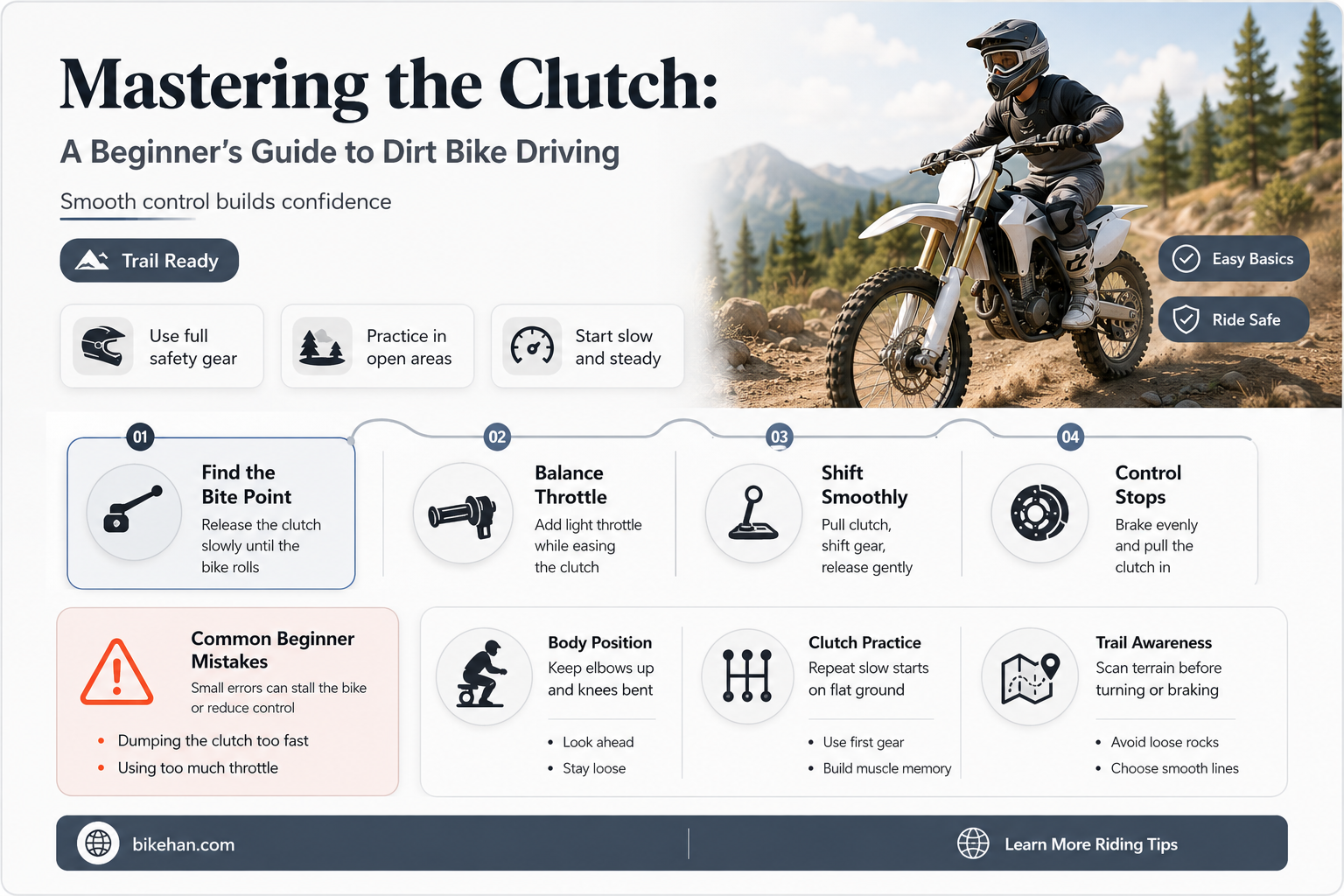
Driving a clutch dirt bike requires a combination of skill, balance, and understanding of the bike's mechanics. A clutch dirt bike, unlike an automatic, necessitates manual shifting of gears, which can be challenging for beginners but offers greater control for experienced riders. To start, ensure you're familiar with the bike's controls: the clutch lever on the left handlebar, the gear shifter near your left foot, and the throttle on the right handlebar. Begin by finding a flat, open area to practice. Start the bike and get a feel for the clutch and throttle response. Gradually introduce gear shifting, starting with first gear and moving up as you gain speed. Remember to use the clutch to disengage the engine when shifting gears and to modulate the throttle smoothly to maintain balance and control. Practice makes perfect, so spend time honing your skills before tackling more challenging terrain.
Explore related products


What You'll Learn
- Understanding Clutch Mechanics: Learn how the clutch system works, including the lever, cable, and friction plates
- Proper Gear Shifting: Master the technique of shifting gears smoothly while maintaining control and momentum
- Throttle Control: Develop skills to modulate the throttle for optimal power delivery and traction
- Brake Usage: Know when and how to use the brakes effectively without causing the bike to stall
- Starting and Stopping: Practice starting the bike from a standstill and stopping safely on various terrains

Understanding Clutch Mechanics: Learn how the clutch system works, including the lever, cable, and friction plates
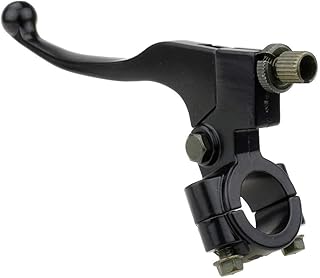
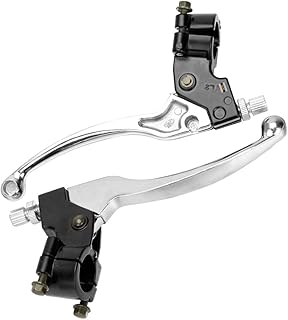
The clutch system on a dirt bike is a critical component that allows the rider to control the transfer of power from the engine to the rear wheel. At its core, the clutch mechanism consists of three main parts: the lever, the cable, and the friction plates. When the rider pulls the clutch lever, it activates the cable, which in turn disengages the friction plates, allowing the rider to shift gears smoothly.
The lever is the part of the clutch system that the rider interacts with directly. It's typically located on the left handlebar and is connected to the clutch cable via a pivot point. When the rider pulls the lever, it creates tension in the cable, which is then transferred to the clutch assembly.
The cable is a crucial component that connects the lever to the clutch assembly. It's usually made of steel or another durable material and is designed to withstand the tension created when the rider pulls the lever. The cable is routed from the lever to the clutch assembly, often passing through a guide or tensioner to ensure smooth operation.
The friction plates are the heart of the clutch system. They're located inside the clutch assembly and are responsible for transferring power from the engine to the rear wheel. When the rider pulls the clutch lever, the friction plates disengage, allowing the rider to shift gears. When the rider releases the lever, the friction plates re-engage, transferring power back to the rear wheel.
Understanding how these components work together is essential for mastering the art of riding a clutch dirt bike. By learning how to manipulate the clutch lever and cable, riders can control the transfer of power and shift gears smoothly, allowing them to tackle a variety of terrain and riding conditions with confidence.
Mastering the 450 Dirt Bike: A Beginner's Guide to Off-Road Riding
You may want to see also
Explore related products



Proper Gear Shifting: Master the technique of shifting gears smoothly while maintaining control and momentum
To master the technique of shifting gears smoothly while maintaining control and momentum on a clutch dirt bike, it's essential to understand the mechanics of gear shifting and practice the correct body positioning. When shifting gears, the rider must engage the clutch lever, shift the gear using the foot peg, and then disengage the clutch while modulating the throttle. This process requires precise timing and coordination to ensure a smooth transition between gears.
One common mistake riders make is not using their body weight effectively during gear shifts. Leaning into the shift by applying pressure on the foot peg with the correct leg can help maintain balance and control. Additionally, riders should avoid abrupt movements and instead focus on gradual, controlled inputs to prevent the bike from jerking or losing momentum.
Another crucial aspect of proper gear shifting is throttle control. As the rider disengages the clutch, they should simultaneously apply the throttle to match the bike's speed with the new gear. This helps maintain a consistent power delivery and prevents the bike from stalling or surging forward.
To improve gear shifting skills, riders can practice on a stationary bike or in a controlled environment, such as an empty parking lot. By focusing on the mechanics of the shift and gradually increasing the speed and complexity of the maneuvers, riders can develop the muscle memory and confidence needed to shift gears smoothly and effectively while riding.
In summary, mastering the technique of shifting gears smoothly on a clutch dirt bike requires a combination of mechanical understanding, body positioning, and throttle control. By practicing these skills and avoiding common mistakes, riders can improve their overall riding performance and enjoy a more controlled and exhilarating experience on the bike.
Mastering the Trails: A Beginner's Guide to Riding a 125cc Dirt Bike
You may want to see also
Explore related products


Throttle Control: Develop skills to modulate the throttle for optimal power delivery and traction
Mastering throttle control is crucial for anyone learning to ride a clutch dirt bike. The throttle is your primary means of controlling the bike's power output, and proper modulation can mean the difference between a smooth ride and a loss of traction. To develop optimal throttle control, start by understanding the relationship between throttle position and engine speed. A gentle roll-on of the throttle should result in a gradual increase in RPMs, while a sudden twist can cause the rear wheel to spin uncontrollably.
One effective technique for improving throttle control is to practice the "slow roll-on" method. Begin in a stationary position with the bike in first gear, and slowly roll on the throttle while gently releasing the clutch. This exercise helps you feel the bike's power delivery and understand how to manage it effectively. As you become more comfortable, try this technique while moving at slow speeds, focusing on maintaining a consistent throttle position to avoid jerky movements.
Another key aspect of throttle control is learning to use the throttle to aid in traction management. When riding on loose or slippery surfaces, it's essential to modulate the throttle to prevent the rear wheel from spinning. This can be achieved by using a combination of throttle control and body positioning. For example, when cornering on a dirt track, lean into the turn while gently rolling off the throttle to help maintain traction.
Common mistakes to avoid when developing throttle control skills include sudden acceleration, which can cause the bike to wheelie or lose traction, and constant revving, which wastes fuel and can damage the engine. Instead, focus on smooth, controlled inputs that allow the bike to accelerate gradually and maintain a consistent speed.
In conclusion, mastering throttle control is essential for anyone looking to improve their dirt bike riding skills. By practicing techniques such as the slow roll-on method and learning to use the throttle to aid in traction management, riders can develop the skills necessary to handle a variety of riding conditions with confidence and control. Remember, the key to successful throttle control is patience and practice, so take the time to hone your skills and enjoy the ride.
Mastering the Art of Riding a 4-Stroke Dirt Bike
You may want to see also
Explore related products

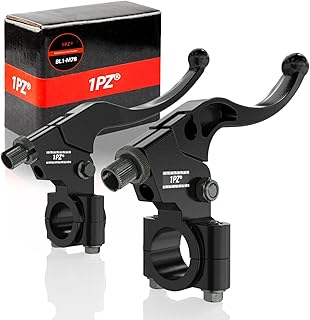


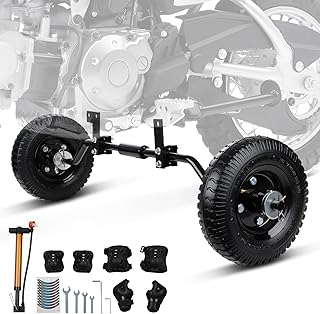

Brake Usage: Know when and how to use the brakes effectively without causing the bike to stall
Effective brake usage is crucial when riding a clutch dirt bike, as it directly impacts your control and safety. Unlike street bikes, dirt bikes often require more aggressive and precise braking due to the varied and challenging terrains they encounter. Here are some key points to master brake usage without causing your bike to stall:
- Understand Your Brakes: Dirt bikes typically have two types of brakes: front disc brakes and rear drum brakes. The front brake provides the majority of the stopping power, while the rear brake helps in balancing and stability. Knowing how each brake functions and their respective strengths will help you use them more effectively.
- Body Positioning: Proper body positioning is essential for effective braking. When you need to brake, shift your weight towards the front of the bike to increase traction on the front wheel. This allows you to apply more force to the front brake without locking the wheel. Keep your knees gripping the bike and your feet firmly on the footpegs to maintain balance.
- Brake Application: Apply the brakes smoothly and progressively. Avoid sudden or jerky movements, which can cause the wheels to lock up and potentially lead to a stall or crash. Use both brakes simultaneously, but focus on modulating the front brake for the best results.
- Throttle Control: While braking, it's important to manage your throttle input. Gradually roll off the throttle as you apply the brakes, but avoid completely closing it, as this can cause the engine to stall. Maintaining a slight throttle input helps keep the engine running smoothly and prevents abrupt power loss.
- Practice and Adaptation: Practice braking techniques regularly to build muscle memory and confidence. Adapt your braking style to different terrains and conditions. For example, on slippery surfaces, use more rear brake to prevent the front wheel from sliding out.
- Maintenance: Regularly inspect and maintain your brakes to ensure they are functioning optimally. Check for wear on brake pads and discs, and adjust the brake lever and pedal for the best reach and feel. Proper maintenance not only improves performance but also enhances safety.
By mastering these techniques, you'll be able to use your brakes effectively without causing your dirt bike to stall, ensuring a safer and more enjoyable riding experience.
Mastering the Art of Donuting on a Dirt Bike: A Step-by-Step Guide
You may want to see also
Explore related products


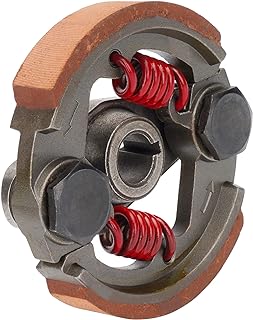

Starting and Stopping: Practice starting the bike from a standstill and stopping safely on various terrains
To start a clutch dirt bike from a standstill, you'll need to master the art of balancing the clutch and throttle. Begin by ensuring the bike is in neutral and the clutch lever is fully disengaged. Then, slowly roll on the throttle while gradually releasing the clutch. This process requires a delicate touch and a keen sense of the bike's response. As the engine begins to rev, continue to release the clutch until you feel the bike start to move. It's crucial to maintain a steady throttle input during this process to avoid stalling the engine.
When it comes to stopping safely on various terrains, the key is to understand how different surfaces affect your braking capabilities. On loose or uneven terrain, such as gravel or mud, it's important to use both the front and rear brakes simultaneously to maintain control. However, on hard, smooth surfaces like pavement, you can rely more heavily on the front brake for quicker stopping power. Always approach braking with a gentle touch, gradually increasing pressure to avoid locking up the wheels.
One common mistake riders make when starting or stopping is to rely too heavily on the rear brake, which can lead to loss of control, especially on slippery surfaces. Another error is to abruptly release the clutch or throttle, causing the bike to jerk or stall. To avoid these issues, focus on smooth, controlled movements and practice regularly to develop muscle memory.
In addition to mastering the mechanics of starting and stopping, it's essential to be aware of your surroundings and adjust your technique accordingly. For example, when starting on a steep incline, you may need to use a higher gear to prevent the bike from rolling backward. Similarly, when stopping on a decline, you'll want to use the engine braking technique to maintain control.
Remember, practice makes perfect. Spend time honing your skills in a controlled environment, such as an empty parking lot or a designated practice area, before taking on more challenging terrains. With patience and persistence, you'll soon be able to start and stop your clutch dirt bike with confidence and precision.
Yamaha Dirt Bike Gas Drainage: A Step-by-Step Guide
You may want to see also
Frequently asked questions
The first step in learning to drive a clutch dirt bike is to familiarize yourself with the bike's controls and components, including the clutch lever, throttle, brakes, and gear shifter.
To properly use the clutch when starting to ride, you should first ensure the bike is in neutral. Then, slowly release the clutch lever while gently applying the throttle to begin moving.
To shift gears on a clutch dirt bike, you should first release the throttle, then pull in the clutch lever, shift the gear using the foot peg or hand shifter, and finally release the clutch while gently applying the throttle again.
To stop a clutch dirt bike safely, you should first release the throttle, then apply the brakes gradually while pulling in the clutch lever. Come to a complete stop and then shift the bike into neutral.
Some common mistakes beginners make when learning to ride a clutch dirt bike include not releasing the clutch fully before shifting gears, applying too much throttle when starting, and not using the brakes properly when stopping.