Eric Johnson
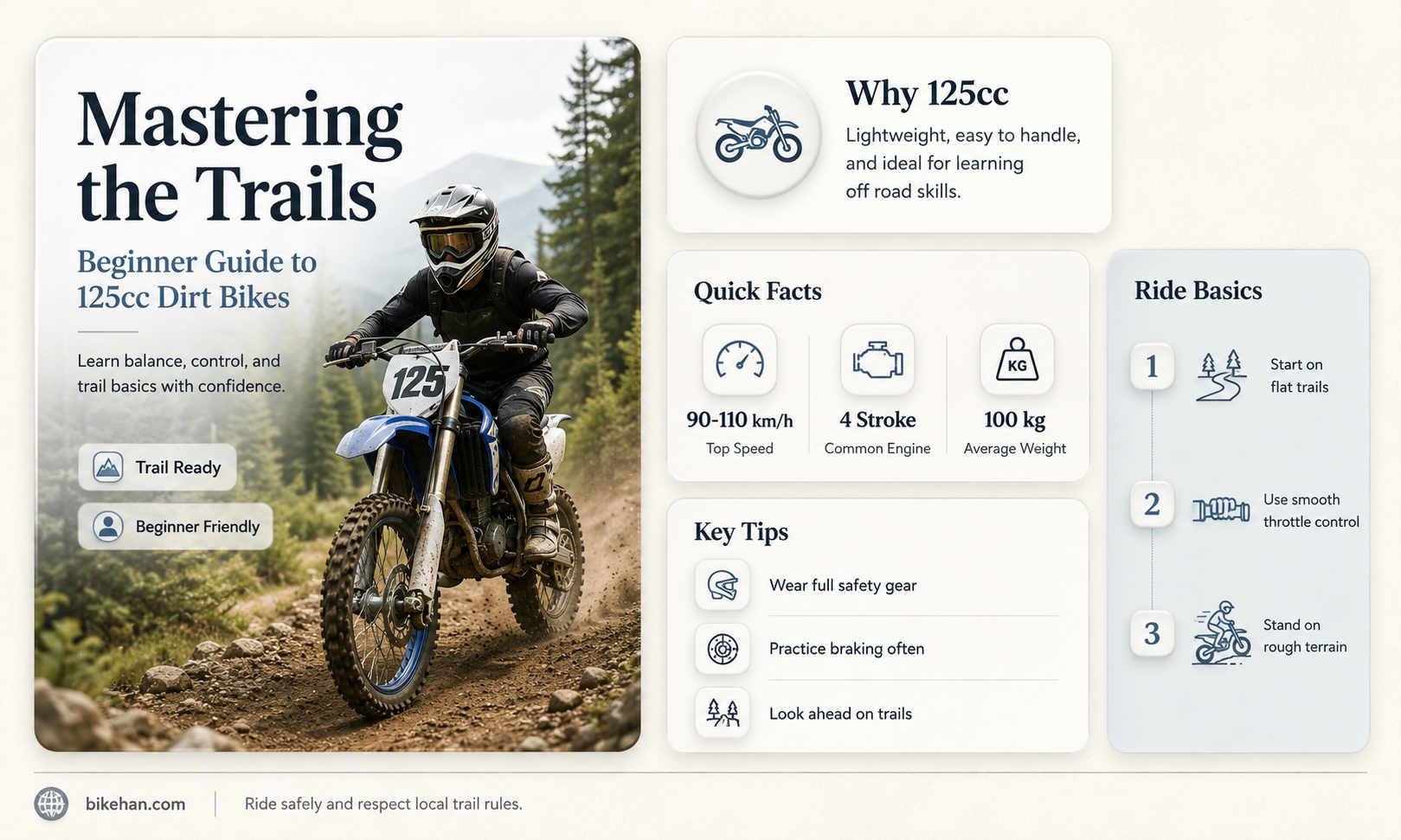
Driving a 125cc dirt bike can be an exhilarating experience, especially for beginners looking to get into off-road motorcycling. These bikes are designed for rugged terrain and offer a great balance between power and maneuverability. Before you start, it's essential to ensure you have the proper safety gear, including a helmet, gloves, boots, and protective clothing. Familiarize yourself with the bike's controls, such as the throttle, brakes, and clutch. Start by practicing in a controlled environment like an empty parking lot to get a feel for the bike's handling. Once you're comfortable, gradually progress to more challenging off-road trails, always being mindful of your surroundings and riding within your skill level. Remember, practice makes perfect, and with time, you'll be confidently tackling more difficult terrain on your 125cc dirt bike.
Explore related products


What You'll Learn
- Getting Started: Understand bike controls, seating position, and basic safety checks before riding
- Throttle Control: Learn smooth acceleration and deceleration techniques for better bike handling
- Braking Techniques: Master front and rear brake usage for effective stopping power on various terrains
- Cornering Skills: Develop leaning and turning strategies to navigate corners safely and efficiently
- Off-Road Riding: Explore tips for handling uneven surfaces, obstacles, and maintaining balance in off-road conditions

Getting Started: Understand bike controls, seating position, and basic safety checks before riding
Before you even think about revving the engine of your 125cc dirt bike, it's crucial to get intimately acquainted with its controls and safety features. Start by positioning yourself correctly on the bike; your feet should be firmly on the foot pegs, knees gripping the bike's frame, and your weight centered over the seat. This stance not only provides better control but also ensures that you're prepared to react quickly to any changes in terrain or unexpected obstacles.
Next, familiarize yourself with the bike's controls. The handlebars are your primary interface with the bike, housing the throttle, brake levers, and clutch. Understand the function of each control and practice using them smoothly and in coordination. The throttle controls the engine's speed, the brakes manage your stopping power, and the clutch is essential for shifting gears. Spend time getting comfortable with the feel and response of each control to avoid any surprises while riding.
Performing basic safety checks is non-negotiable. Before every ride, inspect the bike's tires for proper inflation and any signs of damage. Check the chain tension and lubrication, ensuring it moves freely without any binding. Verify that the brakes are functioning correctly, with no sponginess or excessive wear on the pads. Also, make sure the lights and signals are operational, especially if you plan to ride in low-light conditions.
Lastly, always wear appropriate safety gear. A helmet is mandatory, but don't overlook the importance of gloves, boots, and protective clothing. These items not only protect you in the event of a fall but also enhance your comfort and control while riding. Remember, safety is not just about avoiding accidents; it's about being prepared for them and minimizing their impact.
Mastering the Art of Whoops on Your Dirt Bike: A Step-by-Step Guide
You may want to see also
Explore related products


Throttle Control: Learn smooth acceleration and deceleration techniques for better bike handling
Mastering throttle control is crucial for smooth and effective riding of a 125cc dirt bike. The throttle is your primary tool for managing speed and power, and learning to use it correctly can significantly enhance your bike handling skills. Here are some techniques to help you achieve smooth acceleration and deceleration:
- Smooth Acceleration: When starting from a stop, it's essential to roll on the throttle gradually. Avoid sudden jerks or abrupt movements, as these can cause the bike to lurch forward unpredictably. Instead, apply gentle, consistent pressure to the throttle, allowing the bike to build speed steadily. This technique helps maintain traction and stability, especially on uneven or slippery terrain.
- Deceleration Techniques: Proper deceleration is just as important as acceleration. When slowing down, avoid simply releasing the throttle abruptly. This can cause the bike to decelerate too quickly, potentially leading to loss of control or skidding. Instead, gradually roll off the throttle, allowing the bike to slow down smoothly. You can also use the brakes in conjunction with throttle control to achieve a balanced and controlled deceleration.
- Throttle Control During Turns: Maintaining proper throttle control during turns is vital for smooth cornering. When entering a turn, slightly roll off the throttle to reduce speed, but avoid completely releasing it. This helps maintain momentum and prevents the bike from bogging down. As you exit the turn, gradually roll back on the throttle to accelerate out smoothly.
- Avoiding Common Mistakes: One common mistake riders make is over-revving the engine. This can lead to loss of control and decreased performance. To avoid this, pay attention to the bike's RPM and shift gears appropriately to maintain an optimal engine speed. Another mistake is neglecting to use the throttle during braking. Proper throttle control during braking can help maintain stability and prevent the bike from locking up.
- Practice and Patience: Mastering throttle control takes time and practice. Spend time on the bike, focusing on developing a smooth and consistent throttle hand. Experiment with different techniques and find what works best for you. Remember, patience is key, and gradual improvement is better than trying to perfect everything at once.
By focusing on these throttle control techniques, you can significantly improve your bike handling skills and enjoy a smoother, more controlled riding experience on your 125cc dirt bike.
Mastering the Art of Wheelies on Your Dirt Bike
You may want to see also
Explore related products


Braking Techniques: Master front and rear brake usage for effective stopping power on various terrains
Effective braking on a 125cc dirt bike requires a nuanced understanding of both front and rear brake usage. The front brake, typically operated by the right hand, provides the majority of the stopping power due to its direct connection to the front wheel, which handles most of the bike's weight transfer during deceleration. To master front brake usage, riders should practice applying gradual pressure to avoid locking the wheel, which can lead to a loss of control. Instead, aim for a smooth, progressive squeeze that allows the bike to slow down without skidding.
In contrast, the rear brake, operated by the right foot, plays a supporting role in the braking process. It helps to stabilize the bike and prevent the rear wheel from locking up, which is particularly important on slippery or uneven terrain. When using the rear brake, it's essential to apply gentle pressure and avoid sudden movements that could upset the bike's balance.
One key technique for effective braking is to use both brakes simultaneously in a coordinated manner. This balanced approach ensures that the bike slows down evenly, maintaining stability and control. When braking on various terrains, it's crucial to adjust the brake pressure according to the surface conditions. For example, on loose dirt or gravel, riders should use less front brake to prevent the wheel from locking up and more rear brake to maintain traction.
Another important aspect of braking technique is to anticipate the need to stop and apply the brakes early. This allows the bike to decelerate smoothly and reduces the risk of skidding or losing control. Additionally, riders should practice braking in different body positions, such as standing up or leaning forward, to adapt to various riding situations and improve overall control.
In summary, mastering braking techniques on a 125cc dirt bike involves understanding the roles of the front and rear brakes, practicing smooth and coordinated brake application, adjusting to different terrains, and anticipating the need to stop. By developing these skills, riders can enhance their safety and control while enjoying the thrill of off-road riding.
Dirt Bike Maintenance: The Complete Guide to Draining Your Carburetor
You may want to see also
Explore related products


Cornering Skills: Develop leaning and turning strategies to navigate corners safely and efficiently
To master cornering on a 125cc dirt bike, it's essential to understand the dynamics of leaning and turning. When approaching a corner, the rider must shift their weight to the inside of the turn, allowing the bike to lean into the curve. This lean angle should be gradual and controlled, with the rider's knee acting as a pivot point. As the bike leans, the tires' contact patches change, providing the necessary grip for the turn. It's crucial to maintain a smooth throttle and avoid abrupt braking, as these actions can upset the bike's balance and lead to a loss of control.
One effective strategy for cornering is the "look where you want to go" technique. By focusing on the desired exit point of the corner, the rider can naturally guide the bike in that direction. This approach helps maintain a smooth and efficient line through the turn, reducing the risk of overshooting or sliding out. Additionally, riders should practice counter-steering, which involves applying slight pressure on the handlebars in the opposite direction of the turn. This subtle input helps the bike initiate the lean and maintain stability throughout the corner.
Another key aspect of cornering is body positioning. The rider should keep their body centered over the bike, with their feet firmly on the footpegs and their elbows slightly bent. This position allows for better control and balance, enabling the rider to make quick adjustments as needed. It's also important to keep the head and eyes up, scanning the road ahead for any obstacles or changes in the terrain.
When cornering on a 125cc dirt bike, it's essential to be mindful of the bike's limitations. These smaller bikes have less power and traction than larger models, so riders must be more deliberate and controlled in their movements. By developing proper leaning and turning techniques, riders can navigate corners safely and efficiently, even on a 125cc dirt bike.
Yamaha Dirt Bike Gas Drainage: A Step-by-Step Guide
You may want to see also
Explore related products


Off-Road Riding: Explore tips for handling uneven surfaces, obstacles, and maintaining balance in off-road conditions
Navigating uneven surfaces and obstacles is a critical skill for off-road riders. When encountering bumps, dips, or rocky terrain, it's essential to maintain a steady throttle and avoid sudden movements that could upset the bike's balance. One effective technique is to stand on the foot pegs, allowing your legs to absorb the shocks and maintain stability. This position also enables you to shift your weight more easily, which is crucial for maneuvering around obstacles.
Maintaining balance in off-road conditions requires a combination of body positioning and throttle control. When cornering on uneven ground, lean into the turn while keeping your outside leg extended for additional support. This helps to counterbalance the bike's natural tendency to tip over and ensures a smoother, more controlled ride. Additionally, practice modulating the throttle to match the terrain, avoiding abrupt acceleration or deceleration that could cause the bike to lose traction.
Obstacles such as rocks, logs, and ruts present unique challenges for off-road riders. Approach these obstacles at a slight angle, using your body weight to guide the bike around them. When crossing logs or rocks, keep your weight centered over the bike and use the throttle to maintain momentum. In ruts, avoid getting stuck by keeping your speed up and using your legs to help steer the bike out of the rut.
One common mistake beginners make is to overcorrect when encountering obstacles or uneven terrain. This can lead to loss of control and potential accidents. Instead, focus on making small, precise adjustments to your body position and throttle control. With practice, you'll develop the muscle memory and confidence needed to tackle more challenging off-road conditions.
In summary, off-road riding requires a combination of balance, throttle control, and body positioning to navigate uneven surfaces and obstacles safely. By practicing these techniques and developing your skills, you'll be able to enjoy the thrill of off-road riding while minimizing the risk of accidents or injuries.
Dirt Bike Maintenance: The Complete Guide to Draining Your Gas Tank
You may want to see also
Frequently asked questions
The basic controls of a 125cc dirt bike include the throttle, which controls the engine speed; the clutch lever, used to engage and disengage the engine from the transmission; the brake levers, which control the front and rear brakes; and the gear shift lever, used to change gears. Additionally, the bike will have a kill switch to turn off the engine quickly and a headlight switch for controlling the lighting.
To start a 125cc dirt bike, ensure the bike is on a level surface and the kill switch is in the 'on' position. If the bike has a manual start, use the kickstart lever to start the engine. If it has an electric start, press the start button. To stop the bike, slowly release the throttle and apply the brakes gradually. Come to a complete stop and then turn off the engine using the kill switch.
When riding a 125cc dirt bike, it is essential to wear appropriate safety gear, including a helmet that meets safety standards, goggles to protect your eyes from debris, gloves to protect your hands and improve grip, a long-sleeved shirt and long pants made of durable material, and sturdy boots that cover your ankles. Additionally, consider wearing body armor or a chest protector for extra protection.