Megan Blake
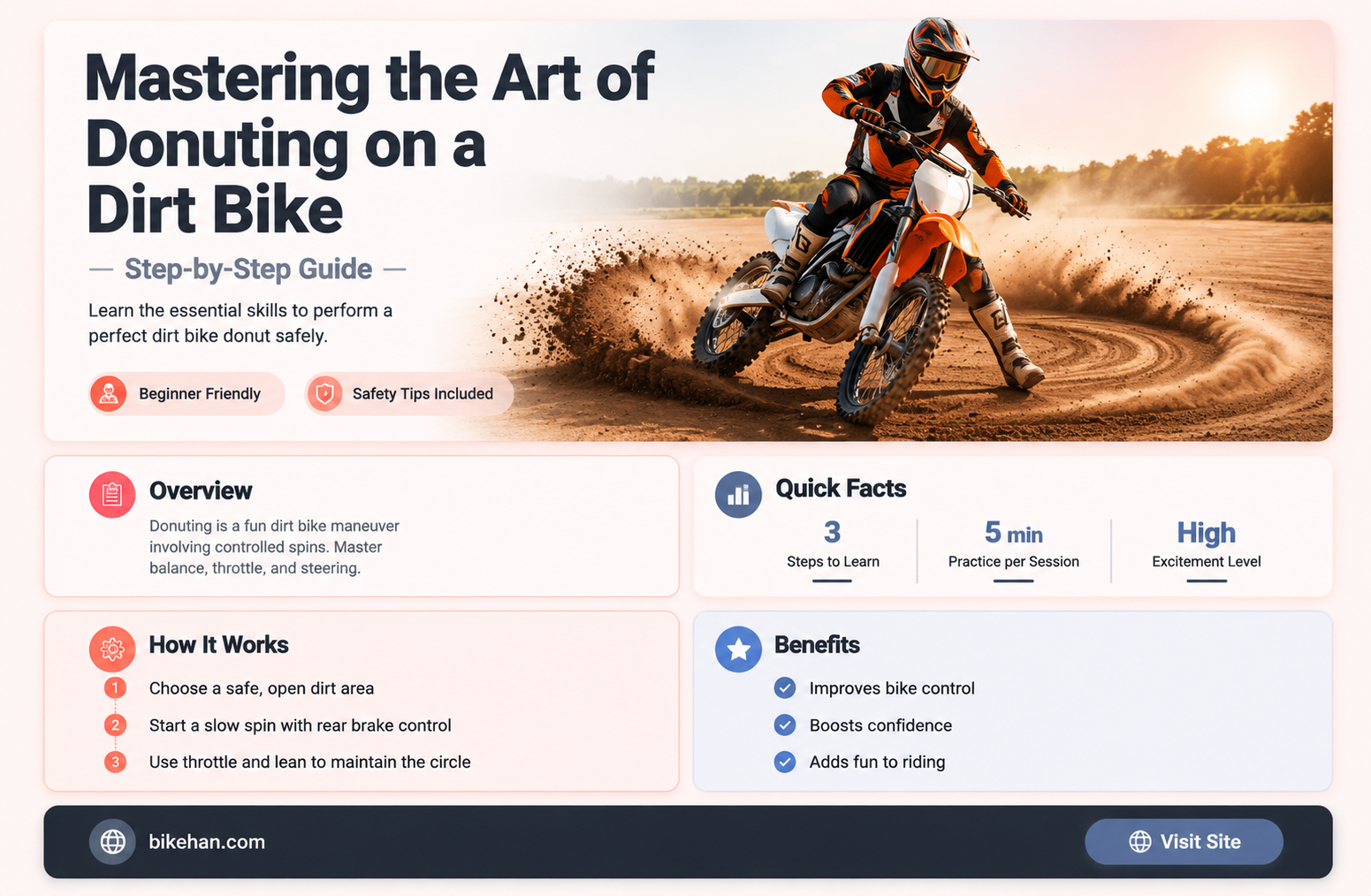
Donuting a dirt bike, also known as doing a burnout, is an exciting maneuver that involves spinning the rear wheel while keeping the bike stationary. This technique is popular among dirt bike enthusiasts and can be used to warm up the tires, show off skills, or simply for fun. To perform a donut, the rider must balance throttle control, clutch manipulation, and body positioning. It requires practice and precision to execute safely and effectively. In this guide, we'll walk through the steps to help you master the art of donuting a dirt bike.
Explore related products


What You'll Learn
- Choosing the Right Bike: Select a suitable dirt bike for your skill level and the type of terrain you'll be riding on
- Safety Gear Essentials: Invest in proper safety equipment, including a helmet, gloves, boots, and protective clothing to minimize injury risks
- Mastering the Basics: Learn fundamental dirt bike handling skills such as throttle control, braking, and cornering before attempting stunts
- Understanding Tire Tread: Familiarize yourself with different tire treads and their impact on traction and handling in various conditions
- Performing a Donut: Practice the technique of doing a donut, which involves spinning the bike in a circle while maintaining control

Choosing the Right Bike: Select a suitable dirt bike for your skill level and the type of terrain you'll be riding on
Selecting the right dirt bike is crucial for both safety and performance when learning how to perform stunts like donuts. A suitable bike should match your skill level and the terrain you'll be riding on. For beginners, it's essential to choose a bike with a manageable power output and a lightweight frame. This allows for better control and easier maneuverability, which are vital when learning new techniques. Look for bikes with a smaller engine displacement, typically around 125cc to 250cc, as these will provide enough power without being overwhelming.
As you progress in skill, you may want to consider a bike with a larger engine and more advanced features. Mid-range dirt bikes, often in the 250cc to 450cc range, offer a good balance between power and control. These bikes are suitable for riders who have mastered the basics and are looking to tackle more challenging terrain or perform more complex stunts. They usually come with better suspension systems and more robust frames, which can handle the increased demands of advanced riding.
For professional riders or those tackling extremely rough terrain, a high-performance dirt bike with an engine displacement of 450cc or more may be necessary. These bikes are designed for maximum power and durability, with advanced features like high-performance suspension, powerful brakes, and lightweight materials. However, they require a high level of skill to handle safely and effectively.
When choosing a dirt bike, it's also important to consider the type of terrain you'll be riding on. For smooth, groomed tracks, a bike with a more streamlined design and less suspension travel may be suitable. However, for rough, off-road terrain, a bike with more ground clearance, longer suspension travel, and knobby tires will be necessary to navigate obstacles and maintain control.
In summary, selecting the right dirt bike involves considering your skill level, the type of terrain you'll be riding on, and the specific features that match your needs. By choosing a bike that is appropriate for your abilities and the conditions you'll encounter, you can ensure a safer and more enjoyable riding experience while learning how to perform stunts like donuts.
Mastering the Art of Whoops on Your Dirt Bike: A Step-by-Step Guide
You may want to see also
Explore related products


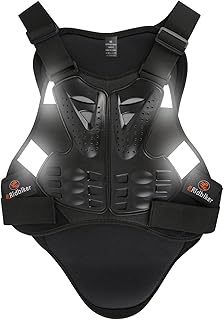

Safety Gear Essentials: Invest in proper safety equipment, including a helmet, gloves, boots, and protective clothing to minimize injury risks
Investing in proper safety gear is crucial when learning how to perform a donut on a dirt bike. A helmet is the most essential piece of equipment, as it protects your head from severe injuries in case of a fall. Look for a helmet that meets safety standards and fits snugly on your head. Gloves are also important, as they provide grip and protect your hands from abrasions. Choose gloves that are specifically designed for dirt biking, with reinforced palms and fingers.
Boots are another critical component of your safety gear. They should be sturdy, with good ankle support and a non-slip sole. Look for boots that are designed for motocross or dirt biking, as they will provide the necessary protection and support. Protective clothing, such as a chest protector, elbow pads, and knee pads, can also help minimize injury risks. These items can be worn under your regular clothing or as part of a specialized dirt biking outfit.
When selecting safety gear, it's important to consider the specific risks associated with performing a donut on a dirt bike. This maneuver involves spinning the bike in a tight circle, which can be challenging and potentially dangerous, especially for beginners. Make sure your gear is designed to protect against the types of injuries that are most likely to occur during this type of riding.
In addition to investing in proper safety gear, it's also important to make sure you're using it correctly. Take the time to read the manufacturer's instructions and ensure that all of your equipment is properly fitted and adjusted. Regularly inspect your gear for signs of wear and tear, and replace any items that are damaged or no longer providing adequate protection.
Finally, remember that safety gear is not a substitute for proper training and practice. Before attempting to perform a donut on a dirt bike, make sure you have the necessary skills and experience. Consider taking lessons from a qualified instructor or practicing in a controlled environment before attempting this maneuver on your own. With the right combination of safety gear, training, and practice, you can minimize the risks associated with dirt biking and enjoy this exciting sport safely.
Mastering the Art of Wheelies on Your Dirt Bike
You may want to see also
Explore related products


Mastering the Basics: Learn fundamental dirt bike handling skills such as throttle control, braking, and cornering before attempting stunts
Before attempting any stunts on a dirt bike, it's crucial to master the fundamental handling skills. These skills form the foundation of safe and effective riding, allowing you to perform more advanced maneuvers with confidence and control.
Throttle control is the first essential skill to master. It involves learning how to smoothly and gradually apply and release the throttle to maintain a consistent speed and avoid jerky movements. This is particularly important when navigating uneven terrain or preparing for a stunt, as sudden acceleration or deceleration can lead to loss of control.
Braking is another critical skill that must be honed. Proper braking technique involves using both the front and rear brakes in tandem to slow down or stop the bike without skidding or locking the wheels. This is especially important when approaching turns or obstacles, as effective braking can help prevent accidents and maintain momentum.
Cornering is the final fundamental skill that must be mastered before attempting stunts. This involves learning how to lean into turns, maintain a proper body position, and use throttle and brake control to navigate corners smoothly and efficiently. Mastering cornering is essential for performing stunts that involve turning or changing direction, as it allows you to maintain control and stability throughout the maneuver.
By focusing on these fundamental skills, you'll build a strong foundation for safe and effective dirt bike riding. This will not only help you avoid accidents and injuries but also allow you to progress to more advanced stunts with confidence and control. Remember, practice makes perfect, so be sure to spend plenty of time honing these skills before attempting any stunts.
Explore related products


Understanding Tire Tread: Familiarize yourself with different tire treads and their impact on traction and handling in various conditions
Tire tread plays a crucial role in the performance of a dirt bike, especially when attempting stunts like donuts. The tread pattern and depth directly affect the bike's traction and handling on various surfaces. For instance, a tire with deep, aggressive treads will provide better grip in loose dirt or mud, allowing for more controlled donuts. Conversely, tires with shallower treads might be better suited for hard-packed surfaces or pavement, where excessive grip can hinder the bike's ability to slide smoothly.
When selecting tires for donut stunts, it's essential to consider the specific conditions you'll be riding in. In wet or muddy environments, tires with wide, spaced-out knobs will help prevent mud from clogging the tread and reduce the risk of slipping. On the other hand, in dry, dusty conditions, tires with closer, smaller knobs will provide a more consistent contact patch with the ground, improving stability during donuts.
Another factor to consider is the tire's compound. Softer compounds offer better grip but wear out faster, while harder compounds are more durable but provide less traction. For donut stunts, a medium-soft compound is often ideal, as it strikes a balance between grip and longevity.
Proper tire maintenance is also crucial for optimal performance. Regularly checking tire pressure and adjusting it according to the riding conditions can significantly impact traction and handling. Additionally, inspecting the tires for wear and tear, such as cuts or bald spots, is essential to ensure safety during stunts.
In summary, understanding tire tread and its impact on traction and handling is vital for successfully performing donut stunts on a dirt bike. By selecting the right tires for the specific conditions and maintaining them properly, riders can improve their bike's performance and reduce the risk of accidents during stunts.
Explore related products


Performing a Donut: Practice the technique of doing a donut, which involves spinning the bike in a circle while maintaining control
To perform a donut on a dirt bike, you must first master the art of balance and throttle control. Begin by finding a flat, open area with enough space to spin the bike without obstacles. Position your body weight towards the rear of the bike to lift the front wheel off the ground. Gradually apply the throttle while simultaneously turning the handlebars in the direction you want to spin. It's crucial to maintain a steady throttle input to keep the bike spinning smoothly.
As you gain confidence, increase the speed of your donuts, but always prioritize control. Keep your knees bent and your weight centered over the bike to maintain stability. Remember, the key to a successful donut is finding the right balance between throttle and steering input. Practice makes perfect, so be prepared to spend time honing your skills.
One common mistake beginners make is applying too much throttle too quickly, which can cause the bike to spin out of control. To avoid this, start with gentle throttle inputs and gradually increase as you become more comfortable. Additionally, ensure your bike is properly maintained, with good tire traction and functioning brakes, to prevent any accidents during practice.
Safety should always be a top priority when performing stunts like donuts. Wear appropriate protective gear, including a helmet, gloves, and body armor, to minimize the risk of injury in case of a fall. It's also a good idea to practice with a spotter or in a group, so someone can assist you if needed.
In conclusion, mastering the donut on a dirt bike requires patience, practice, and a good understanding of balance and throttle control. By following these steps and prioritizing safety, you can soon impress your friends with your newfound stunt skills.
Frequently asked questions
The first step in performing a donut on a dirt bike is to find a suitable location with enough space and a surface that allows for sliding, such as a dirt or gravel area.
To initiate the donut maneuver, you need to accelerate the bike to a moderate speed, then apply the rear brake while turning the handlebars sharply to the side, causing the rear wheel to lose traction and start sliding.
The key to maintaining control during a dirt bike donut is to balance the throttle and brake input while steering the bike with your body weight and handlebar adjustments.
Safety precautions include wearing appropriate protective gear such as a helmet, gloves, boots, and body armor, ensuring the bike is in good working condition, and practicing in a controlled environment away from obstacles and other riders.
Common mistakes to avoid include applying too much brake or throttle, not leaning into the turn properly, and failing to maintain a consistent speed throughout the maneuver.