Samantha Lee
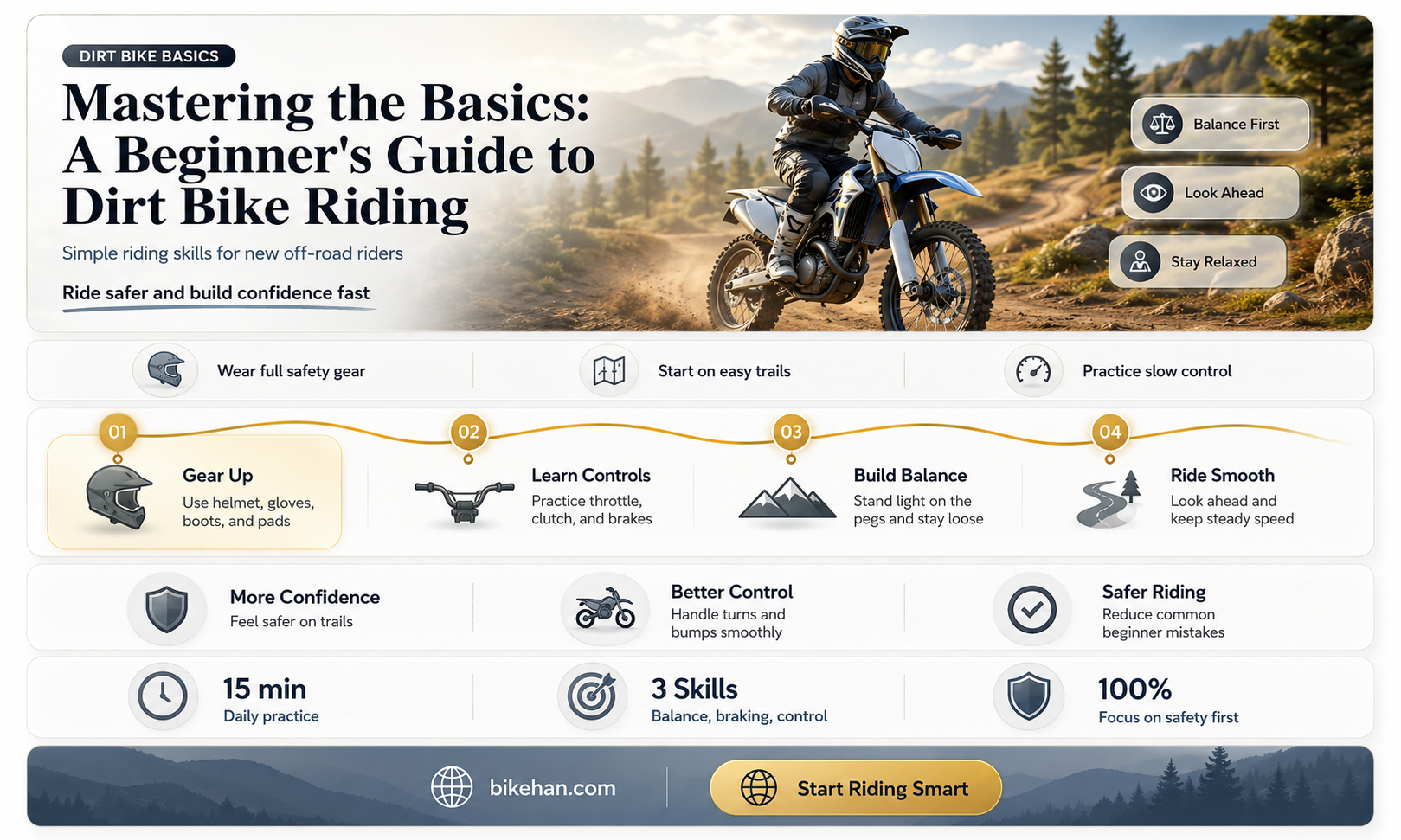
Learning how to drive a dirt bike can be an exhilarating experience for beginners. It's important to start with the basics: ensure you have the proper gear, including a helmet, gloves, and protective clothing. Familiarize yourself with the bike's controls and structure, noting the throttle, brakes, and clutch. Begin by practicing in a controlled environment, like an empty parking lot, to get a feel for the bike's handling. Gradually progress to more challenging terrains, such as dirt trails, while always maintaining a focus on safety and control. Remember, practice makes perfect, and patience is key when mastering the art of dirt biking.
Explore related products


What You'll Learn
- Choosing the Right Gear: Select a suitable dirt bike, helmet, gloves, boots, and protective clothing for safety
- Understanding Bike Controls: Familiarize yourself with the throttle, brakes, clutch, and gear shifter locations and functions
- Starting and Stopping: Learn the correct techniques for starting the engine and safely stopping the bike
- Basic Riding Techniques: Practice balancing, accelerating, braking, and cornering on a flat, open area
- Riding on Trails: Progress to riding on dirt trails, learning to navigate obstacles and uneven terrain

Choosing the Right Gear: Select a suitable dirt bike, helmet, gloves, boots, and protective clothing for safety
Selecting the appropriate gear is crucial for both safety and performance when learning to ride a dirt bike. The first and most important piece of equipment is the dirt bike itself. For beginners, it's essential to choose a bike that is the right size and has a manageable power output. Typically, a smaller displacement engine (around 125cc to 250cc) is recommended for new riders as it provides sufficient power without being overwhelming. Additionally, consider the bike's weight and seat height to ensure it's comfortable and easy to handle.
Next, invest in a high-quality helmet that meets safety standards. A full-face helmet offers the most protection, covering the entire head and face. Look for helmets with a visor to shield your eyes from debris and sunlight. When trying on helmets, ensure a snug fit and that the chin strap is secure.
Gloves are another essential piece of gear. They protect your hands from abrasions and provide a better grip on the handlebars. Choose gloves that are specifically designed for dirt biking, with reinforced palms and fingers. Make sure they fit comfortably and allow for full dexterity.
Boots are critical for protecting your feet and ankles. Dirt bike boots should be sturdy, with a good ankle support system to prevent injuries. They should also have a sole with deep treads for better grip when planting your feet on the ground. When selecting boots, ensure they are comfortable to wear and provide adequate protection.
Lastly, protective clothing is vital for safeguarding against scrapes, cuts, and impacts. A long-sleeved jersey and pants made from durable materials like polyester or nylon are ideal. Look for clothing with built-in armor at the elbows, knees, and back for extra protection. Additionally, consider wearing a chest protector and a neck brace to further reduce the risk of injury.
In summary, choosing the right gear is essential for a safe and enjoyable dirt biking experience. Invest in a suitable dirt bike, a high-quality helmet, protective gloves, sturdy boots, and durable clothing with built-in armor. Always prioritize safety and comfort when selecting your gear, and remember that proper equipment can significantly reduce the risk of injury while riding.
Mastering the Art of Downshifting on Your Dirt Bike
You may want to see also
Explore related products


Understanding Bike Controls: Familiarize yourself with the throttle, brakes, clutch, and gear shifter locations and functions
Before you even start the engine, it's crucial to know where each control is located and how it functions. This knowledge is fundamental to your safety and the bike's performance. Let's break down each component:
The throttle is typically located on the right handlebar. It controls the amount of air and fuel mixture that enters the engine, thus regulating the bike's speed. When you twist the throttle, you're essentially opening a valve that allows more of this mixture in, which increases the engine's RPMs and propels the bike forward.
On the left handlebar, you'll usually find the clutch lever. The clutch is a critical component that allows you to disengage the engine from the transmission. When you pull the clutch lever in, it separates the engine from the drivetrain, enabling you to shift gears without the bike moving.
The gear shifter is generally located near your left foot. It's used to change the bike's gears, which is essential for maintaining the right speed and torque depending on the terrain. Shifting gears involves pulling the clutch lever and then moving the shifter up or down to select the desired gear.
Finally, the brakes are vital for controlling your speed and ensuring safe riding. Dirt bikes typically have a front disc brake and a rear drum brake. The front brake lever is usually on the right handlebar, while the rear brake is often operated by a pedal near your right foot.
Understanding these controls is the first step in mastering the art of dirt biking. Each component plays a crucial role in how the bike performs, and knowing how to use them correctly will make your riding experience safer and more enjoyable.
Mastering the Art of Drifting on a Dirt Bike: A Beginner's Guide
You may want to see also
Explore related products


Starting and Stopping: Learn the correct techniques for starting the engine and safely stopping the bike
To start a dirt bike, ensure you're wearing appropriate safety gear, including gloves, boots, and a helmet. Position the bike on level ground with the kickstand down. Turn the ignition key to the "on" position and engage the clutch lever. If the bike has a manual start, use your right foot to push down on the kick starter while simultaneously releasing the clutch. For electric start models, simply press the start button while holding the clutch lever in. Once the engine fires up, slowly release the clutch to engage the transmission.
When stopping the bike, it's crucial to do so safely to prevent accidents. Start by gradually reducing the throttle and applying the brakes gently. As you come to a stop, shift the bike into neutral and engage the clutch lever. Use your right foot to push down on the kickstand, ensuring it's securely in place before dismounting. Always be aware of your surroundings and choose a safe location to stop, away from traffic and obstacles.
A common mistake beginners make is forgetting to engage the clutch when starting or stopping the bike, which can lead to jerky movements and potential accidents. Remember to always use the clutch to control the transmission and ensure smooth transitions between gears. Additionally, be cautious when using the brakes, as sudden stops can cause the bike to skid or lose control.
Practice starting and stopping the bike in a controlled environment, such as an empty parking lot or a designated dirt bike track, before venturing onto more challenging terrain. This will help you become familiar with the bike's controls and build confidence in your ability to handle it safely.
In summary, mastering the correct techniques for starting and stopping a dirt bike is essential for beginners. By following these steps and practicing in a safe environment, you'll be well on your way to enjoying the thrill of dirt biking while minimizing the risk of accidents.
Mastering the Art of Double Jumping on Your Dirt Bike
You may want to see also
Explore related products


$24.99 $39.99


Basic Riding Techniques: Practice balancing, accelerating, braking, and cornering on a flat, open area
To master the basic riding techniques of a dirt bike, it's essential to start with the fundamentals in a controlled environment. Find a flat, open area free from obstacles where you can practice without distractions. Begin by familiarizing yourself with the bike's controls and seating position. Sit on the bike with your feet on the pegs, knees slightly bent, and back straight. Hold the handlebars firmly but not too tightly, allowing for smooth movement.
Balancing is the first skill to tackle. Start by standing the bike upright using the kickstand and then carefully lowering yourself onto the seat while keeping the bike balanced. Practice shifting your weight from side to side to get a feel for the bike's center of gravity. Once comfortable, try rolling slowly without using the throttle, relying solely on your balance to keep the bike upright.
Accelerating and braking are crucial skills for controlling your speed. To accelerate, gently roll on the throttle with your right hand, feeling how the bike responds to different levels of input. Practice smooth acceleration from a standstill to a moderate speed. For braking, use both the front and rear brakes simultaneously. Squeeze the brake lever on the right handlebar for the front brake and press down on the foot peg with your right foot for the rear brake. Learn to modulate the brakes to achieve a controlled slowdown without locking the wheels.
Cornering is another essential technique to master. Approach a turn at a moderate speed and lean into it by shifting your weight towards the inside of the turn. Keep your outside leg extended and your inside knee bent, using your body to guide the bike through the corner. Look ahead to where you want to go, and the bike will follow your gaze. Practice turning in both directions to become comfortable with cornering.
As you progress, remember to always wear appropriate safety gear, including a helmet, gloves, boots, and protective clothing. Start slowly and gradually increase your speed and skill level as you become more confident. With practice, you'll develop the muscle memory and control needed to safely and effectively ride a dirt bike.
Mastering the Clutch: A Beginner's Guide to Dirt Bike Driving
You may want to see also
Explore related products


Riding on Trails: Progress to riding on dirt trails, learning to navigate obstacles and uneven terrain
Progressing to riding on dirt trails is an exciting step for beginners, as it introduces the thrill of navigating natural obstacles and uneven terrain. Before embarking on this adventure, ensure you have mastered the basics of dirt bike control on flat surfaces. Start by selecting a trail that matches your skill level, ideally one with gentle slopes and minimal obstacles.
As you begin, focus on maintaining a balanced posture, with your weight centered over the bike and your knees gripping the sides. This will help you absorb shocks from bumps and maintain control. Keep your eyes on the path ahead, scanning for potential hazards and planning your route. Learn to use your body weight to steer the bike, shifting it to the left or right to navigate turns smoothly.
When encountering obstacles, approach them at a controlled speed and use your legs to help absorb the impact. Practice lifting the front wheel over small rocks or logs by applying gentle pressure on the handlebars and using your body weight to guide the bike. As you become more confident, gradually increase the difficulty of the trails you tackle, but always ride within your limits.
Remember to wear appropriate safety gear, including a helmet, gloves, and protective clothing, to minimize the risk of injury. Regularly inspect your dirt bike to ensure it is in good working condition, paying attention to tire pressure, brake function, and suspension settings. With practice and patience, you will develop the skills to navigate challenging trails and enjoy the exhilarating experience of off-road riding.
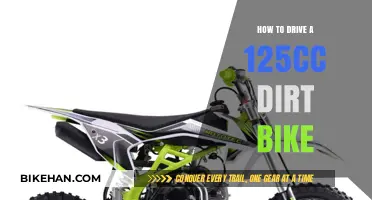
Mastering the Trails: A Beginner's Guide to Riding a 125cc Dirt Bike
You may want to see also
Frequently asked questions
Essential safety gear for dirt bike riding includes a helmet, goggles, gloves, boots, body armor or chest protector, and appropriate riding attire such as long-sleeved shirts and pants made from durable materials.
To properly position yourself on a dirt bike, stand on the foot pegs with your feet shoulder-width apart, knees slightly bent, and lean forward slightly at the waist. Your elbows should be relaxed and bent, with your hands gripping the handlebars firmly but not tightly.
To accelerate on a dirt bike, gently roll the throttle forward with your right hand while maintaining a steady clutch with your left hand. For braking, apply the front brake lever with your right hand and the rear brake pedal with your right foot, gradually increasing pressure to avoid locking the wheels.
Improving balance and control on a dirt bike involves practicing proper body positioning, maintaining a steady throttle, and using your body weight to shift and steer the bike. Regular practice on different terrains and participating in beginner riding courses can also significantly enhance your skills.