Matthew Brooks
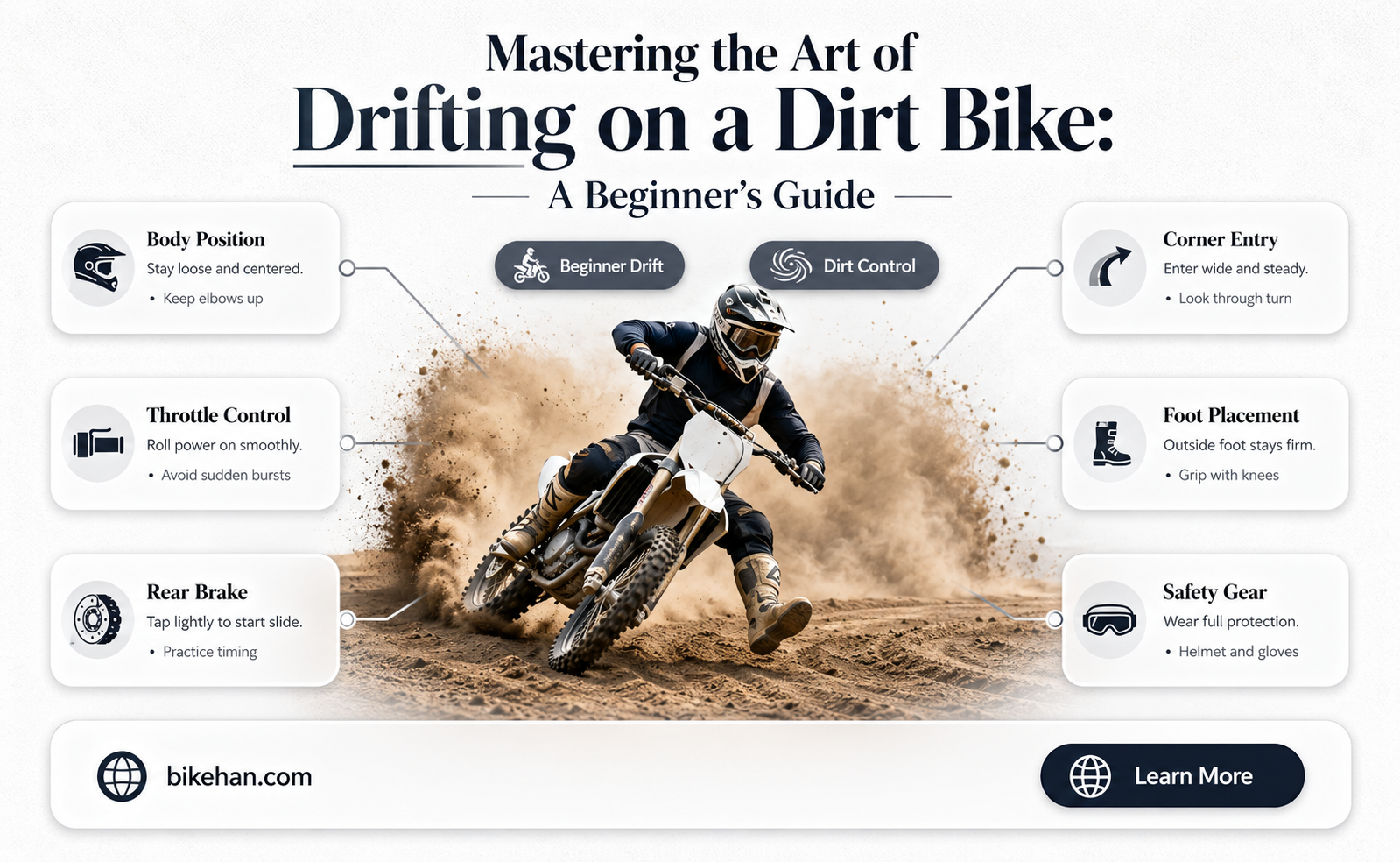
Drifting a dirt bike is an exhilarating skill that requires precision, balance, and a good understanding of your bike's mechanics. It involves intentionally oversteering and losing traction in the rear wheel while maintaining control and driving the bike through the entirety of a corner. This technique is not only impressive to watch but also allows riders to navigate turns more efficiently and with greater speed. To master the art of drifting, one must first become familiar with the basic principles of bike control and handling. This includes understanding how to shift your body weight, use the throttle and brakes effectively, and maintain the correct line through a turn. Once these fundamentals are grasped, riders can begin to experiment with more advanced techniques such as counter-steering and throttle control to initiate and maintain a drift. Practice and patience are key, as drifting can be challenging and potentially dangerous if not executed correctly.
Explore related products


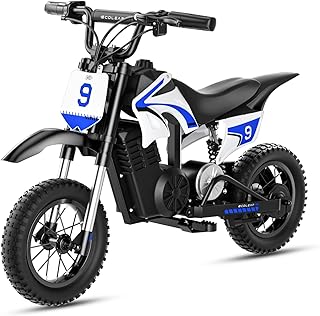


What You'll Learn
- Mastering the Basics: Learn fundamental dirt bike skills like balance, throttle control, and braking before attempting to drift
- Choosing the Right Gear: Wear appropriate safety gear including a helmet, gloves, boots, and protective clothing to minimize injury risks
- Finding the Perfect Spot: Select a suitable location with loose dirt or gravel surfaces, away from traffic and obstacles for safe drifting practice
- Throttle and Brake Technique: Gradually apply the throttle while releasing the brake to initiate a drift, maintaining control through subtle adjustments
- Body Positioning: Shift your body weight to the inside of the turn, leaning into the drift to maintain balance and control

Mastering the Basics: Learn fundamental dirt bike skills like balance, throttle control, and braking before attempting to drift
Before you can master the art of drifting a dirt bike, it's crucial to have a solid foundation in the basic skills. Balance is key, as it allows you to maintain control of your bike even when navigating uneven terrain. To improve your balance, practice standing on the foot pegs while the bike is stationary, shifting your weight from side to side. This will help you develop the muscle memory needed to stay upright when the bike is in motion.
Throttle control is another essential skill, as it directly affects the bike's speed and stability. To practice throttle control, start by riding at a slow, steady pace and gradually increasing the throttle. Pay attention to how the bike responds and adjust your grip accordingly. It's important to be smooth and consistent with your throttle inputs, as sudden changes can cause the bike to lose traction and slide out from under you.
Braking is perhaps the most critical skill to master before attempting to drift, as it allows you to control your speed and maintain stability during turns. To practice effective braking, start by using the front brake only, applying gentle pressure to slow the bike down. Once you're comfortable with the front brake, move on to using the rear brake, which can be more challenging to control. Remember to always use both brakes in conjunction when coming to a complete stop, as relying too heavily on one brake can cause the bike to skid.
Once you've mastered these fundamental skills, you'll be better equipped to handle the challenges of drifting. Remember, practice makes perfect, so take the time to hone your skills before attempting more advanced techniques. With patience and dedication, you'll be able to confidently drift your dirt bike like a pro.
Mastering the Art of Whoops on Your Dirt Bike: A Step-by-Step Guide
You may want to see also
Explore related products


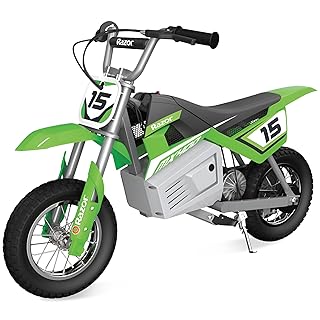


Choosing the Right Gear: Wear appropriate safety gear including a helmet, gloves, boots, and protective clothing to minimize injury risks
Drifting a dirt bike is an exhilarating sport that demands precision, skill, and the right equipment. One of the most critical aspects of preparing for a drift is selecting the appropriate safety gear. This isn't just about following regulations; it's about protecting yourself from potential injuries that could range from minor scrapes to severe trauma.
Start with a helmet that meets the necessary safety standards for motocross or off-road biking. Look for a full-face helmet that provides maximum protection, including a visor to shield your eyes from debris and sunlight. Ensure the helmet fits snugly and is comfortable to wear for extended periods.
Gloves are essential for maintaining a firm grip on the handlebars and protecting your hands in case of a fall. Choose gloves made from durable materials like leather or synthetic fabrics, with reinforced palms and fingers. They should fit well, allowing for flexibility and dexterity while riding.
Boots designed for dirt biking offer ankle support and protection against impacts and abrasions. They should be sturdy, with a good tread pattern for grip when you're off the bike. Make sure they fit comfortably and provide adequate support for your ankles.
Protective clothing, such as a motocross jersey and pants, is designed to withstand the rigors of off-road riding. These garments are typically made from breathable, moisture-wicking materials that offer protection against abrasions and impacts. Consider adding additional protective gear like knee and elbow pads, and a chest protector, depending on your level of experience and the type of drifting you plan to do.
Remember, the right gear can significantly reduce the risk of injury, allowing you to focus on perfecting your drifting technique. Always inspect your equipment before each ride, ensuring it's in good condition and fits properly. By prioritizing safety, you can enjoy the thrill of dirt bike drifting while minimizing the risks associated with this high-adrenaline sport.
Mastering the Art of Wheelies on Your Dirt Bike
You may want to see also
Explore related products


Finding the Perfect Spot: Select a suitable location with loose dirt or gravel surfaces, away from traffic and obstacles for safe drifting practice
To find the perfect spot for drifting a dirt bike, you need to look for a location that offers the right balance of safety and challenge. A suitable area should have loose dirt or gravel surfaces, which provide the necessary traction for drifting while also allowing for some degree of sliding. It's crucial to choose a spot away from traffic and obstacles to minimize the risk of accidents and ensure a safe practice environment.
When selecting a location, consider the following factors:
- Surface type: Look for areas with loose dirt, gravel, or a mix of both. These surfaces provide the ideal conditions for drifting, as they offer enough grip to maintain control while also allowing for smooth slides.
- Space and layout: Choose a location with ample space to maneuver and practice drifting techniques. A large, open area with gentle slopes or curves is ideal, as it allows for a variety of drifting scenarios without the risk of running into obstacles.
- Proximity to traffic: Avoid areas near roads or trails with heavy traffic, as this increases the risk of collisions and accidents. A secluded spot away from other riders and vehicles is preferable.
- Obstacles and hazards: Scan the area for any potential obstacles, such as rocks, trees, or fences, that could pose a danger during drifting practice. A clear, obstacle-free zone is essential for safe drifting.
- Legal considerations: Ensure that the location you choose is legal for off-road riding and drifting practice. Check local regulations and obtain any necessary permits or permissions before using the area.
By considering these factors, you can find a suitable location that meets your needs and provides a safe environment for practicing dirt bike drifting techniques. Remember to always prioritize safety and follow proper precautions when engaging in this exciting and challenging activity.
Mastering the Art of Downshifting on Your Dirt Bike
You may want to see also
Explore related products
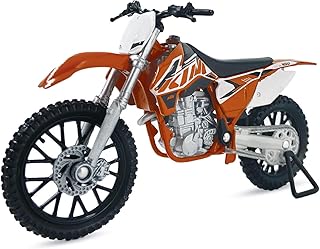


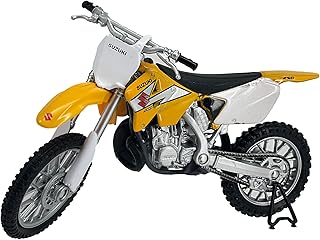

Throttle and Brake Technique: Gradually apply the throttle while releasing the brake to initiate a drift, maintaining control through subtle adjustments
To initiate a drift on a dirt bike, the throttle and brake technique is crucial. This method involves a delicate balance between applying the throttle and releasing the brake. The process begins with the rider positioning their body weight towards the rear of the bike to reduce front-wheel traction. As the bike starts to lose grip, the rider must gradually roll off the brake while simultaneously rolling on the throttle. This action transfers weight to the rear wheel, causing the front wheel to lift slightly and the bike to drift sideways.
Maintaining control during the drift is essential. The rider should make subtle adjustments to the throttle and brake to keep the bike in a stable slide. Too much throttle can cause the bike to spin out, while too much brake can bring the bike to a stop. The key is to find the right balance that allows the bike to drift smoothly without losing control.
One common mistake riders make is to jerk the throttle or brake, which can upset the bike's balance and cause it to crash. Instead, the rider should make smooth, gradual inputs to maintain stability. Additionally, the rider should keep their body weight centered over the bike and use their legs to grip the bike's frame, providing additional control during the drift.
As the rider becomes more experienced, they can experiment with different throttle and brake techniques to achieve various drifting styles. For example, a rider might use a more aggressive throttle input to create a larger drift angle or a smoother brake release to maintain a tighter line through a corner.
In conclusion, mastering the throttle and brake technique is essential for drifting a dirt bike. By gradually applying the throttle while releasing the brake and making subtle adjustments, riders can initiate and control a drift, adding a new level of excitement and challenge to their riding experience.
Dirt Bike Maintenance: The Complete Guide to Draining Your Gas Tank
You may want to see also
Explore related products

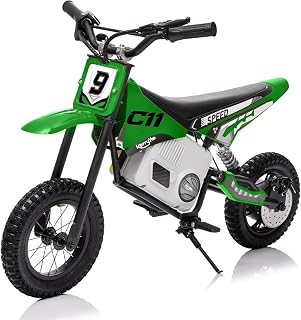


Body Positioning: Shift your body weight to the inside of the turn, leaning into the drift to maintain balance and control
To effectively drift a dirt bike, mastering body positioning is crucial. When entering a turn, the rider must shift their body weight towards the inside of the turn. This involves leaning into the drift, which helps maintain balance and control. The rider's outside leg should be extended, pressing against the bike to counterbalance the lean. This technique allows the bike to slide smoothly through the turn while the rider remains stable.
Proper body positioning also involves adjusting the rider's upper body. The shoulders should be aligned with the direction of the turn, and the rider should look ahead to anticipate the exit of the turn. This forward gaze helps in maintaining the correct lean angle and preparing for the next maneuver. The rider's arms should be relaxed yet firm, allowing for subtle adjustments to the bike's position.
A common mistake in drifting is leaning too far into the turn, which can result in a loss of control. To avoid this, riders should focus on maintaining a centered position over the bike. This balance ensures that the bike can be easily steered and controlled throughout the drift. Additionally, riders should practice shifting their weight smoothly and gradually, rather than making abrupt movements.
In summary, body positioning is a key aspect of drifting a dirt bike. By shifting their weight to the inside of the turn and maintaining a balanced posture, riders can effectively control their bike and execute smooth drifts. Practice and precision are essential in mastering this technique, allowing riders to navigate turns with confidence and skill.
Dirt Bike Maintenance: Effective Ways to Drain Bad Gas
You may want to see also