Engine Displacement
Engine displacement, measured in cubic centimeters (cc), indicates engine size. Larger displacements offer more power, while smaller engines are lighter and more fuel-efficient.
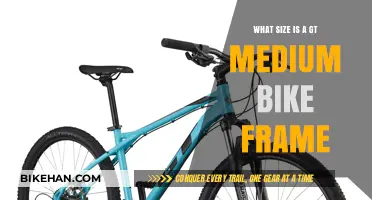
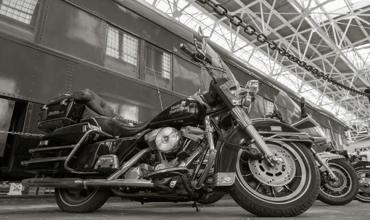
Motorcycles come in various sizes, catering to different rider heights, preferences, and riding styles. From compact bikes to larger adventure machines, finding the right size is crucial for comfort, control, and safety.
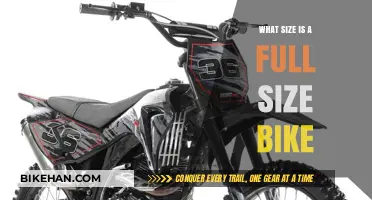
Size categories include mini bikes, small displacement bikes, standard bikes, and larger adventure or touring models. Each size offers a unique riding experience, catering to diverse rider needs and preferences.

Motorcycle sizes vary based on engine displacement, physical dimensions, and intended use. From compact city commuters to large touring bikes, understanding these size variations is crucial for making the right choice.
Engine displacement, measured in cubic centimeters (cc), indicates engine size. Larger displacements offer more power, while smaller engines are lighter and more fuel-efficient.

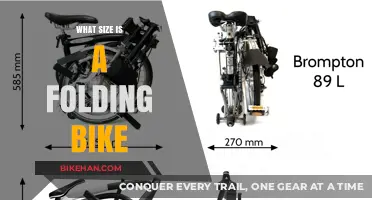
Physical size impacts handling and comfort. Smaller bikes are more maneuverable, while larger bikes offer a more commanding presence and often have higher seat heights.
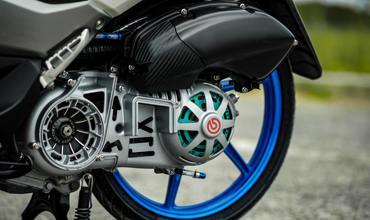
Motorcycle size is closely tied to its intended use. Off-road bikes are lightweight and agile, while touring bikes are larger for long-distance comfort.
Selecting the appropriate motorcycle size is crucial for a comfortable and enjoyable riding experience. Consider factors such as your height, riding style, and intended use to make the right choice.
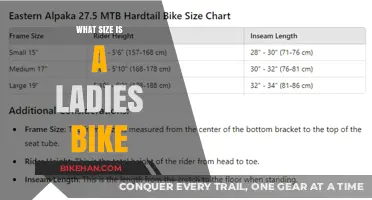
Consider your height when choosing a motorcycle. Seat height and overall bike size should provide a comfortable riding position, allowing you to balance and control the bike effectively.
Different riding styles require different bike sizes. Cruisers offer a relaxed position, while sport bikes have a more aggressive stance.
Consider where you'll ride. City commuters prefer compact bikes, while adventure riders need larger, rugged machines.
Ensure the motorcycle's size provides a comfortable riding position. Consider factors like seat height, handlebar position, and footpeg placement.
Choose a size that allows you to easily control the bike. Smaller bikes are more nimble, while larger bikes offer a more stable ride.
A properly sized motorcycle improves safety. Ensure you can confidently reach the controls, maintain balance, and have a clear view of your surroundings.
Test ride different sizes to find your preference.
Consider your experience level. Beginners may prefer smaller, lighter bikes.
Choose a size that aligns with your intended riding style and terrain.


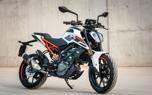

Motorcycle size is influenced by a combination of factors, including engine displacement, physical dimensions, and intended use. Understanding these factors will help you make an informed decision when choosing your ideal bike.
| Factor | Description |
|---|---|
| Engine Displacement | Engine size, measured in cc, determines power output. Larger displacements offer more torque and horsepower, while smaller engines are lighter and more fuel-efficient. |
| Physical Dimensions | The physical size of the motorcycle impacts handling and comfort. Smaller bikes are more agile, while larger bikes offer a roomier riding position and higher seat heights. |
| Intended Use | Different riding styles and terrains require specific sizes. Off-road bikes are compact and lightweight, while touring bikes are larger for long-distance comfort. |
| Rider Height | The rider's height plays a crucial role in size selection. Seat height and overall bike size should accommodate the rider's leg length and provide a comfortable riding position. |
| Comfort and Control | Choose a size that offers a comfortable and controllable riding experience. Consider factors like handlebar position, seat height, and overall ergonomics. |
| Safety | A properly sized motorcycle improves safety. Ensure you have a clear view, can easily reach the controls, and maintain balance while riding. |
Finding the right motorcycle size is essential for a safe and enjoyable riding experience. Consider your height, riding style, and intended use to make an informed decision.