Eric Johnson

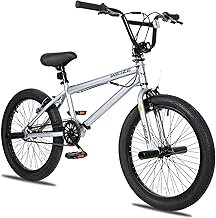
BMX bikes, known for their compact and sturdy design, are typically smaller than standard bicycles. The size of a BMX bike can vary slightly depending on the specific model and brand, but generally, they feature a smaller frame and wheels. Adult BMX bikes usually have a top tube length ranging from 20.5 to 21.5 inches, while the wheel diameter is often around 20 inches. These dimensions make BMX bikes highly maneuverable, ideal for performing tricks and navigating tight spaces. Despite their smaller size, BMX bikes are built to withstand significant wear and tear, making them suitable for both casual riding and competitive sports.
Explore related products



What You'll Learn
- BMX Bike Dimensions: Explore the standard sizes and measurements of BMX bikes, including frame size and wheel diameter
- BMX Bike Types: Discover the different types of BMX bikes, such as freestyle, dirt, and racing, and their specific size requirements
- BMX Bike Size Chart: Find a comprehensive size chart to help determine the right BMX bike size based on rider height and age
- BMX Bike Wheel Size: Learn about the various wheel sizes available for BMX bikes, including 16, 18, 20, and 24
- BMX Bike Frame Size: Understand the importance of frame size in BMX biking and how it affects rider comfort and performance

BMX Bike Dimensions: Explore the standard sizes and measurements of BMX bikes, including frame size and wheel diameter
BMX bikes come in a variety of sizes to accommodate different riders and riding styles. The most common frame sizes range from 16 inches to 24 inches, measured from the center of the bottom bracket to the top of the seat tube. The wheel diameter is typically 20 inches, but some models may have 18-inch or 24-inch wheels.
When choosing a BMX bike, it's essential to consider the rider's height and skill level. A smaller frame size is suitable for younger riders or those who prefer a more maneuverable bike, while a larger frame size is better for taller riders or those who want a more stable ride. The wheel diameter also affects the bike's performance, with larger wheels providing more speed and stability, and smaller wheels offering better control and agility.
In addition to frame size and wheel diameter, other important dimensions to consider include the handlebar width, seat height, and crank length. These measurements can impact the rider's comfort and control while riding. It's crucial to find a bike that fits the rider's body proportions and riding style to ensure a safe and enjoyable experience.
To determine the right BMX bike size, riders can consult a size chart or visit a local bike shop for a professional fitting. It's also helpful to test ride different models and sizes to find the best fit. Remember, the right BMX bike size can make a significant difference in the rider's performance and enjoyment, so it's worth taking the time to find the perfect match.
Understanding 700c Bike Tubes: A Comprehensive Size Guide
You may want to see also
Explore related products


BMX Bike Types: Discover the different types of BMX bikes, such as freestyle, dirt, and racing, and their specific size requirements
BMX bikes come in various types, each designed for specific riding styles and terrains. The three main types of BMX bikes are freestyle, dirt, and racing. Freestyle BMX bikes are built for performing tricks and stunts in skateparks or on street obstacles. They typically have a smaller frame size, ranging from 16 to 18 inches, to allow for greater maneuverability and control during tricks. The handlebars are often wider, and the wheels are smaller and more durable to withstand the impact of jumps and landings.
Dirt BMX bikes, on the other hand, are designed for off-road riding on dirt tracks and trails. They have a larger frame size, usually between 18 and 20 inches, to provide more stability and comfort during long rides over rough terrain. The handlebars are narrower, and the wheels are larger with deeper treads for better traction on dirt surfaces. These bikes also have a longer travel suspension to absorb the shocks from bumps and jumps.
Racing BMX bikes are built for speed and agility on smooth, paved tracks. They have the largest frame size of the three types, typically ranging from 20 to 22 inches, to accommodate taller riders and provide a more aerodynamic riding position. The handlebars are narrow and positioned low, and the wheels are lightweight with minimal treads for reduced rolling resistance. Racing BMX bikes also have a rigid frame and fork to maximize power transfer and responsiveness during races.
When choosing a BMX bike, it's essential to consider the rider's height, weight, and riding style. A bike that is too small or too large can be uncomfortable and difficult to control, leading to a less enjoyable riding experience. By understanding the specific size requirements for each type of BMX bike, riders can select the perfect bike for their needs and preferences.
Cruising Comfort: The Ideal Beach Cruiser Bike Size for You
You may want to see also
Explore related products


BMX Bike Size Chart: Find a comprehensive size chart to help determine the right BMX bike size based on rider height and age
To determine the right BMX bike size, it's crucial to consider both the rider's height and age. BMX bikes come in various sizes, typically ranging from 16 inches to 24 inches in wheel diameter. For younger riders, starting with a smaller bike is recommended to ensure better control and maneuverability. As riders grow taller and older, they can transition to larger bikes that offer more stability and speed.
A comprehensive BMX bike size chart would typically include a matrix that correlates rider height and age with the appropriate bike size. For instance, a rider who is 4 feet tall and 8 years old might be best suited for a 16-inch BMX bike, while a rider who is 5 feet 6 inches tall and 14 years old might require an 18-inch or 20-inch bike. It's important to note that these are general guidelines, and individual preferences and riding styles can also influence the choice of bike size.
When selecting a BMX bike, it's also essential to consider the type of riding the bike will be used for. For example, freestyle BMX bikes are typically smaller and more maneuverable, making them ideal for performing tricks and stunts. In contrast, dirt BMX bikes are larger and more robust, designed to handle rough terrain and jumps.
To ensure the best fit, riders should also consider the bike's geometry, including the frame size, seat height, and handlebar position. A properly sized BMX bike will allow the rider to maintain a comfortable and efficient riding position, reducing the risk of injury and improving overall performance.
In summary, finding the right BMX bike size involves considering the rider's height, age, and riding style, as well as the bike's geometry and intended use. A comprehensive size chart can serve as a helpful guide, but it's also important to factor in individual preferences and needs to ensure the best possible fit.
Understanding Bike Shoe Sizes: A Guide to Finding Your Perfect Fit
You may want to see also
Explore related products


BMX Bike Wheel Size: Learn about the various wheel sizes available for BMX bikes, including 16, 18, 20, and 24
BMX bikes come in a variety of wheel sizes, each catering to different riding styles and preferences. The most common wheel sizes for BMX bikes are 16, 18, 20, and 24 inches. The size of the wheel can significantly impact the bike's performance, handling, and overall feel.
16-inch BMX bikes are typically designed for younger riders or those who prefer a more compact bike. They are lighter and easier to maneuver, making them ideal for beginners or those who ride in tight spaces. However, they may not be as stable at high speeds as larger wheel sizes.
18-inch BMX bikes offer a good balance between maneuverability and stability. They are suitable for riders of all ages and skill levels and are often used for street riding and freestyle BMX. The slightly larger wheel size provides a smoother ride over obstacles and allows for better control at higher speeds.
20-inch BMX bikes are the most popular wheel size for BMX bikes. They offer a good balance between stability, speed, and maneuverability, making them suitable for a wide range of riding styles, including dirt, park, and street riding. The larger wheel size also provides better traction and shock absorption, making them ideal for riders who tackle rough terrain.
24-inch BMX bikes are designed for riders who prefer a larger bike with more stability and speed. They are often used for racing and downhill riding, where the larger wheel size provides better traction and control at high speeds. However, they may be more difficult to maneuver in tight spaces and require more skill to handle.
When choosing a BMX bike wheel size, it's important to consider your riding style, skill level, and personal preferences. Each wheel size offers unique benefits and challenges, so it's essential to choose the size that best suits your needs.
Exploring the Perfect Fit: Fuji Bikes' 21-Inch Models Unveiled
You may want to see also
Explore related products


BMX Bike Frame Size: Understand the importance of frame size in BMX biking and how it affects rider comfort and performance
BMX biking is a sport that demands precision, agility, and control, and one of the most critical factors influencing these aspects is the bike frame size. A properly sized frame can significantly enhance a rider's comfort and performance, allowing for better maneuverability and reduced risk of injury. Conversely, an ill-fitting frame can lead to discomfort, decreased efficiency, and increased likelihood of accidents.
The importance of frame size in BMX biking cannot be overstated. It affects the rider's ability to perform tricks, maintain balance, and navigate obstacles. A frame that is too large or too small can disrupt the rider's center of gravity, making it challenging to execute jumps, spins, and other maneuvers with precision. Additionally, an improperly sized frame can cause strain on the rider's joints and muscles, leading to fatigue and potential injuries over time.
To determine the appropriate BMX bike frame size, riders should consider several factors, including their height, weight, and riding style. Generally, BMX frames are measured from the center of the bottom bracket to the top of the head tube, and sizes typically range from 16 to 24 inches. Riders should aim for a frame size that allows them to stand over the bike with their feet flat on the ground and their knees slightly bent. This position ensures optimal control and comfort while riding.
Furthermore, the frame size should be matched with the rider's skill level and preferred type of BMX riding. For example, beginners may benefit from a slightly larger frame for added stability, while experienced riders may prefer a smaller frame for increased maneuverability. Similarly, riders who specialize in freestyle BMX may require a different frame size than those who focus on dirt jumping or racing.
In conclusion, understanding the importance of BMX bike frame size is crucial for riders seeking to maximize their comfort and performance. By selecting a frame that is appropriately sized for their body and riding style, BMX enthusiasts can enhance their overall experience, reduce the risk of injury, and unlock their full potential on the bike.
Choosing the Right Inverter Size for E-Bike Battery Charging
You may want to see also
Frequently asked questions
BMX bikes generally come in sizes ranging from 16 inches to 24 inches, measured from the center of the bottom bracket to the top of the seat tube. The most common sizes are 20 inches and 24 inches, which cater to a wide range of riders from children to adults.
To determine the right BMX bike size, consider your height and the type of riding you'll be doing. For freestyle and dirt riding, a smaller bike (16-20 inches) may be preferable for better maneuverability. For racing or more aggressive riding styles, a larger bike (20-24 inches) might be more suitable to provide greater stability and speed. Additionally, you can consult a BMX bike size chart or visit a local bike shop for personalized advice.
Yes, there are differences in BMX bike sizes for different types of riding. Freestyle BMX bikes are typically smaller, ranging from 16 to 20 inches, to allow for easier tricks and greater control in skate parks and street riding. Racing BMX bikes, on the other hand, are generally larger, ranging from 20 to 24 inches, to provide more speed and stability on race tracks. However, some riders may prefer a smaller or larger bike based on their personal riding style and preferences.