Eric Johnson

Folding bikes are designed to be compact and portable, making them an excellent choice for urban commuters and travelers. When it comes to size, folding bikes typically range from 16 to 20 inches in wheel diameter, with some models featuring larger wheels for improved performance. The frame size of a folding bike is usually smaller than that of a traditional bicycle, allowing it to be easily folded and stored in tight spaces. Additionally, the handlebars and pedals can often be adjusted to accommodate riders of different heights, ensuring a comfortable and ergonomic riding experience. Overall, the size of a folding bike is optimized for convenience and versatility, making it a practical solution for those who need a bike that can adapt to various environments and storage situations.
Explore related products


What You'll Learn
- Compactness: Folding bikes are designed to be compact for easy storage and transport
- Wheel Size: They typically have smaller wheels, usually ranging from 16 to 20 inches
- Frame Size: The frame is often smaller and more compact compared to standard bikes
- Height Adjustability: Many models offer adjustable handlebars and seats to fit different rider heights
- Portability: Their small size when folded makes them ideal for carrying on public transport or in car trunks

Compactness: Folding bikes are designed to be compact for easy storage and transport
Folding bikes are engineered with compactness in mind, making them ideal for urban commuters and those with limited storage space. Their ability to fold into a smaller size allows for easy transport on public transportation and convenient storage in tight spaces, such as under desks or in small apartments. This design feature is particularly beneficial for those who live in crowded cities where space is at a premium.
One of the key advantages of folding bikes is their versatility. They can be easily carried onto buses and trains, allowing commuters to combine cycling with other modes of transportation seamlessly. This is especially useful for those who need to travel longer distances or who face challenging terrain that may not be suitable for cycling. Additionally, folding bikes can be stored in car trunks, making them a great option for those who need to drive to their destination but still want to use a bike for the last mile of their journey.
The compact size of folding bikes also makes them a popular choice for travelers. They can be easily packed into suitcases or travel bags, allowing cyclists to bring their bikes with them on trips without having to worry about finding a bike rental or relying on public transportation. This is particularly appealing for those who enjoy exploring new cities on two wheels or who need a bike for recreational activities while on vacation.
Furthermore, folding bikes are often designed with lightweight materials, such as aluminum or carbon fiber, which enhances their portability. This makes them easy to carry up stairs or lift onto racks, further adding to their convenience. The combination of compact size and lightweight construction makes folding bikes a practical solution for a wide range of users, from daily commuters to occasional riders.
In conclusion, the compactness of folding bikes is a key feature that sets them apart from traditional bicycles. Their ability to fold into a smaller size for easy storage and transport makes them a versatile and practical option for urban commuters, travelers, and anyone with limited space. With their lightweight construction and convenient design, folding bikes offer a unique solution for those who want the benefits of cycling without the hassle of storing and transporting a full-sized bike.
Understanding Bike Frame Sizes: A Guide to 22-Inch Frames
You may want to see also
Explore related products


Wheel Size: They typically have smaller wheels, usually ranging from 16 to 20 inches
Folding bikes are designed with smaller wheels to enhance their portability and ease of storage. Typically, these wheels range from 16 to 20 inches in diameter, which is significantly smaller than the standard 26 to 29 inches found on most adult bicycles. This reduction in wheel size allows the bike to fold into a more compact form, making it ideal for commuters who need to carry their bike onto public transportation or store it in tight spaces.
Despite their smaller size, the wheels of folding bikes are engineered to provide a smooth and efficient ride. They often feature a higher spoke count to maintain strength and durability, compensating for the reduced size. Additionally, these bikes usually come with narrower tires, which help to minimize rolling resistance and improve speed on paved surfaces.
One of the key benefits of smaller wheels is the lower center of gravity they provide. This design feature makes folding bikes more stable and easier to handle, especially when navigating through crowded urban environments. Furthermore, the reduced wheel size can make it easier for riders to mount and dismount the bike, as the step-over height is typically lower.
However, it's important to note that smaller wheels can also have some drawbacks. They may not perform as well on rough terrain or over large obstacles, as their reduced diameter can make it more challenging to roll over such features. Additionally, smaller wheels can be more susceptible to punctures and damage from road debris.
In conclusion, the wheel size of folding bikes is a critical design element that balances portability, ride quality, and stability. While they may not be suitable for all types of cycling, their unique characteristics make them an excellent choice for urban commuters and those who need a compact, easily storable bike.
BMX Bike Sizes: A Comprehensive Guide for Riders of All Ages
You may want to see also
Explore related products


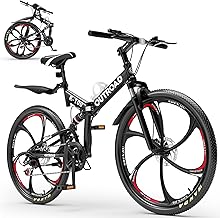


Frame Size: The frame is often smaller and more compact compared to standard bikes
The frame size of a folding bike is a critical aspect that sets it apart from standard bicycles. Typically, folding bikes have smaller and more compact frames, which is essential for their portability and storage capabilities. This design allows the bike to be easily folded into a more manageable size, making it convenient for commuters who need to carry their bike onto public transportation or store it in tight spaces.
One of the key benefits of a smaller frame is the reduced weight, which makes the bike easier to handle and maneuver, especially in urban environments. Additionally, the compact frame often results in a lower center of gravity, enhancing the bike's stability and making it more suitable for riders of various skill levels.
However, the smaller frame size can also have some drawbacks. For instance, it may limit the bike's top speed and make it less efficient for long-distance rides compared to standard bikes with larger frames. Furthermore, the reduced frame size can sometimes result in a less comfortable riding position, particularly for taller riders who may feel cramped on a smaller bike.
Despite these potential downsides, the unique frame size of folding bikes makes them an attractive option for city dwellers and commuters who prioritize convenience and portability. When choosing a folding bike, it's essential to consider the rider's height, riding style, and intended use to ensure the best fit and performance.
Understanding Bike Sizes: A Guide to 51 cm Bicycles
You may want to see also
Explore related products


Height Adjustability: Many models offer adjustable handlebars and seats to fit different rider heights
Adjusting the handlebars and seat on a folding bike is crucial for ensuring a comfortable and safe ride, especially considering the compact nature of these bicycles. Most models come with mechanisms that allow for quick and easy height adjustments. For the handlebars, this typically involves loosening a knob or lever, sliding the bars to the desired height, and then retightening the mechanism. Seats usually have a similar adjustment process, with a lever or knob located beneath the seat that releases the post for height modification.
The ability to adjust the height of both the handlebars and seat is particularly beneficial for folding bikes, as it allows riders of various statures to use the same bike comfortably. This feature is especially useful for shared bikes or those used in public bike-sharing programs, where multiple users with different height requirements may use the same bicycle throughout the day.
When adjusting the height, it's important to ensure that the bike is stable and secure. This can be achieved by placing the bike on a flat surface and using the kickstand or leaning it against a solid object. Additionally, riders should test the adjustments by sitting on the bike and pedaling to ensure that the handlebars and seat are at a comfortable and ergonomic position before taking off on a ride.
In terms of specific measurements, the ideal handlebar height is generally around waist level when standing next to the bike, while the seat height should allow for a slight bend in the knees when pedaling. However, these are general guidelines, and individual preferences may vary. Experimenting with different heights and positions can help riders find the most comfortable and efficient setup for their unique body dimensions and riding style.
Overall, the height adjustability feature of folding bikes enhances their versatility and usability, making them a practical choice for a wide range of riders. By taking the time to properly adjust the handlebars and seat, users can ensure a comfortable, safe, and enjoyable riding experience.
Understanding Bike Sizes: A Guide to 47cm Frames
You may want to see also
Explore related products


Portability: Their small size when folded makes them ideal for carrying on public transport or in car trunks
The compact nature of folding bikes when collapsed is a game-changer for urban commuters and travelers. Measuring typically between 30 to 40 inches in height and 20 to 30 inches in width, these bikes can easily fit into the trunk of most cars, making them a convenient option for those who need to combine cycling with driving. For public transport users, the ability to fold a bike down to a size that can be carried on a bus or train without occupying excessive space is a significant advantage. This portability allows for seamless transitions between different modes of transportation, enabling users to cover longer distances more efficiently.
One of the key benefits of folding bikes is their versatility. Unlike traditional bikes, which can be cumbersome to transport, folding bikes can be taken on airplanes as carry-on luggage, allowing travelers to explore new cities on two wheels without the hassle of renting a bike or relying on public transportation. Additionally, their small size when folded makes them easy to store in small apartments or offices, making them an attractive option for city dwellers who may not have access to secure bike storage facilities.
When considering the portability of folding bikes, it's important to note that the folding mechanism itself can add some bulk to the bike. However, most modern folding bikes are designed with lightweight materials such as aluminum or carbon fiber, which helps to offset the additional weight of the folding components. Furthermore, many folding bikes come with carrying bags or cases that make them even easier to transport.
In conclusion, the portability of folding bikes is a major selling point for those who need a convenient and versatile mode of transportation. Whether you're commuting to work, traveling to new destinations, or simply looking for a bike that can be easily stored and transported, folding bikes offer a practical solution that combines the benefits of cycling with the convenience of compact design.
Understanding Bike Frame Sizes: A Guide to 19-Inch Frames
You may want to see also
Frequently asked questions
Folding bikes generally come in a range of sizes to accommodate different riders. The typical size range includes small (suited for riders around 4'11" to 5'4"), medium (suited for riders around 5'5" to 5'9"), and large (suited for riders around 5'10" to 6'4"). However, specific sizes can vary depending on the brand and model.
Folding bike sizes are often smaller than standard bike sizes due to their compact design. While standard bikes may range from extra small to extra large, folding bikes usually fall within a more limited size spectrum. This is because folding bikes are designed to be portable and easily storable, which requires them to be smaller when folded.
When choosing the size of a folding bike, consider your height, inseam length, and riding style. Your height and inseam length will determine the most comfortable and efficient riding position. Additionally, consider how you plan to use the bike (e.g., commuting, leisure riding, or touring) and any specific features you may need (e.g., suspension, gear range, or tire width). It's also important to test ride different sizes to find the one that feels best for you.