Helmets
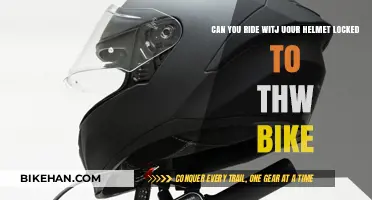
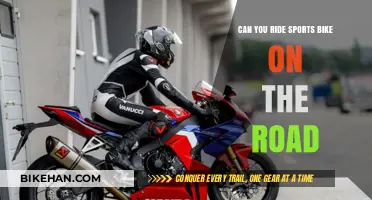
Always wear a certified motorcycle helmet to protect your head in case of an accident. Look for features like ventilation, comfort padding, and an anti-fog visor.
Riding motorcycles offers an exhilarating experience with a sense of freedom and adventure. With different types of bikes and riding styles, there's a perfect ride for every enthusiast.
Popular types include cruisers, sportbikes, dual-sport, naked bikes, and adventure motorcycles. Each category offers a unique riding posture, performance characteristics, and aesthetic appeal.
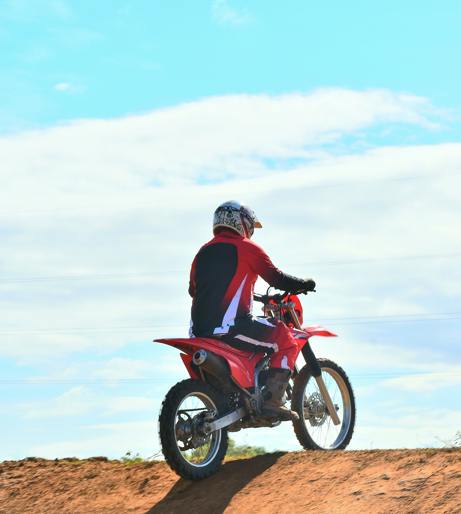
Staying safe and comfortable on your rides starts with the right gear. From helmets to protective clothing, here's what you need for a confident and enjoyable riding experience.
Always wear a certified motorcycle helmet to protect your head in case of an accident. Look for features like ventilation, comfort padding, and an anti-fog visor.
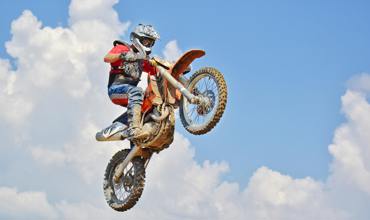
Invest in quality riding jackets, gloves, pants, and boots. These provide abrasion resistance, impact protection, and comfort during long rides.
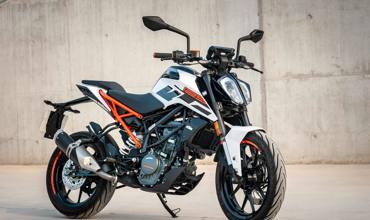
Stay connected with other riders using Bluetooth communication devices. These allow for music, navigation, and hands-free calling while riding.
Mastering riding techniques will make you a safer and more confident motorcyclist. Here are some essential skills to practice and refine.
Practice smooth and controlled cornering. Learn to counter-steer, maintain proper body positioning, and use progressive throttle control.
Master both front and rear braking techniques. Practice threshold braking and learn how to use both brakes effectively in different situations.
Maintain a relaxed and balanced posture. Learn how to position your body during acceleration, cornering, and braking for better control and comfort.
Practice low-speed maneuvers like u-turns and figure eights. Develop a feel for the clutch and fine-tune your throttle control.
Prepare for the unexpected. Practice swerving and stopping quickly to avoid obstacles, and learn how to handle skids and slides.
Learn hand signals and communication techniques for group riding. Practice riding in formation and maintaining safe distances.
Plan your rides with a mix of scenic routes and fun destinations. Use apps and online tools to discover new roads and places to explore.
Regular motorcycle maintenance is key to safe and enjoyable rides. Check tire pressure, oil levels, brakes, and lights before each ride.
Carry basic tools and a repair kit on longer rides. Know how to perform minor repairs and adjustments on your own.
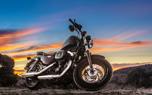
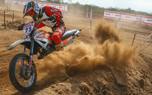
Starting your motorcycle journey? Here are some essential tips to keep in mind as you embark on your riding adventures.
| Tip | Description |
|---|---|
| Practice in a Safe Area | Find a large, empty parking lot to practice starting, stopping, turning, and shifting gears before hitting the open road. |
| Start Slow | Begin with short, familiar routes and gradually increase your distance and complexity. Ride within your comfort zone and don't push beyond your skill level. |
| Be Visible | Make yourself visible to other motorists. Wear bright or reflective gear, use your lights, and position yourself where other drivers can see you. |
| Ride Defensively | Always assume that other drivers don't see you. Anticipate potential hazards, keep a safe distance, and be prepared to take evasive action if needed. |
| Continue Learning | Motorcycle riding is a lifelong learning process. Take advanced riding courses, read books, and join riding communities to continuously improve your skills and knowledge. |
Motorcycle riding is a rewarding and exciting hobby. With practice, patience, and a commitment to safety, you'll soon be enjoying the thrill of the open road.