Matthew Brooks
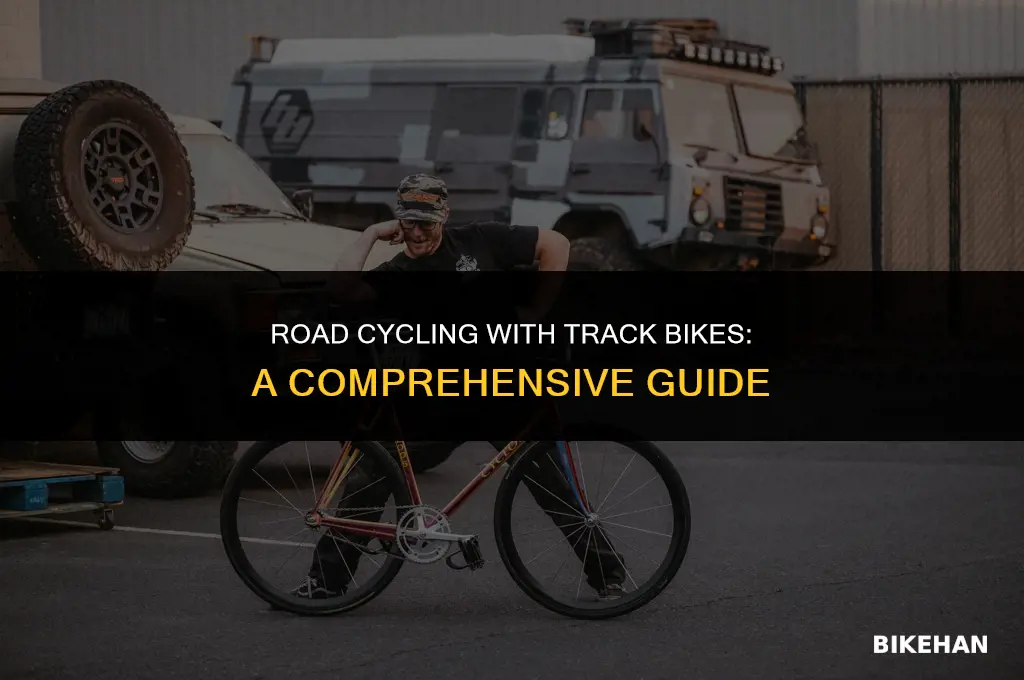
Track bikes, designed for velodrome racing, have unique features that set them apart from road bikes. One of the most notable differences is the lack of brakes, which is a critical safety component for road cycling. This design choice is intended for the controlled environment of a velodrome, where riders rely on their legs to slow down and stop. Additionally, track bikes have a fixed gear, meaning the pedals are directly connected to the rear wheel, which can make starting and stopping more challenging on the road. While it is technically possible to ride a track bike on the road, it is generally not recommended due to these safety concerns. Riders who choose to do so should be experienced and take extra precautions, such as using a front brake kit designed for track bikes and being aware of their surroundings at all times.
Explore related products


What You'll Learn
- Track Bike Design: Differences in track bike design compared to road bikes, focusing on fixed gear and lack of brakes
- Legal Considerations: Laws and regulations regarding the use of track bikes on public roads, including helmet and brake requirements
- Safety Concerns: Potential safety issues when riding track bikes on the road, such as limited maneuverability and stopping power
- Riding Techniques: Tips and techniques for safely riding track bikes on the road, including how to navigate traffic and obstacles
- Conversion Options: Methods for converting track bikes for road use, including adding brakes and adjusting the gearing for easier pedaling

Track Bike Design: Differences in track bike design compared to road bikes, focusing on fixed gear and lack of brakes
Track bikes are designed with a fixed gear system, which means the pedals are directly connected to the rear wheel without any freewheel mechanism. This design choice results in a bike that is highly responsive and efficient on the track, where consistent speed and quick acceleration are crucial. However, on the road, this fixed gear system can be a significant disadvantage, as it does not allow for coasting or easy stopping. Riders must maintain constant pedal movement and use their legs to slow down or stop the bike, which can be challenging and potentially dangerous in traffic.
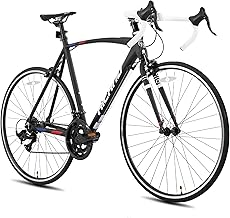
One of the most notable differences between track bikes and road bikes is the absence of brakes on track bikes. Track bikes rely solely on the rider's ability to control speed and stop using their legs, which is a skill that takes time and practice to master. This lack of brakes makes track bikes unsuitable for road use, where the ability to stop quickly and safely is essential. Road bikes, on the other hand, are equipped with both front and rear brakes, allowing riders to control their speed and stop with ease.
The frame geometry of track bikes is also distinct from that of road bikes. Track bikes typically have a more aggressive riding position, with a steeper head angle and shorter wheelbase, which provides better handling and maneuverability on the track. However, this geometry can be less comfortable and more difficult to control on the road, especially over longer distances or on rough terrain. Road bikes, in contrast, have a more relaxed riding position, with a slacker head angle and longer wheelbase, which offers greater stability and comfort for road riding.
In terms of wheel design, track bikes use deep-section rims that are optimized for aerodynamics and speed on the track. These rims are often wider and have a higher profile than road bike rims, which can make them more susceptible to crosswinds and less suitable for road use. Road bikes typically use lighter, narrower rims that are better suited for a variety of road conditions and provide better handling and braking performance.
While track bikes are highly specialized for use on velodromes and indoor tracks, they are not well-suited for road riding due to their fixed gear system, lack of brakes, aggressive frame geometry, and deep-section rims. Riders who wish to use track bikes on the road should be aware of these limitations and take extra precautions to ensure their safety and the safety of others around them.
Dirt Biking Near Vegas: Exploring the Best Motocross Trails
You may want to see also
Explore related products


$319.99


Legal Considerations: Laws and regulations regarding the use of track bikes on public roads, including helmet and brake requirements
In many jurisdictions, track bikes are subject to specific laws and regulations when used on public roads. These regulations often require track bikes to be equipped with certain safety features, such as brakes and reflectors, which are not typically found on bikes designed solely for velodrome use. Additionally, riders may be required to wear helmets and follow other traffic laws applicable to all cyclists.
For example, in the United States, the Consumer Product Safety Commission (CPSC) sets standards for bicycles, including track bikes, that are sold or manufactured in the country. These standards mandate that bikes have functional brakes, reflectors, and other safety equipment. Furthermore, many states have their own laws regarding the use of bicycles on public roads, which may include specific requirements for track bikes.
In the European Union, track bikes used on public roads must comply with the EU's safety regulations for bicycles. This includes having functional brakes, bells, and reflectors, as well as meeting certain lighting requirements. Additionally, riders in many EU countries are required to wear helmets while cycling on public roads.
It is important for track bike enthusiasts to be aware of the laws and regulations in their specific location, as failure to comply can result in fines or other penalties. Riders should also consider the practical implications of using a track bike on public roads, such as the lack of gears and the potential difficulty of stopping quickly without brakes.
In conclusion, while track bikes can be used on public roads in many places, it is crucial for riders to understand and adhere to the relevant laws and regulations. This may involve equipping their bikes with additional safety features and wearing appropriate safety gear, such as helmets. By doing so, track bike riders can enjoy their sport while also ensuring their safety and compliance with the law.
Exploring the Versatility of Road Bikes: Can They Handle Dirt?
You may want to see also
Explore related products


Safety Concerns: Potential safety issues when riding track bikes on the road, such as limited maneuverability and stopping power
Track bikes, designed for the velodrome, pose distinct safety challenges when ridden on the road. One of the primary concerns is their limited maneuverability. Unlike road bikes, track bikes have a fixed gear and no brakes, making it difficult to make sudden stops or changes in direction. This can be particularly hazardous in urban environments where traffic, pedestrians, and obstacles are common. Riders must rely on their ability to anticipate and react to situations well in advance, which can be challenging even for experienced cyclists.
Another significant safety issue is the lack of stopping power. Track bikes are built for speed and efficiency on a track, not for the varied conditions of the road. Without brakes, riders must use resistance from the pedals to slow down, which can be slow and unpredictable. This lack of reliable stopping power increases the risk of collisions, especially in situations where quick reactions are necessary, such as when encountering a red light or a pedestrian stepping into the road.
To mitigate these risks, riders should take several precautions. First, they should ensure they are proficient in handling a track bike before attempting to ride it on the road. This includes practicing how to slow down and stop effectively using the pedals. Second, riders should choose routes with minimal traffic and obstacles, avoiding busy urban areas whenever possible. Third, they should be vigilant and aware of their surroundings at all times, anticipating potential hazards and reacting accordingly.
In addition to these precautions, riders can also consider modifying their track bikes to make them more road-friendly. For example, adding brakes can significantly improve stopping power and maneuverability. However, this modification may affect the bike's performance on the track, so riders should carefully consider their priorities before making any changes.
Ultimately, while track bikes can be ridden on the road, it is crucial for riders to be aware of the potential safety issues and take appropriate measures to minimize risks. By being proactive and cautious, riders can enjoy the unique experience of riding a track bike on the road while ensuring their safety and the safety of others.
Pocket Bikes on Sidewalks: Legal and Safety Considerations
You may want to see also
Explore related products


Riding Techniques: Tips and techniques for safely riding track bikes on the road, including how to navigate traffic and obstacles
Track bikes, with their fixed gears and lack of brakes, require a unique set of skills to ride safely on the road. One of the most important techniques is learning how to control your speed and stop effectively. This involves mastering the art of the "track stop," where you resist the pedals to slow down and come to a halt. It's crucial to practice this technique in a controlled environment before attempting it on busy roads.
When navigating traffic, it's essential to be aware of your surroundings and anticipate the movements of other vehicles. Since track bikes don't have the same stopping power as road bikes, you need to maintain a safe distance from cars and other obstacles. Use hand signals to communicate your intentions to other road users, and always be prepared to react quickly to unexpected situations.
Another key aspect of riding track bikes on the road is learning how to handle corners and turns. Due to the fixed gear, you can't coast through turns like you would on a road bike. Instead, you need to maintain a steady cadence and use your body weight to lean into the turn. This technique takes practice to master, but it's essential for safely navigating tight corners and avoiding obstacles.
Riding in a group can also present challenges when on a track bike. It's important to stay alert and maintain a safe distance from other riders, as sudden stops or changes in direction can be difficult to react to. Additionally, be mindful of your position in the group, as track bikes can be less maneuverable than road bikes, making it harder to move around other riders.
Finally, always wear appropriate safety gear, including a helmet, gloves, and reflective clothing. Since track bikes don't have the same safety features as road bikes, it's even more important to prioritize your safety when riding on the road. By following these techniques and staying vigilant, you can safely enjoy the thrill of riding a track bike on the open road.
Moped in Bike Lane: Legalities and Safety Considerations
You may want to see also
Explore related products




Conversion Options: Methods for converting track bikes for road use, including adding brakes and adjusting the gearing for easier pedaling
Converting a track bike for road use involves several key modifications to ensure safety and functionality. The first and most critical step is the addition of brakes. Track bikes are designed without brakes, relying instead on the rider’s ability to slow down by resisting the pedals. For road use, however, brakes are essential for controlling speed and stopping safely. There are two main options for adding brakes to a track bike: caliper brakes or disc brakes. Caliper brakes are simpler to install and more cost-effective, but disc brakes offer better stopping power and performance in wet conditions.
Another important modification is adjusting the gearing. Track bikes typically have a fixed gear ratio, which is ideal for the consistent speeds of a velodrome but can be challenging for road cycling, where terrain and traffic require frequent changes in speed. To make the bike more versatile, you can install a derailleur and multiple gears. This allows the rider to shift gears and maintain a comfortable cadence whether climbing hills or riding on flat terrain.
In addition to these functional changes, there are several other considerations to keep in mind. For example, track bikes often have a more aggressive riding position, which may not be comfortable for long road rides. To address this, you can adjust the handlebar height and angle or even replace the handlebars with a more road-friendly design. Similarly, the saddle height and position may need to be adjusted to provide better comfort and support during extended periods of riding.
When converting a track bike for road use, it’s also important to consider the legal requirements in your area. Some jurisdictions have specific regulations regarding the use of track bikes on public roads, including requirements for lights, reflectors, and other safety equipment. Make sure to check these regulations and comply with them to avoid fines or other penalties.
Finally, it’s worth noting that while converting a track bike for road use can be a cost-effective way to obtain a road bike, it may not be the best option for everyone. If you plan to do a lot of road cycling, it might be more practical to invest in a dedicated road bike that is designed for the specific demands of road riding. However, if you already own a track bike and want to expand its versatility, converting it for road use can be a rewarding and educational project.
Conquering Long Distances: The Ultimate Guide to Mountain Bike Touring
You may want to see also
Frequently asked questions
Generally, track bikes are designed for use on velodromes and may not be suitable for road use due to differences in tire pressure, gearing, and braking systems. However, some track bikes can be modified for road use with the addition of brakes and appropriate tires.
To make a track bike road-legal, you typically need to add brakes (either rim or disc brakes), install road-worthy tires with sufficient tread, and ensure the bike has a functioning gear system. Additionally, you may need to add reflectors and lights for visibility.
Yes, there are several safety concerns when riding a track bike on the road. Track bikes often lack brakes, which can make stopping quickly difficult. They also have a fixed gear, which can be challenging to control in traffic. Furthermore, track bikes are usually lighter and less stable than road bikes, making them more susceptible to crosswinds and uneven road surfaces.