Eric Johnson
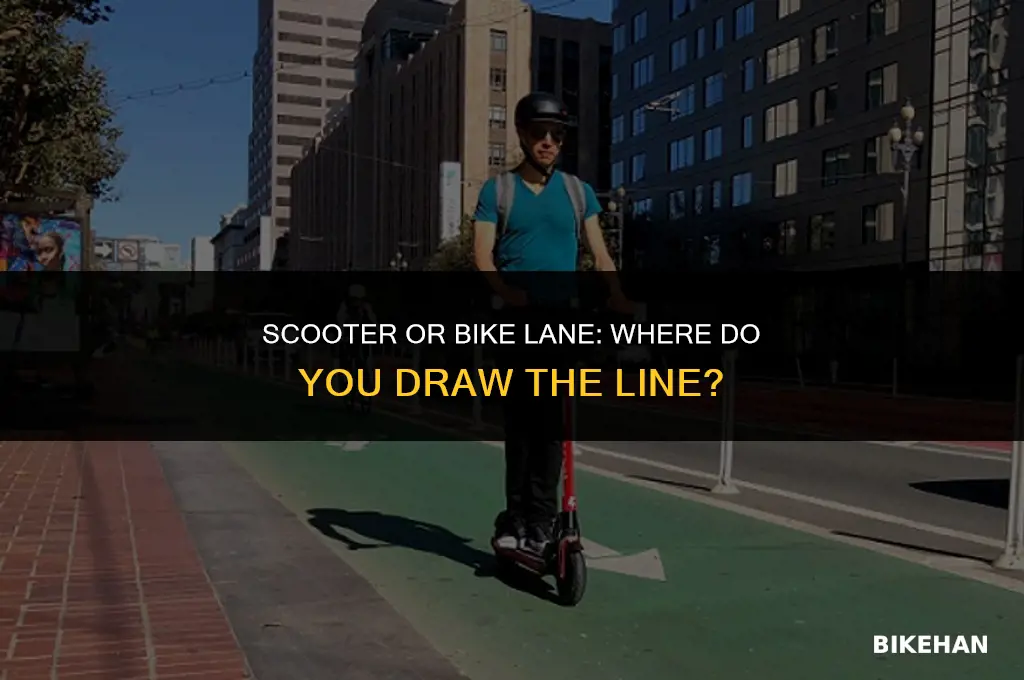
The question of whether scooters can be ridden in bike lanes is a common one, especially in urban areas where space is at a premium and different modes of transportation often share the same infrastructure. The answer varies depending on local laws and regulations, but generally, scooters are considered a form of personal transportation similar to bicycles and are often allowed in bike lanes. However, it's important for scooter riders to be aware of the rules in their specific area and to ride responsibly, respecting other users of the bike lane and following traffic laws.
Explore related products


What You'll Learn
- Legal Regulations: Vary by location, some cities allow scooters in bike lanes, others prohibit
- Safety Considerations: Riding scooters in bike lanes can pose risks to both scooter riders and cyclists
- Infrastructure: Quality and width of bike lanes impact the feasibility of scooter use
- Etiquette: Understanding and respecting the rules of the road is crucial for all users
- Alternatives: Exploring other lanes or paths designated specifically for scooters or mixed use

Legal Regulations: Vary by location, some cities allow scooters in bike lanes, others prohibit
Navigating the legal landscape of scooter riding in bike lanes can be a complex task, as regulations vary significantly from one city to another. Some municipalities have embraced the integration of scooters into bike lanes, recognizing them as a sustainable mode of transportation that can help reduce traffic congestion and carbon emissions. In these cities, scooters are often subject to the same rules and regulations as bicycles, allowing riders to share the bike lanes with cyclists.
However, other cities have taken a more cautious approach, prohibiting scooters from using bike lanes due to concerns about safety and the potential for conflicts between scooter riders and cyclists. In these jurisdictions, scooter riders may be required to use the road or designated scooter lanes, if available. The patchwork of regulations can make it challenging for scooter riders to know where they stand, especially when traveling between cities or even different neighborhoods within the same city.
To avoid legal issues and ensure a safe riding experience, it's essential for scooter riders to familiarize themselves with the local regulations regarding bike lane usage. This may involve checking with the city's transportation department or visiting their website to access the most up-to-date information. Additionally, riders should be aware of any signage or markings on bike lanes that indicate whether scooters are permitted or prohibited.
In some cases, cities may have specific requirements for scooter riders who wish to use bike lanes, such as wearing a helmet, using lights and reflectors, or adhering to speed limits. By understanding and complying with these regulations, scooter riders can help promote a safe and harmonious coexistence with cyclists and other road users.
Ultimately, the decision of whether to allow scooters in bike lanes rests with local authorities, who must balance the needs of different transportation modes and prioritize safety for all road users. As the popularity of scooters continues to grow, it's likely that we will see further developments in the legal framework surrounding their use in bike lanes and other shared spaces.
Trailblazing on Two Wheels: Road Bikes vs. Mountain Bikes
You may want to see also
Explore related products



Safety Considerations: Riding scooters in bike lanes can pose risks to both scooter riders and cyclists
Riding scooters in bike lanes can pose significant risks to both scooter riders and cyclists. One of the primary safety considerations is the difference in speed between scooters and bicycles. Scooters can reach speeds of up to 15-20 miles per hour, while cyclists typically travel at speeds ranging from 10-15 miles per hour. This speed disparity can lead to collisions if riders are not cautious and aware of their surroundings.
Another safety concern is the limited visibility of scooter riders. Unlike cyclists, scooter riders are often lower to the ground and may be more difficult for motorists and other cyclists to see, especially in crowded or poorly lit bike lanes. This can increase the risk of accidents, as other road users may not be able to react quickly enough to avoid a collision.
Additionally, scooter riders may not be as familiar with the rules and etiquette of bike lanes as cyclists. This can lead to confusion and misunderstandings, such as scooter riders weaving in and out of traffic or failing to yield to cyclists. It is essential for scooter riders to educate themselves on the proper use of bike lanes and to follow the same rules and guidelines as cyclists to ensure the safety of all users.
To mitigate these risks, scooter riders should always wear appropriate safety gear, including helmets, knee pads, and elbow pads. They should also ensure that their scooters are equipped with functioning lights and reflectors to increase visibility. Furthermore, scooter riders should ride defensively, maintaining a safe distance from other road users and being prepared to react quickly to any potential hazards.
Ultimately, while riding scooters in bike lanes can be a convenient and efficient mode of transportation, it is crucial for scooter riders to prioritize safety and to be mindful of the potential risks to themselves and others. By following the proper safety guidelines and riding responsibly, scooter riders can help to create a safer and more harmonious environment for all users of bike lanes.
Exploring Mission Ridge: A Mountain Biker's Guide to the Trails
You may want to see also
Explore related products


Infrastructure: Quality and width of bike lanes impact the feasibility of scooter use
The quality and width of bike lanes play a crucial role in determining the feasibility of scooter use within them. Well-maintained and sufficiently wide bike lanes can accommodate both cyclists and scooter riders, promoting a harmonious coexistence and encouraging more people to opt for eco-friendly transportation methods. However, poorly designed or narrow bike lanes can lead to conflicts and safety concerns, making it difficult for scooter riders to navigate alongside cyclists.
One key factor to consider is the surface condition of the bike lane. Potholes, cracks, and debris can pose significant hazards to scooter riders, who may have less stability and control compared to cyclists. Additionally, the width of the bike lane is essential, as it directly impacts the ability of scooter riders to safely pass cyclists and avoid collisions. Ideally, bike lanes should be at least 6 feet wide to comfortably accommodate both modes of transportation.
Another important aspect is the presence of clear markings and signage. Well-defined bike lanes with visible lane markings and signs indicating shared use can help reduce confusion and promote safer interactions between cyclists and scooter riders. Furthermore, the integration of dedicated scooter parking areas within or near bike lanes can encourage more people to use scooters for short trips, reducing congestion and promoting a more sustainable urban environment.
In conclusion, the feasibility of scooter use in bike lanes is heavily influenced by the quality and width of the infrastructure. By investing in well-designed and maintained bike lanes, cities can create a safer and more inclusive environment for both cyclists and scooter riders, ultimately promoting a more sustainable and eco-friendly transportation system.
Urban Adventures: Exploring City Streets on Two Wheels
You may want to see also
Explore related products

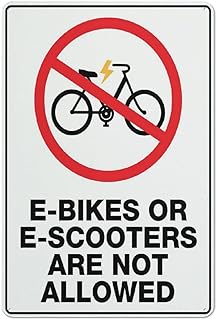


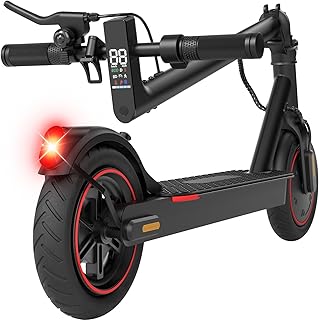
Etiquette: Understanding and respecting the rules of the road is crucial for all users
Navigating shared spaces on the road requires a keen understanding of etiquette to ensure the safety and comfort of all users. When it comes to bike lanes, the rules can be particularly nuanced, and it's essential to recognize that these lanes are primarily designated for cyclists. However, in some jurisdictions, scooters may be permitted to use bike lanes, provided they adhere to specific guidelines.
One of the key aspects of road etiquette is yielding to the primary users of the space. In the case of bike lanes, this means that scooter riders should always give way to cyclists. This can be achieved by riding at a slower pace, being prepared to stop or move aside, and maintaining a safe distance from cyclists. Additionally, scooter riders should be cautious when entering or exiting bike lanes, ensuring they do not cut off cyclists or create hazardous situations.
Another important consideration is the use of signals. Just as cyclists should signal their intentions when turning or changing lanes, scooter riders should also use hand signals to communicate their actions to other road users. This helps to prevent misunderstandings and collisions, fostering a more harmonious and predictable traffic flow.
Furthermore, scooter riders should be mindful of their speed when sharing bike lanes with cyclists. While scooters can often travel faster than bicycles, it's crucial to adjust speed according to the conditions and the presence of other users. Riding at a reasonable speed not only reduces the risk of accidents but also demonstrates respect for the shared space and its primary users.
In conclusion, understanding and respecting the rules of the road is paramount for all users, including scooter riders in bike lanes. By yielding to cyclists, using signals, and maintaining appropriate speeds, scooter riders can contribute to a safer and more enjoyable experience for everyone on the road.
Riding Road Bikes in the Rain: Tips and Tricks for Cyclists
You may want to see also
Explore related products


Alternatives: Exploring other lanes or paths designated specifically for scooters or mixed use
In urban environments, the proliferation of scooters has led to a pressing need for designated lanes or paths that cater specifically to these vehicles. While bike lanes are often the default option for scooter riders, they may not always be the safest or most efficient choice. Exploring alternatives such as scooter-specific lanes or mixed-use paths can provide a more suitable infrastructure for scooter travel.
One potential solution is the creation of scooter lanes, which would be designed to accommodate the unique characteristics of scooters, such as their smaller size and lower top speeds. These lanes could be narrower than bike lanes, allowing for more efficient use of road space, and could be marked with distinct signage and pavement markings to clearly differentiate them from bike lanes and vehicle lanes.
Another option is to utilize mixed-use paths, which are designed to accommodate a variety of non-motorized vehicles, including scooters, bicycles, and pedestrians. These paths often provide a safer and more pleasant environment for scooter riders, as they are typically separated from vehicular traffic and offer a more leisurely pace of travel. However, it is important to note that mixed-use paths may have different rules and regulations regarding scooter use, so riders should always be aware of local laws and guidelines.
In addition to providing a safer and more efficient means of travel, scooter lanes and mixed-use paths can also help to reduce conflicts between scooter riders and other road users. By designating specific areas for scooter use, these alternatives can help to minimize the risk of accidents and improve overall traffic flow. Furthermore, they can encourage more people to choose scooters as a mode of transportation, which can have positive environmental and health benefits.
When considering alternatives to bike lanes for scooter travel, it is important to take into account the specific needs and characteristics of scooter riders. By providing infrastructure that is tailored to their requirements, cities can create a safer and more enjoyable environment for scooter travel, while also promoting sustainable and healthy transportation options.
Exploring the Possibilities: Riding Motorized Bikes Without the Motor
You may want to see also
Frequently asked questions
The legality of riding a scooter in a bike lane varies by jurisdiction. In many places, scooters are allowed in bike lanes, but it's important to check local laws and regulations.
Yes, safety is paramount. Riders should wear helmets, follow traffic rules, be aware of their surroundings, and maintain a safe speed to avoid collisions with cyclists and other road users.
Allowing scooters in bike lanes can reduce traffic congestion, promote eco-friendly transportation, and provide an efficient way to commute short distances. It can also encourage more people to use alternative modes of transportation.
Some argue that scooters can pose a safety risk to cyclists due to their higher speeds and less predictable movements. There's also concern about overcrowding in bike lanes and potential conflicts between scooter riders and cyclists.