Lauren Kennedy
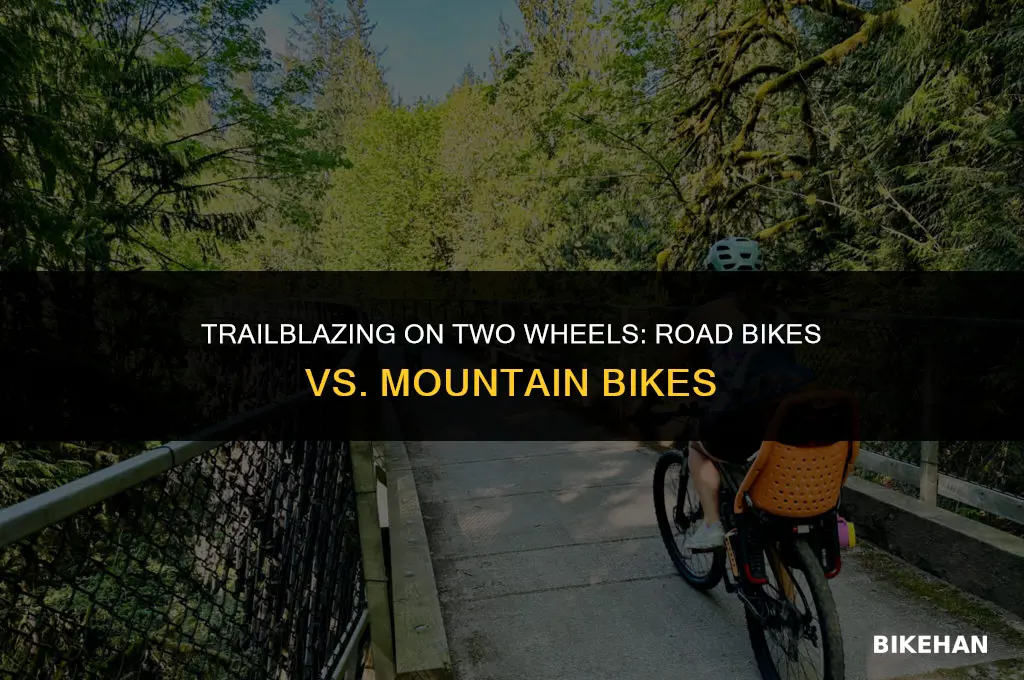
Road bikes are designed primarily for paved surfaces, with their thin tires and lightweight frames optimized for speed and efficiency on smooth roads. However, many cyclists wonder if they can take their road bikes off the beaten path and onto trails. The answer is not straightforward, as it depends on several factors, including the type of trail, the condition of the bike, and the rider's experience level. While some well-maintained dirt trails may be suitable for road bikes, others with loose gravel, mud, or obstacles could pose challenges. It's essential to consider the potential risks and necessary adjustments before venturing off-road with a road bike.
Explore related products


$296.99 $329.99


What You'll Learn
- Trail Conditions: Assess the trail's surface, width, and obstacles to ensure compatibility with road bikes
- Bike Suitability: Consider the road bike's frame, tires, and suspension for off-road use
- Safety Gear: Essential protective equipment for trail riding, including helmets, gloves, and eyewear
- Riding Techniques: Adapt cycling techniques for trail terrain, such as cornering, braking, and climbing
- Legal and Etiquette: Understand local regulations and trail etiquette when sharing paths with hikers and other cyclists

Trail Conditions: Assess the trail's surface, width, and obstacles to ensure compatibility with road bikes
Analyzing trail conditions is crucial when considering riding road bikes off-road. The surface of the trail is the primary factor to assess. Road bikes are designed for smooth, paved surfaces, so trails with loose gravel, sand, or mud can be challenging. Look for trails with compacted dirt or gravel that provide a firmer ride. Width is another important aspect; narrow trails may not offer enough room for road bikes, especially when encountering obstacles or other trail users. Ideally, choose trails that are at least 6 feet wide to ensure safe passage.
Obstacles such as rocks, roots, and fallen branches can pose significant hazards to road bikers. When assessing a trail, walk or ride a section to identify potential obstacles and determine if they can be safely navigated. Consider the skill level of the rider and the capabilities of the bike. Some road bikes may have the clearance to handle small obstacles, but larger ones could cause damage or injury. It's also essential to check for any signage or markers indicating trail difficulty or specific hazards.
In addition to the physical trail conditions, consider the impact of weather on the trail surface. Recent rain can turn a normally firm trail into a muddy, slippery mess, making it unsuitable for road bikes. Conversely, dry conditions can cause trails to become dusty and loose. Plan your ride according to the weather forecast and be prepared to adjust your route if conditions change unexpectedly.
When riding road bikes on trails, it's important to respect other trail users, such as hikers and mountain bikers. Yield to those who have the right of way and be mindful of your speed. Remember that road bikes are not typically designed for off-road use, so you may need to adapt your riding style to accommodate the trail conditions. By carefully assessing the trail surface, width, and obstacles, you can ensure a safer and more enjoyable experience for both yourself and other trail users.
Beachside Bliss: Exploring Shores on a Rad City Bike
You may want to see also
Explore related products




Bike Suitability: Consider the road bike's frame, tires, and suspension for off-road use
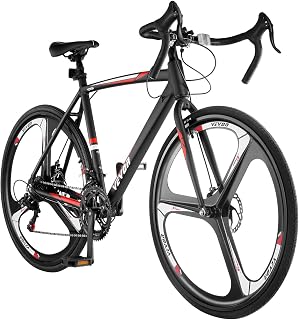
Road bikes, with their sleek frames and narrow tires, are designed primarily for paved surfaces. However, some cyclists may wonder if these bikes can handle off-road trails. The suitability of a road bike for trail riding depends on several factors, including the frame material, tire width and tread, and the presence of suspension.
Frame Material: Road bikes typically have frames made from lightweight materials such as aluminum, carbon fiber, or steel. While these materials provide the necessary strength and stiffness for road cycling, they may not be as durable or forgiving on rough trails. Carbon fiber frames, in particular, can be prone to damage from impacts with rocks or roots. Steel frames, on the other hand, offer more durability and a smoother ride on uneven surfaces, making them a better choice for off-road use.
Tire Width and Tread: Road bikes usually have narrow tires with minimal tread, which are optimized for low rolling resistance and high speeds on smooth surfaces. For trail riding, wider tires with more aggressive tread patterns are necessary to provide better traction and stability on loose or uneven terrain. Some road bikes can accommodate wider tires, but the frame and fork must have enough clearance to prevent rubbing or damage.
Suspension: Most road bikes do not have suspension systems, as they are not needed for paved surfaces. However, for off-road use, suspension can help absorb shocks from bumps and obstacles, providing a more comfortable and controlled ride. Some road bikes designed for gravel or adventure riding may come with front suspension forks, but full suspension systems are rare in this category.
In conclusion, while some road bikes can be used on trails, their suitability depends on the specific design features. Cyclists who plan to ride on rough terrain should consider bikes with more durable frames, wider tires with aggressive tread, and suspension systems to ensure a safe and enjoyable experience.
Pocket Bikes on Sidewalks: Legal and Safety Considerations
You may want to see also
Explore related products


Safety Gear: Essential protective equipment for trail riding, including helmets, gloves, and eyewear
Trail riding on a road bike can be an exhilarating experience, but it also comes with its own set of risks. One of the most critical aspects of preparing for such an adventure is ensuring you have the appropriate safety gear. This isn't just about following regulations; it's about protecting yourself from potential injuries that could occur due to falls, debris, or other unforeseen circumstances.
Helmets are, without a doubt, the most essential piece of safety equipment for any cyclist. When choosing a helmet for trail riding, it's important to select one that is specifically designed for mountain biking. These helmets typically have more coverage at the back of the head and are constructed with materials that can withstand the rigors of off-road cycling. A proper fit is crucial, so take the time to adjust the straps and ensure the helmet sits snugly on your head without being too tight.
Gloves are another important piece of safety gear, often overlooked by road cyclists but crucial for trail riders. They provide protection for your hands in the event of a fall and can also help to reduce blisters and calluses from gripping the handlebars for extended periods. Look for gloves with padded palms and durable materials that can withstand the abrasion of rough terrain.
Eyewear is also a critical component of trail riding safety. A good pair of cycling glasses can protect your eyes from debris, insects, and the sun's glare. Choose glasses with a wrap-around design for maximum coverage and opt for lenses that are shatter-resistant and provide UV protection. Some riders prefer to wear contact lenses with sunglasses, but this can be risky if you encounter dust or debris on the trail.
In addition to these essential items, there are other pieces of safety gear that trail riders may want to consider. Body armor, such as elbow and knee pads, can provide extra protection in the event of a fall. Reflective clothing or accessories can help to increase visibility, especially if you're riding in low-light conditions. And don't forget about proper footwear; sturdy shoes with good traction are essential for maintaining control of your bike on rough terrain.
Remember, safety should always be your top priority when trail riding. By investing in the right safety gear and taking the necessary precautions, you can minimize the risks and enjoy a thrilling and rewarding cycling experience.
Urban Adventures: Exploring City Streets on Two Wheels
You may want to see also
Explore related products


Riding Techniques: Adapt cycling techniques for trail terrain, such as cornering, braking, and climbing
Adapting cycling techniques for trail terrain is crucial when transitioning from road biking to trail riding. One of the key skills to master is cornering. Unlike the smooth, predictable turns of paved roads, trail corners can be tight, uneven, and filled with obstacles. To navigate these effectively, riders should focus on maintaining a low center of gravity by bending their knees and elbows, and leaning into the turn. This helps in balancing the bike and maintaining traction. Additionally, looking ahead through the turn and using the body to guide the bike, rather than just the handlebars, can improve control and stability.
Braking techniques also need to be adjusted for trail riding. On trails, sudden stops can be necessary due to unexpected obstacles like rocks, roots, or wildlife. Riders should practice using both brakes simultaneously and gradually, rather than relying on the front brake alone, which can lead to skidding. Modulating brake pressure and using the rear brake more frequently can help in maintaining control and preventing the wheels from locking up. It's also important to anticipate the need to brake earlier on trails, as the uneven surface can affect braking efficiency.
Climbing on trails requires a different approach compared to road biking. The inclines on trails are often steeper and more rugged, demanding more power and endurance. Riders should focus on maintaining a steady cadence and using their body weight to aid in climbing. Shifting to a lower gear earlier than on roads can help in conserving energy and preventing the bike from stalling. Additionally, standing on the pedals occasionally can provide more power and leverage, especially on particularly steep sections. It's also crucial to look ahead and plan the climb, choosing the best line and anticipating any obstacles or changes in terrain.
In summary, adapting cycling techniques for trail terrain involves mastering cornering by maintaining a low center of gravity and using body positioning, adjusting braking techniques to account for sudden stops and uneven surfaces, and refining climbing skills to handle steeper and more rugged inclines. By focusing on these specific techniques, road bikers can safely and effectively transition to trail riding, enjoying a new dimension of cycling.
Road Cycling with a Mountain Bike: What You Need to Know
You may want to see also
Explore related products


Legal and Etiquette: Understand local regulations and trail etiquette when sharing paths with hikers and other cyclists
Before hitting the trails with your road bike, it's crucial to familiarize yourself with local regulations. Many areas have specific rules regarding where and when you can ride, and these can vary significantly from one jurisdiction to another. For instance, some parks may have designated bike paths, while others might prohibit cycling altogether. Additionally, certain trails might be restricted during specific seasons to protect wildlife or for maintenance purposes. Ignoring these rules not only puts you at risk of fines but also endangers the environment and other trail users.
Trail etiquette is equally important when sharing paths with hikers and other cyclists. Always yield to pedestrians, as they have the right of way on most trails. When approaching from behind, make sure to announce your presence with a friendly "on your left" or "passing" to avoid startling them. Similarly, be cautious when overtaking other cyclists, ensuring you have enough space to pass safely without causing them to swerve or lose balance.
In terms of speed, it's generally advisable to ride at a moderate pace when sharing trails with others. This not only reduces the risk of accidents but also allows you to enjoy the scenery and respect the natural environment. Remember, the goal is to share the trail harmoniously, not to race or set personal bests.
Another key aspect of trail etiquette is to leave no trace. This means packing out any trash you bring in, including water bottles, snack wrappers, and bike maintenance items. Additionally, avoid damaging vegetation or disturbing wildlife, and stay on designated paths to minimize your impact on the ecosystem.
Finally, it's always a good idea to carry a basic first aid kit and a multi-tool when riding on trails. In case of an accident or mechanical issue, you'll be prepared to handle the situation responsibly and safely. By following these guidelines, you can ensure a positive and enjoyable experience for yourself and others while sharing the trails.
Exploring the Possibilities: Riding Motorized Bikes Without the Motor
You may want to see also
Frequently asked questions
Generally, road bikes are designed for paved surfaces and may not be suitable for trails, especially if they are unpaved or rough. Road bikes have thin tires and a lightweight frame that can be damaged on rocky or uneven terrain.
For trail riding, a mountain bike or a hybrid bike would be more appropriate. Mountain bikes are specifically designed for off-road use and have wider tires, suspension, and a more robust frame. Hybrid bikes are versatile and can handle both paved and unpaved surfaces, making them a good choice for trail riding.
Riding a road bike on a trail can pose several risks, including tire punctures, damage to the bike's frame or components, and increased risk of accidents due to the bike's lack of stability on uneven terrain. Additionally, road bikes do not have the same level of control or maneuverability as mountain bikes, which can make it difficult to navigate obstacles on the trail.