Lauren Kennedy
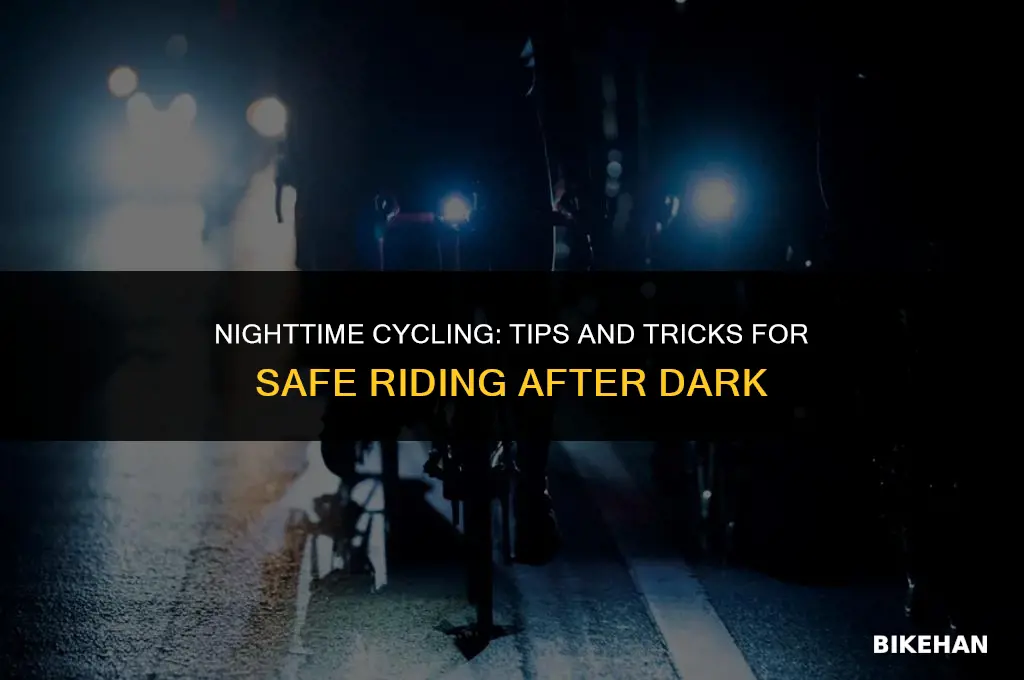
Riding a bike at night can be a thrilling yet challenging experience. It requires careful consideration of safety measures and appropriate gear to ensure visibility and protection. In this article, we will explore the essential tips and precautions for night cycling, covering aspects such as lighting, reflective clothing, and road awareness. By following these guidelines, you can enjoy the serenity of nighttime rides while minimizing potential risks.
Explore related products


What You'll Learn
- Safety Gear: Essential equipment for night biking, including helmets, lights, and reflective clothing
- Visibility: Tips on how to ensure you're seen by motorists and pedestrians in low-light conditions
- Route Planning: Advice on choosing well-lit paths and avoiding potential hazards during nighttime rides
- Legal Requirements: Overview of local laws and regulations regarding night biking, such as light and reflector mandates
- Health Benefits: Discussion of the unique advantages of night biking, like cooler temperatures and reduced traffic

Safety Gear: Essential equipment for night biking, including helmets, lights, and reflective clothing
Night biking presents unique challenges and risks, making safety gear an absolute necessity. One of the most critical pieces of equipment is a helmet, which can significantly reduce the risk of head injuries in the event of an accident. When choosing a helmet for night biking, look for one that is specifically designed for low-light conditions, with features such as reflective strips or built-in lights to increase visibility.
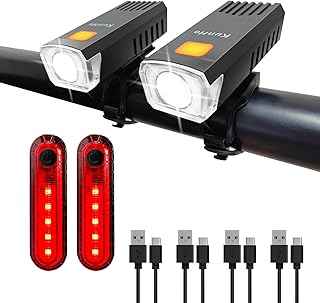
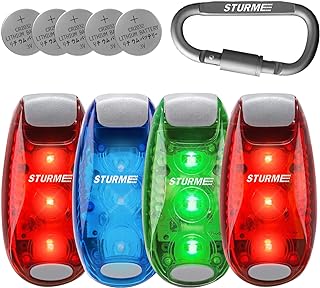
In addition to a helmet, lights are essential for night biking. Not only do they help you see the road ahead, but they also make you more visible to other road users. There are several types of lights available, including headlamps, taillights, and wheel lights. When selecting lights, consider factors such as brightness, battery life, and ease of installation. It's also important to position your lights correctly to maximize visibility without blinding other road users.
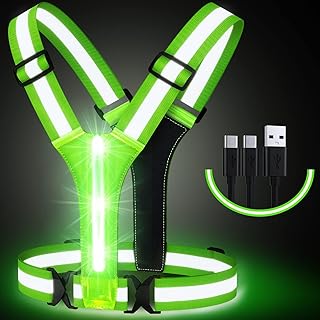
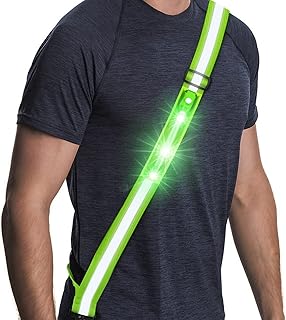
Reflective clothing is another important aspect of night biking safety gear. This type of clothing is designed to reflect light back to its source, making you more visible to drivers and other cyclists. When choosing reflective clothing, look for items that are made from high-quality materials and have reflective strips or patterns in strategic locations, such as the arms, legs, and back.
Other safety gear to consider for night biking includes gloves, which can improve grip and protect your hands in the event of a fall, and a bell or horn, which can be used to alert other road users to your presence. It's also a good idea to carry a basic repair kit and a charged mobile phone in case of emergencies.
When it comes to night biking, safety should always be your top priority. By investing in the right safety gear and taking the necessary precautions, you can significantly reduce the risks associated with cycling in low-light conditions and enjoy a safe and enjoyable ride.
Exploring the Limits: Where Can You Ride Your Bike?
You may want to see also
Explore related products


Visibility: Tips on how to ensure you're seen by motorists and pedestrians in low-light conditions
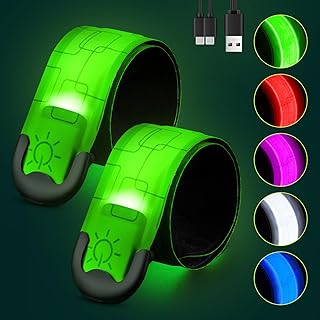
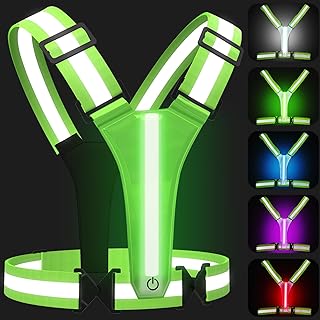
In low-light conditions, visibility is paramount for cyclists to ensure their safety. One effective strategy is to use front and rear lights on your bicycle. These lights not only make you visible to motorists but also help you see the road ahead. It's crucial to choose lights with a high lumen output and a wide beam angle for maximum visibility. Additionally, consider using reflective materials on your bike and clothing to enhance your visibility further. Reflective vests, armbands, and stickers can significantly increase your chances of being seen by drivers.
Another important aspect of visibility is the color of your clothing. Bright and contrasting colors are more noticeable in low-light conditions. For instance, wearing a neon yellow jacket or a bright red helmet can make a significant difference in how visible you are to others. It's also advisable to avoid wearing dark colors, as they tend to blend into the surroundings, making it harder for motorists to spot you.
Positioning on the road is another key factor in ensuring visibility. Ride in well-lit areas whenever possible and avoid riding in the blind spots of larger vehicles. Make sure to signal your intentions clearly and well in advance to give motorists ample time to react. Using hand signals in combination with verbal cues can be particularly effective in communicating your intentions to others.
Lastly, maintaining your bicycle in good working condition is essential for optimal visibility. Regularly check your lights to ensure they are functioning properly and replace any burnt-out bulbs immediately. Keep your reflective materials clean and free of dirt or debris that could reduce their effectiveness. By following these tips, you can significantly improve your visibility in low-light conditions and reduce the risk of accidents while cycling at night.
Exploring Yellowstone: Road Biking Adventures in America's First National Park
You may want to see also
Explore related products


Route Planning: Advice on choosing well-lit paths and avoiding potential hazards during nighttime rides
When planning a nighttime bike ride, selecting a well-lit route is crucial for safety. Begin by identifying streets with ample street lighting or areas that are naturally illuminated, such as those near businesses or residential zones. Utilize online mapping tools or apps specifically designed for cyclists to find routes that are not only well-lit but also have dedicated bike lanes or paths. These tools often allow you to filter routes based on lighting conditions and other safety features.
In addition to choosing well-lit paths, it's essential to be aware of potential hazards that may be more difficult to see at night. Potholes, debris, and uneven surfaces can pose significant risks. To mitigate these dangers, consider scouting your route during daylight hours to familiarize yourself with the terrain and any obstacles. If possible, choose routes with smooth, well-maintained surfaces and avoid areas known for heavy traffic or poor road conditions.
Another important aspect of route planning is visibility to others. Ensure that your chosen path has good sightlines, allowing motorists and pedestrians to see you easily. Avoid routes with sharp turns or blind spots where your presence might be unexpected. Additionally, consider the flow of traffic and try to plan your route to minimize conflicts with vehicles, especially during peak hours.
Finally, always inform someone about your planned route and expected return time. This simple precaution can provide an added layer of safety in case of an emergency. By carefully planning your route with these factors in mind, you can significantly reduce the risks associated with nighttime cycling and enjoy a safer, more enjoyable ride.
Exploring Lake Granby: A Cyclist's Guide to Scenic Routes and Hidden Gems
You may want to see also
Explore related products




Legal Requirements: Overview of local laws and regulations regarding night biking, such as light and reflector mandates
Night biking enthusiasts must navigate a complex web of local laws and regulations that govern the safety equipment required for riding after dark. One of the most critical aspects of these regulations is the mandate for lights and reflectors. In most jurisdictions, cyclists are required to equip their bikes with a white front light and a red rear light, as well as reflectors on the wheels and pedals. These requirements are designed to increase visibility and ensure the safety of both cyclists and other road users.
The specific regulations regarding lights and reflectors can vary significantly from one location to another. For example, some jurisdictions may require additional lights or reflectors on the sides of the bike, while others may have different color requirements for the front and rear lights. It is essential for cyclists to familiarize themselves with the local laws in their area to ensure compliance and avoid potential fines or penalties.
In addition to light and reflector mandates, some jurisdictions may also have regulations regarding the use of helmets, bells, or horns while biking at night. These requirements are typically aimed at further enhancing safety and ensuring that cyclists are easily audible to other road users.
Cyclists should also be aware of any local ordinances that restrict or prohibit biking in certain areas during nighttime hours. These restrictions may be in place for a variety of reasons, such as noise concerns, safety issues, or conflicts with other road users. By understanding and adhering to these regulations, cyclists can help promote a safe and responsible biking culture in their communities.
To stay informed about the latest legal requirements for night biking, cyclists can consult with local authorities, bike advocacy groups, or online resources that provide up-to-date information on biking laws and regulations. By taking the time to understand and comply with these requirements, cyclists can enjoy the thrill of night biking while minimizing the risks and ensuring a safe experience for all.
Pocket Bikes on Sidewalks: Legal and Safety Considerations
You may want to see also
Explore related products




Health Benefits: Discussion of the unique advantages of night biking, like cooler temperatures and reduced traffic
Night biking offers a plethora of health benefits that are unique to this time of day. One of the most significant advantages is the cooler temperatures, which can make physical exertion feel less strenuous and reduce the risk of overheating. This is particularly beneficial for individuals who may find daytime temperatures prohibitive for outdoor activities. Additionally, cooler air is often more humid, which can help keep the respiratory system moist and reduce the risk of irritation.
Another key benefit of night biking is the reduced traffic. With fewer cars on the road, cyclists can enjoy a safer and more peaceful ride. This reduction in traffic congestion not only decreases the likelihood of accidents but also allows for a more consistent and uninterrupted workout. Furthermore, the quieter streets can provide a more meditative and relaxing experience, which can be beneficial for mental health.
Night biking also exposes cyclists to artificial light, which can have its own set of health benefits. Exposure to bright lights can help regulate the body's circadian rhythm, potentially improving sleep quality. Additionally, artificial light can enhance visibility, making it easier for cyclists to spot potential hazards and navigate the road safely.
However, it's important to note that night biking does come with its own set of challenges. Cyclists must ensure they are properly equipped with reflective gear and lights to increase visibility to motorists. Additionally, the reduced visibility at night can make it more difficult to spot obstacles or potholes, increasing the risk of injury.
In conclusion, night biking offers a unique set of health benefits, including cooler temperatures, reduced traffic, and exposure to artificial light. While there are challenges associated with night biking, the benefits can make it a rewarding and enjoyable activity for those who take the necessary precautions.
Gravel Grinding: Can Your Road Bike Handle the Rough Stuff?
You may want to see also
Frequently asked questions
Riding your bike at night can be safe if you take the necessary precautions. This includes wearing reflective clothing, using front and rear lights on your bike, and sticking to well-lit paths or streets. It's also important to be aware of your surroundings and follow traffic rules.
To ride your bike at night, you need both front and rear lights. The front light should be white and bright enough to illuminate the path ahead, while the rear light should be red to make you visible to others from behind. Some cyclists also use additional lights or reflective materials for extra visibility.
Yes, there are specific rules and regulations for night cycling that vary depending on your location. Generally, cyclists are required to use lights and reflectors on their bikes, wear reflective clothing, and follow traffic rules. It's important to check your local laws and regulations to ensure you're cycling safely and legally at night.