 Ryan Cole
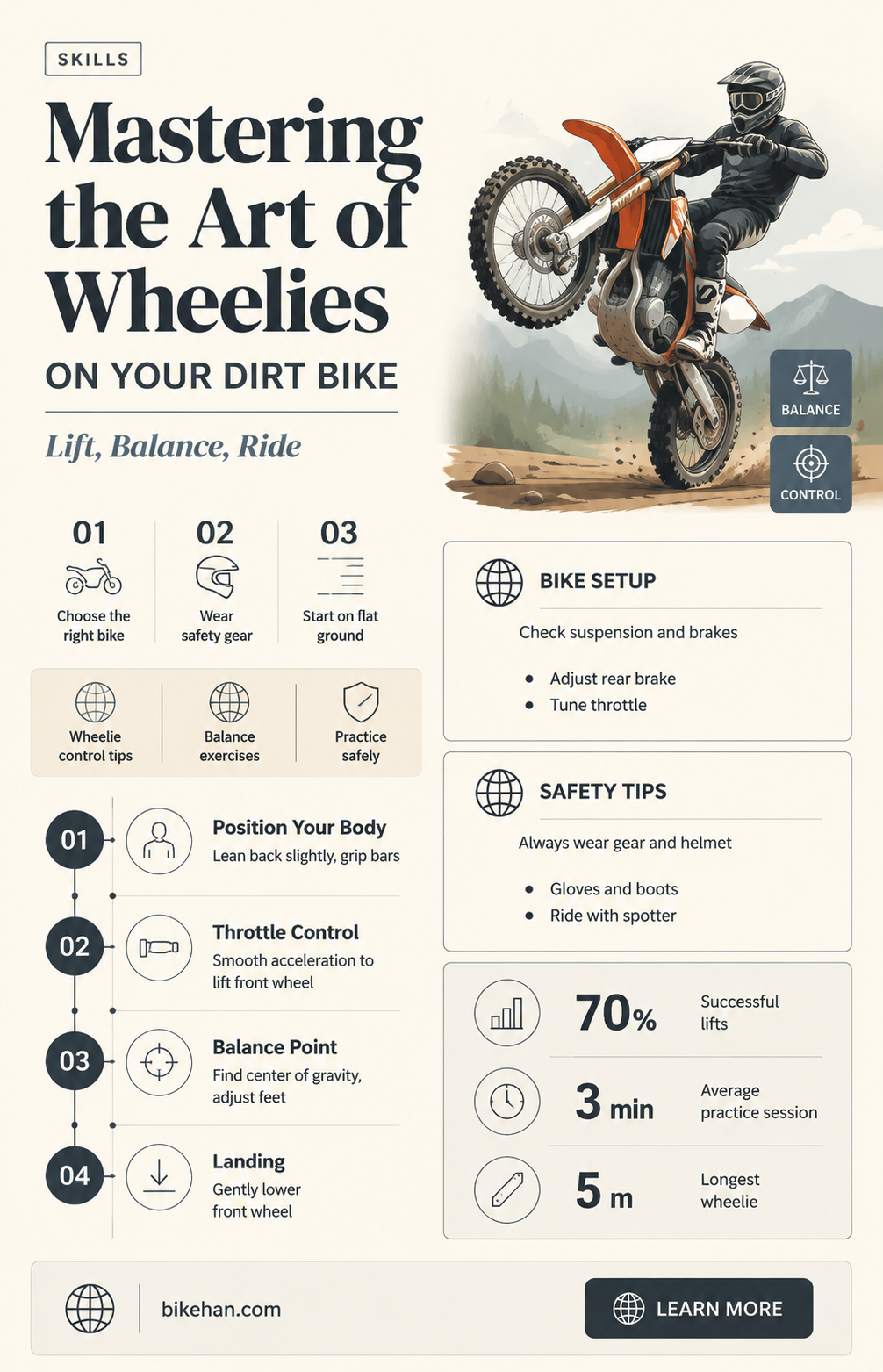
Learning how to do wheelies on a dirt bike is an exciting skill that requires practice, balance, and control. In this guide, we'll walk you through the essential steps to master this thrilling maneuver safely. From understanding the basics of your bike's power and throttle control to perfecting your body positioning and balance, we've got you covered. Whether you're a beginner or an experienced rider looking to enhance your skills, this comprehensive tutorial will help you confidently lift the front wheel off the ground and maintain a controlled wheelie. Remember, safety always comes first, so make sure to practice in a controlled environment and wear appropriate protective gear.
Explore related products



What You'll Learn
- Throttle Control: Mastering the throttle is crucial for maintaining balance and power during a wheelie
- Body Positioning: Proper body placement helps in achieving and sustaining the wheelie posture
- Brake Management: Knowing how to use the brakes effectively is essential for safety and control
- Suspension Setup: Adjusting the bike's suspension can improve stability and handling during wheelies
- Practice Techniques: Consistent practice and specific drills can help in perfecting the wheelie skill

Throttle Control: Mastering the throttle is crucial for maintaining balance and power during a wheelie
Mastering the throttle is crucial for maintaining balance and power during a wheelie on a dirt bike. The throttle controls the engine's power output, which directly affects the bike's acceleration and stability. To perform a successful wheelie, you must learn to modulate the throttle precisely, ensuring that you have enough power to lift the front wheel while maintaining control to avoid flipping over backward.
One key technique is to use a smooth, gradual throttle input. Jerky or abrupt movements can cause the bike to lose balance or stall. Instead, roll on the throttle gently but firmly, allowing the bike to accelerate smoothly. This helps to maintain a consistent center of gravity, making it easier to balance on the rear wheel.
Another important aspect of throttle control is finding the right balance point. This is the point at which the bike is accelerating enough to keep the front wheel in the air but not so much that it starts to climb too steeply. To find this balance point, you may need to experiment with different throttle settings and body positions. Once you've found it, maintaining a steady throttle input will help you sustain the wheelie.
In addition to smooth throttle input and finding the balance point, it's also important to use your body weight to help control the wheelie. By shifting your weight forward or backward, you can adjust the bike's center of gravity and help maintain balance. This works in conjunction with the throttle control to keep the bike stable during the wheelie.
Finally, practice is key to mastering throttle control for wheelies. Start with small, controlled wheelies and gradually work your way up to longer, more powerful ones. As you gain experience, you'll develop a better feel for how the throttle affects the bike's behavior and be able to make adjustments on the fly to maintain control and balance.
Explore related products




Body Positioning: Proper body placement helps in achieving and sustaining the wheelie posture
To achieve and sustain a wheelie posture on a dirt bike, proper body placement is crucial. The rider's body acts as a counterbalance to the bike's weight distribution, and precise positioning can make the difference between a successful wheelie and a loss of control. When initiating a wheelie, the rider should start by shifting their weight slightly backward while applying throttle. This initial movement helps lift the front wheel off the ground. As the wheelie progresses, the rider must lean back further, extending their legs and using their core muscles to maintain balance.
One common mistake riders make is to rely too heavily on the throttle, which can cause the bike to loop out or lose traction. Instead, the rider should use a combination of throttle control and body positioning to modulate the wheelie's height and speed. By shifting their weight forward or backward, the rider can adjust the bike's angle and maintain a steady wheelie posture. It's also important to keep the arms relaxed and avoid gripping the handlebars too tightly, as this can upset the bike's balance.
In addition to proper body placement, riders should also consider the terrain and bike setup when attempting wheelies. Softer suspension settings can make it easier to lift the front wheel, while harder settings may require more aggressive body positioning. Similarly, loose or uneven terrain can affect the bike's stability during a wheelie, requiring the rider to make constant adjustments to their body position.
To improve their wheelie skills, riders can practice on a flat, open area with minimal distractions. Starting with short, low wheelies and gradually increasing in height and duration can help build confidence and muscle memory. It's also helpful to observe experienced riders and learn from their techniques, as well as to seek guidance from professional instructors or online tutorials.
In conclusion, proper body placement is essential for achieving and sustaining a wheelie posture on a dirt bike. By mastering the art of body positioning, riders can improve their control, balance, and overall wheelie performance, leading to a more enjoyable and exhilarating riding experience.
Explore related products



Brake Management: Knowing how to use the brakes effectively is essential for safety and control
Effective brake management is crucial when performing wheelies on a dirt bike, as it directly impacts your safety and control over the motorcycle. The key to successful brake usage during a wheelie lies in understanding the balance between the front and rear brakes. Applying too much pressure on the front brake can cause the bike to flip over backward, while using the rear brake excessively can lead to a loss of traction and control.
To maintain balance during a wheelie, it's essential to use both brakes in tandem. Start by gently applying the rear brake to slow down the bike and bring the front wheel up. Once the wheelie is initiated, gradually shift your focus to the front brake to maintain the balance. This technique allows you to control the bike's speed and angle without causing it to tip over.
Another important aspect of brake management is knowing when to release the brakes. As you approach the end of the wheelie or need to transition back to normal riding, smoothly release both brakes to avoid any sudden movements that could destabilize the bike. Practice this technique in a controlled environment to develop muscle memory and improve your overall control during wheelies.
In addition to proper brake usage, it's crucial to ensure that your dirt bike's braking system is well-maintained. Regularly inspect the brake pads, discs, and fluid levels to guarantee optimal performance. Worn-out brake pads or low fluid levels can compromise your ability to control the bike, especially during high-risk maneuvers like wheelies.
Remember, mastering brake management takes time and practice. Be patient and focus on developing your skills gradually. As you become more comfortable with using the brakes during wheelies, you'll gain increased confidence and control over your dirt bike, making the experience safer and more enjoyable.
Explore related products


Suspension Setup: Adjusting the bike's suspension can improve stability and handling during wheelies
Adjusting the suspension on a dirt bike is crucial for enhancing stability and handling, especially when performing wheelies. The suspension system absorbs shocks from the terrain, allowing for better control and balance. To optimize the suspension for wheelies, it's essential to understand the components involved and how they affect the bike's performance.
The primary components of a dirt bike's suspension include the front forks and the rear shock absorber. The front forks control the bike's steering and stability, while the rear shock absorber manages the power delivery and traction. When performing wheelies, the rear shock absorber plays a significant role in maintaining balance and preventing the bike from tipping over.
To adjust the suspension for wheelies, start by setting the sag, which is the amount the suspension compresses under the rider's weight. Proper sag ensures that the suspension is neither too stiff nor too soft, providing a balance between stability and responsiveness. Next, adjust the compression and rebound settings on both the front forks and rear shock absorber. Compression controls how quickly the suspension compresses, while rebound controls how quickly it returns to its original position. For wheelies, a slightly stiffer compression and a faster rebound can help maintain stability and control.
Additionally, consider the tire pressure and tread pattern, as these factors also influence traction and stability during wheelies. Experiment with different settings and combinations to find the optimal suspension setup for your riding style and the specific conditions you'll be encountering.
Remember, safety should always be a priority when performing wheelies or any other advanced riding techniques. Ensure that you're wearing appropriate protective gear and practicing in a controlled environment before attempting wheelies on a dirt bike. With the right suspension setup and proper technique, you can improve your stability and handling, making wheelies a more enjoyable and controlled experience.
Explore related products


Practice Techniques: Consistent practice and specific drills can help in perfecting the wheelie skill
Consistent practice is the cornerstone of mastering the wheelie skill on a dirt bike. To perfect this technique, riders should dedicate specific practice sessions to wheelies, focusing on maintaining balance and control. A useful drill involves starting in a stationary position, engaging the clutch, and gradually applying throttle while lifting the front wheel. This exercise helps riders develop the muscle memory needed to balance on the rear wheel.
In addition to stationary practice, riders should also incorporate wheelie drills into their riding routines. This can include performing wheelies while moving at slow speeds, gradually increasing the duration and height of the wheelie. It's essential to practice in a controlled environment, such as an empty parking lot or a designated practice area, to minimize the risk of accidents.
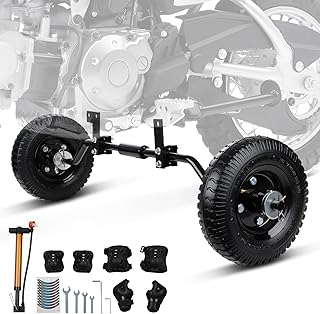
To further enhance their wheelie skills, riders can use training aids such as wheelie bars or balance boards. These tools provide additional support and stability, allowing riders to focus on perfecting their technique without the fear of falling. Additionally, watching instructional videos or seeking guidance from experienced riders can offer valuable insights and tips for improvement.
One common mistake riders make when practicing wheelies is over-revving the engine, which can lead to loss of control. To avoid this, riders should focus on smooth throttle control and maintaining a steady RPM. Another key aspect of successful wheelie practice is body positioning. Riders should lean back slightly and keep their weight centered over the rear wheel to maintain balance and stability.
In conclusion, consistent practice and specific drills are crucial for perfecting the wheelie skill on a dirt bike. By dedicating time to focused practice sessions, incorporating wheelie drills into riding routines, and utilizing training aids and expert guidance, riders can develop the confidence and control needed to perform wheelies safely and effectively.
Frequently asked questions
To perform a wheelie on a dirt bike, you should lean back slightly and shift your weight towards the rear of the bike. This helps lift the front wheel off the ground. Keep your elbows out and your knees gripping the bike to maintain balance and control.
To initiate a wheelie, you need to apply the throttle smoothly and progressively. Start by gently rolling on the throttle to gain some speed, then give it a more firm roll to lift the front wheel. It's important to find the right balance of throttle control to maintain the wheelie without flipping over backward.
Some common mistakes to avoid include:
- Applying too much throttle too quickly, which can cause the bike to flip backward.
- Not leaning back enough, making it difficult to lift the front wheel.
- Failing to use your body weight to control the wheelie, leading to loss of balance.
- Attempting wheelies on uneven or slippery terrain, which can be dangerous and unpredictable.
Remember, practice makes perfect, and it's essential to wear proper safety gear and learn in a controlled environment before attempting wheelies on a dirt bike.


