Samantha Lee
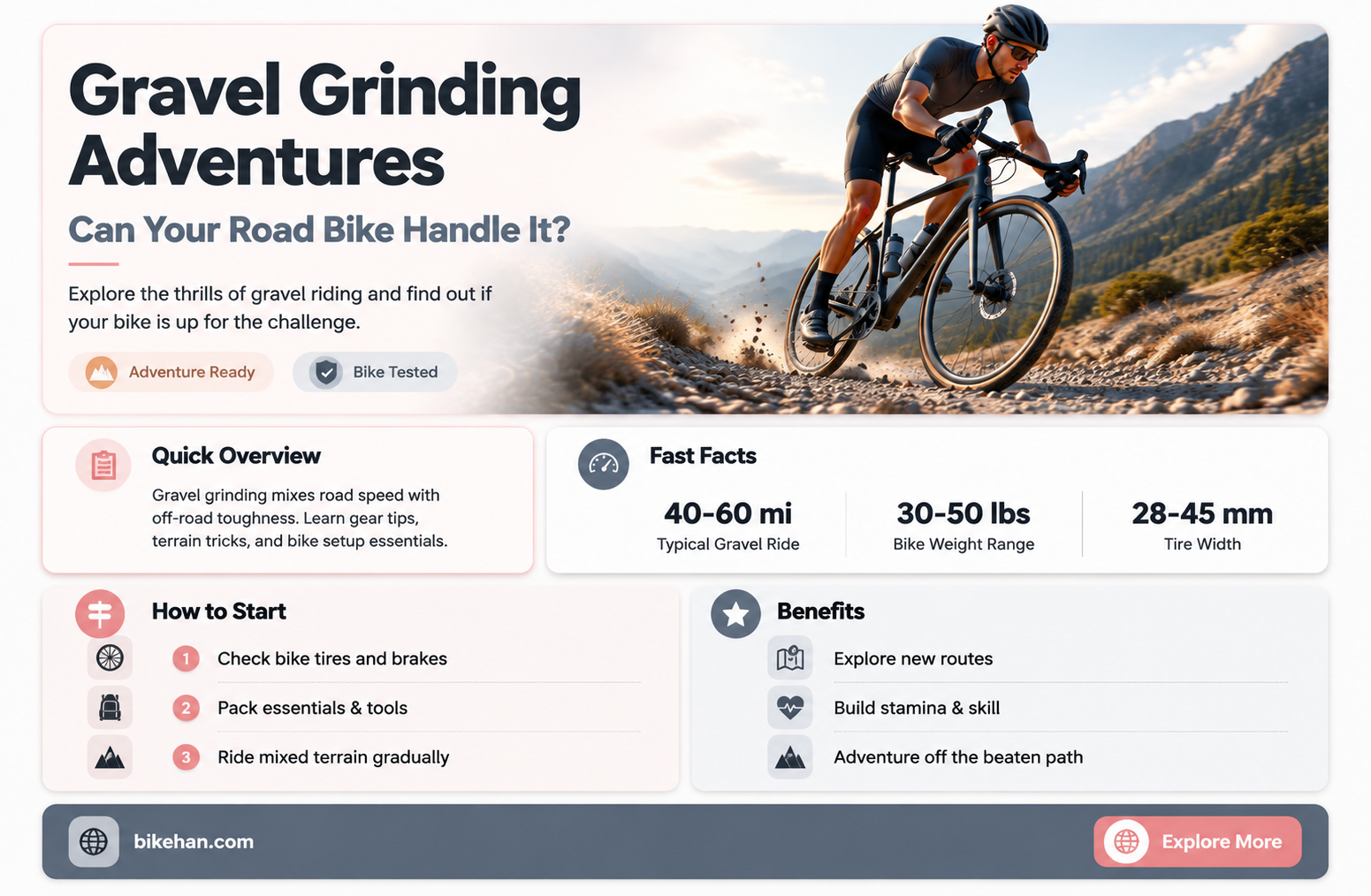
Riding a road bike on gravel is a topic of interest for many cycling enthusiasts looking to expand their terrain options. While road bikes are typically designed for smooth, paved surfaces, it's possible to ride them on gravel under certain conditions. The key factors to consider include the type of gravel, the bike's tire pressure and tread, and the rider's skill level. With the right setup and precautions, gravel riding can offer a new challenge and adventure for road cyclists.
Explore related products


What You'll Learn
- Tire Selection: Choosing the right tires for gravel riding, such as wider tires with a more aggressive tread pattern
- Bike Setup: Adjusting the bike's geometry and components, like lowering tire pressure and using a suspension seat post
- Riding Technique: Adapting cycling techniques to handle loose surfaces, including maintaining balance and controlling speed
- Maintenance Tips: Keeping the bike clean and well-maintained to prevent damage from gravel and debris
- Safety Considerations: Wearing appropriate safety gear and being cautious of potential hazards like sharp rocks and uneven terrain

Tire Selection: Choosing the right tires for gravel riding, such as wider tires with a more aggressive tread pattern
Choosing the right tires for gravel riding is crucial for a safe and enjoyable experience. Wider tires with a more aggressive tread pattern are generally recommended for gravel riding. This is because they provide better traction and stability on loose and uneven surfaces. When selecting tires, it's important to consider the type of gravel you'll be riding on. For example, if you'll be riding on small, loose gravel, a tire with a more aggressive tread pattern will help prevent slipping. On the other hand, if you'll be riding on larger, more compacted gravel, a tire with a less aggressive tread pattern may be sufficient.
In addition to tread pattern, tire width is also an important factor to consider. Wider tires provide a larger contact area with the ground, which can help improve traction and stability. They also allow for lower tire pressures, which can further enhance grip and comfort. However, it's important to note that wider tires may not fit on all road bikes, so be sure to check your bike's compatibility before making a purchase.
Another consideration when choosing tires for gravel riding is the type of tire construction. There are two main types of tire construction: clincher and tubeless. Clincher tires are the most common type and are compatible with most road bikes. They consist of a tire, a tube, and a rim. The tire is mounted on the rim and the tube is inflated inside the tire. Tubeless tires, on the other hand, do not require a tube. Instead, they use a special rim and tire combination that creates an airtight seal. Tubeless tires are generally lighter and more puncture-resistant than clincher tires, but they can be more difficult to install and may not be compatible with all road bikes.
When it comes to tire pressure, it's important to experiment to find the right balance between traction and rolling resistance. Lower tire pressures can improve traction and comfort, but they can also increase rolling resistance and make it more difficult to pedal. Higher tire pressures can reduce rolling resistance and make it easier to pedal, but they can also reduce traction and make the ride less comfortable. A good starting point for tire pressure is to use the recommended pressure printed on the tire's sidewall, and then adjust as needed based on your riding conditions and personal preferences.
Finally, it's important to regularly inspect and maintain your tires to ensure they're in good condition. Check for signs of wear, such as cracks or bald spots, and replace your tires as needed. Also, be sure to clean your tires regularly to remove dirt and debris that can affect traction and performance. By choosing the right tires and maintaining them properly, you can enjoy a safe and comfortable gravel riding experience.
Pedaling on a Flat: Exploring the Limits of Bike Tires
You may want to see also
Explore related products


Bike Setup: Adjusting the bike's geometry and components, like lowering tire pressure and using a suspension seat post
To optimize your road bike for gravel riding, several adjustments to the bike's geometry and components can significantly enhance your experience. One of the first modifications to consider is lowering the tire pressure. This simple change can provide better traction and a smoother ride on uneven surfaces. Typically, road bike tires are inflated to high pressures, around 80-120 PSI, which is ideal for smooth pavement but can be too firm for gravel. By reducing the pressure to around 40-60 PSI, you'll find that the tires conform better to the rough terrain, absorbing more of the bumps and vibrations.
Another valuable upgrade is the installation of a suspension seat post. This component can help mitigate the discomfort and fatigue that often accompany long rides on gravel. A suspension seat post works by allowing the saddle to move up and down in response to the terrain, effectively smoothing out the ride. When choosing a suspension seat post, consider factors such as travel distance (the amount of vertical movement), preload (the initial tension), and lockout mechanisms (which allow you to disable the suspension when not needed).
In addition to these modifications, you may also want to adjust the bike's geometry to better suit gravel riding. This could involve altering the handlebar height and reach to provide a more upright and comfortable riding position. An upright position not only reduces strain on your back and shoulders but also offers better visibility and control on unpredictable surfaces. You might also consider swapping out the standard road handlebars for wider, more robust options that provide additional stability and comfort.
When making these adjustments, it's important to remember that the optimal setup will vary depending on your individual preferences, riding style, and the specific conditions of the gravel you'll be riding on. Experiment with different tire pressures, seat post settings, and handlebar positions to find the combination that works best for you. By fine-tuning your bike's geometry and components, you can transform your road bike into a capable and comfortable gravel machine, ready to tackle a variety of off-road adventures.
Mini Bike Road Riding: Legal and Safety Considerations
You may want to see also
Explore related products


Riding Technique: Adapting cycling techniques to handle loose surfaces, including maintaining balance and controlling speed
To effectively ride on gravel with a road bike, cyclists must adapt their techniques to handle the loose and unpredictable surface. One key aspect is maintaining balance, which requires a different approach compared to riding on smooth pavement. Cyclists should keep their weight centered over the bike and avoid sudden shifts in body position. This helps to maintain traction and prevent the bike from sliding out from under them.
Controlling speed is also crucial when riding on gravel. Cyclists should use a combination of braking and gear shifting to manage their speed. It's important to avoid sudden braking, as this can cause the wheels to lock up and lead to a loss of control. Instead, cyclists should apply gentle, consistent pressure on the brakes to slow down gradually. Additionally, shifting to a lower gear can help to maintain a steady speed without putting too much strain on the bike's components.
Another technique that can be helpful when riding on gravel is to use a wider stance on the pedals. This provides more stability and allows cyclists to better absorb the bumps and vibrations that are common on loose surfaces. It's also important to keep the handlebars loose and avoid gripping them too tightly, as this can make it more difficult to maintain balance and control.
When cornering on gravel, cyclists should take a wider line than they would on pavement. This allows for more room to maneuver and helps to prevent the bike from sliding out. It's also important to look ahead and anticipate any changes in the terrain, as this can help cyclists to adjust their speed and position accordingly.
Overall, adapting cycling techniques to handle loose surfaces like gravel requires a combination of balance, speed control, and awareness of the terrain. By using these techniques, cyclists can safely and effectively ride on gravel with a road bike.
Conquering Long Distances: The Ultimate Guide to Mountain Bike Touring
You may want to see also
Explore related products


$599.99

$699.99 $1049.99


Maintenance Tips: Keeping the bike clean and well-maintained to prevent damage from gravel and debris
Regular cleaning is essential to prevent damage from gravel and debris. After each ride on gravel, use a soft brush to remove loose dirt and debris from the frame, wheels, and drivetrain. For stubborn grime, use a damp cloth with mild soap, but avoid using harsh chemicals that could damage the bike's components. Pay special attention to the chain, derailleurs, and brake calipers, as these are particularly susceptible to damage from gravel.
Lubrication is key to maintaining your bike's performance and preventing wear and tear. Apply a high-quality lubricant to the chain, derailleurs, and brake calipers after cleaning. Be sure to wipe off any excess lubricant, as it can attract dirt and debris. For the frame and wheels, use a silicone-based lubricant to protect against corrosion and wear.
Inspect your bike regularly for signs of damage or wear. Check the tires for cuts, abrasions, or embedded gravel. Inspect the chain for stretching or wear, and replace it if necessary. Check the brake pads for wear and replace them if they are worn down. By catching problems early, you can prevent more serious damage down the road.
When riding on gravel, it's important to adjust your riding style to prevent damage to your bike. Avoid sudden movements or sharp turns, which can cause the wheels to slip and the bike to fall. Ride at a steady pace and maintain a firm grip on the handlebars. If you encounter a particularly rough section of gravel, dismount and walk your bike through it to prevent damage.
Consider using protective accessories to shield your bike from gravel and debris. Frame guards, fenders, and chain guards can all help to protect your bike's components from damage. Additionally, consider using wider tires with more tread, which can provide better traction and reduce the risk of punctures or damage from gravel.
Mini Bikes on Sidewalks: A Comprehensive Guide to Safe Riding
You may want to see also
Explore related products


Safety Considerations: Wearing appropriate safety gear and being cautious of potential hazards like sharp rocks and uneven terrain
Wearing appropriate safety gear is crucial when riding a road bike on gravel. A helmet is essential to protect your head in case of a fall, and it should fit snugly and be properly adjusted. Additionally, consider wearing gloves to improve grip and protect your hands, as well as eye protection to shield your eyes from debris. Reflective clothing or accessories can also increase visibility to others, especially in low-light conditions.
Being cautious of potential hazards is equally important. Sharp rocks and uneven terrain can pose significant risks when riding on gravel. Keep a safe distance from other riders to avoid collisions, and be prepared to react quickly to obstacles in your path. It's also a good idea to scout your route beforehand to identify any particularly hazardous sections.
When navigating sharp rocks, it's important to maintain a steady speed and avoid sudden movements that could cause you to lose control. If possible, try to ride around larger rocks or dismount and walk your bike through particularly rough sections. Always be aware of your surroundings and adjust your riding style accordingly.
Uneven terrain can be challenging to navigate, especially at high speeds. When encountering bumps or dips, stand up on your pedals to absorb the impact and maintain control of your bike. Keep your weight centered over the bike and avoid leaning too far forward or backward, which can cause you to lose balance.
In addition to these safety considerations, it's also important to ensure that your bike is properly maintained and equipped for gravel riding. Check your tire pressure regularly and consider using wider tires with more tread for better traction. Make sure your brakes are functioning properly and adjust your gear shifting to accommodate the varying terrain.
By following these safety guidelines and being mindful of potential hazards, you can enjoy a fun and safe gravel riding experience on your road bike. Remember to always ride within your skill level and be prepared for the unexpected.
Tubeless Troubles: Can You Ride on a Flat Bike Tire?
You may want to see also
Frequently asked questions
Yes, you can ride on gravel with a road bike, but it may not be as smooth or efficient as riding on paved surfaces. Road bikes are designed primarily for paved roads, but many cyclists enjoy gravel riding as a way to explore less-traveled paths and add variety to their routes.
Riding on gravel with a road bike can present several challenges. The uneven and loose surface can make it more difficult to maintain balance and control, especially at higher speeds. Gravel can also cause increased wear and tear on your bike's tires, chain, and other components. Additionally, the reduced traction on gravel can make braking and cornering more challenging, requiring extra caution and skill from the rider.
To improve a road bike's performance on gravel, several modifications can be made. One popular option is to install wider tires with more aggressive tread patterns, which provide better traction and stability on loose surfaces. Another modification is to lower the tire pressure, which can help increase the contact patch with the ground and improve grip. Additionally, some riders choose to install a suspension fork or seat post to help absorb the bumps and vibrations associated with gravel riding. Finally, adjusting the bike's geometry and fit can also help improve comfort and control when riding on gravel.