Ryan Cole
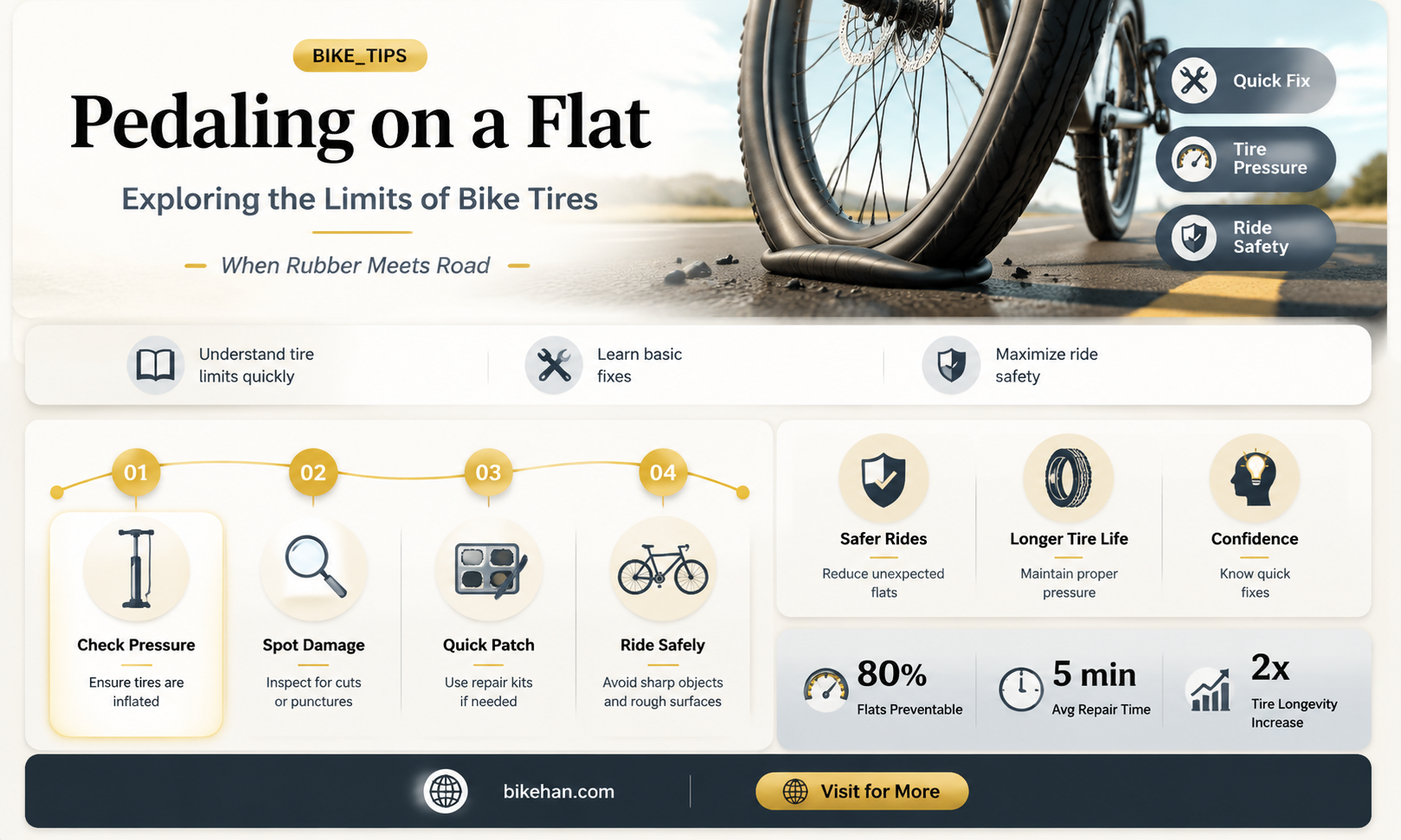
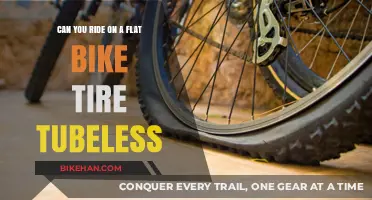
Riding on a flat bike tire is a common concern for cyclists. A flat tire can occur due to various reasons such as punctures from sharp objects, damage to the tire's sidewall, or even just wear and tear over time. When faced with a flat tire, it's important to assess the situation and determine whether it's safe to continue riding or if it's best to replace the tire. Riding on a flat tire can be dangerous as it can lead to a loss of control and potentially cause an accident. Additionally, continuing to ride on a flat tire can cause further damage to the wheel and tire, making the repair more costly and time-consuming. In this article, we'll discuss the risks associated with riding on a flat bike tire and provide guidance on what to do when faced with this situation.
Explore related products


What You'll Learn
- Safety Concerns: Riding on a flat tire can be dangerous, increasing the risk of accidents due to reduced control
- Damage to the Wheel: Continuing to ride on a flat tire can cause further damage to the wheel and tire
- Alternative Transportation: It's advisable to use an alternative mode of transportation if your bike tire is flat
- Temporary Fixes: In some cases, a temporary fix like inflating the tire or using a sealant can help until a proper repair is possible
- Professional Repair: For a permanent solution, taking the bike to a professional for tire replacement or repair is recommended

Safety Concerns: Riding on a flat tire can be dangerous, increasing the risk of accidents due to reduced control
Riding a bicycle with a flat tire poses significant safety risks. The primary concern is the loss of control, as a flat tire can cause the bike to wobble or even collapse suddenly. This instability increases the likelihood of accidents, especially at higher speeds or on uneven surfaces. For instance, if a cyclist is traveling at 20 miles per hour and encounters a pothole, the impact could cause the flat tire to rupture completely, leading to a loss of balance and potential injury.
Moreover, a flat tire reduces the bike's ability to absorb shocks from the road, making the ride more jarring and uncomfortable. This can lead to fatigue and decreased reaction time, further impairing the cyclist's control over the bike. In addition, the reduced traction of a flat tire makes it more difficult to brake effectively, increasing the stopping distance and the risk of collisions with other vehicles or obstacles.
To mitigate these risks, cyclists should avoid riding on flat tires whenever possible. If a flat tire is unavoidable, it is crucial to reduce speed and maintain a firm grip on the handlebars to ensure better control. Cyclists should also be aware of their surroundings and anticipate potential hazards, such as potholes or debris, to avoid sudden impacts.
In some cases, cyclists may need to perform a quick repair or replacement of the flat tire to continue their journey safely. Carrying a basic repair kit, including a spare tube, a pump, and tire levers, can be invaluable in such situations. Additionally, knowing how to properly inflate and maintain bike tires can help prevent flats from occurring in the first place, reducing the risk of accidents and ensuring a safer, more enjoyable ride.
Street Legal: The Do's and Don'ts of Mountain Biking on Paved Roads
You may want to see also
Explore related products


Damage to the Wheel: Continuing to ride on a flat tire can cause further damage to the wheel and tire
Riding on a flat bike tire is not only challenging but can also lead to further damage to the wheel and tire. When a tire is flat, the rim of the wheel can come into direct contact with the ground, causing scratches, dents, or even cracks. This can compromise the structural integrity of the wheel, making it unsafe to ride on. Additionally, the tire itself can be damaged by the rough surface of the road, leading to punctures or tears that may not be easily repairable.
One common mistake cyclists make is trying to "pump up" a flat tire to get it back to a rideable state. However, this can actually cause more harm than good. When a tire is severely underinflated, the beads of the tire can become dislodged from the rim, making it difficult or impossible to inflate the tire properly. In some cases, the tire may even come off the rim completely, which can be dangerous if it happens while riding.
To avoid causing further damage to the wheel and tire, it's important to address a flat tire promptly. If you're unable to repair the tire yourself, it's best to transport the bike to a professional bike shop for assistance. Continuing to ride on a flat tire can not only damage the wheel and tire but also put you at risk of accidents or injuries.
In summary, riding on a flat bike tire can lead to significant damage to both the wheel and tire. It's crucial to address the issue promptly and seek professional help if needed to ensure your safety and the longevity of your bike.
Mini Bike Road Riding: Legal and Safety Considerations
You may want to see also
Explore related products


Alternative Transportation: It's advisable to use an alternative mode of transportation if your bike tire is flat
If your bike tire is flat, it's not only inconvenient but also potentially dangerous to continue riding. The risk of further damage to the wheel, loss of control, or even a fall makes it advisable to seek alternative transportation. Depending on your location and the severity of the flat tire, you might consider several options.
One immediate solution could be to use public transportation, such as a bus or train, which can often accommodate bicycles, either on racks or designated spaces inside the vehicle. This allows you to continue your journey without the need for an immediate repair. Another option might be to call a taxi or rideshare service that can transport both you and your bike to your destination or a nearby bike repair shop.
For those who prefer a more active alternative, walking could be a viable option, especially if the distance is manageable. If you're carrying heavy loads or the distance is too great, consider using an electric scooter or skateboard, which can be a quick and efficient way to cover short to medium distances.
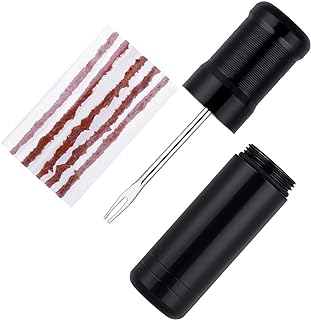
In some cases, it might be possible to temporarily repair the tire using a portable pump or a tire repair kit, which can be carried with you for emergencies. However, this should only be considered a temporary fix until you can get a proper repair done by a professional.
Ultimately, the choice of alternative transportation will depend on your specific circumstances, including your location, the time of day, and your personal preferences. The key is to prioritize safety and avoid taking unnecessary risks by riding on a flat tire.
Exploring National Seashores: Are Dirt Bikes the Only Off-Road Option?
You may want to see also
Explore related products


Temporary Fixes: In some cases, a temporary fix like inflating the tire or using a sealant can help until a proper repair is possible
In the event of a flat bike tire, immediate solutions are often necessary to get the cyclist back on the road. Temporary fixes, such as inflating the tire or using a sealant, can be effective short-term measures until a proper repair can be conducted. Inflating the tire may help if the puncture is small and the tire has lost air gradually. Using a hand pump or a CO2 inflater, the cyclist can attempt to reach the recommended tire pressure. However, this method may not be successful if the puncture is large or the tire has been damaged extensively.
Sealants, on the other hand, can be a more reliable temporary solution. Products like tire sealants or puncture repair kits contain a liquid or gel that coats the inside of the tire and seals small punctures. To use a sealant, the cyclist must first remove the valve core and inject the sealant into the tire. Then, they should reinflate the tire to the recommended pressure and check for leaks. Sealants can be particularly useful for tubeless tires, as they can seal punctures without the need for a patch or tube replacement.
It is important to note that temporary fixes are not permanent solutions and should be followed up with a proper repair as soon as possible. Riding on a temporarily fixed tire can be risky, as the puncture may worsen or the sealant may fail, leading to a sudden loss of air pressure. Cyclists should always carry a repair kit and know how to use it to ensure their safety and the longevity of their tires.
In some cases, a temporary fix may not be sufficient, and the cyclist may need to replace the tire or tube entirely. This is especially true if the tire has been damaged by a sharp object or has experienced significant wear and tear. In such situations, it is best to seek professional assistance from a bike mechanic or replace the tire or tube oneself if the necessary tools and knowledge are available.
Overall, temporary fixes like inflating the tire or using a sealant can be helpful in getting a cyclist back on the road quickly, but they should be used with caution and followed up with a proper repair to ensure safety and prevent further damage to the tire.
Mastering the Art of No-Hands Riding on Mountain Bikes
You may want to see also
Explore related products


Professional Repair: For a permanent solution, taking the bike to a professional for tire replacement or repair is recommended
While it may be tempting to try and fix a flat bike tire yourself, professional repair is often the best course of action for a permanent solution. Bike mechanics have the expertise, tools, and knowledge to properly assess the damage and make the necessary repairs or replacements. They can also advise on the best type of tire for your specific bike and riding conditions, ensuring optimal performance and safety.
One of the main benefits of professional repair is the guarantee of quality workmanship. A professional mechanic will be able to identify any underlying issues that may have caused the flat tire, such as a damaged rim or faulty valve, and address these problems to prevent future flats. They will also be able to properly install the new tire, ensuring it is inflated to the correct pressure and securely attached to the rim.
Another advantage of professional repair is the time and effort it saves. Fixing a flat tire can be a tedious and frustrating process, especially if you don't have the right tools or experience. By taking your bike to a professional, you can have the repair done quickly and efficiently, allowing you to get back on the road sooner.
In addition to these benefits, professional repair can also be more cost-effective in the long run. While it may seem cheaper to buy a new tire and try to fix it yourself, the cost of tools, time, and potential mistakes can quickly add up. A professional mechanic can often source tires at a lower cost and provide a warranty on their workmanship, giving you peace of mind and potentially saving you money in the future.
Overall, professional repair is the recommended option for a permanent solution to a flat bike tire. It offers a range of benefits, including quality workmanship, time and effort savings, and cost-effectiveness, making it the best choice for most cyclists.
Exploring the Possibilities: Riding Motorized Bikes Without the Motor
You may want to see also
Frequently asked questions
It is not recommended to ride on a flat bike tire. Riding on a flat tire can cause damage to the wheel rim and potentially lead to accidents due to loss of control.
Riding on a flat bike tire poses several risks, including damage to the wheel rim, increased risk of accidents due to loss of control, and potential injury to the rider.
To prevent riding on a flat bike tire, regularly check your tire pressure and inspect your tires for any signs of damage or wear. If you notice a flat tire, stop riding and either repair or replace the tire before continuing.