Matthew Brooks
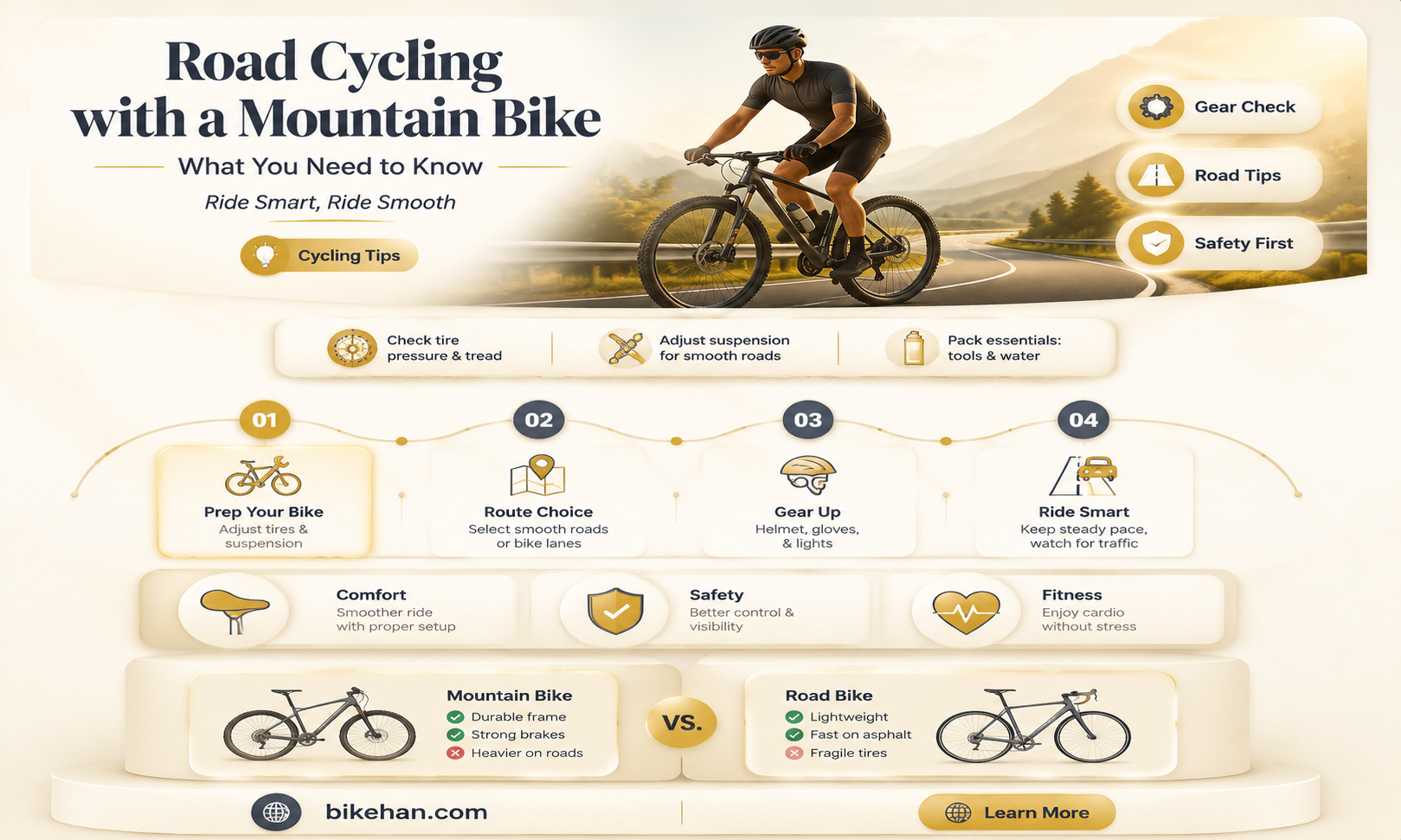
Mountain biking is a popular outdoor activity that typically takes place on off-road trails and rugged terrain. However, many mountain bikers may find themselves wondering if they can ride their mountain bikes on paved roads as well. The answer to this question is not straightforward, as it depends on various factors such as local laws, road conditions, and the specific design of the mountain bike. In general, mountain bikes are designed for off-road use and may not be as efficient or comfortable on paved roads compared to road bikes. However, some mountain bikes are equipped with features that make them more suitable for road riding, such as smoother tires and a more upright riding position. Ultimately, whether or not you can ride a mountain bike on the road will depend on your specific circumstances and the regulations in your area.
Explore related products


What You'll Learn
- Road Legality: Check local laws regarding mountain bike use on public roads and required safety equipment
- Tire Considerations: Choose tires with minimal tread for better grip and efficiency on paved surfaces
- Bike Modifications: Adjust your mountain bike's setup, including seat height and handlebar position, for a comfortable road ride
- Safety Gear: Wear a helmet, reflective clothing, and use lights to ensure visibility to other road users
- Riding Techniques: Adapt your riding style to handle the smooth terrain and traffic rules of the road

Road Legality: Check local laws regarding mountain bike use on public roads and required safety equipment
Before hitting the road with your mountain bike, it's crucial to understand the legal landscape surrounding its use on public roads. Laws vary significantly by location, and what's permissible in one area may be prohibited in another. Some jurisdictions have specific regulations regarding the type of roads mountain bikes can be ridden on, such as paved roads, bike lanes, or designated trails. Familiarize yourself with local ordinances to avoid fines or legal issues.
Safety equipment is another critical aspect to consider. Helmets are universally recommended and often legally required for riders of all ages or specifically for minors. Additionally, some areas mandate the use of lights and reflectors, especially when riding in low-light conditions or at night. Understanding these requirements ensures not only compliance with the law but also enhances your visibility and safety on the road.
To navigate this complex legal terrain, start by consulting your local government's transportation department or a cycling advocacy group. They can provide detailed information on road legality and safety equipment requirements specific to your region. Online resources and mobile apps dedicated to cycling laws can also be invaluable tools for quick reference while on the go.
Remember, ignorance of the law is not an excuse, and being well-informed can prevent unnecessary conflicts with law enforcement or other road users. By taking the time to research and adhere to local regulations, you can enjoy a safer and more responsible mountain biking experience on public roads.
Exploring the Versatility: Off-Road Bikes on Paved Paths
You may want to see also
Explore related products



Tire Considerations: Choose tires with minimal tread for better grip and efficiency on paved surfaces
Choosing the right tires is crucial when adapting a mountain bike for road use. Tires with minimal tread patterns are preferred for paved surfaces as they offer better grip and efficiency. This is because the smooth surface of the road requires less traction than off-road trails, and tires with too much tread can create unnecessary rolling resistance, making pedaling more strenuous and reducing overall speed.
When selecting tires, consider the width and the tread pattern. Narrower tires, typically ranging from 1.8 to 2.2 inches, are ideal for road cycling as they decrease rolling resistance and improve aerodynamics. The tread pattern should be fine and closely spaced to provide adequate grip on wet or slippery surfaces without compromising efficiency on dry roads.
It's also important to consider the tire's compound. Softer compounds provide better grip but wear out faster, while harder compounds offer longer durability but may sacrifice some traction. For road cycling, a medium-hard compound is usually a good balance, providing sufficient grip for most conditions while maintaining reasonable wear resistance.
Another factor to consider is tire pressure. Higher tire pressures are generally used on the road to reduce rolling resistance and improve speed. However, it's essential to find the right balance, as overly high pressures can lead to a harsh ride and increased risk of punctures.
In summary, for optimal road performance on a mountain bike, choose tires with minimal tread patterns, a width of 1.8 to 2.2 inches, a medium-hard compound, and appropriate tire pressure. These considerations will help ensure a smoother, more efficient ride on paved surfaces.
Dirt Biking Near Vegas: Exploring the Best Motocross Trails
You may want to see also
Explore related products


Bike Modifications: Adjust your mountain bike's setup, including seat height and handlebar position, for a comfortable road ride
To optimize your mountain bike for road riding, adjusting the seat height is crucial. The ideal seat height allows your leg to extend almost fully when the pedal is at its lowest position, with just a slight bend in the knee. This ensures efficient power transfer and reduces strain on your joints. To find the right height, start by setting the bike on a flat surface and sitting on the seat with your feet on the pedals. Adjust the seat post until your legs are almost straight when pedaling.
Next, consider the handlebar position. For a comfortable road ride, you'll want the handlebars to be at a height that allows you to maintain an upright posture, reducing pressure on your back and wrists. The handlebars should be slightly lower than the seat height. Adjust the stem to achieve this position, ensuring that the handlebars are also at a comfortable distance from your body. This will help you maintain control and stability while riding on the road.
Another important modification is tire pressure. Road tires typically require higher pressure than mountain bike tires to reduce rolling resistance and improve speed. Check your tire's recommended pressure range and inflate them accordingly. Additionally, consider swapping out your mountain bike tires for smoother, narrower road tires if you plan to ride on the road frequently.
Finally, fine-tune your bike's gearing to suit road riding. Mountain bikes often have a wide range of gears to handle steep inclines and rough terrain. For road riding, you may want to adjust the derailleur to provide a more consistent gear ratio, making it easier to maintain a steady pace on flat or gently rolling roads.
By making these modifications, you can transform your mountain bike into a more comfortable and efficient road bike, allowing you to enjoy a smoother and faster ride on paved surfaces.
Beachside Mountain Biking: Exploring Coastal Trails on Two Wheels
You may want to see also
Explore related products


Safety Gear: Wear a helmet, reflective clothing, and use lights to ensure visibility to other road users
Wearing appropriate safety gear is crucial when riding a mountain bike on the road. A helmet is the most essential piece of equipment, as it can significantly reduce the risk of head injuries in case of an accident. Choose a helmet that fits snugly and is certified for cycling safety. Reflective clothing is another vital component, especially if you plan to ride during low-light conditions or at night. This type of clothing is designed to reflect light from vehicle headlights, making you more visible to drivers. Consider wearing a reflective vest or jacket, as well as reflective arm and leg bands.
In addition to reflective clothing, using lights on your mountain bike is essential for visibility. Front and rear lights are required by law in many jurisdictions, and they can help prevent collisions by alerting other road users to your presence. When selecting lights, look for ones that are bright, durable, and easy to install. Some lights are designed to be mounted on the handlebars and seat post, while others can be attached to the frame or wheels.
It's also important to consider other safety accessories, such as gloves, knee pads, and elbow pads. These can provide additional protection in case of a fall or collision. When choosing safety gear, look for products that are specifically designed for mountain biking, as they will offer the best combination of protection, comfort, and durability.
Remember, safety gear is not a substitute for safe riding practices. Always follow traffic rules, be aware of your surroundings, and ride defensively. By combining proper safety gear with responsible riding habits, you can significantly reduce the risk of accidents and injuries while enjoying the thrill of mountain biking on the road.
Exploring Mission Ridge: A Mountain Biker's Guide to the Trails
You may want to see also
Explore related products


Riding Techniques: Adapt your riding style to handle the smooth terrain and traffic rules of the road
Adapting your riding style to handle smooth terrain and traffic rules is crucial when transitioning from off-road to on-road cycling. Mountain bikes are designed for rugged trails and uneven surfaces, but with a few adjustments, they can be effectively used on paved roads as well. Here are some key techniques to keep in mind:
- Tire Pressure and Tread: Ensure your tires are inflated to the appropriate pressure for road riding, which is typically higher than for off-road use. This will reduce rolling resistance and improve efficiency. Additionally, consider using tires with a smoother tread pattern designed for road use, as they will provide better grip and handling on paved surfaces.
- Body Position: Adjust your body position to a more upright stance compared to the aggressive, forward-leaning position often used in mountain biking. This will help you maintain better visibility and control, especially when navigating through traffic. Keep your elbows slightly bent and your hands positioned on the top of the handlebars for optimal comfort and maneuverability.
- Gearing and Cadence: On smooth terrain, you'll likely need to adjust your gearing to maintain an efficient cadence. Use lower gears for climbing hills and higher gears for flat or downhill sections. Focus on maintaining a consistent cadence to conserve energy and avoid unnecessary strain on your legs.
- Braking and Cornering: Familiarize yourself with the braking system on your mountain bike, as it may differ from road bikes. Practice smooth, controlled braking to avoid skidding or losing control. When cornering, lean into the turn while keeping your weight centered over the bike. Use your body weight to help steer the bike, but avoid abrupt movements that could cause instability.
- Traffic Awareness: Always be aware of your surroundings and follow traffic rules and regulations. Use hand signals to indicate your intentions to other road users, and stay alert for potential hazards such as potholes, debris, or vehicles. Consider wearing bright, reflective clothing to increase your visibility to motorists.
By adapting your riding style and technique, you can safely and effectively ride your mountain bike on paved roads. Remember to always prioritize safety and follow local traffic laws to ensure a positive experience for both yourself and other road users.
Mini Bike Road Riding: Legal and Safety Considerations
You may want to see also
Frequently asked questions
Yes, you can ride a mountain bike on the road. Mountain bikes are versatile and can handle various terrains, including paved roads. However, keep in mind that mountain bikes are designed for off-road use, so they may not be as efficient or comfortable on smooth surfaces compared to road bikes.
Riding a mountain bike on the road offers several advantages. Firstly, mountain bikes have sturdy frames and wide tires that provide better stability and grip on uneven or rough road surfaces. Secondly, mountain bikes often come with suspension systems that can absorb shocks from potholes or bumps, making for a more comfortable ride. Lastly, mountain bikes are equipped with multiple gears, allowing you to tackle steep inclines or hills with ease.
While mountain bikes can be ridden on the road, there are some disadvantages to consider. Mountain bikes are generally heavier and less aerodynamic than road bikes, which can make them slower and more challenging to pedal on smooth, paved surfaces. Additionally, the wide tires on mountain bikes create more rolling resistance, further reducing efficiency on the road. Lastly, mountain bikes may not have the necessary reflectors or lights for safe road cycling, so you may need to add these accessories separately.
To make your mountain bike more suitable for road cycling, you can consider a few modifications. Firstly, you can replace the wide, knobby tires with narrower, smoother tires designed for road use. This will reduce rolling resistance and improve efficiency on paved surfaces. Secondly, you can adjust the suspension settings to minimize the amount of travel, as you won't need as much shock absorption on smooth roads. Lastly, ensure your mountain bike is equipped with proper reflectors and lights for safe road cycling, and consider adding a rear rack or panniers for carrying gear or supplies.
When riding a mountain bike on the road, it's essential to take several safety precautions. Firstly, always wear a properly fitted helmet to protect your head in case of an accident. Secondly, follow traffic rules and regulations, such as obeying traffic signals, using hand signals to indicate turns, and riding in the same direction as traffic. Thirdly, be visible to motorists by wearing bright or reflective clothing and ensuring your mountain bike has proper reflectors and lights. Lastly, stay alert and aware of your surroundings, including other vehicles, pedestrians, and potential hazards on the road.