Ryan Cole
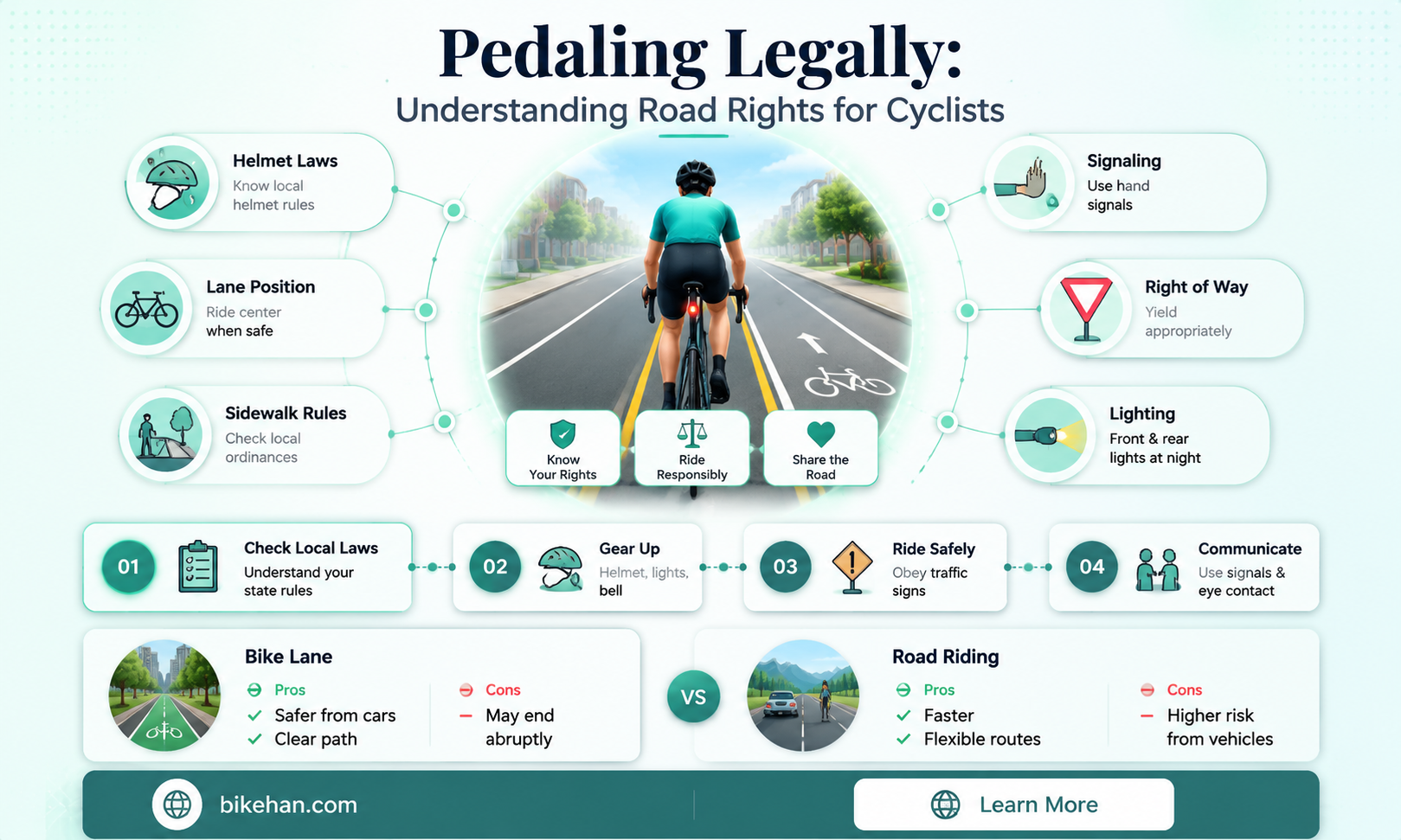
Riding a bike on the road is a common mode of transportation and recreation for many people. It's an eco-friendly way to travel, providing numerous health benefits and reducing traffic congestion. However, it's essential to follow traffic rules and safety guidelines to ensure a safe and enjoyable experience. This includes wearing a helmet, using hand signals, obeying traffic laws, and being aware of your surroundings. Whether you're a seasoned cyclist or just starting, understanding the basics of road safety is crucial for everyone sharing the road.
Explore related products


What You'll Learn
- Safety Gear: Importance of wearing helmets, reflective clothing, and using bike lights for visibility
- Traffic Rules: Understanding and following traffic signals, signs, and road markings for cyclists
- Bike Maintenance: Regular checks on tire pressure, brakes, and gears to ensure a safe ride
- Road Conditions: Being aware of potholes, debris, and slippery surfaces that can affect bike handling
- Cycling Etiquette: Respecting pedestrians, yielding to traffic, and signaling intentions to turn or stop

Safety Gear: Importance of wearing helmets, reflective clothing, and using bike lights for visibility
Wearing safety gear while cycling is crucial for protecting yourself from potential injuries and ensuring visibility to other road users. Helmets are the most essential piece of safety equipment, as they can significantly reduce the risk of head injuries in the event of an accident. Reflective clothing and bike lights also play a vital role in making cyclists more visible to motorists, especially during low-light conditions or at night.
When choosing a helmet, it's important to select one that fits properly and meets safety standards. A well-fitted helmet should sit snugly on your head, with the chin strap securely fastened. Reflective clothing, such as vests or jackets, can be worn over your regular cycling attire to increase visibility. Bike lights, including front and rear lights, should be bright enough to be seen from a distance and should be positioned correctly on your bike.
In addition to wearing safety gear, cyclists should also follow traffic rules and ride defensively to minimize the risk of accidents. This includes obeying traffic signals, using hand signals to indicate turns, and staying alert to potential hazards on the road. By taking these precautions and wearing appropriate safety gear, cyclists can enjoy a safer and more enjoyable riding experience.
Gravel Grinding: Can Your Road Bike Handle the Rough Stuff?
You may want to see also
Explore related products



Traffic Rules: Understanding and following traffic signals, signs, and road markings for cyclists
Navigating the roads on a bicycle requires a keen understanding of traffic rules, particularly when it comes to interpreting and obeying traffic signals, signs, and road markings. Cyclists must be vigilant and proactive in ensuring their safety and the safety of others by adhering to these regulations.
One crucial aspect of traffic rules for cyclists is the proper use of hand signals. These signals communicate your intentions to other road users, such as turning or stopping, and are essential for preventing accidents. For example, to signal a right turn, extend your left arm straight out to the side. To signal a left turn, extend your right arm straight out, or alternatively, bend your right arm at the elbow with your hand pointing upwards.
In addition to hand signals, cyclists must also be familiar with and follow traffic lights and signs. This includes stopping at red lights and stop signs, yielding at yield signs, and obeying speed limits. It's important to note that some traffic signals may have specific instructions for cyclists, such as separate green lights or bike lanes, which should be followed accordingly.
Road markings are another critical component of traffic rules for cyclists. Bike lanes, for instance, are designated areas on the road for cyclists to ride in, and should be used whenever possible. If there is no bike lane, cyclists should ride as close to the right side of the road as safely possible, except when turning left or avoiding obstacles.
Furthermore, cyclists should be aware of their surroundings and anticipate potential hazards. This includes watching out for pedestrians, other cyclists, and vehicles, as well as being cautious at intersections and driveways. By staying alert and following traffic rules, cyclists can significantly reduce the risk of accidents and enjoy a safer ride on the road.
Exploring Bon Tempe: Mountain Biking Adventures Await
You may want to see also
Explore related products




Bike Maintenance: Regular checks on tire pressure, brakes, and gears to ensure a safe ride
Regular bike maintenance is crucial for ensuring a safe and enjoyable ride, especially when sharing the road with motor vehicles. One of the most important aspects of bike maintenance is checking tire pressure. Proper tire inflation not only improves traction and handling but also reduces the risk of punctures and blowouts. It's recommended to check tire pressure at least once a week and before any long rides. Use a reliable gauge to ensure accuracy, and always inflate tires to the manufacturer's recommended pressure, which can usually be found on the tire sidewall or in the bike's manual.
Another critical component to inspect regularly is the braking system. Effective brakes are essential for stopping quickly and safely in traffic. Check both the front and rear brakes to ensure they are functioning properly. Look for any signs of wear on the brake pads or shoes, and replace them if necessary. Also, inspect the brake cables for any fraying or damage, and lubricate them to ensure smooth operation. If you're not comfortable adjusting your brakes, it's best to take your bike to a professional mechanic.
Gears are another vital part of your bike that require regular attention. Properly functioning gears make it easier to pedal and maintain control, especially when riding in hilly or varied terrain. Start by checking the derailleur hanger for any signs of damage or misalignment. Then, inspect the chain for wear and lubrication, replacing it if it's excessively worn or dry. Adjust the derailleur limits and indexing to ensure smooth shifting between gears. If you notice any issues with gear shifting, such as slipping or grinding, it may be necessary to replace or repair the derailleur or other components.
In addition to these regular checks, it's important to keep your bike clean and lubricated. A clean bike not only looks better but also functions more efficiently and lasts longer. Use a soft brush or cloth to remove dirt and debris from the frame, wheels, and drivetrain. Apply lubricant to the chain, pedals, and other moving parts to reduce friction and wear. When cleaning and lubricating, be mindful of the environment and avoid using harsh chemicals that could harm local ecosystems.
By following these maintenance tips, you can ensure that your bike is safe and reliable for road riding. Regular checks on tire pressure, brakes, and gears not only prevent accidents but also extend the life of your bike and enhance your overall riding experience. Remember, a well-maintained bike is a safe bike, and safety should always be your top priority when sharing the road with motor vehicles.
Exploring the Limits: Long-Distance Cycling on a Hybrid Bike
You may want to see also
Explore related products

$25.49 $29.99


Road Conditions: Being aware of potholes, debris, and slippery surfaces that can affect bike handling
Potholes, debris, and slippery surfaces are common road hazards that can significantly impact bike handling and safety. Cyclists must remain vigilant and adapt their riding techniques to navigate these obstacles effectively.
One of the most prevalent road hazards is the pothole. These can range from small, shallow depressions to large, deep craters that can cause serious damage to a bicycle's tires and wheels. Cyclists should scan the road ahead for potholes and adjust their speed and position to avoid them whenever possible. If a pothole cannot be avoided, it's essential to maintain a firm grip on the handlebars and keep the bike's weight centered to minimize the impact.
Debris on the road, such as broken glass, rocks, and twigs, can also pose a significant risk to cyclists. These objects can puncture tires, damage wheels, or cause the bike to skid unexpectedly. Cyclists should be particularly cautious when riding through areas with loose gravel or sand, as these can reduce traction and increase the likelihood of a fall.
Slippery surfaces, such as wet roads, ice, and painted lines, can also affect bike handling. Cyclists should reduce their speed and increase their following distance when riding on slippery surfaces to allow for more reaction time in case of a sudden stop or turn. It's also important to avoid sudden movements and to keep the bike's weight centered to maintain traction.
To minimize the risks associated with these road hazards, cyclists should regularly inspect their bikes for damage and wear, and ensure that their tires are properly inflated and have adequate tread. Additionally, cyclists should practice defensive riding techniques, such as anticipating potential hazards, signaling their intentions clearly, and maintaining a safe distance from other vehicles on the road.
By being aware of road conditions and adapting their riding techniques accordingly, cyclists can reduce the risks associated with potholes, debris, and slippery surfaces, and enjoy a safer and more enjoyable ride.
Exploring Myakka State Park: Motorized Bikes Welcome or Not?
You may want to see also
Explore related products


$149.99 $199.99


Cycling Etiquette: Respecting pedestrians, yielding to traffic, and signaling intentions to turn or stop
When sharing the road with pedestrians, cyclists must prioritize safety and respect. This means yielding to pedestrians at crosswalks and intersections, even if they are not marked. Cyclists should also be cautious when approaching pedestrians from behind, as they may not be aware of the cyclist's presence. A friendly bell ring or verbal warning can alert pedestrians to the cyclist's approach, allowing them to move aside safely.
In addition to respecting pedestrians, cyclists must also yield to traffic when necessary. This includes stopping at red lights and stop signs, as well as yielding to cars and other vehicles when entering or merging onto the road. Cyclists should also be aware of their surroundings and anticipate potential hazards, such as opening car doors or sudden stops by vehicles ahead.
Signaling intentions is a crucial aspect of cycling etiquette. When turning or stopping, cyclists should use clear hand signals to communicate their intentions to other road users. This helps to prevent accidents and ensures that everyone on the road is aware of the cyclist's movements. For example, when turning left, a cyclist should extend their left arm straight out to the side. When stopping, a cyclist should extend their left arm downward with their palm facing backward.
By following these guidelines, cyclists can help to create a safer and more harmonious environment on the road. Remember, cycling etiquette is not just about following the rules – it's about being respectful and considerate of others.
Mini Bikes on Sidewalks: A Comprehensive Guide to Safe Riding
You may want to see also
Frequently asked questions
Yes, in most jurisdictions, it is legal to ride a bike on the road. However, cyclists must follow the same traffic laws as motorists, including obeying traffic signals, signs, and yielding to pedestrians.
When riding a bike on the road, it's essential to wear a properly fitted helmet, use hand signals to indicate your intentions, stay visible with reflective clothing or lights, especially in low-light conditions, and maintain a safe distance from parked cars to avoid being hit by opening doors.
To ride efficiently on the road, maintain your bike regularly to ensure it's in good working condition, learn proper riding techniques such as shifting gears effectively, and practice defensive riding by being aware of your surroundings and anticipating potential hazards.