Samantha Lee
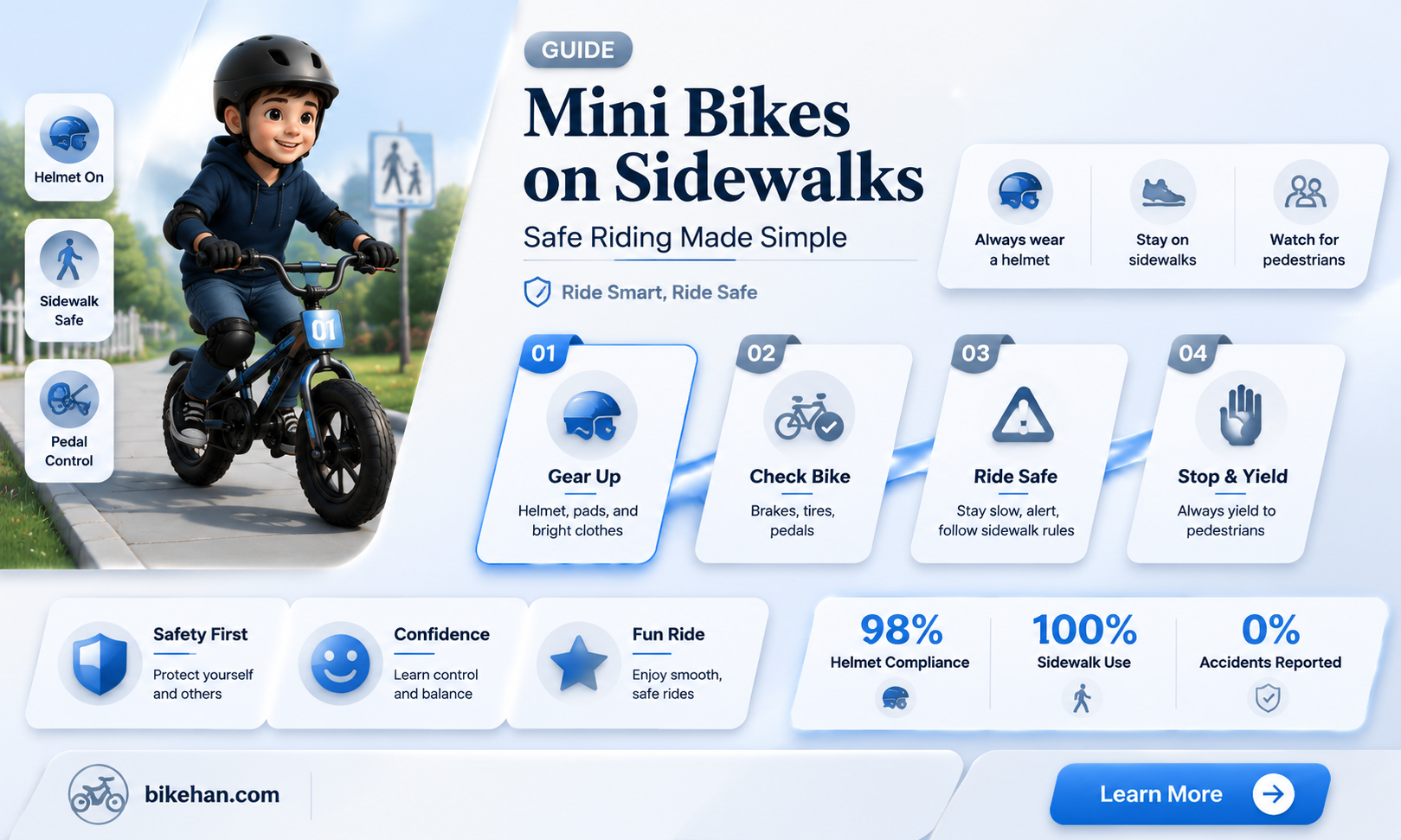
Riding mini bikes on sidewalks is a topic of interest for many, especially those looking for convenient and fun transportation options in urban areas. Mini bikes, also known as pocket bikes or mini motorcycles, are small-scale versions of regular motorcycles, often designed for recreational use. They are popular among both children and adults for their compact size and ease of maneuverability. However, the legality and safety of riding these bikes on sidewalks vary depending on local laws and regulations. Some jurisdictions allow it, while others prohibit it due to safety concerns for pedestrians. It's essential to check local ordinances and consider the potential risks before deciding to ride a mini bike on a sidewalk.
Explore related products


What You'll Learn
- Legal Restrictions: Varying laws and ordinances regarding mini bike usage on sidewalks across different jurisdictions
- Safety Concerns: Potential hazards and risks associated with riding mini bikes on sidewalks, impacting pedestrians
- Alternative Routes: Exploring designated bike lanes, parks, and private properties as safer alternatives for mini bike riding
- Community Impact: Effects of mini bike riding on sidewalks on local communities, including noise and disturbance issues
- Mini Bike Specifications: Understanding the features and capabilities of mini bikes, such as speed, size, and maneuverability

Legal Restrictions: Varying laws and ordinances regarding mini bike usage on sidewalks across different jurisdictions
Navigating the legal landscape of mini bike usage on sidewalks can be a complex endeavor, as laws and ordinances vary significantly across different jurisdictions. While some areas may permit the use of mini bikes on sidewalks, others may have strict regulations or outright bans in place. It is crucial for riders to familiarize themselves with local laws to avoid potential legal repercussions.
In the United States, for example, the legality of riding mini bikes on sidewalks is determined at the state and municipal levels. Some states, like California, have specific laws that prohibit the use of motorized bicycles on sidewalks, while others, such as Florida, allow it with certain restrictions. Municipal ordinances can further complicate matters, with some cities imposing additional rules or bans on mini bike usage.
To ensure compliance with local laws, riders should consult their city or state's official website or contact local law enforcement agencies for information on mini bike regulations. It is also advisable to check for any posted signs or notices in public areas that may indicate restrictions on mini bike usage. By staying informed and adhering to legal requirements, riders can enjoy their mini bikes safely and responsibly.
Exploring Long-Distance Cycling on a Naked Bike: A Comprehensive Guide
You may want to see also
Explore related products


Safety Concerns: Potential hazards and risks associated with riding mini bikes on sidewalks, impacting pedestrians
Riding mini bikes on sidewalks poses several safety concerns, particularly for pedestrians. One of the primary hazards is the potential for collisions between mini bikes and pedestrians, especially in crowded areas. Mini bikes, due to their small size and maneuverability, can be difficult for pedestrians to see, increasing the risk of accidents. Additionally, mini bikes often travel at higher speeds than pedestrians expect, which can lead to severe injuries if a collision occurs.
Another safety concern is the uneven distribution of weight on mini bikes, which can cause riders to lose balance easily, especially on uneven sidewalk surfaces. This can result in riders falling off and potentially injuring themselves or nearby pedestrians. Furthermore, mini bikes lack the stability features found in larger bicycles, such as wider tires and more robust frames, making them more susceptible to tipping over.
The noise generated by mini bikes can also be a nuisance to pedestrians, particularly in residential areas or near schools and hospitals. Loud noises can startle pedestrians, causing them to jump or move suddenly, which could lead to accidents or injuries. Moreover, the constant hum of mini bike engines can contribute to noise pollution, negatively impacting the overall environment.
To mitigate these risks, it is essential for mini bike riders to exercise caution when riding on sidewalks. They should maintain a safe speed, be aware of their surroundings, and yield to pedestrians. Additionally, wearing appropriate safety gear, such as helmets and knee pads, can help reduce the severity of injuries in case of an accident. Local authorities should also consider implementing regulations to govern the use of mini bikes on sidewalks, ensuring the safety of both riders and pedestrians.
Exploring the Limits: Long-Distance Cycling on a Hybrid Bike
You may want to see also
Explore related products


Alternative Routes: Exploring designated bike lanes, parks, and private properties as safer alternatives for mini bike riding
Designated bike lanes offer a safer alternative for mini bike riders, providing a dedicated space away from pedestrian traffic and motor vehicles. These lanes are typically marked with clear signage and pavement markings, making them easily identifiable. Riders should still exercise caution, as bike lanes can sometimes be shared with larger bicycles and may have varying speed limits.
Parks are another excellent option for mini bike enthusiasts, offering wide-open spaces and scenic routes. Many parks have paved paths or trails specifically designed for non-motorized vehicles, including mini bikes. These paths often wind through natural settings, providing a relaxing and enjoyable riding experience. Riders should be mindful of park rules and regulations, as some areas may have restrictions on mini bike use.
Private properties, such as gated communities or large estates, can also provide safe havens for mini bike riding. These areas typically have less traffic and more controlled environments, making them ideal for riders of all skill levels. However, it's essential to obtain permission from property owners or managers before riding on private land.
When exploring these alternative routes, mini bike riders should always prioritize safety. This includes wearing appropriate protective gear, such as helmets and knee pads, and ensuring that their bikes are well-maintained and in good working condition. Additionally, riders should be aware of their surroundings and follow all applicable traffic laws and regulations.
In conclusion, designated bike lanes, parks, and private properties offer safer alternatives for mini bike riding compared to sidewalks. By choosing these routes, riders can minimize the risks associated with sharing space with pedestrians and motor vehicles, while still enjoying the thrill and excitement of mini biking.
Mini Bikes on Sidewalks: A Comprehensive Guide to Safe Riding
You may want to see also
Explore related products


Community Impact: Effects of mini bike riding on sidewalks on local communities, including noise and disturbance issues
Mini bike riding on sidewalks can have significant community impacts, particularly in terms of noise and disturbance. Residents in urban areas often report increased noise levels due to the engines of mini bikes, which can be especially disruptive in residential neighborhoods. This noise pollution can lead to complaints and even legal action in some cases, as it affects the quality of life for those living nearby.
In addition to noise, mini bike riding on sidewalks can cause physical disturbances. Riders may weave in and out of pedestrian traffic, creating a hazardous environment for walkers, joggers, and individuals with disabilities. This can lead to accidents and injuries, further straining community relations and potentially resulting in medical costs and legal liabilities.
Moreover, the presence of mini bikes on sidewalks can contribute to a sense of disorder and lawlessness in a community. When riders disregard local ordinances and regulations, it can undermine the authority of law enforcement and community leaders, leading to a breakdown in social cohesion. This can have broader implications for community safety and well-being, as it may encourage other forms of disruptive behavior.
To mitigate these impacts, communities can take several steps. First, they can enforce existing laws and regulations regarding mini bike riding on sidewalks, issuing fines and penalties to violators. Second, they can invest in public education campaigns to raise awareness about the negative effects of mini bike riding on sidewalks and promote alternative forms of transportation, such as walking or cycling. Finally, communities can work with local businesses and organizations to create designated areas for mini bike riding, away from residential neighborhoods and pedestrian-heavy areas.
By addressing the community impacts of mini bike riding on sidewalks, local authorities and residents can work together to create a safer, more harmonious environment for everyone. This requires a multifaceted approach that combines enforcement, education, and community engagement, but the benefits are well worth the effort.
Conquering Long Distances: The Ultimate Guide to Mountain Bike Touring
You may want to see also
Explore related products


Mini Bike Specifications: Understanding the features and capabilities of mini bikes, such as speed, size, and maneuverability
Mini bikes, also known as pocket bikes or mini motorcycles, are compact, motorized vehicles designed for recreational use. They typically have a small engine capacity, ranging from 50cc to 110cc, which limits their top speed to around 30-50 mph. Despite their small size, mini bikes are capable of providing a thrilling riding experience due to their lightweight construction and responsive handling.
One of the key features of mini bikes is their maneuverability. With a shorter wheelbase and lower center of gravity, these bikes can navigate tight turns and corners with ease. This makes them particularly popular for racing and stunt riding in controlled environments, such as private tracks or closed courses. However, their small size and limited speed also make them less suitable for long-distance travel or high-speed highway use.
When considering mini bike specifications, it's important to pay attention to the bike's dimensions and weight. Mini bikes are designed to be compact and lightweight, making them easy to transport and store. However, their small size can also be a disadvantage for taller riders, who may find it difficult to comfortably ride these bikes for extended periods. Additionally, the limited weight capacity of mini bikes means that they may not be suitable for all riders, particularly those who are significantly overweight.
Another important consideration when evaluating mini bike specifications is the bike's suspension and braking systems. While mini bikes are not designed for off-road use, a good suspension system can help absorb shocks and bumps on uneven surfaces, providing a smoother ride. Similarly, a reliable braking system is essential for ensuring rider safety, particularly when navigating tight turns or coming to a stop quickly.
In conclusion, understanding mini bike specifications is crucial for determining whether these vehicles are suitable for your needs and riding style. By considering factors such as speed, size, maneuverability, and safety features, you can make an informed decision about whether a mini bike is the right choice for you.
Mini Bike Road Riding: Legal and Safety Considerations
You may want to see also
Frequently asked questions
Generally, riding mini bikes on sidewalks is not recommended or allowed in many areas due to safety concerns for both the rider and pedestrians.
Riding mini bikes on sidewalks can pose several risks, including collisions with pedestrians, tripping hazards, and the possibility of the rider losing control and falling.
Legal riding locations for mini bikes vary by jurisdiction, but they are often restricted to private property, designated bike paths, or certain off-road areas. It's important to check local laws and regulations before riding.