Samantha Lee
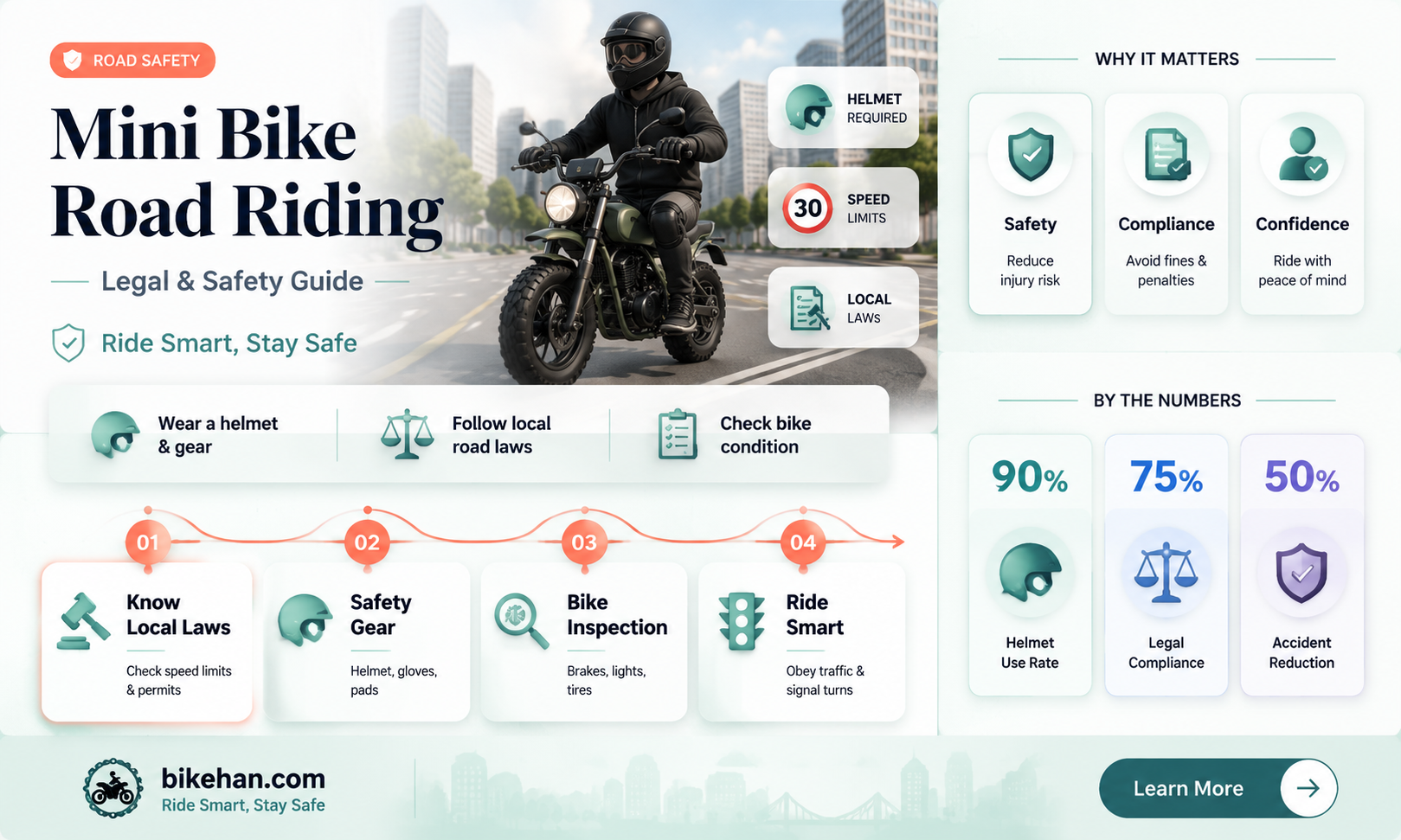
Riding a mini bike on the road is a topic that sparks curiosity among enthusiasts of these compact vehicles. Mini bikes, known for their small size and often electric or gas-powered engines, offer a unique mode of transportation that is both fun and practical for short distances. However, their suitability for road use is a subject of debate and varies depending on local laws and regulations. In this discussion, we'll explore the factors that determine whether mini bikes can be safely and legally ridden on public roads, including considerations of speed, safety features, and the rider's age and experience.
Explore related products


What You'll Learn
- Legal Requirements: Check local laws and regulations regarding mini bike usage on public roads
- Safety Gear: Essential protective equipment includes helmets, knee pads, and reflective clothing
- Road Conditions: Suitable for smooth, paved roads; avoid rough terrain or busy highways
- Visibility: Ensure you're visible to other road users with lights and bright clothing
- Riding Tips: Maintain a safe speed, be aware of surroundings, and follow traffic rules

Legal Requirements: Check local laws and regulations regarding mini bike usage on public roads
Before taking your mini bike onto public roads, it's crucial to understand the legal landscape surrounding their use. Laws and regulations vary significantly by location, and what's permissible in one area may be prohibited in another. Start by consulting your local Department of Motor Vehicles (DMV) or equivalent agency to inquire about specific rules governing mini bikes. They can provide detailed information on registration requirements, licensing, and any restrictions on where and when you can ride.
In many jurisdictions, mini bikes are subject to the same traffic laws as full-sized motorcycles, including speed limits, right-of-way rules, and requirements for safety equipment like helmets and lights. However, some areas may have additional regulations specific to mini bikes, such as age restrictions for riders or limitations on engine size. It's essential to familiarize yourself with these nuances to avoid legal issues and ensure safe operation.
One key aspect to investigate is whether your mini bike meets the necessary safety standards for road use. This may involve checking that it has functional brakes, lights, and turn signals, as well as ensuring that it complies with any applicable emissions regulations. If your mini bike doesn't meet these standards, you may need to make modifications or consider alternative transportation options.
Another important consideration is insurance. While not all jurisdictions require insurance for mini bikes, it's highly recommended to protect yourself and others in case of an accident. Check with your insurance provider to see if they offer coverage for mini bikes and what the terms and premiums would be.
Finally, be aware that even if mini bikes are legal on public roads in your area, there may be social and practical considerations to keep in mind. For example, mini bikes can be less visible to other drivers, increasing the risk of accidents. Additionally, their small size and limited speed may make them less suitable for certain types of roads or traffic conditions. Always exercise caution and use your best judgment when deciding whether and where to ride your mini bike.
Conquering Long Distances: The Ultimate Guide to Mountain Bike Touring
You may want to see also
Explore related products


Safety Gear: Essential protective equipment includes helmets, knee pads, and reflective clothing
Wearing appropriate safety gear is crucial when riding a mini bike on the road. Helmets are the most essential piece of protective equipment, as they can significantly reduce the risk of head injuries in the event of an accident. It's important to choose a helmet that fits properly and meets safety standards. Knee pads are another important item, as they can protect your knees from scrapes and bruises if you fall. Reflective clothing is also recommended, as it can increase your visibility to other road users, especially in low-light conditions.
When selecting safety gear, it's important to consider the specific needs of mini bike riding. For example, a helmet designed for skateboarding or BMX may not provide adequate protection for mini bike riding. Similarly, knee pads designed for gardening or construction work may not be suitable for mini bike riding. It's best to choose safety gear that is specifically designed for mini bike riding or similar activities.
In addition to helmets, knee pads, and reflective clothing, there are other safety gear items that may be useful for mini bike riding. These include elbow pads, wrist guards, and closed-toe shoes. Elbow pads can protect your elbows from scrapes and bruises if you fall, while wrist guards can help prevent wrist injuries. Closed-toe shoes are important for protecting your feet from injury and providing good traction on the pedals.
It's also important to consider the weather conditions when choosing safety gear. For example, if you're riding in rainy or wet conditions, you may want to wear waterproof clothing and shoes to stay dry. If you're riding in cold conditions, you may want to wear insulated clothing and gloves to stay warm.
Finally, it's important to remember that safety gear is not a substitute for safe riding practices. Always follow traffic rules, ride defensively, and be aware of your surroundings. By wearing appropriate safety gear and practicing safe riding habits, you can significantly reduce the risk of injury while enjoying the fun and freedom of mini bike riding.
Exploring Long-Distance Cycling on a Naked Bike: A Comprehensive Guide
You may want to see also
Explore related products


Road Conditions: Suitable for smooth, paved roads; avoid rough terrain or busy highways
Smooth, paved roads are ideal for mini bikes due to their small wheels and lightweight frames. These conditions allow for better control and stability, reducing the risk of accidents. On the other hand, rough terrain can be challenging for mini bikes as it may cause the wheels to get stuck or the bike to tip over. Busy highways are also not recommended for mini bikes as they are designed for low-speed travel and may not be able to keep up with the fast-moving traffic, increasing the risk of collisions.
When riding a mini bike on smooth, paved roads, it's important to follow traffic rules and regulations. This includes wearing appropriate safety gear such as helmets, knee pads, and elbow pads. Additionally, riders should be aware of their surroundings and watch out for obstacles such as potholes, debris, or pedestrians. It's also crucial to maintain a safe speed and avoid reckless maneuvers that could endanger the rider or others on the road.
In contrast, rough terrain or busy highways pose significant risks for mini bike riders. Rough terrain can cause the bike to become unstable, leading to falls or injuries. Busy highways, on the other hand, expose riders to high-speed traffic, which can be dangerous for those on small, low-powered vehicles. Therefore, it's essential to choose the right road conditions for mini bike riding to ensure a safe and enjoyable experience.
To summarize, mini bikes are best suited for smooth, paved roads where riders can maintain control and stability. Avoiding rough terrain and busy highways is crucial for safety reasons. By following traffic rules, wearing safety gear, and being aware of their surroundings, mini bike riders can enjoy a fun and safe riding experience on suitable road conditions.
Exploring the Limits: Long-Distance Cycling on a Hybrid Bike
You may want to see also
Explore related products


Visibility: Ensure you're visible to other road users with lights and bright clothing
Ensuring visibility is crucial when riding a mini bike on the road. One effective way to increase your visibility is by using lights on your bike. This includes both front and rear lights, which should be bright enough to be seen from a distance. Front lights are typically white, while rear lights are red. These lights not only make you more visible to other road users but also help you see the road ahead in low-light conditions.
In addition to lights, wearing bright clothing can significantly enhance your visibility. High-visibility vests, jackets, and helmets are designed to reflect light and make you stand out against the background. This is particularly important during dawn, dusk, and nighttime when natural light is limited. Bright clothing can also be beneficial in poor weather conditions, such as fog or heavy rain, when visibility is reduced.
Another aspect to consider is the use of reflective materials. Reflective tape or stickers can be added to your bike and clothing to further increase your visibility. These materials work by reflecting light back to its source, making you more noticeable to drivers and other road users.
It's also important to be aware of your surroundings and position yourself on the road in a way that maximizes your visibility. Avoid riding in blind spots and always signal your intentions clearly. By taking these steps, you can significantly reduce the risk of accidents and ensure a safer riding experience.
In summary, visibility is a critical factor when riding a mini bike on the road. By using lights, wearing bright clothing, and incorporating reflective materials, you can greatly enhance your visibility to other road users. Additionally, being mindful of your surroundings and signaling your intentions can further improve your safety.
Explore related products


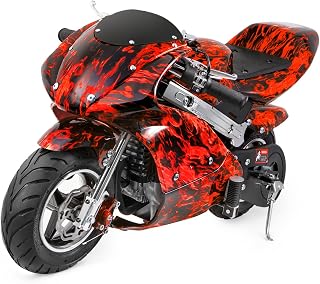

Riding Tips: Maintain a safe speed, be aware of surroundings, and follow traffic rules
Maintaining a safe speed is crucial when riding a mini bike on the road. These bikes, due to their smaller size and less powerful engines, can be more challenging to control at higher speeds. It's important to understand the capabilities of your mini bike and to never exceed the recommended speed limits. This not only ensures your safety but also the safety of other road users.
Being aware of your surroundings is equally important. Mini bikes are less visible to other drivers, so it's essential to stay alert and anticipate potential hazards. This includes being mindful of vehicles, pedestrians, and road conditions. Use your mirrors frequently, and always check your blind spots before making any maneuvers.
Following traffic rules is non-negotiable. Just because you're on a mini bike doesn't mean you're exempt from traffic laws. Obey all traffic signals, signs, and road markings. This includes stopping at red lights and stop signs, yielding to pedestrians, and staying within designated lanes. Failure to follow traffic rules not only puts you at risk but also undermines the safety and order of the road.
In addition to these tips, it's important to wear appropriate safety gear, such as a helmet, gloves, and reflective clothing, to increase your visibility and protect yourself in case of an accident. Always ensure your mini bike is in good working condition, with properly inflated tires, functioning brakes, and adequate lighting.
By adhering to these guidelines, you can enjoy riding your mini bike on the road while minimizing risks and ensuring a safe and enjoyable experience for yourself and others.
Frequently asked questions
Generally, mini bikes are not designed for road use and may not be street legal in many areas due to their small size, low speed, and lack of safety features required for road vehicles.
Safety concerns include the bike's low visibility to other road users, lack of protective features like seat belts or airbags, and the rider's vulnerability in traffic due to the bike's small size and low speed.
Yes, legal requirements vary by jurisdiction but typically include registration, licensing, and adherence to road safety regulations, which mini bikes often do not meet.
Alternatives include riding mini bikes on private property, in designated off-road areas, or on closed tracks where road safety regulations do not apply.
To determine if your mini bike is street legal, check with your local Department of Motor Vehicles (DMV) or equivalent authority for specific regulations regarding mini bikes in your area.