Matthew Brooks
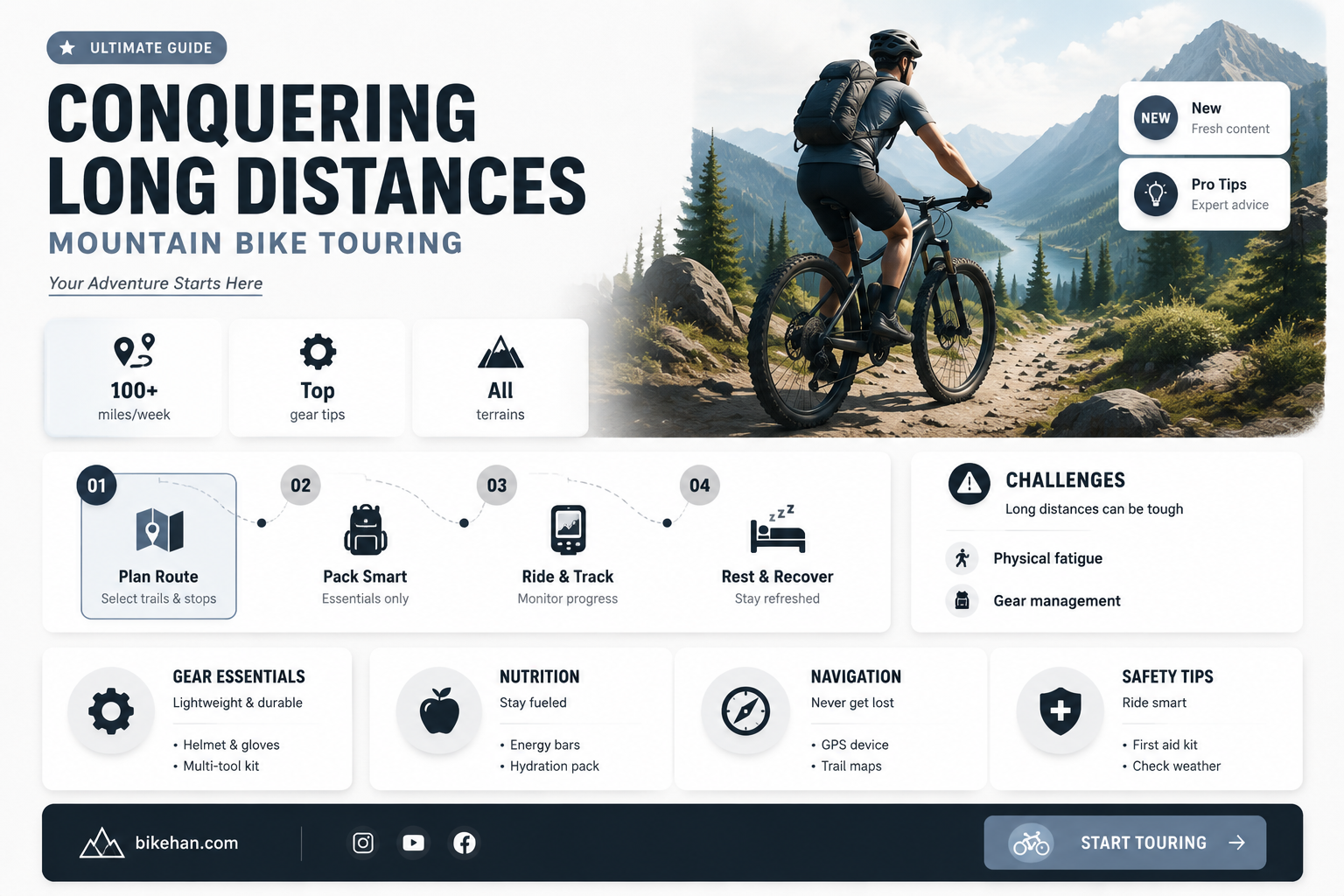
Mountain biking is an exhilarating outdoor activity that allows riders to explore rugged terrains and enjoy the thrill of off-road cycling. One common question among enthusiasts and beginners alike is whether it's feasible to ride long distances on a mountain bike. The answer is a resounding yes, but it requires careful planning, preparation, and the right equipment. Long-distance mountain biking, often referred to as bikepacking or adventure cycling, has gained popularity in recent years as more riders seek to push their limits and experience the beauty of nature over extended periods. With the proper setup, including a well-maintained bike, comfortable gear, and adequate supplies, riders can embark on epic journeys that span multiple days and cover hundreds of miles.
Explore related products

$18.95 $18.95

$14.92 $21.99


What You'll Learn
- Bike Setup: Adjusting your mountain bike for long-distance comfort and efficiency
- Endurance Training: Building the physical stamina needed for extended rides
- Nutrition and Hydration: Fueling your body and staying hydrated on long biking trips
- Safety and Maintenance: Ensuring your bike is safe and well-maintained for long journeys
- Route Planning: Tips for planning and navigating long-distance mountain biking routes

Bike Setup: Adjusting your mountain bike for long-distance comfort and efficiency
To optimize your mountain bike for long-distance rides, it's crucial to focus on a few key adjustments that can significantly enhance comfort and efficiency. First and foremost, consider the saddle height and position. Your saddle should be at a height where your leg is almost fully extended at the bottom of the pedal stroke, with just a slight bend in the knee. This position allows for maximum power transfer and reduces strain on the knees. Additionally, the saddle should be positioned horizontally so that your sit bones are directly over the pedals, promoting better weight distribution and reducing pressure points.
Next, pay attention to the handlebar height and reach. The handlebars should be at a comfortable height that allows you to maintain an upright riding position without straining your back or shoulders. The reach, or the distance from the saddle to the handlebars, should be such that your arms are slightly bent when gripping the bars. This setup helps in maintaining control over rough terrain while also reducing fatigue during long rides.
Another important aspect is the suspension setup. Mountain bikes typically have front suspension, and some models also feature rear suspension. Adjust the suspension according to your body weight and the type of terrain you'll be riding. A properly set up suspension absorbs shocks and bumps, providing a smoother ride and reducing the risk of injury.
Tire pressure and tread pattern also play a vital role in long-distance comfort and efficiency. Choose tires with a tread pattern suitable for the terrain you'll be riding, and adjust the tire pressure accordingly. Lower tire pressure provides better traction and a smoother ride on rough terrain, while higher pressure is more efficient on paved surfaces.
Finally, don't overlook the importance of proper hydration and nutrition during long rides. Install water bottle cages on your bike frame and carry enough water and snacks to keep you fueled and hydrated throughout your journey. Consider using a hydration pack for longer rides where carrying multiple water bottles may not be sufficient.
By making these adjustments and considering the specific needs of long-distance riding, you can transform your mountain bike into a comfortable and efficient machine capable of tackling extended trails and adventures.
Exploring the Limits: Long-Distance Cycling on a Hybrid Bike
You may want to see also
Explore related products


Endurance Training: Building the physical stamina needed for extended rides
To build the physical stamina needed for extended mountain bike rides, endurance training is crucial. This type of training focuses on improving your cardiovascular fitness, muscular endurance, and overall stamina, enabling you to ride longer distances without fatigue. A well-structured endurance training program will help you develop the necessary physical attributes to tackle challenging trails and enjoy your rides to the fullest.
One effective approach to endurance training for mountain biking is to incorporate a mix of steady-state cardio and high-intensity interval training (HIIT). Steady-state cardio involves maintaining a moderate intensity for an extended period, such as cycling at a consistent pace for 30-60 minutes. This type of training helps improve your cardiovascular efficiency and builds a strong aerobic base. On the other hand, HIIT involves short bursts of intense exercise followed by periods of rest or low-intensity activity. This type of training helps improve your anaerobic capacity, allowing you to tackle steep climbs and technical sections with more power and endurance.
In addition to cycling-specific training, it's also important to incorporate strength training and flexibility exercises into your endurance program. Strength training helps build the muscular endurance needed for long rides, while flexibility exercises help prevent injuries and improve your overall range of motion. Aim to include exercises that target your lower body, core, and upper body, such as squats, lunges, planks, and push-ups.
When designing your endurance training program, it's essential to consider your current fitness level, goals, and available time. Start by assessing your current fitness level through a combination of self-assessment and fitness testing. This will help you identify areas for improvement and set realistic goals for your training program. Once you have established your goals, create a training schedule that includes a mix of steady-state cardio, HIIT, strength training, and flexibility exercises. Be sure to allow for adequate rest and recovery time, as this is when your body adapts and improves.
Finally, remember to stay hydrated and fuel your body properly during your training sessions. Drink plenty of water and consume a balanced diet that includes carbohydrates, protein, and healthy fats. This will help you maintain your energy levels and support your body's recovery process. With a well-structured endurance training program, you'll be able to build the physical stamina needed for extended mountain bike rides and enjoy the great outdoors to the fullest.
Explore related products


Nutrition and Hydration: Fueling your body and staying hydrated on long biking trips
To perform optimally on long biking trips, it's crucial to understand the role of nutrition and hydration. Your body requires a balance of carbohydrates, proteins, and fats to sustain energy levels over extended periods. Carbohydrates are the primary fuel source for endurance activities like biking, so it's essential to consume adequate amounts before and during your ride. Aim for complex carbohydrates such as whole grains, fruits, and vegetables, which provide a steady release of energy. Proteins are vital for muscle repair and recovery, especially on longer trips where muscle fatigue can become an issue. Include lean protein sources like chicken, fish, or plant-based options in your pre-ride and post-ride meals. Fats, particularly healthy fats like those found in nuts, seeds, and avocados, can also contribute to sustained energy and help with the absorption of fat-soluble vitamins.
Hydration is equally critical, as even mild dehydration can impair performance and lead to cramping or fatigue. Start hydrating well before your ride and aim to drink water or an electrolyte-rich sports drink at regular intervals throughout. The general guideline is to drink about 16-24 ounces of fluid per hour, but this can vary depending on factors like temperature, humidity, and individual sweat rates. Electrolytes like sodium, potassium, and magnesium are lost through sweat and are essential for maintaining proper muscle function and preventing cramps. Consider using electrolyte tablets or powders in your water bottle to replenish these minerals.
During long rides, it's also important to consume calories to match your energy expenditure. Energy gels, bars, and chews are convenient options that can provide a quick source of carbohydrates and electrolytes. However, be cautious not to rely solely on these products, as they can be high in sugar and may cause digestive issues in some individuals. Instead, aim for a mix of whole foods and supplements to ensure you're getting a balanced intake of nutrients.
In addition to fueling your body, proper nutrition and hydration can also help with recovery after long biking trips. Consuming a meal rich in carbohydrates and protein within 30-60 minutes post-ride can aid in muscle recovery and replenish glycogen stores. Including anti-inflammatory foods like berries, leafy greens, and fatty fish in your diet can also help reduce muscle soreness and speed up the recovery process.
Remember, individual needs may vary, so it's important to experiment with different nutrition and hydration strategies during training rides to find what works best for you. By prioritizing proper fueling and hydration, you can enhance your performance, reduce the risk of injury or illness, and enjoy a more comfortable and successful long-distance biking experience.
Explore related products


Safety and Maintenance: Ensuring your bike is safe and well-maintained for long journeys
Regular maintenance is crucial to ensure your mountain bike remains safe and reliable for long-distance rides. Start by inspecting your bike before each journey, checking the tire pressure, brake function, and chain condition. For extended trips, it's advisable to carry a basic tool kit, including a pump, spare tubes, a multi-tool, and chain lubricant. Familiarize yourself with common repairs, such as fixing a flat tire or adjusting the brakes, to handle minor issues on the go.
In addition to pre-ride checks, establish a routine maintenance schedule. Every 100-200 miles, clean and lubricate the chain, check the brake pads for wear, and inspect the tires for any signs of damage. Periodically, have your bike professionally serviced to ensure all components are in good working order. This includes checking the wheel trueness, adjusting the derailleurs, and inspecting the frame for any cracks or damage.
Safety gear is essential for long-distance mountain biking. Always wear a helmet, and consider additional protection such as knee and elbow pads, especially if you're riding on technical trails. Visibility is also important, so equip your bike with front and rear lights, and wear reflective clothing if you're riding in low-light conditions.
When planning long journeys, consider the terrain and weather conditions. Research the trail ahead of time, and be prepared for any challenges you might encounter. Carry enough water and food, and plan your route to include rest stops and potential bailout points. If you're riding in remote areas, inform someone of your planned route and expected return time.
Finally, listen to your body and your bike. If you're feeling fatigued or experiencing any discomfort, take a break and assess the situation. Similarly, if your bike is making unusual noises or feels off, stop and investigate. By staying attentive and proactive, you can prevent minor issues from becoming major problems and ensure a safe and enjoyable long-distance mountain biking experience.
Explore related products


Route Planning: Tips for planning and navigating long-distance mountain biking routes
Planning a long-distance mountain biking route requires meticulous attention to detail and a strategic approach. Begin by selecting a destination that aligns with your skill level and interests, ensuring it offers the type of terrain and challenge you're seeking. Utilize online resources and mapping tools to plot your course, taking into account factors such as elevation gain, trail conditions, and potential hazards.
Once your route is established, break it down into manageable segments, identifying key waypoints and rest stops along the way. This will help you gauge your progress and make adjustments as needed. Consider the weather forecast and plan your ride accordingly, being prepared for changing conditions and potential delays.
Navigation is a critical aspect of long-distance mountain biking. Invest in a reliable GPS device or smartphone mount, and familiarize yourself with the route before embarking on your journey. Carry a physical map as a backup, and be prepared to use your compass skills if technology fails.
Nutrition and hydration are essential for sustaining energy levels during extended rides. Plan your meals and water stops in advance, and pack snacks that are high in calories and easy to consume on the go. Don't forget to bring a first-aid kit and basic repair tools, as well as a means of communication in case of emergencies.
Finally, be mindful of your physical and mental limits. Long-distance mountain biking can be grueling, both physically and mentally, so it's important to pace yourself and take breaks when needed. Celebrate your accomplishments along the way, and remember that the journey is just as important as the destination.