Samantha Lee

Riding on the highway with a bike rack is a common practice for cyclists who need to transport their bicycles over long distances. Bike racks are devices that attach to the back or front of a vehicle, allowing cyclists to securely carry their bikes without having to ride the entire distance. This can be particularly useful for those who live in areas not well-connected by bike paths or for those who wish to explore cycling routes that are beyond a reasonable riding distance from their homes. However, there are important safety considerations and legal requirements to keep in mind when using a bike rack on the highway.
Explore related products


What You'll Learn
- Safety Considerations: Ensuring the bike rack is securely attached and the bicycle is properly mounted to prevent accidents
- Legal Requirements: Checking local and state laws regarding the use of bike racks on highways and any specific regulations
- Visibility and Signaling: Using additional lights or reflectors on the bike rack to increase visibility to other drivers, especially at night
- Impact on Vehicle Handling: Understanding how the added weight and wind resistance of a bike rack can affect the vehicle's performance and fuel efficiency
- Alternative Transportation Options: Exploring other methods of transporting bicycles, such as using a trailer or inside the vehicle, for comparison

Safety Considerations: Ensuring the bike rack is securely attached and the bicycle is properly mounted to prevent accidents
Ensuring the bike rack is securely attached to your vehicle is paramount to prevent accidents and mishaps while driving. Start by checking the compatibility of the bike rack with your car's make and model. Most bike racks come with specific instructions for installation, which should be followed meticulously. For roof-mounted racks, ensure that the crossbars are properly secured and that the rack is centered on the roof to maintain balance. For hitch-mounted racks, verify that the hitch receiver is the correct size and that the rack is locked into place with a safety pin or bolt.
Once the bike rack is installed, it's crucial to mount the bicycle correctly. For most racks, this involves placing the bike's wheels in the designated slots and securing them with straps or clamps. Make sure the straps are tight enough to prevent the bike from moving but not so tight that they damage the wheels or frame. Additionally, some racks may require you to remove the front wheel and attach it separately to prevent it from hitting the car or other objects while driving.
Regular maintenance and checks are essential to ensure ongoing safety. Before each trip, inspect the bike rack and bicycle to ensure everything is still securely in place. Check for any signs of wear or damage, such as rusted parts or frayed straps, and replace them as necessary. It's also a good idea to periodically clean the bike rack and bicycle to remove dirt and debris that could affect their performance.
In addition to proper installation and maintenance, there are several other safety considerations to keep in mind. Always drive at a safe speed and avoid sudden maneuvers that could cause the bike to shift or fall off the rack. Be aware of your surroundings and give yourself extra space when turning or changing lanes to account for the added length and width of the bike rack. Finally, use caution when parking or storing your vehicle to prevent theft or damage to the bike and rack.
By following these safety guidelines, you can help ensure that your bike rack and bicycle are securely attached and properly mounted, reducing the risk of accidents and allowing you to enjoy a safe and enjoyable cycling experience.
Exploring the Possibilities: Riding Motorized Bikes Without the Motor
You may want to see also
Explore related products

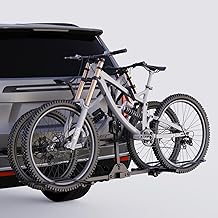


Legal Requirements: Checking local and state laws regarding the use of bike racks on highways and any specific regulations
Before hitting the highway with your bike rack, it's crucial to understand the legal landscape surrounding its use. Laws vary significantly from state to state, and even local jurisdictions may have their own regulations. For instance, some states may require specific safety features on bike racks, such as reflectors or lights, while others may have restrictions on the types of roads where bike racks can be used.
To ensure compliance, start by researching your state's Department of Transportation (DOT) website for specific guidelines on bike rack usage. Look for information on permitted locations, safety requirements, and any necessary permits or registrations. Additionally, check with local law enforcement agencies for any municipal codes or ordinances that may apply.
It's also important to consider the potential impact of bike racks on traffic flow and safety. Some states may have laws regarding the maximum width or height of vehicles on highways, which could affect the use of certain bike racks. Furthermore, be aware of any regulations concerning the securement of bicycles to ensure they don't become a hazard to other drivers.
In summary, navigating the legal requirements for using bike racks on highways involves a thorough understanding of both state and local laws. By taking the time to research and comply with these regulations, you can ensure a safe and lawful journey for both yourself and other road users.
Street Legal: The Do's and Don'ts of Mountain Biking on Paved Roads
You may want to see also
Explore related products


Visibility and Signaling: Using additional lights or reflectors on the bike rack to increase visibility to other drivers, especially at night
To enhance visibility and signaling when riding with a bike rack on the highway, especially at night, it's crucial to use additional lights or reflectors. This not only increases your visibility to other drivers but also ensures your safety and the safety of others on the road. Here are some practical tips to consider:
- Types of Lights and Reflectors: There are various types of lights and reflectors available for bike racks. You can choose from LED lights, which are energy-efficient and have a long lifespan, or traditional incandescent bulbs. Reflectors come in different shapes and sizes, and some are even designed to be mounted on the spokes of your bike's wheels.
- Placement of Lights and Reflectors: The placement of lights and reflectors is critical for maximum visibility. Ideally, you should place lights on the front and back of your bike rack. Reflectors should be placed on the sides of the rack, as well as on the front and back. This ensures that your bike is visible from all angles, especially in low-light conditions.
- Color of Lights and Reflectors: The color of your lights and reflectors can also impact your visibility. White lights are generally the most visible, but you can also use red or amber lights to increase your visibility from different angles. Reflectors are typically white or silver, but you can also find them in other colors like red or yellow.
- Maintenance of Lights and Reflectors: Regular maintenance of your lights and reflectors is essential to ensure they are functioning properly. Check your lights before each ride to make sure they are working, and replace any bulbs that are burnt out. Clean your reflectors regularly to remove any dirt or debris that may reduce their effectiveness.
- Additional Tips for Night Riding: In addition to using lights and reflectors, there are other tips you can follow to increase your visibility and safety when riding at night. Wear reflective clothing or accessories, use hand signals to communicate with other drivers, and always ride in the same direction as traffic.
By following these tips, you can significantly increase your visibility and signaling when riding with a bike rack on the highway at night. This not only enhances your safety but also contributes to a safer road environment for all users.
Exploring the Rules: Mopeds on Bike Trails - A Comprehensive Guide
You may want to see also
Explore related products


Impact on Vehicle Handling: Understanding how the added weight and wind resistance of a bike rack can affect the vehicle's performance and fuel efficiency
The addition of a bike rack to a vehicle introduces several factors that can impact its handling and performance. Primarily, the added weight at the rear of the vehicle can alter its balance and dynamics. This change in weight distribution can lead to reduced stability, especially during high-speed maneuvers or sudden turns. Drivers may notice a difference in how the vehicle responds to steering inputs, potentially requiring more effort to maintain control.
Wind resistance is another significant factor to consider. A bike rack, particularly one that is not aerodynamically designed, can create additional drag. This increased drag can reduce fuel efficiency, as the engine must work harder to overcome the resistance. The effect on fuel economy can be more pronounced at higher speeds, where the impact of wind resistance is magnified.
To mitigate these effects, it is essential to choose a bike rack that is both lightweight and aerodynamically efficient. Modern bike racks are often designed with these considerations in mind, featuring streamlined shapes and materials that minimize weight. Additionally, proper installation and securing of the bike rack can help ensure that it does not adversely affect the vehicle's handling.
Drivers should also be aware of the potential changes in their vehicle's performance and adjust their driving accordingly. This may include reducing speed, allowing more distance for braking, and being more cautious during turns. By understanding and compensating for the impacts of a bike rack, drivers can maintain safety and efficiency while transporting their bicycles.
Mini Bikes on Sidewalks: A Comprehensive Guide to Safe Riding
You may want to see also
Explore related products


Alternative Transportation Options: Exploring other methods of transporting bicycles, such as using a trailer or inside the vehicle, for comparison
While bike racks are a popular choice for transporting bicycles, they're not the only option available. For those who prefer not to use a bike rack or are looking for alternative methods, there are several other ways to transport your bicycle safely and efficiently.
One option is to use a trailer specifically designed for carrying bicycles. These trailers can be towed behind a vehicle and typically have space for multiple bikes. They offer the advantage of keeping your bicycles secure and protected from the elements, and they don't require any additional attachments to your vehicle. However, they can be more expensive than bike racks and may affect your vehicle's fuel efficiency.
Another alternative is to transport your bicycle inside your vehicle. This method is ideal for those who have a larger vehicle, such as an SUV or a minivan, with enough space to accommodate a bike. You can either place the bike in the cargo area or, if you have a pickup truck, in the bed. To ensure safety, it's important to secure the bike properly to prevent it from moving around during transit. This can be done using straps or bungee cords. Keep in mind that this method may require some disassembly of your bike, such as removing the wheels or pedals, to fit it inside your vehicle.
For those who prefer a more eco-friendly option, consider using a cargo bike or a bike trailer that can be attached to your bicycle. These options allow you to transport your bike without the need for a vehicle. Cargo bikes are designed to carry heavy loads, including bicycles, and can be a great choice for short trips or commuting. Bike trailers, on the other hand, can be attached to your bike and used to transport another bike or other gear. They're a good option for those who need to transport their bike over longer distances but don't want to use a vehicle.
When choosing an alternative transportation method for your bicycle, it's important to consider factors such as cost, convenience, and safety. Each method has its own advantages and disadvantages, so it's essential to weigh your options carefully and choose the one that best suits your needs and preferences.
Exploring Myakka State Park: Motorized Bikes Welcome or Not?
You may want to see also
Frequently asked questions
Generally, you cannot ride a bike on the highway itself, but you can transport your bike using a bike rack attached to your vehicle.
Ensure the bike rack is securely attached to your vehicle, the bike is properly fastened to the rack, and all lights and signals on your vehicle are functioning correctly. Additionally, avoid sudden maneuvers and check your mirrors frequently.
Legal restrictions vary by location, but most areas allow the use of bike racks on highways as long as they do not obstruct the driver's view or pose a safety hazard. Always check local laws before traveling.
Hitch-mounted bike racks are typically the most secure option for highway use, as they attach directly to your vehicle's hitch. Roof-mounted racks are also an option, but they may affect your vehicle's aerodynamics and fuel efficiency.
Remove any loose items from your bike, such as water bottles or bags. Secure the bike to the rack using straps or locks, and ensure the wheels are properly aligned. It's also a good idea to cover your bike with a protective cover to prevent damage from road debris.