Megan Blake
Proper tire pressure is crucial for ensuring a safe and comfortable ride for children on their bikes. The right tire pressure can vary depending on several factors, including the type of bike, the weight of the child, and the riding conditions. Generally, for most kids' bikes, a tire pressure of 30-50 PSI (pounds per square inch) is recommended. However, it's always best to check the specific recommendations provided by the bike manufacturer, as they may have tailored suggestions based on the bike's design and intended use. Maintaining the correct tire pressure not only enhances the bike's performance but also helps prevent accidents caused by underinflated or overinflated tires. Regularly checking and adjusting the tire pressure can ensure that your child's bike is always ready for a safe and enjoyable ride.
Explore related products


What You'll Learn
- Age and Size Considerations: Different ages and bike sizes require varying tire pressures for optimal performance and safety
- Type of Bike: Mountain bikes, road bikes, and hybrid bikes for kids may need different tire pressures based on terrain
- Inflation Tools: Using a floor pump, hand pump, or CO2 inflator to achieve the correct pressure safely and efficiently
- Pressure Checking: Regularly checking tire pressure with a gauge to ensure it remains at the recommended level for safety
- Environmental Factors: Adjusting tire pressure based on weather conditions and riding surfaces for better traction and control

Age and Size Considerations: Different ages and bike sizes require varying tire pressures for optimal performance and safety
As children grow, their bicycles need to adapt to their changing size and strength. This includes adjusting the tire pressure to ensure optimal performance and safety. For younger children, typically aged 3-6, who are just learning to ride, a lower tire pressure of around 20-25 PSI is recommended. This provides a softer ride, better traction, and helps prevent punctures from small obstacles like pebbles or twigs.
For older children, aged 7-12, who are more experienced riders and may be tackling more challenging terrain, a higher tire pressure of around 30-35 PSI is suitable. This firmer pressure improves pedaling efficiency, reduces the risk of tire blowouts, and provides better stability at higher speeds.
It's important to note that these are general guidelines, and the optimal tire pressure may vary depending on the specific bike model, the child's weight, and the type of terrain they will be riding on. Parents should always consult the bike manufacturer's recommendations and adjust the tire pressure accordingly.
Regularly checking and adjusting the tire pressure is crucial for maintaining the bike's performance and safety. Underinflated tires can lead to a sluggish ride, increased risk of punctures, and even accidents. Overinflated tires can result in a harsh ride, reduced traction, and increased wear on the tires.
In addition to tire pressure, parents should also ensure that the bike's other components, such as the brakes and gears, are properly adjusted and maintained. This will help provide a safe and enjoyable riding experience for children of all ages and sizes.
Decoding the Mystery: What's Inside Kenda Bike Tires?
You may want to see also
Explore related products


Type of Bike: Mountain bikes, road bikes, and hybrid bikes for kids may need different tire pressures based on terrain
Mountain bikes, road bikes, and hybrid bikes each require different tire pressures to ensure optimal performance and safety for young riders. For mountain bikes, which are designed to handle rough and uneven terrain, a lower tire pressure is generally recommended. This allows the tires to better absorb shocks and maintain traction on loose surfaces such as dirt, gravel, and mud. Typically, mountain bike tires for kids should be inflated to a pressure range of 20-30 PSI (pounds per square inch), depending on the specific model and the weight of the rider.
In contrast, road bikes are built for smooth, paved surfaces and require higher tire pressures to reduce rolling resistance and improve speed. For kids' road bikes, a tire pressure of 40-60 PSI is usually appropriate. This higher pressure helps to prevent punctures and ensures that the bike handles well on paved roads and paths.
Hybrid bikes, which combine elements of both mountain and road bikes, offer versatility for a variety of terrains. The ideal tire pressure for a hybrid bike depends on the specific use case. For primarily on-road use, a higher pressure of 35-50 PSI is recommended, while for off-road or mixed terrain, a lower pressure of 25-35 PSI may be more suitable.
It's important for parents and guardians to regularly check and adjust the tire pressure on their child's bike to ensure it is appropriate for the type of bike and the terrain it will be ridden on. Proper tire pressure not only enhances performance but also contributes to a safer and more enjoyable riding experience for kids.
Understanding Inflation: A Guide to Hybrid Bike Tire Pressure
You may want to see also
Explore related products


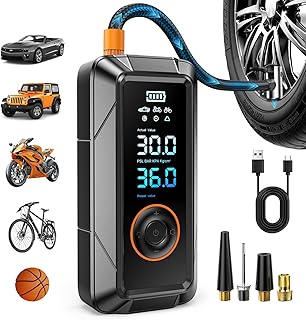
Inflation Tools: Using a floor pump, hand pump, or CO2 inflator to achieve the correct pressure safely and efficiently
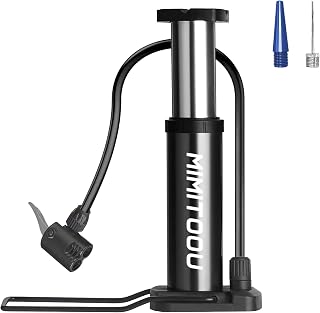
To inflate a kid's bike tire safely and efficiently, you have several tools at your disposal: a floor pump, a hand pump, or a CO2 inflator. Each tool has its advantages and is suited for different situations. A floor pump is ideal for at-home use due to its stability and ease of use. It allows for precise control over the inflation process, making it easier to reach the recommended tire pressure. To use a floor pump, attach the hose to the tire valve, place the pump on a flat surface, and push down on the handle to inflate the tire. Check the pressure gauge regularly to ensure you don't overinflate.
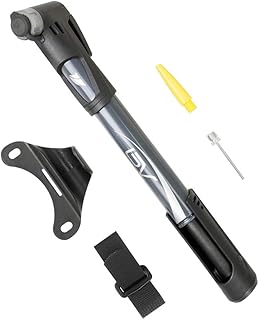
A hand pump is a portable alternative that's great for on-the-go situations. It's smaller and lighter than a floor pump, making it easy to carry in a backpack or attach to the bike frame. To use a hand pump, connect it to the tire valve and squeeze the handle to inflate the tire. While hand pumps require more effort than floor pumps, they're still effective for achieving the correct tire pressure. Just be sure to check the pressure gauge frequently to avoid overinflating.
CO2 inflators are the quickest and most convenient option for inflating a kid's bike tire. They use a cartridge of compressed CO2 to rapidly inflate the tire. To use a CO2 inflator, attach the hose to the tire valve, insert a CO2 cartridge, and press the lever to release the gas. CO2 inflators are particularly useful for emergency situations or when you're short on time. However, they can be more expensive than traditional pumps and may not provide as much control over the inflation process.
Regardless of the tool you choose, it's important to follow some general safety guidelines when inflating a kid's bike tire. Always make sure the tire is properly seated on the rim before inflating. Inflate the tire to the recommended pressure, which is usually printed on the sidewall of the tire. Avoid overinflating, as this can lead to a harsh ride and increased risk of punctures. Finally, always supervise children when they're using inflation tools to ensure their safety.
In summary, choosing the right inflation tool for a kid's bike tire depends on your specific needs and preferences. Whether you opt for a floor pump, hand pump, or CO2 inflator, following proper safety guidelines and checking the tire pressure regularly will help ensure a safe and enjoyable riding experience for your child.
Exploring the Unique Features of Folding Bead Fat Bike Tires
You may want to see also
Explore related products




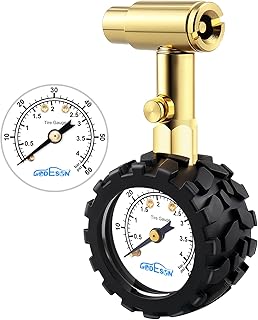
Pressure Checking: Regularly checking tire pressure with a gauge to ensure it remains at the recommended level for safety
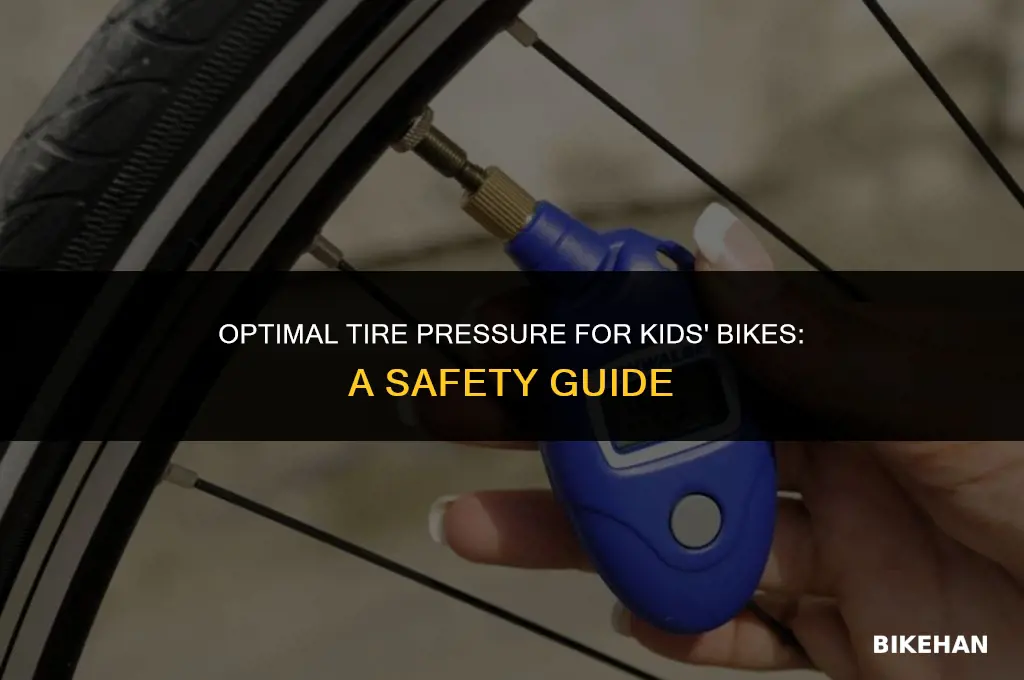
Regularly checking tire pressure is crucial for maintaining the safety and performance of a child's bicycle. This simple yet essential task can prevent accidents and ensure a smooth riding experience. To check the tire pressure, you'll need a bicycle tire pressure gauge, which can be purchased at most bike shops or sporting goods stores.
Start by removing the valve cap from the tire's valve stem. Then, press the gauge onto the valve stem until you hear a hissing sound, indicating that the gauge is properly attached. Read the pressure displayed on the gauge and compare it to the recommended tire pressure for your child's bike, which is typically printed on the sidewall of the tire or listed in the bike's manual.
If the tire pressure is too low, use a bicycle pump to inflate the tire to the recommended level. Be sure to check the pressure again after inflating to ensure it's at the correct level. Overinflating the tire can be just as dangerous as underinflating, as it can lead to a harsh ride and increased risk of punctures.
It's important to check tire pressure regularly, as it can fluctuate due to changes in temperature and humidity. A good rule of thumb is to check the tire pressure at least once a month and before any long rides. By staying on top of tire pressure checks, you can help ensure your child's bike is always safe and ready to ride.
Exploring the World of Lightweight Fat Tire Bikes: A Comprehensive Guide
You may want to see also
Explore related products



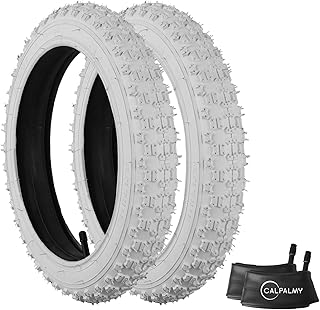
Environmental Factors: Adjusting tire pressure based on weather conditions and riding surfaces for better traction and control
Riding a bike in various weather conditions and on different surfaces requires adjustments to ensure optimal performance and safety. One crucial factor to consider is tire pressure. Adjusting tire pressure based on environmental factors can significantly impact traction and control, especially for kids' bikes.
In wet or muddy conditions, lower tire pressure can improve grip by increasing the contact area between the tire and the surface. This allows for better traction and reduces the risk of slipping. However, it's essential to avoid over-deflating the tires, as this can lead to a "squishy" feel and make it difficult for the rider to maintain control.
On the other hand, riding on hard, dry surfaces like concrete or asphalt typically requires higher tire pressure. This reduces rolling resistance, making it easier for the rider to pedal and maintain speed. It also helps prevent tire damage from sharp objects or debris on the surface.
When riding on uneven or off-road terrain, a moderate tire pressure is often best. This provides a balance between traction and shock absorption, allowing the rider to navigate bumps and obstacles more comfortably. It's important to note that tire pressure should be adjusted gradually and tested on different surfaces to find the optimal setting for each rider.
In addition to weather conditions and riding surfaces, other factors like the rider's weight and riding style should also be considered when adjusting tire pressure. Regularly checking and maintaining proper tire pressure is essential for ensuring a safe and enjoyable riding experience for kids.
Decoding Bike Tire Sizes: A Comprehensive Guide for Cyclists
You may want to see also
Frequently asked questions
The recommended tire pressure for a child's bike typically ranges from 30 to 50 PSI (pounds per square inch), depending on the bike's size and the type of tires it has.
You can find the correct tire pressure for your child's bike by checking the tire sidewall for a label indicating the recommended pressure range. Alternatively, you can consult the bike's user manual or contact the manufacturer for guidance.
Maintaining the correct tire pressure on a child's bike is important for several reasons. Properly inflated tires provide better traction and control, making the bike safer to ride. They also help prevent tire damage and punctures, and ensure a smoother, more comfortable ride for the child.
If the tire pressure on a child's bike is too low, the tires may not provide enough support, leading to a "squishy" feeling when riding and an increased risk of tire damage or punctures. If the tire pressure is too high, the tires may become overly rigid, resulting in a harsher ride and reduced traction on uneven surfaces.
It's a good idea to check the tire pressure on your child's bike regularly, ideally before each ride. Tire pressure can fluctuate due to changes in temperature and other factors, so it's important to ensure that the tires are properly inflated to maintain safety and performance.