Ryan Cole
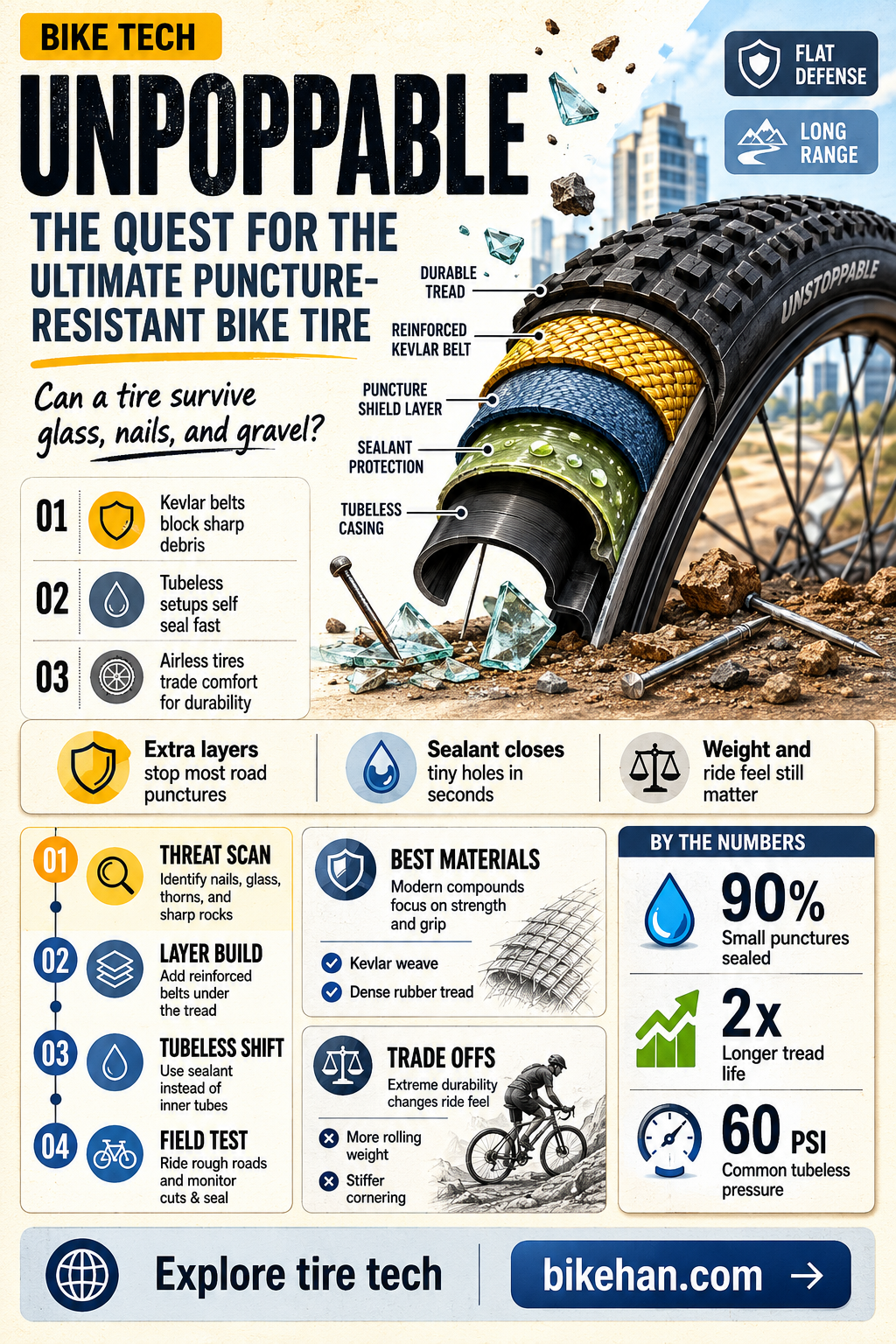
When it comes to cycling, one of the most common and frustrating issues riders face is dealing with punctures. A puncture can not only disrupt a ride but also pose safety risks, especially if it occurs at high speeds or in remote areas. Therefore, finding the most puncture-resistant bike tire is a top priority for many cyclists. In this article, we will delve into the world of bike tires, exploring the various technologies and materials used to enhance puncture resistance. We will discuss the leading brands and models known for their durability, as well as provide insights into how to choose the right tire for your specific needs and riding conditions. Whether you're a daily commuter, a long-distance touring cyclist, or an off-road enthusiast, this guide will help you make an informed decision to minimize the risk of punctures and maximize your riding enjoyment.
Explore related products



What You'll Learn
- Material Composition: Exploring the types of materials used in puncture-resistant tires, such as Kevlar, nylon, and polyester
- Tire Pressure: Discussing the impact of tire pressure on puncture resistance and overall bike performance
- Tread Patterns: Analyzing how different tread patterns contribute to a tire's ability to resist punctures from various road debris
- Sidewall Strength: Evaluating the importance of strong sidewalls in preventing punctures and enhancing tire durability
- Popular Brands: Reviewing well-known brands that specialize in producing puncture-resistant bike tires, such as Schwalbe and Vittoria

Material Composition: Exploring the types of materials used in puncture-resistant tires, such as Kevlar, nylon, and polyester
Kevlar, a high-strength synthetic fiber, is one of the most popular materials used in puncture-resistant tires. It is known for its exceptional tensile strength, which is five times that of steel, and its resistance to abrasion and cuts. Kevlar fibers are woven into the tire's carcass, creating a protective layer that can significantly reduce the risk of punctures. This material is also lightweight, which is an important consideration for cyclists who want to maintain speed and efficiency.
Nylon is another synthetic fiber commonly used in puncture-resistant tires. It is known for its durability, elasticity, and resistance to abrasion. Nylon fibers are often used in combination with other materials, such as Kevlar, to create a more robust and puncture-resistant tire. Nylon is also relatively lightweight and can help to improve the tire's overall performance.
Polyester is a synthetic fiber that is known for its strength, durability, and resistance to stretching. It is often used in puncture-resistant tires as a reinforcing material, providing additional protection against cuts and abrasions. Polyester fibers are also resistant to moisture and can help to prevent the tire from becoming waterlogged, which can lead to punctures.
In addition to these synthetic fibers, some puncture-resistant tires also incorporate natural materials, such as rubber and silica. Rubber is used to create the tire's tread and sidewalls, providing grip and protection against the elements. Silica is often added to the rubber compound to improve the tire's puncture resistance and reduce rolling resistance.
When choosing a puncture-resistant tire, it is important to consider the specific needs of the cyclist. For example, a cyclist who rides on rough terrain may require a tire with more aggressive tread and additional puncture protection, while a cyclist who rides on smooth roads may prefer a tire with less tread and a focus on speed and efficiency. By understanding the different materials used in puncture-resistant tires, cyclists can make an informed decision about which tire is best suited for their needs.
Exploring the Largest Fat Bike Tires: A Comprehensive Guide
You may want to see also
Explore related products
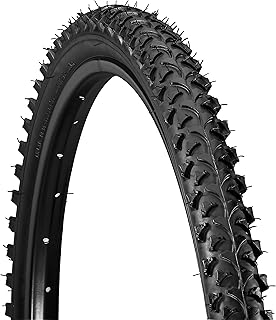


Tire Pressure: Discussing the impact of tire pressure on puncture resistance and overall bike performance
Proper tire pressure is crucial for both puncture resistance and overall bike performance. Underinflated tires are more susceptible to punctures because they have a larger contact patch with the road, increasing the likelihood of encountering sharp objects. Additionally, low tire pressure can lead to increased rolling resistance, making it harder to pedal and reducing the bike's efficiency.
On the other hand, overinflated tires can also be problematic. While they may reduce the risk of punctures due to a smaller contact patch, they can make the ride harsher and less comfortable. Overinflated tires can also lead to a loss of traction, especially on rough or wet surfaces, which can compromise safety.
The optimal tire pressure for puncture resistance and performance depends on several factors, including the type of bike, the rider's weight, and the riding conditions. For road bikes, a tire pressure of around 100-120 psi is typically recommended, while mountain bikes may require lower pressures of around 30-50 psi to provide better traction on off-road terrain.
It's important to regularly check and adjust tire pressure to ensure optimal performance and puncture resistance. Using a tire pressure gauge can help ensure accurate readings, and investing in a pump with a pressure gauge can make it easier to maintain the correct pressure.
In addition to proper tire pressure, there are other factors that can affect puncture resistance, such as the type of tire material and tread pattern. Choosing tires with a durable rubber compound and a tread pattern designed for the specific riding conditions can also help reduce the risk of punctures.
Overall, maintaining proper tire pressure is a simple yet effective way to improve puncture resistance and overall bike performance. By understanding the impact of tire pressure and taking steps to maintain the correct levels, cyclists can enjoy a safer and more efficient ride.
Optimal Bike Tire Pressure: A Comprehensive Guide for Cyclists
You may want to see also
Explore related products


Tread Patterns: Analyzing how different tread patterns contribute to a tire's ability to resist punctures from various road debris
The tread pattern on a bike tire plays a crucial role in its ability to resist punctures from road debris. Different tread patterns can significantly impact the tire's durability and performance on various surfaces. For instance, a tire with a tight, uniform tread pattern may offer better puncture resistance on smooth roads but could struggle on rough or uneven terrain. Conversely, a tire with a more aggressive, knobby tread pattern might excel on off-road trails but could be more susceptible to punctures from sharp objects on paved surfaces.
One key factor in puncture resistance is the tire's ability to distribute the force of an impact across a larger area. Tread patterns that feature wider, more spaced-out knobs can help to disperse the energy of a puncture, reducing the likelihood of a sharp object penetrating the tire. Additionally, some tread patterns incorporate reinforced sidewalls or extra layers of material in high-risk areas, such as the center of the tread, to provide an extra layer of protection against punctures.
Another important consideration is the tire's compound, which refers to the type of rubber used in its construction. Softer rubber compounds can provide better grip and traction but may be more prone to punctures, while harder compounds offer increased durability and puncture resistance but may sacrifice some grip. Some tires use a combination of different rubber compounds in their tread patterns to achieve a balance between grip and puncture resistance.
When choosing a bike tire for puncture resistance, it's essential to consider the specific riding conditions and the type of debris you're likely to encounter. For example, if you primarily ride on smooth, paved roads, a tire with a tight, uniform tread pattern and a harder rubber compound may be the best choice. However, if you frequently ride on rough trails or in areas with a lot of loose gravel or debris, a tire with a more aggressive tread pattern and a softer rubber compound may provide better protection against punctures.
In conclusion, the tread pattern on a bike tire is a critical factor in its ability to resist punctures from road debris. By understanding the different types of tread patterns and their impact on puncture resistance, cyclists can make informed decisions when choosing the most suitable tire for their riding conditions.
Understanding Mini Bike Tire Brakes: A Comprehensive Guide
You may want to see also
Explore related products


Sidewall Strength: Evaluating the importance of strong sidewalls in preventing punctures and enhancing tire durability
The sidewall of a bicycle tire is a critical component often overlooked in the quest for puncture resistance. While many focus on the tread and puncture protection layers, the sidewall plays a pivotal role in maintaining the tire's integrity and preventing punctures. Strong sidewalls are essential for several reasons. Firstly, they provide structural support to the tire, helping it maintain its shape and withstand the forces exerted during riding. This is particularly important when navigating rough terrain or carrying heavy loads, as a weak sidewall can lead to tire deformation and increased risk of punctures.
Secondly, strong sidewalls offer enhanced protection against sidewall cuts and abrasions. These types of damages can occur from riding on sharp objects or rough surfaces, and a robust sidewall can significantly reduce the likelihood of such incidents. Additionally, sidewall strength contributes to the overall durability of the tire. A well-constructed sidewall can resist wear and tear, extending the lifespan of the tire and reducing the need for frequent replacements.
When evaluating the sidewall strength of a bicycle tire, it's important to consider the materials and construction methods used. High-quality tires often feature multiple layers of fabric and rubber in the sidewall, which provide added strength and puncture resistance. Some tires also incorporate technologies such as reinforced sidewall protection or aramid fibers to further enhance durability.
In conclusion, strong sidewalls are a crucial factor in preventing punctures and enhancing the durability of bicycle tires. By understanding the importance of sidewall strength and selecting tires with robust construction, cyclists can improve their overall riding experience and reduce the risk of tire-related issues.
Quickly Deflate Your Bike Tire: The Ultimate Guide
You may want to see also
Explore related products


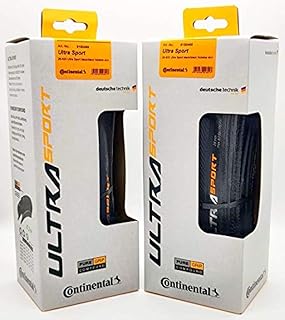


Popular Brands: Reviewing well-known brands that specialize in producing puncture-resistant bike tires, such as Schwalbe and Vittoria
Schwalbe and Vittoria are two prominent brands in the cycling world, renowned for their high-quality, puncture-resistant bike tires. Schwalbe, a German company, has been at the forefront of tire innovation for decades, offering a wide range of products designed to meet the needs of various cycling disciplines. Their puncture-resistant tires, such as the Schwalbe Marathon Plus, are engineered with a durable rubber compound and a protective layer that significantly reduces the risk of punctures.
Vittoria, an Italian brand with a rich history dating back to 1898, is another leader in the field of puncture-resistant tires. Their products, like the Vittoria Zaffiro Pro, are known for their exceptional durability and reliability. Vittoria's tires often feature a unique tread pattern and a reinforced sidewall that enhances their puncture resistance capabilities.
When comparing these two brands, it's essential to consider the specific needs of the cyclist. Schwalbe's tires tend to be more robust and are often favored by touring and commuting cyclists who require maximum durability. Vittoria's tires, on the other hand, are popular among road cyclists who seek a balance between puncture resistance and performance.
In terms of technology, both brands utilize advanced materials and manufacturing techniques to create their puncture-resistant tires. Schwalbe's SmartGuard technology, for instance, involves a protective layer made of a flexible, rubber-like material that can deflect sharp objects and prevent punctures. Vittoria's Graphene 2.0 compound, meanwhile, incorporates graphene particles into the rubber to enhance strength and durability without compromising on weight or rolling resistance.
Ultimately, the choice between Schwalbe and Vittoria puncture-resistant tires will depend on the individual cyclist's preferences, riding style, and specific requirements. Both brands offer excellent options that can provide peace of mind and reduce the risk of punctures, allowing cyclists to focus on enjoying their rides.
Exploring the Distinctions: E-Bike Tires vs. Standard Bicycle Tires
You may want to see also
Frequently asked questions
Several factors contribute to a bike tire's puncture resistance, including the material composition, tread pattern, and sidewall thickness. Tires made from durable compounds like Kevlar or nylon are more resistant to punctures. Additionally, tires with a denser tread pattern and thicker sidewalls provide extra protection against sharp objects and rough terrain.
Yes, there are specific types of bike tires known for their puncture resistance. For example, mountain bike tires often have thicker sidewalls and more aggressive tread patterns to withstand rough trails and sharp rocks. Similarly, touring and commuting tires are designed with durability in mind, featuring puncture-resistant materials and constructions to handle long rides and varied road conditions.
Tire pressure plays a crucial role in puncture resistance. Properly inflated tires are less likely to suffer punctures as they maintain their shape and provide a more stable contact patch with the road. Underinflated tires, on the other hand, are more susceptible to punctures as they can deform more easily and increase the risk of pinch punctures between the tire and rim.
Regular maintenance practices can help improve tire puncture resistance. These include checking and maintaining proper tire pressure, inspecting tires for signs of wear or damage, and promptly repairing any punctures or cuts. Additionally, using tire liners or sealant can provide an extra layer of protection against punctures, especially for tubeless tires.