Eric Johnson
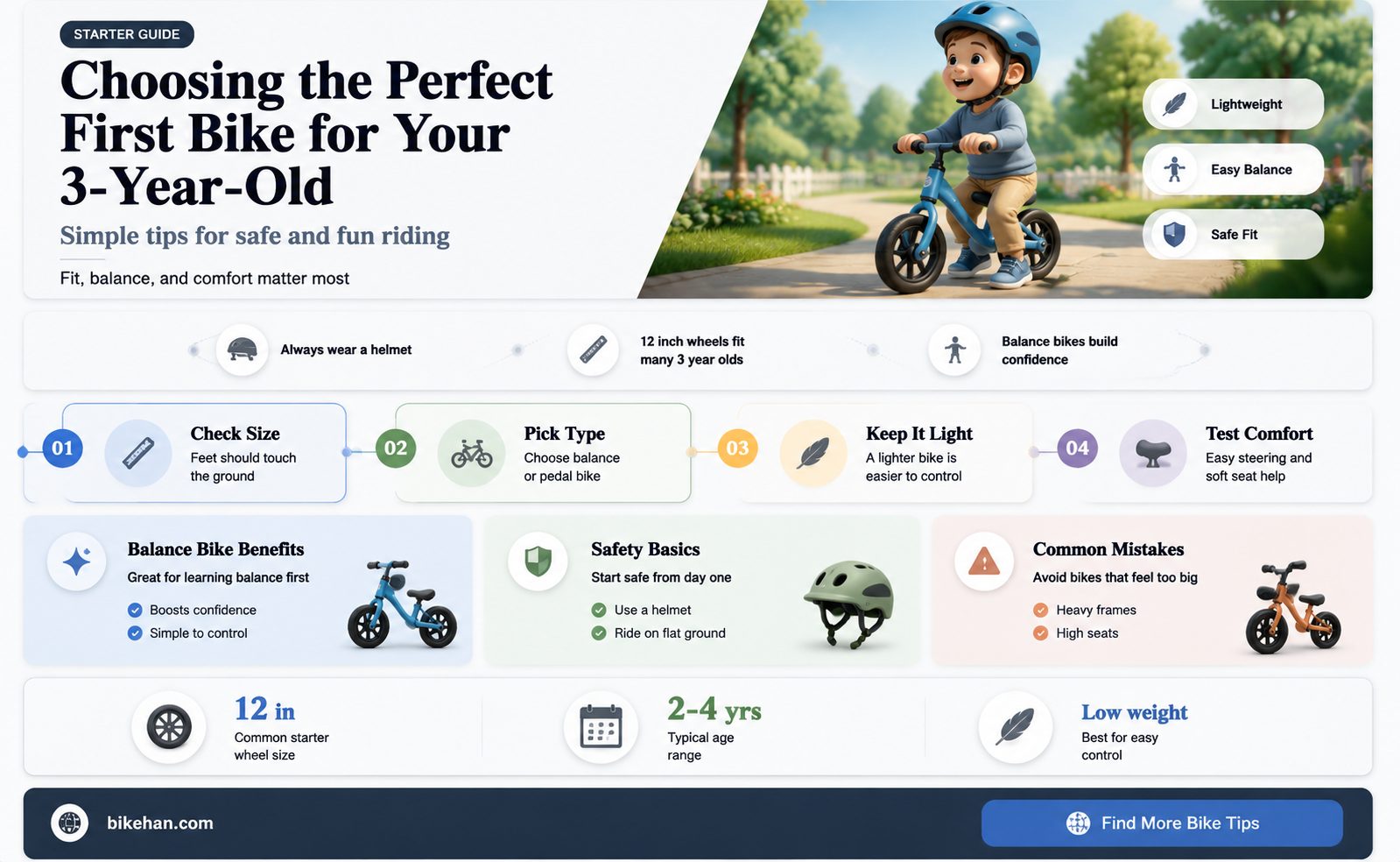
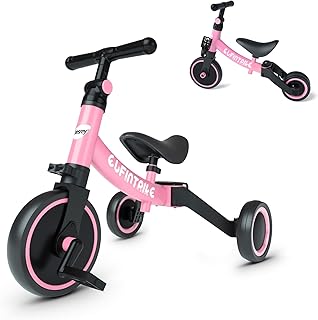
When considering what kind of bike to get for a 3-year-old, it's important to prioritize safety, stability, and ease of use. At this age, children are still developing their balance and coordination, so a bike with training wheels can provide the necessary support. Look for a bike with a sturdy frame, a comfortable seat, and handlebars that are easy for small hands to grip. Additionally, consider the size of the bike to ensure it's appropriate for your child's height and weight.
Explore related products




What You'll Learn
- Safety Features: Look for bikes with training wheels, a sturdy frame, and easy-to-use brakes
- Size and Fit: Ensure the bike's seat height and handlebar reach are appropriate for a 3-year-old's size
- Durability: Choose a bike made from durable materials that can withstand rough use and outdoor conditions
- Ease of Use: Opt for a bike with a simple design, easy-to-pedal mechanism, and lightweight construction
- Budget Considerations: Find a balance between quality and affordability, considering the child's growth and future bike needs

Safety Features: Look for bikes with training wheels, a sturdy frame, and easy-to-use brakes
When selecting a bike for a 3-year-old, safety features should be at the forefront of your decision-making process. Training wheels are essential for young riders who are just learning to balance and steer. They provide stability and help prevent falls, which can be both physically and emotionally discouraging for a child. Look for training wheels that are sturdy and securely attached to the bike frame.
A sturdy frame is also crucial for a child's bike. It should be able to withstand the rough and tumble nature of learning to ride, as well as the wear and tear of regular use. Frames made from durable materials like steel or aluminum are good options. Avoid bikes with frames that feel flimsy or are made from low-quality materials.
Easy-to-use brakes are another important safety feature. For a 3-year-old, coaster brakes (which are engaged by pedaling backwards) are often the easiest to use. They require less coordination and strength than hand brakes, making them more suitable for young children. Ensure that the brakes are responsive and that your child can easily engage and disengage them.
In addition to these key safety features, consider the overall fit and comfort of the bike for your child. The seat should be at an appropriate height, allowing your child's feet to touch the ground when seated. The handlebars should be within easy reach, and the grips should be comfortable and secure.
Finally, remember to always supervise your child when they are riding, especially when they are first learning. Even with the best safety features, accidents can still happen. By being vigilant and providing guidance, you can help your child develop the skills and confidence they need to become a safe and proficient rider.
Choosing the Perfect Commute Bike: A Comprehensive Guide
You may want to see also
Explore related products


Size and Fit: Ensure the bike's seat height and handlebar reach are appropriate for a 3-year-old's size
Ensuring the correct size and fit for a 3-year-old's bike is crucial for both safety and comfort. The seat height should be adjusted so that the child can sit on the seat with their feet flat on the ground, allowing for easy mounting and dismounting. This position also helps in maintaining balance while riding. To determine the appropriate seat height, measure the child's inseam length and add about 1 inch to it. This will provide a good starting point for adjusting the seat.
The handlebar reach is equally important. The handlebars should be positioned so that the child can comfortably reach them without stretching or straining. This helps in maintaining control over the bike and reduces the risk of accidents. To check the handlebar reach, have the child sit on the bike and observe if their arms are relaxed and slightly bent when holding the handlebars. If the handlebars are too far away, the child may struggle to steer the bike effectively.
When adjusting the bike's size and fit, it's essential to consider the child's growth rate. Bikes for 3-year-olds often come with adjustable features to accommodate their rapid growth. Regularly checking and adjusting the seat height and handlebar reach will ensure that the bike remains comfortable and safe for the child to use.
In addition to size and fit, it's important to choose a bike with features suitable for a 3-year-old's skill level. Look for bikes with wide tires for better stability, a lightweight frame for easy maneuverability, and a simple braking system that the child can easily operate. These features, combined with the correct size and fit, will help in providing a positive and enjoyable biking experience for the child.
Remember, safety should always be a top priority. Ensure that the child wears a properly fitted helmet and other protective gear while riding. Supervision is also crucial, especially for young children who are still learning to ride. By following these guidelines and regularly checking the bike's size and fit, you can help your 3-year-old develop a love for biking while ensuring their safety and comfort.
Urban Cycling: Choosing the Perfect Bike for City Adventures
You may want to see also
Explore related products


Durability: Choose a bike made from durable materials that can withstand rough use and outdoor conditions
When selecting a bike for a 3-year-old, durability is a critical factor to consider. At this age, children are still developing their motor skills and coordination, which means they are more likely to put their bikes through rough use. Outdoor conditions can also be harsh on bikes, with exposure to rain, mud, and sunlight potentially causing damage over time. Therefore, it is essential to choose a bike made from durable materials that can withstand these challenges.
One of the most durable materials for a children's bike is steel. Steel frames are strong and can handle the wear and tear of daily use. They are also more resistant to rust and corrosion compared to other metals, making them ideal for outdoor use. However, steel bikes can be heavier, which may make them more difficult for a 3-year-old to maneuver.
Another option is aluminum, which is lighter than steel but still offers good durability. Aluminum frames are less prone to rust and corrosion, and they can withstand the rough handling that is typical for bikes used by young children. However, aluminum can be more expensive than steel, so it may not be the most budget-friendly option.
In addition to the frame material, it is also important to consider the durability of other bike components, such as the wheels, tires, and brakes. Look for bikes with sturdy wheels that are less likely to bend or break under pressure. Tires should be made from thick, puncture-resistant rubber to minimize the risk of flats. Finally, choose bikes with reliable brakes that can provide consistent stopping power, even in wet or muddy conditions.
Ultimately, investing in a durable bike for a 3-year-old is a wise decision. A well-made bike will not only last longer but will also provide a safer and more enjoyable riding experience for your child. By considering factors such as frame material, wheel strength, tire quality, and brake reliability, you can find a bike that is both durable and suitable for your child's needs.
Choosing the Perfect Trail Bike: A Rider's Guide
You may want to see also
Explore related products


Ease of Use: Opt for a bike with a simple design, easy-to-pedal mechanism, and lightweight construction
For a 3-year-old, the ideal bike should be designed with simplicity and ease of use in mind. This means opting for a model with a straightforward design that minimizes unnecessary features and components. A simple bike frame without complex gears or brakes will make it easier for a young child to understand and operate the bike. Additionally, an easy-to-pedal mechanism is crucial, as it will help the child develop the necessary motor skills and confidence to ride independently. Look for bikes with a single-speed drivetrain or a simplified gear system that requires minimal effort to shift.
When considering the construction of the bike, it's essential to prioritize lightweight materials. A lighter bike will be easier for a 3-year-old to maneuver and control, reducing the risk of accidents and injuries. Aluminum or lightweight steel frames are good options, as they provide a balance between durability and weight. Avoid bikes with heavy components, such as large wheels or bulky seats, which can make it difficult for a young child to handle the bike.
Another important aspect to consider is the bike's adjustability. A bike that can be easily adjusted to fit the child's size and skill level will ensure a more comfortable and enjoyable riding experience. Look for bikes with adjustable seats and handlebars, allowing you to customize the fit as the child grows and develops. Additionally, consider bikes with training wheels that can be removed once the child becomes more confident and skilled.
In terms of safety, it's crucial to choose a bike with reliable and easy-to-use brakes. Coaster brakes, which are operated by pedaling backwards, are a good option for young children, as they are intuitive and require minimal hand strength. Alternatively, look for bikes with simple hand brakes that are easy to engage and disengage.
Finally, don't forget to consider the overall aesthetic and appeal of the bike. A bike that is visually appealing and fun for the child will encourage them to ride more often and develop a love for cycling. Look for bikes with bright colors, fun designs, or themed decorations that match the child's interests and personality.
Choosing the Perfect Bike for Long-Distance Adventures
You may want to see also
Explore related products


Budget Considerations: Find a balance between quality and affordability, considering the child's growth and future bike needs
When selecting a bike for a 3-year-old, budget considerations play a crucial role. It's essential to strike a balance between quality and affordability, ensuring that the bike is not only safe and durable but also meets the child's current and future needs. Here are some practical tips to help you make an informed decision:
Firstly, consider the child's growth rate and how quickly they are likely to outgrow the bike. For a 3-year-old, a bike with adjustable features such as a height-adjustable seat and handlebars can be a wise investment, allowing the bike to grow with the child. This can save you money in the long run by delaying the need for a replacement bike.
Secondly, think about the child's future bike needs. If you anticipate that the child will continue to ride bikes as they grow older, it may be worth investing in a higher-quality bike now that can be passed down to younger siblings or sold second-hand in the future. This approach can be more cost-effective than buying a cheaper bike that may not last as long.
Thirdly, be mindful of the bike's maintenance costs. Some bikes may require more frequent repairs or replacements of parts, which can add up over time. Look for bikes with durable components and easy-to-maintain features, such as puncture-resistant tires or a simple gear system.
Fourthly, consider the child's riding habits and preferences. If the child is an enthusiastic rider who will be using the bike frequently, it may be worth investing in a more comfortable and ergonomic bike that will provide a better riding experience. On the other hand, if the child is only likely to ride the bike occasionally, a more basic model may suffice.
Finally, don't forget to factor in the cost of safety gear and accessories. A helmet, knee pads, and elbow pads are essential for any young rider, and these costs should be included in your budget. Additionally, consider the cost of a bike lock, bell, and any other accessories that may be necessary.
By carefully considering these factors, you can find a bike that is both affordable and of high quality, meeting the child's current and future needs while also providing a safe and enjoyable riding experience.
Pedal to Fitness: Choosing the Perfect Bike for Weight Loss
You may want to see also
Frequently asked questions
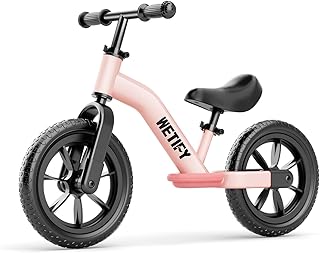
For a 3-year-old beginner, a balance bike is often recommended. These bikes have no pedals and allow children to focus on balancing and steering, which are essential skills to develop before transitioning to a pedal bike.
To choose the right size bike for your 3-year-old, consider their height and inseam length. The bike's seat height should be about 1-2 inches lower than your child's inseam length, allowing them to comfortably reach the ground with both feet. Additionally, the handlebars should be at a comfortable height for your child to reach without straining.
Training wheels can be a helpful tool for some children, but they are not necessary for all. If your child is confident and has good balance, they may be able to learn to ride without training wheels. However, if your child is hesitant or has difficulty balancing, training wheels can provide extra stability and help build their confidence.
When choosing a bike for your 3-year-old, look for safety features such as a sturdy frame, easy-to-use brakes, and a comfortable seat. Additionally, make sure the bike has reflectors or lights for visibility, and consider getting a helmet that fits properly to protect your child's head while riding.