Samantha Lee
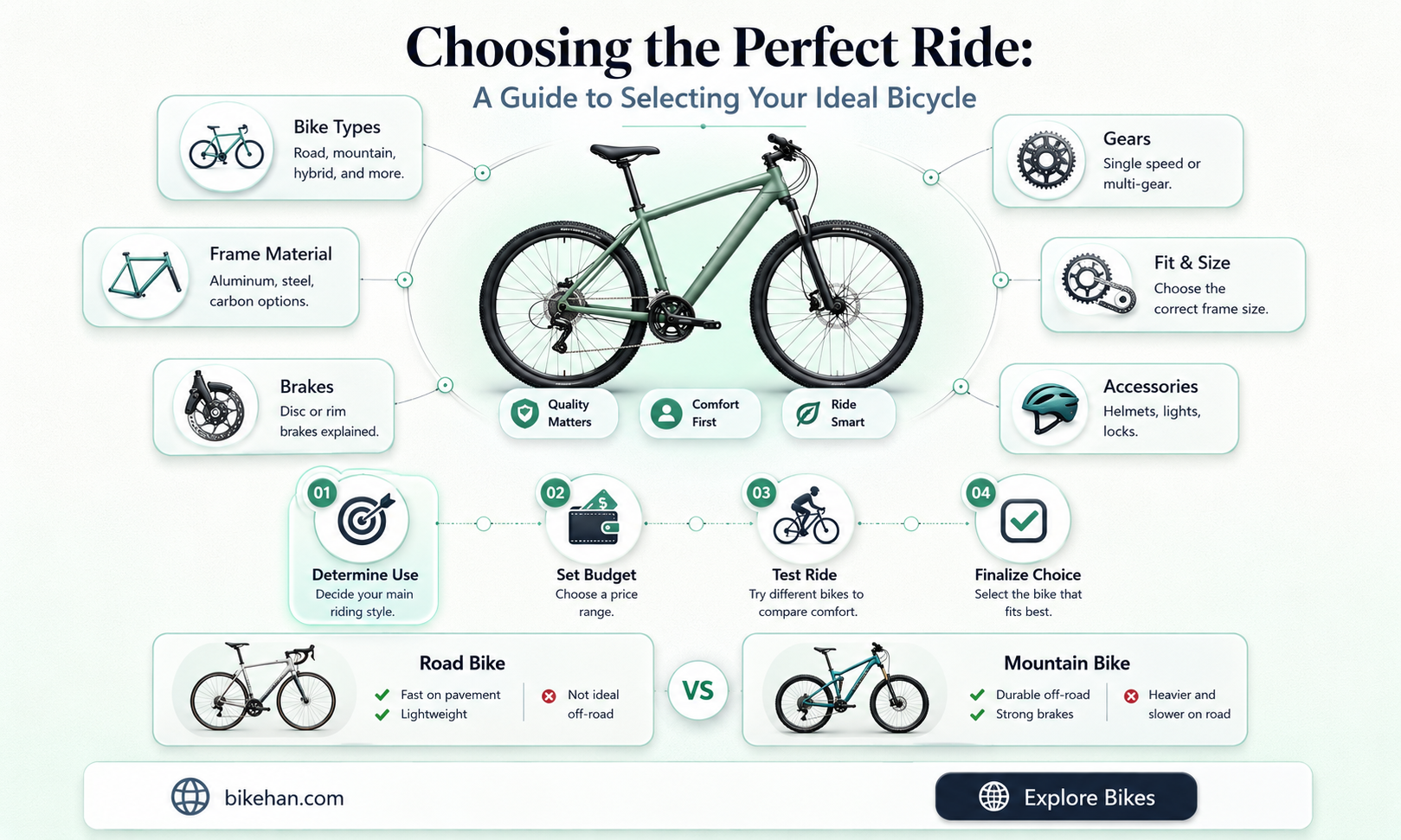
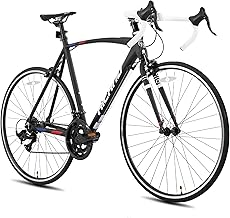
When considering what kind of bike to get, it's important to think about your specific needs and preferences. Are you looking for a bike for commuting, off-road adventures, or leisurely rides? Different types of bikes are designed for different purposes, and choosing the right one can make a big difference in your riding experience. For example, if you plan to ride on rough terrain, a mountain bike with sturdy tires and suspension would be ideal. On the other hand, if you're looking for a bike to ride on paved roads, a road bike with thin tires and a lightweight frame would be more suitable. Additionally, factors such as your budget, fitness level, and personal style should also be taken into account when selecting a bike. By considering these factors, you can find a bike that not only meets your needs but also brings you joy and satisfaction.
Explore related products


What You'll Learn
- Purpose of the Bike: Consider whether you'll use it for commuting, exercise, or leisure rides
- Budget: Determine how much you're willing to spend on the bike and its accessories
- Type of Bike: Choose between road bikes, mountain bikes, hybrid bikes, or electric bikes
- Size and Fit: Ensure the bike's frame size and geometry match your body measurements for comfort and efficiency
- Additional Features: Think about what extra features you might want, such as gears, suspension, or disc brakes

Purpose of the Bike: Consider whether you'll use it for commuting, exercise, or leisure rides
The purpose of your bike is a crucial factor to consider when choosing the right type. Are you planning to use it for daily commuting, intense exercise, or leisurely rides on weekends? Each of these purposes requires a different type of bike with specific features to ensure comfort, efficiency, and safety.
For commuting, you'll want a bike that is durable, comfortable, and equipped with features that make it suitable for urban environments. This might include a hybrid or city bike with a sturdy frame, reliable brakes, and the ability to attach racks or fenders. These bikes are designed to handle the wear and tear of daily use and provide a smooth ride on paved surfaces.
If exercise is your primary goal, a road bike or mountain bike might be more appropriate. Road bikes are lightweight and designed for speed, making them ideal for cardio workouts and long-distance rides. Mountain bikes, on the other hand, are built for off-road terrain and provide a challenging workout that engages different muscle groups.
For leisure rides, a cruiser or comfort bike could be the perfect choice. These bikes prioritize comfort over speed, with features like wide tires, cushioned seats, and upright handlebars that allow for a relaxed riding position. They're great for casual rides around the neighborhood or on bike paths.
Consider your lifestyle and how you plan to use your bike. If you're a fitness enthusiast who enjoys challenging rides, an exercise-oriented bike like a road or mountain bike would be a good fit. If you're looking for a more relaxed experience, a leisure bike might be the way to go. And if you need a reliable mode of transportation for your daily commute, a city or hybrid bike would be the most practical choice.
Choosing the Perfect Bike for Your College Adventures
You may want to see also
Explore related products


Budget: Determine how much you're willing to spend on the bike and its accessories
Before diving into the world of bicycles, it's crucial to establish a clear budget. This isn't just about the initial cost of the bike itself, but also the ongoing expenses for accessories, maintenance, and safety gear. Start by assessing your financial situation and deciding how much you're willing to invest in this new hobby or mode of transportation.
Consider the long-term costs associated with bike ownership. For instance, will you need to purchase a bike lock, helmet, and lights for safety? Are you planning to use the bike for commuting, which might require additional accessories like a rack or panniers? Factor in the cost of regular maintenance, such as tire replacements and brake adjustments. By accounting for these expenses upfront, you can avoid overspending and ensure that you're making a sustainable investment.
It's also important to think about the potential resale value of the bike. If you're planning to upgrade or change bikes in the future, consider purchasing a model that holds its value well. This might mean investing in a higher-quality bike upfront, but it could save you money in the long run.
When setting your budget, don't forget to consider the cost of insurance. Depending on where you live and the value of your bike, you may want to purchase additional coverage to protect your investment. This is especially important if you plan to use the bike for commuting or traveling in areas with high crime rates.
Finally, be mindful of the psychological aspect of budgeting. It's easy to get caught up in the excitement of buying a new bike and overspend. Set a realistic budget and stick to it, even if it means waiting a few months to save up enough money. By being patient and disciplined, you can ensure that you're making a smart and sustainable investment in your new bike.
Choosing the Perfect Commute Bike: A Comprehensive Guide
You may want to see also
Explore related products


Type of Bike: Choose between road bikes, mountain bikes, hybrid bikes, or electric bikes
Choosing the right type of bike depends largely on the intended use and personal preferences. Road bikes are designed for speed and efficiency on paved surfaces, making them ideal for commuting or road racing. They typically feature lightweight frames, narrow tires, and drop handlebars that allow for an aerodynamic riding position. If you plan to ride primarily on roads and value speed, a road bike is likely the best choice.
Mountain bikes, on the other hand, are built for off-road adventures. They have sturdy frames, wide tires with deep treads, and suspension systems to absorb shocks from rough terrain. These bikes are perfect for trail riding, mountain biking, and other off-road activities. If you enjoy exploring nature and tackling challenging trails, a mountain bike would be a great fit.
Hybrid bikes offer a balance between road and mountain bikes, combining features of both. They are versatile and can handle a variety of terrains, making them suitable for urban commuting, light trail riding, and general recreational use. Hybrid bikes often have a more upright riding position, which can be more comfortable for casual riders. If you want a bike that can do it all, a hybrid bike might be the way to go.
Electric bikes, also known as e-bikes, are equipped with an electric motor to assist with pedaling. They come in various styles, including road, mountain, and hybrid, and are ideal for riders who want extra power without sacrificing the joy of cycling. E-bikes can be particularly helpful for long commutes, steep hills, or riders who need a bit of assistance due to fitness levels. If you're looking for a bike that can make your rides easier and more enjoyable, an electric bike could be a fantastic option.
When selecting a bike, it's essential to consider factors such as your riding style, the terrain you'll be on, your fitness level, and your budget. Each type of bike has its own unique features and benefits, so it's crucial to choose one that aligns with your specific needs and preferences. Test riding different types of bikes can also help you determine which one feels the most comfortable and enjoyable to ride.
Choosing the Perfect Bike for Seattle: A Comprehensive Guide
You may want to see also
Explore related products


Size and Fit: Ensure the bike's frame size and geometry match your body measurements for comfort and efficiency
To ensure optimal comfort and efficiency when selecting a bike, it's crucial to consider the frame size and geometry in relation to your body measurements. This involves understanding your height, inseam length, arm reach, and torso length, as these dimensions directly impact how well you'll fit on different bike models. For instance, a rider with a longer inseam may require a larger frame size to accommodate their leg length, while a shorter rider might need a smaller frame to maintain proper control and comfort.
One effective method to determine the right frame size is to use a bike sizing chart, which typically correlates your height and inseam measurements with recommended frame sizes. However, it's important to note that these charts are general guidelines and may not account for individual variations in body proportions. Therefore, it's always advisable to test ride multiple bikes of different sizes to find the one that feels most comfortable and allows for efficient pedaling.
In addition to frame size, the geometry of the bike plays a significant role in determining how well it fits your body. Key geometric factors include the wheelbase, stack height, and reach. A bike with a longer wheelbase will generally provide a smoother ride and more stability, while a shorter wheelbase can offer better maneuverability. The stack height, which is the vertical distance from the bottom bracket to the top of the head tube, affects how stretched out or upright you'll be while riding. A higher stack height can lead to a more comfortable, upright riding position, whereas a lower stack height may result in a more aggressive, aerodynamic posture.
When evaluating the reach of a bike, consider the horizontal distance from the bottom bracket to the top of the head tube. A longer reach can make the bike feel more responsive and agile, but it may also put more strain on your arms and shoulders. Conversely, a shorter reach can provide a more relaxed riding position but might compromise the bike's handling capabilities.
To further refine your bike fit, it's essential to pay attention to the saddle height and fore-aft position, as well as the handlebar height and width. Proper saddle height ensures that your legs can extend fully during the pedal stroke, while the fore-aft position should allow your feet to rest comfortably on the pedals without excessive strain on your knees. Handlebar height and width should be adjusted to provide a comfortable grip and control without causing discomfort in your wrists, arms, or shoulders.
Ultimately, finding the right size and fit for your bike is a process that requires careful consideration of your body measurements, riding preferences, and the specific characteristics of different bike models. By taking the time to properly evaluate these factors, you can select a bike that not only feels comfortable but also enhances your overall riding experience and efficiency.
Pedal to Fitness: Choosing the Perfect Bike for Weight Loss
You may want to see also
Explore related products


Additional Features: Think about what extra features you might want, such as gears, suspension, or disc brakes
When selecting a bike, it's crucial to consider the additional features that can enhance your riding experience. These features can range from gears and suspension to disc brakes and beyond. Each of these components serves a specific purpose and can significantly impact the performance and comfort of your bike.
Gears are essential for adjusting the difficulty of pedaling, allowing you to tackle various terrains with ease. A bike with a wide range of gears is ideal for hilly or mountainous areas, as it provides the flexibility to switch between low and high gears as needed. On the other hand, a single-speed or fixed-gear bike might be more suitable for flat, urban environments where simplicity and low maintenance are preferred.
Suspension systems, including front and rear shocks, are designed to absorb impacts and provide a smoother ride on rough surfaces. This feature is particularly beneficial for off-road biking, where uneven terrain and obstacles are common. However, for road biking, a rigid frame without suspension is often preferred, as it reduces weight and increases efficiency on paved surfaces.
Disc brakes offer superior stopping power and modulation compared to traditional rim brakes. They are especially useful in wet or muddy conditions, where rim brakes can become less effective. Disc brakes are commonly found on mountain bikes, cyclocross bikes, and some road bikes, particularly those designed for all-weather use.
Other features to consider include the type of tires, the material of the frame, and the presence of accessories such as lights, racks, and fenders. Each of these elements can contribute to the overall functionality and enjoyment of your bike.
Ultimately, the choice of additional features depends on your specific needs, preferences, and the type of riding you plan to do. By carefully considering these options, you can select a bike that is well-suited to your lifestyle and provides a comfortable, enjoyable riding experience.
Choosing the Perfect Bike for Long-Distance Adventures
You may want to see also
Frequently asked questions
For city commuting, a hybrid or road bike is ideal due to their lightweight frames and efficient design for paved roads.
For off-road biking, a mountain bike with sturdy tires and suspension is recommended to handle rough terrains and trails.
To choose the right bike size, measure your inseam and compare it to the bike manufacturer's size chart. The top tube length should also be considered for comfort and control.
Folding bikes are great for those with limited storage space or who need to transport their bike on public transportation. They fold into a compact size, making them easy to carry and store.
If you plan to ride in varied terrain or need to adjust your speed frequently, a bike with gears is preferable. For flat, consistent surfaces and low maintenance, a single-speed bike can be a good option.