Matthew Brooks
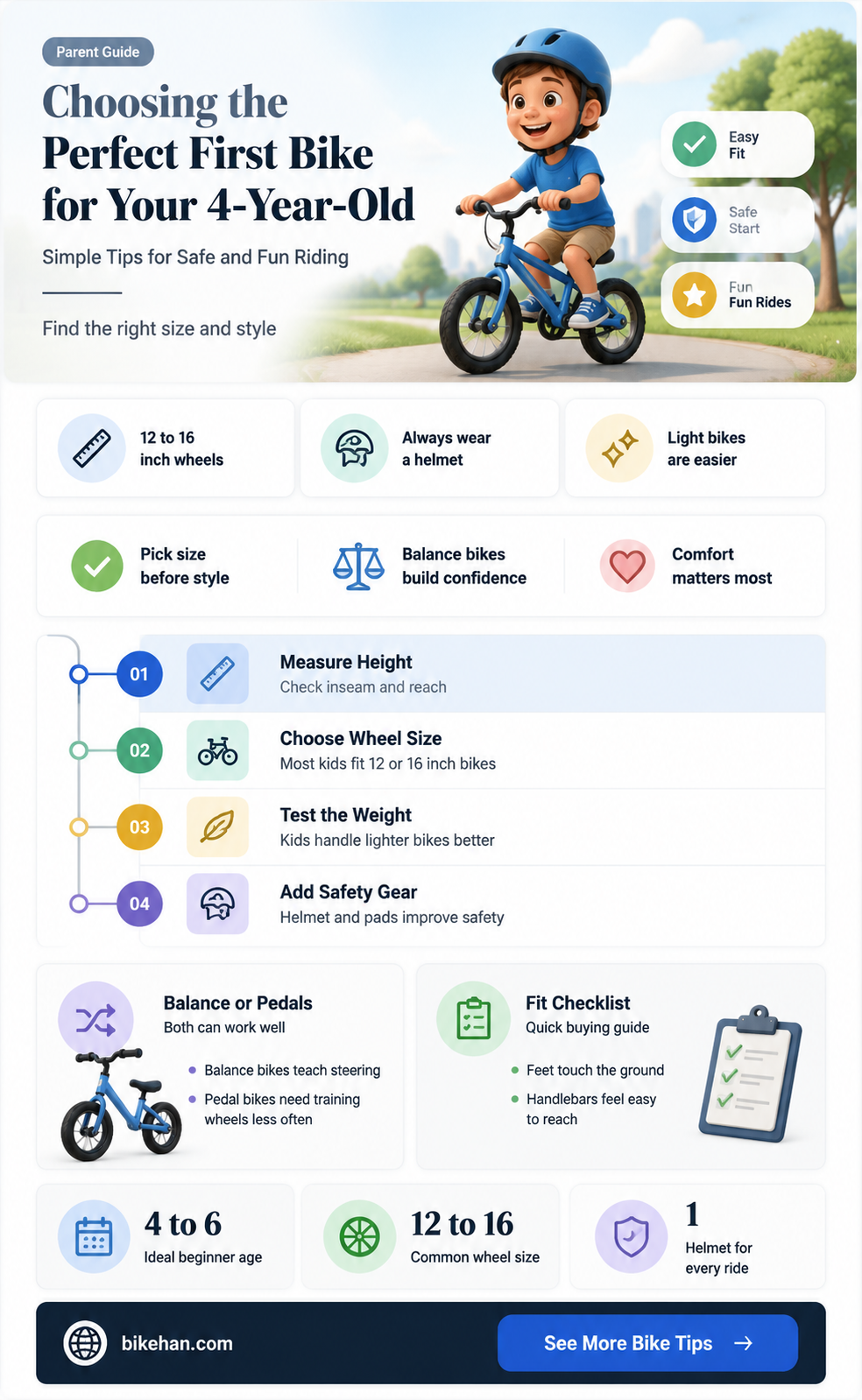
When considering what kind of bike to get for a 4-year-old, several factors come into play. At this age, children are typically transitioning from tricycles to their first two-wheeled bikes. It's important to choose a bike that is the right size, ensuring the child can comfortably reach the pedals and handlebars. A lightweight frame is also beneficial, as it makes the bike easier for a young child to maneuver and control. Additionally, safety features such as training wheels, a chain guard, and a helmet should be considered to provide extra protection as the child learns to ride. The type of bike—whether it's a standard pedal bike or a balance bike—will depend on the child's skill level and readiness to learn. Ultimately, selecting a bike that is both safe and enjoyable for the child will encourage a lifelong love of cycling.
Explore related products




What You'll Learn
- Size and Fit: Consider the child's height and inseam to ensure proper fit and comfort on the bike
- Type of Bike: Choose between a balance bike, pedal bike, or a bike with training wheels based on the child's skill level
- Safety Features: Look for bikes with safety features such as reflectors, bells, and easy-to-use brakes
- Material and Durability: Select a bike made from durable materials like steel or aluminum that can withstand rough use
- Budget and Value: Determine your budget and look for bikes that offer the best value for money without compromising on quality and safety

Size and Fit: Consider the child's height and inseam to ensure proper fit and comfort on the bike
Ensuring the correct size and fit for a child's bike is crucial for both safety and comfort. A bike that is too large or too small can be difficult for a child to control, leading to potential accidents or discomfort during rides. To determine the right size, you'll need to consider the child's height and inseam.
Start by measuring the child's height from the top of their head to the floor, and their inseam from the inside of their leg to the floor. These measurements will help you determine the appropriate wheel size for the bike. For a 4-year-old, a bike with 12-inch wheels is typically suitable. However, it's important to note that every child is different, and some may require a larger or smaller bike based on their individual measurements.
Once you've selected the right wheel size, it's time to consider the frame size. The frame should be proportional to the child's body size, allowing them to comfortably reach the handlebars and pedals. A good rule of thumb is to choose a frame that allows the child to stand over the bike with both feet flat on the ground, and to have about 1-2 inches of clearance between their body and the top tube of the frame.
In addition to the frame size, it's important to adjust the seat height and handlebar position to ensure a comfortable riding posture. The seat should be high enough that the child can fully extend their legs while pedaling, but not so high that they can't touch the ground with both feet when stopped. The handlebars should be positioned so that the child can comfortably reach them without having to stretch or lean forward.
Finally, don't forget to consider the weight of the bike. A lighter bike will be easier for a child to handle and maneuver, especially when they're first learning to ride. Look for bikes made from lightweight materials, such as aluminum or carbon fiber, to make riding more enjoyable and less strenuous for your child.
Choosing the Perfect Bike for Long-Distance Adventures
You may want to see also
Explore related products
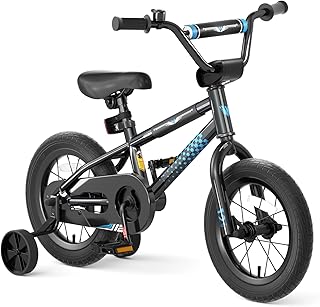


Type of Bike: Choose between a balance bike, pedal bike, or a bike with training wheels based on the child's skill level
Choosing the right type of bike for a 4-year-old can be a pivotal decision in their early cycling journey. At this age, children are developing their balance, coordination, and confidence, which are all crucial factors in learning to ride a bike. The three main options to consider are a balance bike, a pedal bike, or a bike with training wheels. Each type has its own advantages and is suited to different skill levels and learning styles.
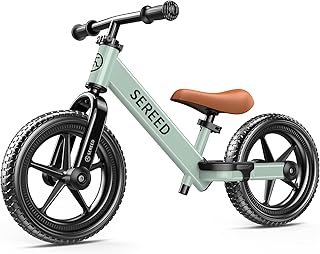
A balance bike is an excellent choice for children who are just starting to learn how to balance on two wheels. These bikes have no pedals, which allows the child to focus solely on steering and balancing. They typically have a low center of gravity, making them stable and easy to maneuver. Balance bikes are ideal for children who are not yet confident in their ability to pedal and need to develop their balance skills first.
On the other hand, a pedal bike is suitable for children who already have a good sense of balance and are ready to learn how to pedal. These bikes come with pedals and require the child to use their legs to propel themselves forward. Pedal bikes are a great option for children who are eager to start riding independently and have the physical strength to pedal.
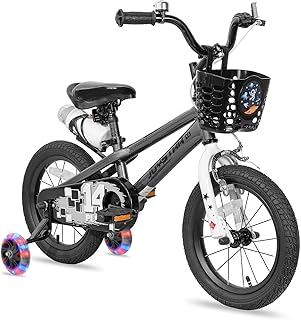
A bike with training wheels is a good middle ground for children who are still developing their balance but also want to learn how to pedal. The training wheels provide extra stability, allowing the child to focus on pedaling without worrying about falling over. However, it's important to note that training wheels can sometimes hinder a child's ability to learn proper balance, as they may become reliant on the extra support.
When choosing the right type of bike for a 4-year-old, it's essential to consider their individual skill level, confidence, and learning style. Some children may benefit from starting with a balance bike to develop their balance skills, while others may be ready to dive straight into pedaling. Ultimately, the goal is to find a bike that will help the child build their confidence and enjoy the learning process.
Choosing the Perfect Bike Post-Knee Replacement: A Comprehensive Guide
You may want to see also
Explore related products


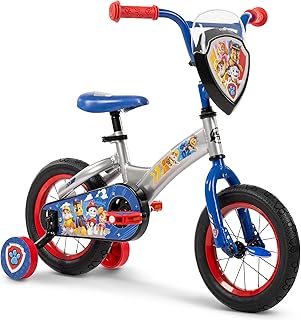
Safety Features: Look for bikes with safety features such as reflectors, bells, and easy-to-use brakes
Reflectors are essential safety features for bikes intended for young children. These small, brightly colored devices are typically mounted on the wheels, pedals, and frame of the bike. They work by reflecting light from car headlights or streetlights, making the bike more visible to motorists and pedestrians in low-light conditions. For a 4-year-old, having reflectors on their bike can significantly reduce the risk of accidents during early morning or evening rides.
Bells are another important safety feature to consider. A bell allows the child to alert others of their presence, such as pedestrians, other cyclists, or even pets that might unexpectedly cross their path. Teaching a 4-year-old to use a bell properly can help them develop good communication habits while riding and increase their awareness of their surroundings. Look for bikes with bells that are easy for small hands to operate and are loud enough to be heard from a reasonable distance.
Easy-to-use brakes are crucial for young riders who are still developing their motor skills and coordination. Bikes with coaster brakes, which are engaged by simply pedaling backwards, are often a good choice for 4-year-olds. These brakes are intuitive and require less hand strength and dexterity than traditional hand brakes. Additionally, some bikes come with both coaster and hand brakes, providing an extra layer of safety and allowing the child to gradually transition to using hand brakes as they grow more comfortable and skilled.
When selecting a bike for a 4-year-old, it's also important to consider the overall design and construction. Look for bikes with sturdy frames that can withstand the rough and tumble nature of young riders. Adjustable seats and handlebars can help ensure a proper fit, which is important for both comfort and safety. And don't forget to check the tires – wider tires with good tread can provide better stability and grip on various surfaces.
In conclusion, when shopping for a bike for a 4-year-old, prioritize safety features such as reflectors, bells, and easy-to-use brakes. These elements can help create a safer riding experience for young children and give parents peace of mind. Remember to also consider the bike's overall design and construction to ensure it's a good fit for your child's needs and abilities.
Choosing the Perfect Bike for Your Fitness Journey: A Comprehensive Guide
You may want to see also
Explore related products


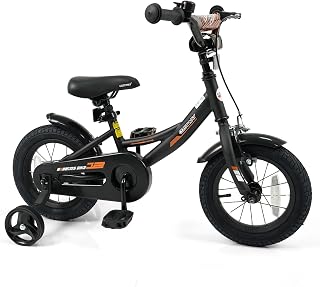


Material and Durability: Select a bike made from durable materials like steel or aluminum that can withstand rough use
When selecting a bike for a 4-year-old, the material and durability are crucial factors to consider. At this age, children are still developing their motor skills and coordination, which means they are more likely to put their bikes through rough use. Therefore, it is essential to choose a bike made from durable materials that can withstand the wear and tear of frequent use and occasional falls.
Steel and aluminum are two of the most common materials used in children's bikes, and for good reason. Steel is known for its strength and durability, making it an excellent choice for a child's bike. It can absorb the impact of falls and resist damage from rough play. Aluminum, on the other hand, is lighter than steel, making it easier for a child to handle and maneuver. It is also resistant to rust and corrosion, which means it can withstand exposure to the elements and maintain its structural integrity over time.
When evaluating the durability of a bike, it is important to consider the quality of the construction as well. Look for bikes with sturdy frames, secure joints, and reliable components. The wheels should be made of durable materials and have a robust design to prevent damage from rough terrain. The tires should be thick and have a good tread pattern to provide traction and stability.
In addition to the material and construction, it is also important to consider the maintenance requirements of the bike. Choose a bike that is easy to clean and maintain, with accessible parts that can be easily replaced if necessary. This will not only extend the life of the bike but also ensure that it remains safe and functional for your child to use.
Ultimately, the goal is to find a bike that is both durable and safe for your 4-year-old to use. By considering the material, construction, and maintenance requirements, you can make an informed decision that will provide your child with a reliable and enjoyable bike-riding experience.
Choosing the Perfect Commute Bike: A Comprehensive Guide
You may want to see also
Explore related products

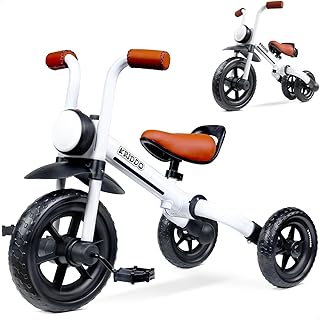


Budget and Value: Determine your budget and look for bikes that offer the best value for money without compromising on quality and safety
When selecting a bike for a 4-year-old, it's crucial to strike a balance between budget and value. Begin by setting a realistic budget, considering not just the initial cost of the bike but also ongoing expenses such as maintenance, safety gear, and potential upgrades. Research different bike models and brands within your price range, focusing on those that are known for their durability, safety features, and overall quality. Look for bikes that offer the best value for money without compromising on essential aspects such as frame construction, wheel quality, and braking systems.
One effective strategy is to compare the features and prices of various bikes online, reading reviews and seeking recommendations from other parents or cycling enthusiasts. Keep an eye out for sales, discounts, or second-hand options that can provide significant savings without sacrificing quality. Additionally, consider the long-term value of investing in a higher-quality bike that may cost more upfront but will likely last longer and provide a better riding experience for your child.
When evaluating the value of a bike, also consider factors such as the ease of assembly, the availability of spare parts, and the manufacturer's warranty. A bike that is easy to assemble and maintain can save you time and money in the long run, while a comprehensive warranty can provide peace of mind and protect your investment. Furthermore, think about the potential resale value of the bike once your child outgrows it, as a well-maintained, high-quality bike can retain its value and be passed down to younger siblings or sold to other families.
In conclusion, finding the right balance between budget and value is essential when choosing a bike for a 4-year-old. By setting a realistic budget, researching different options, and considering factors such as durability, safety, and long-term value, you can make an informed decision that will provide your child with a safe and enjoyable riding experience.
Urban Cycling: Choosing the Perfect Bike for City Adventures
You may want to see also
Frequently asked questions
For a 4-year-old beginner, a balance bike is often recommended. These bikes have no pedals and allow children to focus on balancing and steering, which are essential skills to learn before transitioning to a pedal bike.
To determine the right size bike for your 4-year-old, measure their inseam (the distance from their crotch to the ground) and compare it to the bike manufacturer's size chart. Typically, a bike with a 12-inch wheel is suitable for children with an inseam of about 14-17 inches.
Training wheels can be helpful for some children, but they are not necessary for all. If your child is confident and has good balance, they may be able to learn to ride without training wheels. However, if they are hesitant or struggle with balance, training wheels can provide additional support and stability.
When choosing a bike for your 4-year-old, look for safety features such as a sturdy frame, easy-to-use brakes, and a comfortable seat. Additionally, make sure the bike has reflectors or lights for visibility, and consider getting a helmet and other protective gear for your child.
The cost of a bike for a 4-year-old can vary depending on the type, size, and features. Balance bikes typically range from $50 to $150, while pedal bikes with training wheels can cost between $100 and $300. Keep in mind that investing in a high-quality bike can save you money in the long run, as it will likely last longer and require fewer repairs.