Matthew Brooks
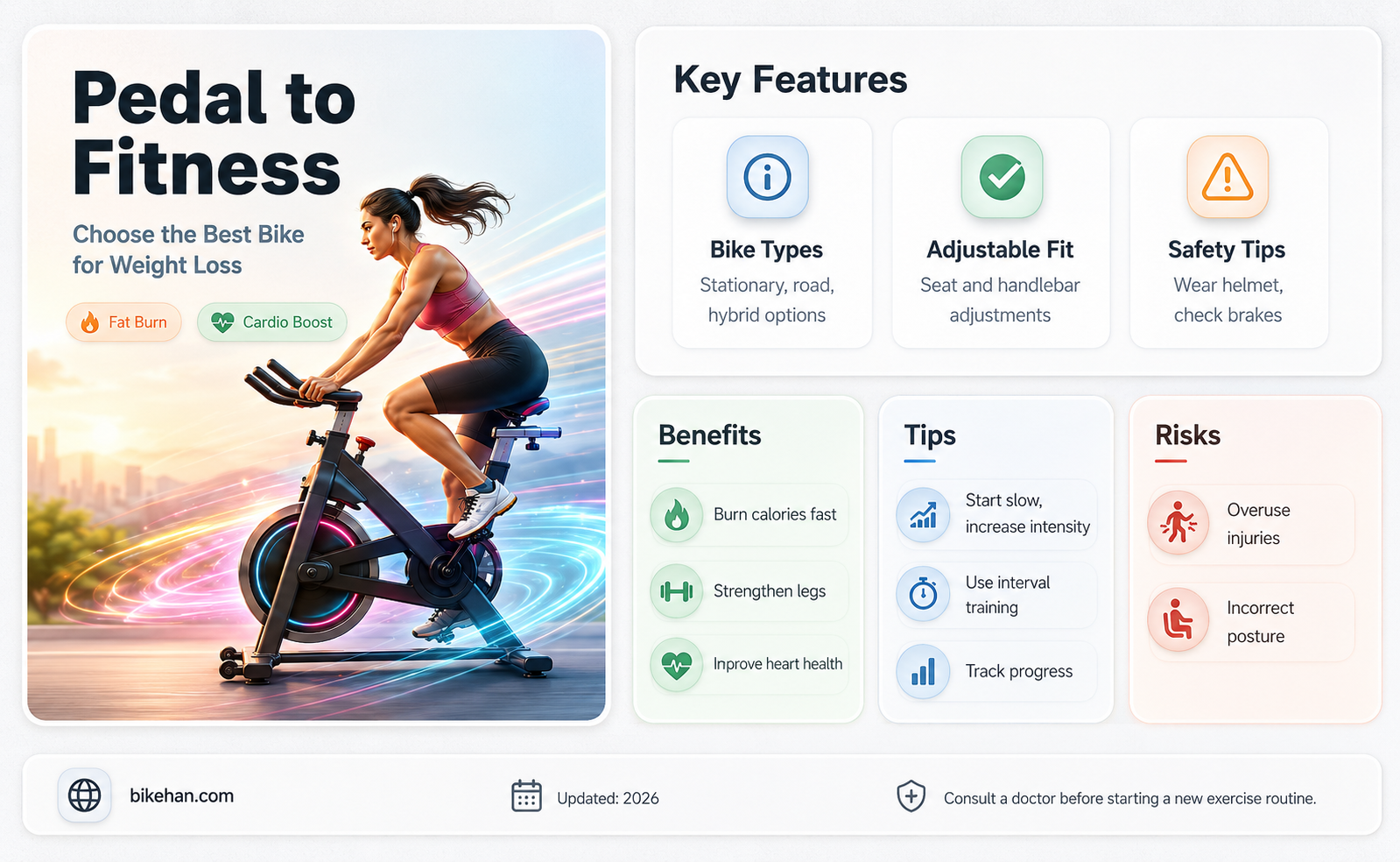
If you're looking to lose weight, choosing the right kind of bike can make a significant difference in your fitness journey. With so many options available, it can be overwhelming to decide which bike is best suited for your needs. In this guide, we'll explore the different types of bikes that can help you achieve your weight loss goals, considering factors such as comfort, efficiency, and the type of terrain you'll be riding on. Whether you're a beginner or an experienced cyclist, finding the perfect bike can be a game-changer in your quest for a healthier, happier you.
Explore related products


What You'll Learn
- Types of Bikes for Weight Loss: Explore options like road bikes, mountain bikes, and hybrid bikes
- Bike Features for Fitness: Look for features such as lightweight frames, comfortable seats, and efficient gearing systems
- Sizing and Fit: Ensure the bike is the right size for your height and body type for optimal comfort and performance
- Budget Considerations: Determine your budget and find a bike that offers the best value for your money
- Additional Accessories: Consider investing in accessories like a heart rate monitor, water bottle holder, and proper cycling attire

Types of Bikes for Weight Loss: Explore options like road bikes, mountain bikes, and hybrid bikes
Road bikes are a popular choice for weight loss due to their lightweight design and ability to achieve high speeds on paved surfaces. They are ideal for long-distance rides and interval training, which can help burn calories and improve cardiovascular health. However, road bikes may not be suitable for beginners or those who prefer off-road cycling.
Mountain bikes, on the other hand, are designed for off-road cycling and can provide a full-body workout. They are equipped with suspension systems to absorb shocks from rough terrain, making them suitable for cycling on trails and uneven surfaces. Mountain biking can help improve balance, coordination, and muscle strength, which can contribute to weight loss.
Hybrid bikes are a versatile option that combines the features of road and mountain bikes. They are suitable for both on-road and off-road cycling, making them a great choice for those who want to explore different terrains. Hybrid bikes are also comfortable for commuting and can be used for a variety of cycling activities, from leisurely rides to more intense workouts.
When choosing a bike for weight loss, it's important to consider factors such as comfort, fit, and personal preference. A bike that is comfortable and enjoyable to ride will encourage more frequent use, which can lead to better weight loss results. Additionally, proper fit is crucial for safety and efficiency, so it's recommended to consult with a professional bike fitter or salesperson to find the right size and style of bike for your body.
In conclusion, road bikes, mountain bikes, and hybrid bikes are all effective options for weight loss, each with their own unique benefits and features. By considering factors such as comfort, fit, and personal preference, you can choose a bike that will help you achieve your weight loss goals and enjoy the process.
Choosing the Perfect Bike for Your College Adventures
You may want to see also
Explore related products


Bike Features for Fitness: Look for features such as lightweight frames, comfortable seats, and efficient gearing systems
When selecting a bike for fitness and weight loss, it's crucial to focus on features that enhance performance and comfort. Lightweight frames are a key consideration, as they make the bike easier to handle and maneuver, especially during high-intensity workouts or when climbing hills. Materials like aluminum or carbon fiber are popular choices for their strength-to-weight ratio.
Another important feature is the seat, which should provide adequate support and cushioning to prevent discomfort during long rides. Ergonomically designed seats can help reduce pressure points and improve blood circulation, allowing you to ride for longer periods without fatigue. Additionally, adjustable seat posts enable you to find the optimal riding position for your body, which can improve efficiency and reduce the risk of injury.
Efficient gearing systems are also essential for fitness bikes, as they allow you to adjust the resistance and maintain a consistent cadence. Bikes with a wide range of gears can handle various terrains and inclines, making them versatile for different workout routines. Internal gearing systems, found in some hybrid and commuter bikes, offer the added benefit of being low-maintenance and protected from the elements.
Other features to consider include aerodynamic handlebars, which can improve your riding posture and reduce wind resistance, and high-quality brakes for reliable stopping power. Additionally, bikes with reflective elements or integrated lights can enhance visibility during early morning or evening rides, improving safety.
Ultimately, the best bike for weight loss is one that you enjoy riding and that meets your specific fitness goals. By prioritizing features like lightweight frames, comfortable seats, and efficient gearing systems, you can find a bike that supports your journey towards a healthier lifestyle.
Urban Cycling: Choosing the Perfect Bike for City Adventures
You may want to see also
Explore related products


Sizing and Fit: Ensure the bike is the right size for your height and body type for optimal comfort and performance
To ensure optimal comfort and performance while using a bike for weight loss, it is crucial to select the right size and fit. This involves considering both your height and body type. A bike that is too large or too small can lead to discomfort, inefficiency, and even potential injuries. Start by measuring your height and comparing it to the manufacturer's size chart for the specific bike model you are interested in. Keep in mind that different types of bikes, such as road bikes, mountain bikes, and hybrid bikes, may have slightly different sizing recommendations.
In addition to height, your body type plays a significant role in determining the right bike fit. For example, individuals with longer legs and a shorter torso may require a different frame geometry compared to those with a more balanced or shorter stature. Consider factors such as reach (the distance from the saddle to the handlebars) and stack (the vertical distance from the bottom bracket to the top of the head tube) to ensure a comfortable riding position. A professional bike fitting at a local bike shop can provide personalized recommendations based on your specific measurements and riding style.
When trying out different bikes, pay attention to how your body feels in various positions. The saddle should be at a height where your feet can touch the ground with your knees slightly bent, and your arms should be able to reach the handlebars comfortably without straining. Test ride the bike to see how it handles and how you feel after a few minutes of riding. Adjustments can often be made to the saddle height, handlebar position, and pedal placement to fine-tune the fit.
Remember that a well-fitted bike not only enhances comfort but also improves performance. A bike that is the right size and fit for your body will allow you to pedal more efficiently, maintain better balance, and reduce the risk of strain or injury. This, in turn, will make your weight loss journey more enjoyable and effective.
Choosing the Perfect Bike for Seattle: A Comprehensive Guide
You may want to see also
Explore related products


Budget Considerations: Determine your budget and find a bike that offers the best value for your money
When embarking on a weight loss journey through cycling, it's crucial to consider your budget to ensure you invest in a bike that not only meets your fitness goals but also offers the best value for your money. Start by assessing your financial capabilities and setting a realistic budget for your new bike. This will help you narrow down your options and focus on bikes that are within your price range.
Next, research different types of bikes and their respective price points. For instance, road bikes are often more affordable than mountain bikes due to their simpler design and lighter materials. Hybrid bikes, which combine features of both road and mountain bikes, can also be a cost-effective option for those looking to lose weight. Consider the features that are essential for your needs, such as the frame material, gear system, and wheel size, and prioritize them based on their importance to your cycling goals.
Once you have a clear idea of the type of bike you're looking for, compare prices from different retailers and manufacturers. Look for sales, discounts, and promotions that can help you save money without compromising on quality. Additionally, consider purchasing a used or refurbished bike, which can often provide significant savings while still offering reliable performance.
When evaluating the value of a bike, don't forget to factor in the cost of accessories and maintenance. For example, investing in a higher-quality bike with durable components may initially cost more, but it could save you money in the long run by reducing the need for frequent repairs or replacements. Similarly, consider the cost of essential accessories like a helmet, lights, and a bike lock, as these can add up quickly.
Finally, take the time to test ride different bikes within your budget to find the one that feels most comfortable and suits your riding style. This will ensure that you not only get the best value for your money but also enjoy the cycling experience, which is crucial for maintaining motivation and achieving your weight loss goals.
Choosing the Perfect Commute Bike: A Comprehensive Guide
You may want to see also
Explore related products


Additional Accessories: Consider investing in accessories like a heart rate monitor, water bottle holder, and proper cycling attire
Investing in the right accessories can significantly enhance your weight loss journey on a bike. One crucial accessory to consider is a heart rate monitor. This device allows you to track your heart rate in real-time, ensuring that you're exercising within the optimal zone for weight loss. By maintaining a heart rate of around 60-70% of your maximum heart rate, you can maximize fat burn while minimizing the risk of injury.
Another essential accessory is a water bottle holder. Staying hydrated during your rides is crucial for maintaining performance and preventing dehydration, which can lead to fatigue and decreased motivation. A water bottle holder allows you to easily access your water bottle without having to stop or dismount, ensuring that you can stay hydrated on the go.
Proper cycling attire is also an important investment. Wearing the right clothing can improve your comfort and performance on the bike, allowing you to ride for longer periods and at higher intensities. Look for moisture-wicking fabrics that will help keep you dry and cool, and consider investing in padded shorts or a saddle cover to reduce discomfort during long rides.
When it comes to choosing the right accessories, it's important to consider your specific needs and goals. For example, if you're planning on riding in low-light conditions, you may want to invest in reflective clothing or lights for your bike. Similarly, if you're planning on riding on rough terrain, you may want to consider investing in a helmet or gloves for added protection.
Ultimately, the right accessories can make a significant difference in your weight loss journey on a bike. By investing in the right gear, you can improve your comfort, performance, and safety, setting yourself up for success in reaching your weight loss goals.
Choosing the Perfect Bike for Long-Distance Adventures
You may want to see also
Frequently asked questions
For weight loss, a road bike or a hybrid bike is often recommended due to their efficiency and ability to provide a good cardio workout. Road bikes are lightweight and designed for speed on paved surfaces, while hybrid bikes offer a balance between road and mountain biking, making them versatile for various terrains.
Consistency is key. Aim to ride your bike at least 3-4 times a week for at least 30 minutes per session. This will help you burn calories and build endurance. As you progress, you can increase the frequency and duration of your rides.
When choosing a bike for weight loss, consider factors such as comfort, fit, and functionality. Ensure the bike is the right size for you and that the seat and handlebars are positioned correctly to avoid strain. Additionally, consider the type of terrain you'll be riding on and choose a bike that's suitable for that environment.
Yes, you can lose weight by riding a stationary bike. Stationary bikes provide a low-impact cardio workout that can help you burn calories and improve your cardiovascular health. However, it's important to vary your routine and incorporate other forms of exercise for a well-rounded fitness regimen.
To maximize weight loss while biking, consider the following tips:
- Maintain a consistent riding schedule.
- Incorporate interval training to boost your metabolism.
- Focus on proper nutrition and hydration.
- Combine biking with strength training exercises to build muscle and increase calorie burn.
- Monitor your progress and adjust your routine as needed.