Megan Blake
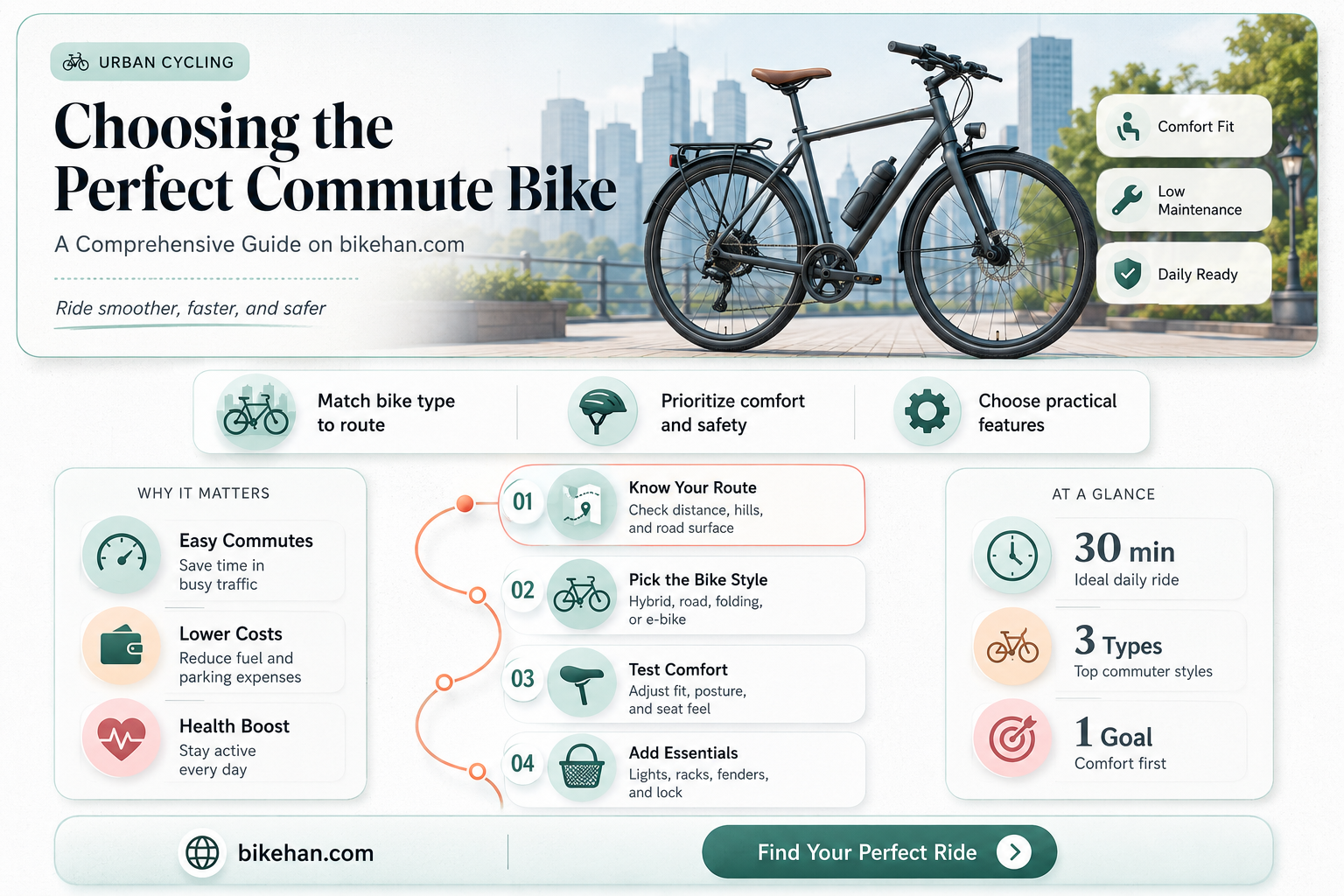
When considering a bike for commuting, several factors come into play to ensure a comfortable, efficient, and safe ride. The type of bike you choose will depend on your specific needs, the distance you'll be traveling, the terrain you'll encounter, and your personal preferences. For urban commuters, a hybrid or city bike might be ideal due to their versatility and comfort over paved roads. These bikes typically feature an upright riding position, which is great for visibility and comfort during longer rides. If your commute involves rougher terrain or unpaved paths, a mountain bike could be a better fit, offering durability and the ability to handle more challenging surfaces. For those looking to combine cycling with public transportation, a folding bike is a convenient option, as it can be easily carried onto buses or trains. Additionally, considering features like gear systems, brake types, and tire width can further tailor your choice to your commuting needs.
| Characteristics | Values |
|---|---|
| Purpose | Daily commuting |
| Distance | 5-10 miles each way |
| Terrain | Mostly flat with some hills |
| Weather Conditions | Rain and snow possible |
| Budget | $500-$1000 |
| Type of Bike | Hybrid or road bike |
| Frame Material | Aluminum or steel |
| Wheel Size | 700c |
| Tire Width | 32-35mm |
| Gearing | 8-16 speeds |
| Brakes | Rim brakes or disc brakes |
| Comfort Features | Ergonomic saddle, grips, and upright riding position |
| Accessories | Fenders, lights, and a rear rack |
| Maintenance | Regular tire pressure checks, chain lubrication, and brake adjustments |
| Safety | Wear a helmet and follow traffic rules |
| Storage | Keep in a dry, secure location |
Explore related products


What You'll Learn
- Budget Considerations: Determine your budget for the bike and related accessories
- Terrain and Route: Assess the terrain and road conditions of your commute
- Comfort and Ergonomics: Consider the comfort features like seat, handlebars, and frame geometry
- Bike Type: Choose between road bikes, hybrid bikes, or mountain bikes based on your needs
- Safety Features: Look for bikes with essential safety features such as lights, reflectors, and brakes

Budget Considerations: Determine your budget for the bike and related accessories
Before you start shopping for a commuting bike, it's crucial to establish a clear budget. This will help you narrow down your options and ensure you're making a financially responsible decision. Begin by assessing your current financial situation and determining how much you can comfortably allocate towards a new bike and related accessories.
Consider not only the initial cost of the bike but also ongoing expenses such as maintenance, repairs, and potential upgrades. Factor in the cost of accessories like a helmet, lights, lock, and panniers or a backpack for carrying your belongings. If you plan to use public transportation in conjunction with your bike, research the cost of bike racks or storage options.
Once you've set a budget, stick to it. It's easy to get caught up in the excitement of shopping and overspend, but remember that a more expensive bike doesn't necessarily mean it's the best option for your needs. Look for bikes that offer the best value for your money, considering factors like durability, comfort, and functionality.
If your budget is limited, consider buying a used bike or looking for sales and discounts. You can also prioritize certain features over others to save money. For example, you might opt for a bike with a lower-end gear system but a more comfortable seat and better lighting.
Ultimately, the key to successful budget considerations is to be realistic about your financial constraints and to prioritize your needs over your wants. By doing so, you'll be able to find a commuting bike that fits your budget and meets your requirements.
Choosing the Perfect Bike for Your College Adventures
You may want to see also
Explore related products


Terrain and Route: Assess the terrain and road conditions of your commute
Assessing the terrain and road conditions of your commute is crucial when selecting a bike for daily travel. The type of bike you choose will largely depend on the specific challenges and characteristics of your route. For instance, if your commute involves rough, unpaved roads or trails, a mountain bike with sturdy tires and suspension would be ideal. On the other hand, if you're riding on smooth, paved roads, a road bike or a hybrid bike might be more suitable.
Consider the elevation changes in your route. If you face steep hills, you might want a bike with a wide range of gears to make climbing easier. Conversely, if your route is relatively flat, a single-speed or fixed-gear bike could be a good option. Additionally, think about the weather conditions you'll encounter. If you commute in rainy or snowy weather, a bike with fenders and possibly a more robust frame to handle wet conditions would be beneficial.
Safety is another important factor to consider. If you're riding in heavy traffic, a bike with good visibility features, such as reflective strips or lights, is essential. Also, consider the availability of bike lanes or paths along your route. If you'll be sharing the road with cars, a bike with a more upright riding position, like a commuter or city bike, can provide better visibility and comfort.
Lastly, don't forget about the maintenance aspect. If your route exposes your bike to a lot of dirt, grime, or salt, you'll want a bike with durable components that can withstand these conditions. Regular cleaning and maintenance will also be necessary to keep your bike in good working order.
By carefully evaluating the terrain, road conditions, and other factors of your commute, you can choose a bike that will make your daily travels more efficient, comfortable, and enjoyable.
Urban Cycling: Choosing the Perfect Bike for City Adventures
You may want to see also
Explore related products


Comfort and Ergonomics: Consider the comfort features like seat, handlebars, and frame geometry
When selecting a bike for commuting, comfort and ergonomics are crucial factors to consider. The seat, handlebars, and frame geometry all play significant roles in determining how comfortable your ride will be, especially during longer commutes. A well-designed seat should provide adequate cushioning and support, reducing pressure points and preventing discomfort. Look for seats with ergonomic designs that contour to the body's shape, and consider materials that offer both comfort and durability.
Handlebars also contribute to a bike's comfort level. For commuting, you may want to opt for handlebars that allow for an upright riding position, which can reduce strain on the back and neck. Ergonomic handlebars with grips designed to fit the natural shape of your hands can further enhance comfort. Additionally, consider the placement of brake and gear levers to ensure they are easily accessible without causing strain.
Frame geometry is another important aspect to consider. A bike with a comfortable frame geometry will allow you to maintain a natural and relaxed riding position. Look for frames with a moderate top tube length and a comfortable standover height. The wheelbase should be long enough to provide stability but not so long that it makes the bike difficult to maneuver. A well-designed frame will also take into account the rider's body proportions, offering different sizes and geometries to accommodate various heights and inseams.
In addition to these specific features, it's important to consider the overall setup of the bike. Make sure the saddle height is adjusted correctly to allow for efficient pedaling without causing knee strain. The handlebar height and reach should also be adjusted to a comfortable position, allowing you to maintain control without overextending your arms. Properly fitting shoes and pedals can also contribute to a more comfortable and efficient ride.
Ultimately, the key to finding a comfortable and ergonomic commuting bike is to test ride different models and pay attention to how they feel. Take note of any discomfort or strain you experience during the test ride, and make adjustments or consider different options as needed. By prioritizing comfort and ergonomics in your bike selection, you can ensure a more enjoyable and sustainable commuting experience.
Explore related products




Bike Type: Choose between road bikes, hybrid bikes, or mountain bikes based on your needs
Choosing the right bike type for commuting can significantly impact your daily travel experience. Road bikes, hybrid bikes, and mountain bikes each offer distinct advantages and are suited for different commuting needs. Understanding the characteristics of each type will help you make an informed decision.
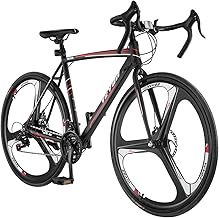
Road bikes are designed for speed and efficiency on paved surfaces. They feature narrow tires, lightweight frames, and drop handlebars that allow for an aerodynamic riding position. If your commute primarily involves smooth roads and you prioritize speed, a road bike could be the ideal choice. However, road bikes may not be as comfortable for longer rides and can be less stable on uneven surfaces.
Hybrid bikes, on the other hand, are versatile and suitable for a variety of terrains. They combine elements of road and mountain bikes, offering a balance between speed and comfort. Hybrid bikes typically have wider tires than road bikes, providing better traction on different surfaces, and their upright riding position makes them more comfortable for longer commutes. If your route includes a mix of paved roads and unpaved paths, a hybrid bike could be the best option.
Mountain bikes are built for off-road adventures and rugged terrain. They feature wide, knobby tires, sturdy frames, and suspension systems that absorb shocks from bumps and obstacles. If your commute involves rough trails or unpaved surfaces, a mountain bike will provide the necessary stability and control. However, mountain bikes are generally slower and less efficient on paved roads compared to road and hybrid bikes.
When selecting a bike type for commuting, consider factors such as the terrain you'll be riding on, the distance of your commute, and your personal comfort preferences. Test riding different types of bikes can also help you determine which one best suits your needs. Remember, the goal is to find a bike that makes your daily commute enjoyable and efficient.
Explore related products


Safety Features: Look for bikes with essential safety features such as lights, reflectors, and brakes
When selecting a bike for commuting, safety should be your top priority. Look for bikes equipped with essential safety features such as lights, reflectors, and reliable brakes. These components are crucial for ensuring visibility and control, especially during early morning or evening rides when light conditions are poor.
Lights are a fundamental safety feature for any commuter bike. They increase your visibility to motorists, pedestrians, and other cyclists, reducing the risk of accidents. When choosing lights, opt for bright, durable options that can withstand various weather conditions. Consider both front and rear lights, as well as additional lights for your wheels or pedals, to enhance your visibility from all angles.
Reflectors are another key safety element. They work in conjunction with lights to make your bike more noticeable in low-light situations. Look for bikes with reflectors on the wheels, pedals, and frame. Some bikes even come with reflective strips or decals that can further improve your visibility.
Brakes are critical for maintaining control and ensuring safe stops. Commuter bikes typically feature either rim brakes or disc brakes. Rim brakes are common on traditional bikes and work well in dry conditions, but they can be less effective in wet or muddy weather. Disc brakes, on the other hand, offer superior stopping power and perform better in various weather conditions. When test-riding a bike, pay close attention to the brake performance to ensure it meets your safety standards.
In addition to these essential safety features, consider other elements that can enhance your commuting experience. For example, fenders can help keep you dry in wet conditions, while a comfortable saddle and ergonomic handlebars can improve your overall comfort during long rides. By prioritizing safety and considering these additional features, you can find a commuter bike that is both reliable and enjoyable to ride.
Frequently asked questions
For commuting on paved roads, a road bike or a hybrid bike would be ideal. Road bikes are lightweight and fast, making them efficient for longer distances. Hybrid bikes offer a comfortable upright riding position and are versatile enough for both paved roads and light off-road trails.
Yes, a bike with gears is generally recommended for commuting, especially if your route includes hills or varying terrain. Gears allow you to adjust the resistance and maintain a comfortable pedaling cadence, which can make your commute more enjoyable and less physically demanding.
When choosing a commuting bike, look for features such as:
- Reflectors and lights for increased visibility
- A bell or horn to alert pedestrians and other cyclists
- Fenders to protect you from splashes in wet conditions
- A rear rack or front basket for carrying bags or groceries
- A kickstand for easy parking
- Puncture-resistant tires to minimize the risk of flats