Samantha Lee
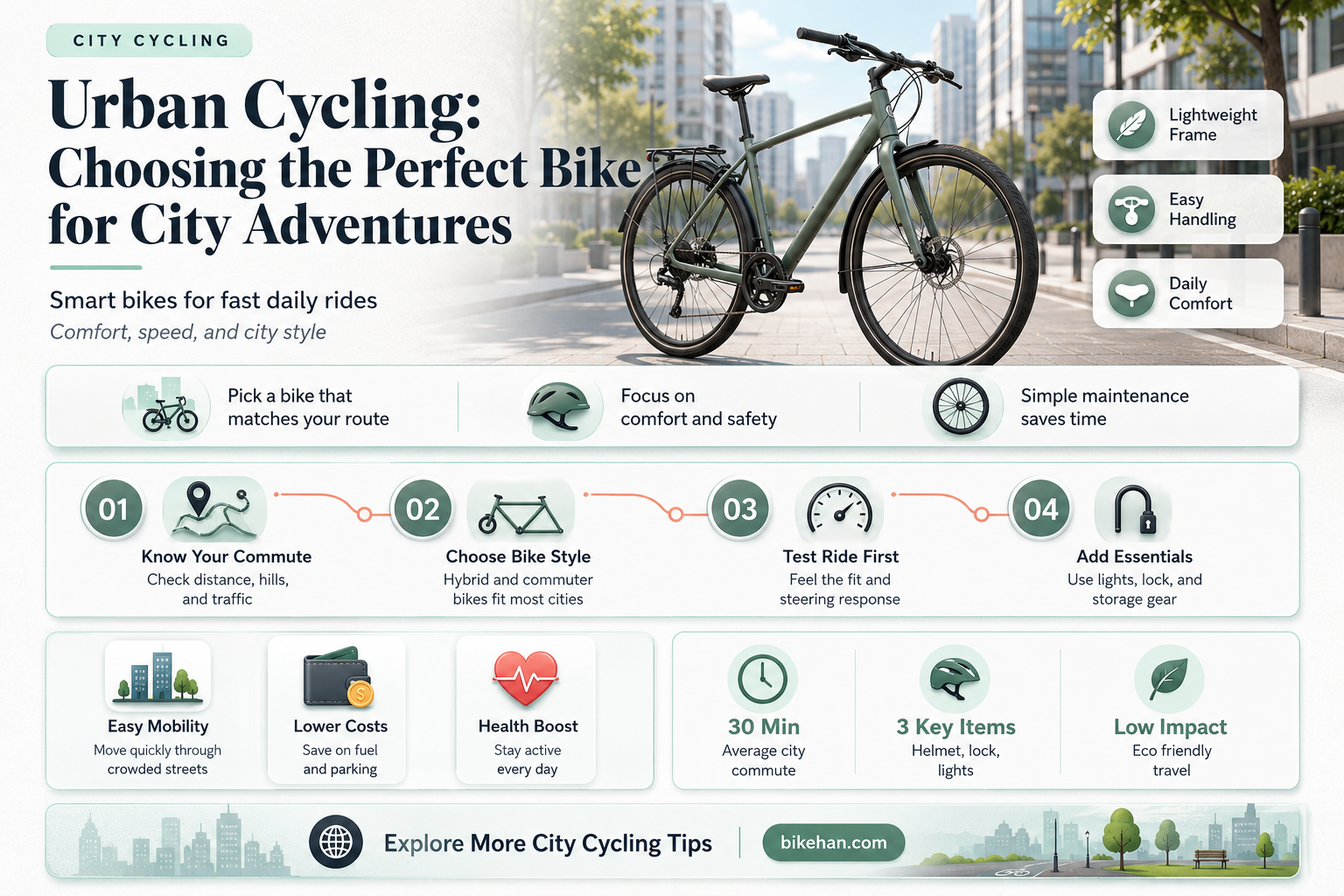
When considering what kind of bike to get for city riding, it's important to think about the specific needs and preferences of the rider. City bikes are designed for urban environments, where comfort, practicality, and ease of use are key. A good city bike should have a comfortable riding position, durable tires, and reliable brakes. It's also important to consider the type of terrain you'll be riding on, as well as the distance you'll be traveling. For example, if you'll be riding on hilly terrain, you may want a bike with a wider range of gears. Additionally, if you'll be commuting to work or school, you may want a bike with a rack or basket for carrying your belongings. Ultimately, the best city bike for you will depend on your individual needs and preferences, so it's important to test ride a few different options before making a decision.
Explore related products


What You'll Learn
- Comfort vs. Speed: City bikes prioritize comfort for short trips, while road bikes offer speed for longer commutes
- Frame Material: Steel frames provide durability, while aluminum offers lightweight maneuverability in urban environments
- Tire Width: Wider tires enhance comfort and stability on uneven city surfaces, but may slow you down
- Gearing System: Single-speed bikes are low-maintenance, while multi-speed bikes handle varied terrains better
- Accessories: Consider racks, fenders, and lights for practicality and safety in city traffic

Comfort vs. Speed: City bikes prioritize comfort for short trips, while road bikes offer speed for longer commutes
For city riding, the choice between a city bike and a road bike often comes down to comfort versus speed. City bikes are designed with comfort in mind, making them ideal for short trips around town. They typically feature a more upright riding position, which reduces strain on the back and neck, and wider tires that absorb shocks from uneven pavement. Additionally, city bikes often come equipped with accessories like fenders and racks, which are convenient for carrying groceries or commuting to work.
On the other hand, road bikes are built for speed and efficiency, making them a better choice for longer commutes or rides where time is a factor. They have a more aggressive riding position, which allows the rider to generate more power and reduce wind resistance. Road bikes also have thinner tires and lighter frames, which contribute to their overall speed and maneuverability. However, this design can make them less comfortable for short, leisurely rides around the city.
When deciding between a city bike and a road bike for city riding, it's important to consider your priorities and the type of riding you'll be doing most often. If comfort is your top priority and you'll be making frequent stops or riding on rough terrain, a city bike is likely the better choice. However, if speed is more important to you and you'll be commuting longer distances on smooth roads, a road bike may be the way to go.
Ultimately, the best bike for city riding depends on your individual needs and preferences. It's worth considering factors like your fitness level, the terrain you'll be riding on, and the type of accessories you'll need. By weighing these factors and understanding the differences between city bikes and road bikes, you can make an informed decision that will ensure a comfortable and enjoyable riding experience.
Explore related products


Frame Material: Steel frames provide durability, while aluminum offers lightweight maneuverability in urban environments
Steel frames are renowned for their strength and longevity, making them an excellent choice for city riders who prioritize durability. These frames can withstand the rigors of daily commuting, including potholes and rough pavement, without compromising their structural integrity. Additionally, steel frames are often more affordable than their aluminum counterparts, making them a budget-friendly option for urban cyclists.
On the other hand, aluminum frames offer a significant advantage in terms of weight. They are typically lighter than steel frames, which can make a considerable difference when navigating through crowded city streets or carrying your bike up stairs. Aluminum frames are also resistant to rust and corrosion, which is particularly beneficial in urban environments where exposure to the elements can be a concern.
When choosing between steel and aluminum frames for city riding, it's essential to consider your specific needs and preferences. If durability and cost are your primary concerns, a steel frame may be the better choice. However, if you prioritize lightweight maneuverability and ease of maintenance, an aluminum frame could be the ideal option.
Ultimately, the decision between steel and aluminum frames comes down to personal preference and the specific demands of your urban cycling lifestyle. Both materials have their unique advantages and disadvantages, and the right choice will depend on your individual needs and priorities.
Explore related products


Tire Width: Wider tires enhance comfort and stability on uneven city surfaces, but may slow you down
Wider tires have become increasingly popular among city cyclists due to their ability to absorb shocks and provide a smoother ride over uneven surfaces. This is particularly beneficial in urban environments where potholes, debris, and other obstacles are common. The increased contact patch of wider tires also improves traction, which can be crucial for maintaining control in wet or slippery conditions.
However, it's important to note that wider tires can also have some drawbacks. They may increase rolling resistance, which can make pedaling more strenuous and slow you down. This effect is more pronounced at higher speeds, so it may not be as significant for city riding where speeds are typically lower. Additionally, wider tires may not fit in all bike frames or wheel rims, so it's essential to check compatibility before making a purchase.
When choosing the right tire width for city riding, consider the type of surfaces you'll be riding on and your personal preferences. If you prioritize comfort and stability, wider tires may be the right choice for you. However, if you're more concerned about speed and efficiency, you may want to opt for narrower tires.
It's also worth considering the trade-off between tire width and other factors such as tire pressure and tread pattern. For example, running lower tire pressure can also help absorb shocks and improve traction, but it may increase the risk of punctures. Similarly, tires with a more aggressive tread pattern can provide better grip on loose or slippery surfaces, but they may also be slower and noisier on paved roads.
Ultimately, the best tire width for city riding will depend on your individual needs and preferences. Experiment with different options and consider factors such as comfort, stability, speed, and compatibility to find the perfect fit for your urban cycling adventures.
Explore related products





Gearing System: Single-speed bikes are low-maintenance, while multi-speed bikes handle varied terrains better
Single-speed bikes, with their straightforward design, offer a low-maintenance option for city riders. They lack the complex gear systems found in multi-speed bikes, which means there are fewer components that can wear out or require regular servicing. This simplicity can be particularly appealing to those who prioritize ease of use and minimal upkeep in their urban commuting.
On the other hand, multi-speed bikes provide a more versatile riding experience, especially when navigating varied terrains within a city. With multiple gears, riders can adjust their pedaling resistance to better handle inclines, declines, and different road surfaces. This adaptability can make multi-speed bikes a more efficient choice for those who encounter diverse landscapes during their daily rides.
When considering a bike for city riding, it's essential to weigh the benefits of a single-speed versus a multi-speed gear system. Single-speed bikes are ideal for flat, consistent routes where maintenance and simplicity are key concerns. In contrast, multi-speed bikes excel in cities with hilly or uneven terrain, offering a more comfortable and controlled ride.
Ultimately, the choice between a single-speed and multi-speed bike depends on the specific needs and preferences of the rider. Those who value low maintenance and a straightforward riding experience may opt for a single-speed bike, while others who require more versatility and control in varied terrains may prefer a multi-speed option.
Explore related products



Accessories: Consider racks, fenders, and lights for practicality and safety in city traffic
When navigating the bustling streets of a city, the right accessories can make all the difference in ensuring both practicality and safety for cyclists. Racks, fenders, and lights are essential components that urban riders should consider to enhance their overall biking experience.
Racks provide a convenient solution for carrying personal belongings or groceries, allowing cyclists to transport items securely without the need for a backpack. Fenders, on the other hand, offer protection against splashes and debris, keeping riders clean and dry during wet conditions. Lights are crucial for visibility, especially during early morning or evening commutes, ensuring that cyclists are easily seen by motorists and pedestrians.
When selecting these accessories, it's important to consider the specific needs and preferences of the rider. For example, a cyclist who frequently carries heavy loads may opt for a sturdier rack with a higher weight capacity. Similarly, riders who often commute in rainy weather may choose fenders with better coverage and durability. Lights should be bright and easily adjustable to accommodate different lighting conditions.
In addition to their practical benefits, these accessories can also contribute to a cyclist's overall safety. Properly functioning lights can help prevent accidents by alerting other road users to the cyclist's presence. Fenders can reduce the risk of slipping or losing control due to wet or muddy conditions. Racks, when securely attached, can help distribute weight evenly and improve the bike's stability.
Ultimately, investing in the right accessories can significantly enhance the urban cycling experience, making it more enjoyable, convenient, and safe. By carefully considering the specific needs of city riding, cyclists can choose accessories that not only meet their practical requirements but also contribute to a safer and more efficient commute.
Frequently asked questions
For city commuting, a hybrid bike is often the best choice. It combines the speed and efficiency of a road bike with the comfort and upright riding position of a mountain bike. Hybrid bikes are versatile and can handle paved roads, bike paths, and light gravel, making them ideal for urban environments.
If you live in a city with varied terrain or hills, a bike with gears is recommended. Gears allow you to adjust your pedaling resistance, making it easier to climb hills and maintain a comfortable speed on flat ground. However, if your city is mostly flat and you prefer simplicity and lower maintenance, a single-speed bike can be a good option.
When choosing a city bike, look for features that enhance safety and comfort. These include:
- Reflectors and lights for visibility during night rides
- A comfortable saddle and ergonomic grips
- A sturdy frame and reliable brakes
- Fenders to protect against splashes from puddles
- A kickstand for easy parking
- Pannier racks or a basket for carrying personal items or groceries
These features will help ensure a safe and enjoyable riding experience in the city.