Lauren Kennedy
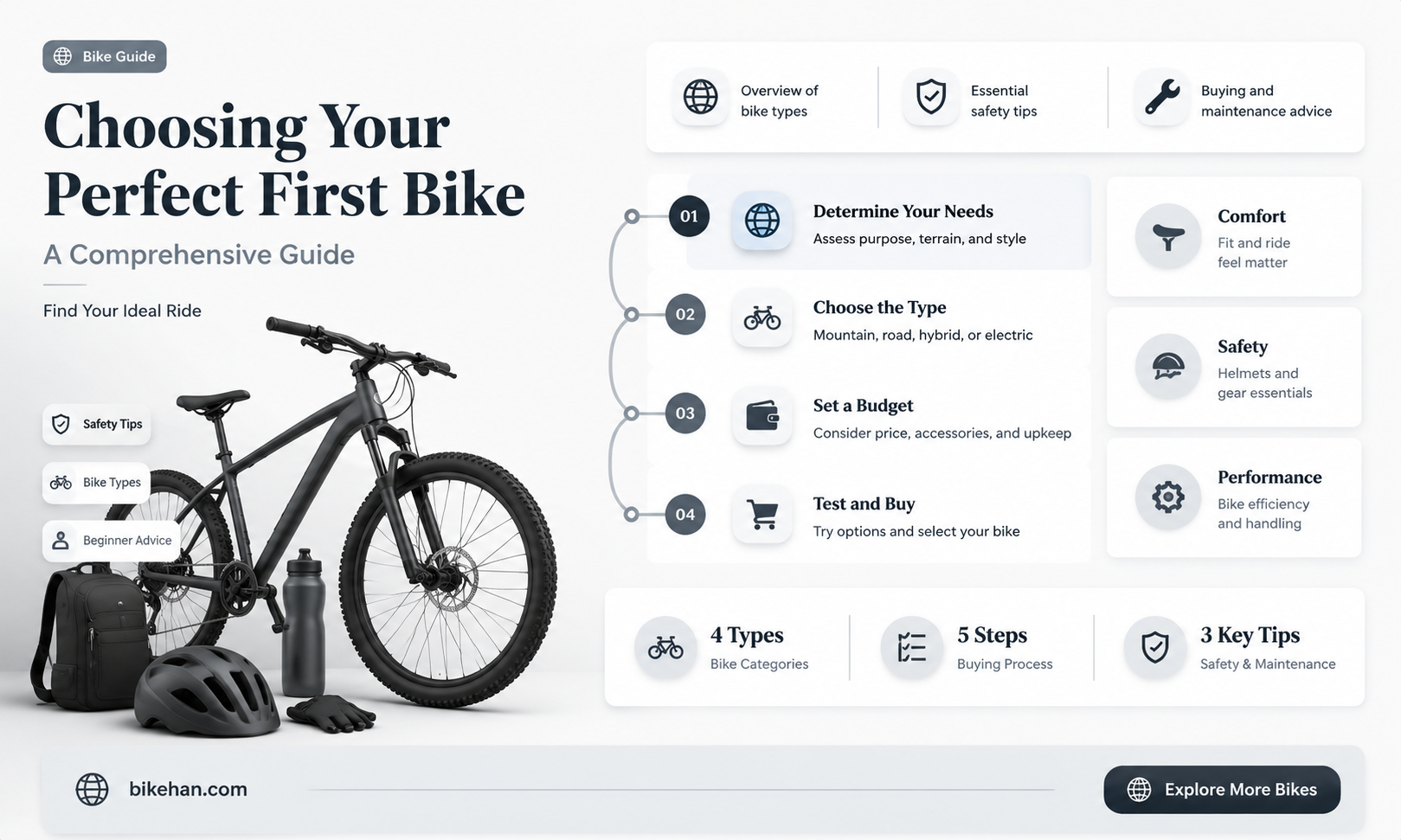
When considering purchasing a first bike, several factors come into play to ensure the right choice. The type of bike you select should align with your intended use, whether it's for commuting, fitness, or recreational purposes. For beginners, a hybrid or comfort bike is often recommended due to their versatility and ease of use. These bikes offer a balance between the speed of a road bike and the durability of a mountain bike, making them suitable for various terrains and conditions. Additionally, considering the bike's size, frame material, and additional features such as gears and brakes can help narrow down the options. It's also important to think about your budget and the maintenance costs associated with different types of bikes. By evaluating these aspects, you can find a bike that not only meets your needs but also enhances your overall cycling experience.
Explore related products


What You'll Learn
- Type of Bike: Consider road, mountain, hybrid, or commuter bikes based on intended use and terrain
- Frame Material: Choose between aluminum, steel, carbon fiber, or titanium for durability and weight
- Wheel Size: Decide on wheel size (e.g., 26, 27.5, 29 for mountain bikes) for comfort and handling
- Gearing System: Select a bike with the right number of gears (single-speed, 7-speed, 21-speed) for your fitness level
- Budget: Determine your budget and look for bikes that offer the best value for your money

Type of Bike: Consider road, mountain, hybrid, or commuter bikes based on intended use and terrain
When selecting a first bike, the type of bike you choose should be based on the intended use and terrain. Road bikes are designed for speed and efficiency on paved surfaces, making them ideal for commuting or long-distance rides. They typically have narrow tires, a lightweight frame, and drop handlebars that allow for an aerodynamic riding position.
Mountain bikes, on the other hand, are built for off-road adventures. They feature wider tires with more tread, a sturdy frame, and suspension systems to absorb shocks from rough terrain. These bikes are perfect for trail riding, mountain biking, or navigating uneven surfaces.
Hybrid bikes offer a balance between road and mountain bikes, making them versatile for various terrains and uses. They have wider tires than road bikes but are not as robust as mountain bikes. Hybrid bikes are suitable for casual riding, commuting, or light off-road use.
Commuter bikes are specifically designed for daily commuting and urban riding. They often come with features like fenders, racks, and lights for practicality and convenience. These bikes prioritize comfort and durability over speed, making them ideal for short to medium-distance rides in city environments.
When choosing a first bike, consider your primary use and the terrain you'll be riding on. If you plan to ride mostly on paved roads, a road bike or hybrid bike may be the best choice. For off-road adventures, a mountain bike is the way to go. If you're looking for a practical bike for daily commuting, a commuter bike is the most suitable option.
Choosing the Perfect First Bike for Your 4-Year-Old: A Guide
You may want to see also
Explore related products

$149.99 $159.99


Frame Material: Choose between aluminum, steel, carbon fiber, or titanium for durability and weight
Aluminum frames are a popular choice for first-time bike buyers due to their lightweight nature and durability. They are resistant to rust and corrosion, making them ideal for riders who may not be as diligent with maintenance. However, aluminum frames can be less comfortable on longer rides due to their stiffness.
Steel frames, on the other hand, offer a more comfortable ride due to their ability to absorb vibrations. They are also durable and can last for many years with proper care. However, steel frames are heavier than aluminum, which can make them more challenging to maneuver for beginners.
Carbon fiber frames are the lightest option available, making them perfect for riders who prioritize speed and agility. They are also incredibly strong and can provide a smooth ride. However, carbon fiber frames are more expensive than aluminum or steel and can be more prone to damage if not handled carefully.
Titanium frames are the most durable option, offering a high strength-to-weight ratio. They are also resistant to corrosion and can provide a comfortable ride. However, titanium frames are the most expensive option and can be difficult to find in entry-level bikes.
When choosing a frame material, it's important to consider your riding style and preferences. If you plan on riding mostly on paved roads and prioritize speed, a carbon fiber frame may be the best option. If you're looking for a more comfortable ride and don't mind a heavier bike, a steel frame may be the way to go. For a balance between weight and durability, an aluminum frame is a great choice. And if you're willing to invest in a high-quality bike that will last for many years, a titanium frame may be the best option.
Choosing the Perfect Bike for Your College Adventures
You may want to see also
Explore related products


Wheel Size: Decide on wheel size (e.g., 26, 27.5, 29 for mountain bikes) for comfort and handling
Choosing the right wheel size for your first bike is crucial as it significantly impacts both comfort and handling. For mountain bikes, the common wheel sizes are 26, 27.5, and 29 inches. Each size has its own advantages and is suited for different types of riding and rider preferences.
The 26-inch wheel size is often considered the traditional choice for mountain bikes. It offers a good balance between maneuverability and stability, making it suitable for technical trails and riders who prioritize agility. However, 26-inch wheels can be less efficient on longer descents and may not roll over obstacles as easily as larger wheels.
The 27.5-inch wheel size, also known as 650B, has gained popularity in recent years. It strikes a balance between the maneuverability of 26-inch wheels and the efficiency of 29-inch wheels. This size is versatile and can handle a variety of terrains, making it a popular choice for all-around mountain biking.
The 29-inch wheel size, often referred to as "29ers," is the largest of the three options. These wheels provide greater efficiency on longer descents and can roll over obstacles more easily due to their larger diameter. However, they can be less maneuverable in tight turns and may require more effort to accelerate.
When deciding on a wheel size, consider your riding style, the type of terrain you'll be riding on, and your personal preferences. If you're unsure, test riding bikes with different wheel sizes can help you determine which one feels best for you.
Choosing the Perfect Bike for Your Fitness Journey: A Comprehensive Guide
You may want to see also
Explore related products


Gearing System: Select a bike with the right number of gears (single-speed, 7-speed, 21-speed) for your fitness level
Selecting the right gearing system for your first bike is crucial as it directly impacts your riding experience and fitness progression. For beginners, a single-speed bike might seem appealing due to its simplicity and low maintenance. However, it lacks the versatility needed for varying terrains and inclines, which can be demotivating for new riders. On the other hand, a 21-speed bike offers a wide range of gears, allowing you to tackle different landscapes with ease. This can be overwhelming for a novice, as learning to shift gears efficiently takes time and practice.
A 7-speed bike strikes a balance between these two extremes, providing enough options to handle most urban and suburban routes without being overly complex. This makes it an ideal choice for first-time bike buyers who are looking to improve their fitness level gradually. With a 7-speed bike, you can start on flat terrains and gradually progress to more challenging routes as your confidence and stamina grow.
When choosing a bike with the right number of gears, consider your current fitness level and the type of riding you plan to do. If you're new to cycling and plan to ride mostly on flat surfaces, a single-speed or 7-speed bike would be sufficient. However, if you live in an area with varied terrain or plan to take on more challenging routes, a 21-speed bike would be a better investment.
It's also important to consider the maintenance and repair costs associated with different gearing systems. Single-speed bikes are the easiest to maintain, as they have fewer moving parts and require less frequent adjustments. However, they may not be as efficient for long-distance riding or hilly terrains. In contrast, 21-speed bikes offer more flexibility but require more regular maintenance and can be more expensive to repair if something goes wrong.
Ultimately, the key to selecting the right gearing system is to find a balance between your current abilities, future goals, and the type of riding you plan to do. By choosing a bike with the appropriate number of gears, you can ensure a more enjoyable and effective cycling experience that will help you achieve your fitness goals.
Choosing the Perfect Bike for Seattle: A Comprehensive Guide
You may want to see also
Explore related products


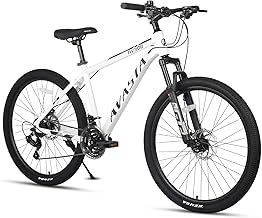

Budget: Determine your budget and look for bikes that offer the best value for your money
When determining your budget for a first bike, it's crucial to consider not just the initial purchase price but also ongoing costs such as maintenance, accessories, and potential upgrades. Start by assessing your financial situation and deciding how much you're willing to invest in this new hobby. Research the average prices for different types of bikes and set a realistic budget that aligns with your needs and preferences.
Once you've established your budget, look for bikes that offer the best value for your money. This doesn't necessarily mean opting for the cheapest option, as lower-priced bikes may require more frequent repairs or lack essential features. Instead, focus on finding a bike that provides a good balance of quality, durability, and performance within your price range. Consider factors such as the bike's weight, frame material, and component quality when evaluating its value.
It's also important to think about the long-term costs associated with owning a bike. For example, if you plan to use your bike for commuting or touring, you may need to invest in additional accessories like lights, racks, or panniers. Factor these costs into your budget when making your decision. Additionally, consider the cost of maintenance, such as regular tune-ups, tire replacements, and brake adjustments. Choosing a bike with reliable components and a simple design can help minimize these expenses over time.
When shopping for a first bike, it's helpful to visit local bike shops and talk to knowledgeable staff who can provide guidance on finding the best value within your budget. They can also offer advice on sizing, fit, and any necessary adjustments to ensure a comfortable and safe riding experience. Don't be afraid to ask questions or test ride different models to get a feel for what works best for you.
Ultimately, the key to finding the right bike within your budget is to do your research, consider your needs and preferences, and seek advice from experienced riders or bike shop professionals. By taking the time to carefully evaluate your options, you can find a bike that not only fits your budget but also provides a fun and enjoyable riding experience.
Choosing the Perfect Bike for UC Davis: A Comprehensive Guide
You may want to see also
Frequently asked questions
For a beginner, a hybrid bike or a comfort bike is often recommended. These bikes offer a good balance between comfort, ease of use, and versatility, making them suitable for various terrains and purposes.
The size of the bike is crucial for a first-time buyer. A bike that fits well will be more comfortable to ride, easier to control, and reduce the risk of injury. It's essential to consider factors like height, inseam length, and reach when determining the right size.
As a first-time buyer, it's generally advisable to prioritize comfort over performance. A comfortable bike will encourage you to ride more often and enjoy the experience, which is essential for building confidence and developing your cycling skills.
When looking for a beginner-friendly bike, consider features such as a lightweight frame, wide tires for stability, a comfortable saddle, and easy-to-use controls. Additionally, look for bikes with a simple gear system and reliable brakes.
It's not necessary to spend a fortune on your first bike. While higher-end bikes may offer better performance and features, there are plenty of affordable options that are perfect for beginners. Set a budget that you're comfortable with and focus on finding a bike that meets your needs and preferences within that range.